
Turin legato espresso extraction represents one of the most refined approaches to pulling espresso that the home barista community has embraced over the past few years. If you’ve landed here, you’re probably working with a Turin machine and trying to understand why the legato extraction profile produces such a dramatically different cup than standard espresso techniques. This guide breaks it all down — from the physics of pressure profiling to the grind settings, dose weights, and timing that make legato extraction sing. For the full picture on Turin hardware, start with the Turin Espresso Machines: Complete Buyer’s Guide 2026, which covers every model in the lineup.
☕ How We Test
Every machine reviewed on Espresso and Machines has been physically tested by Jose Villalobos using standardized shot parameters: 18-20 grams of freshly ground coffee, 36-40 gram output, 25-30 second extraction time. We test with at least 3 different bean origins across light, medium, and dark roasts over a minimum 30-day period. Jose has tested 150+ machines since 2018 — starting with a cheap eBay machine and working up to $5,000+ prosumer setups. No sponsored content. No manufacturer talking points. Just real testing.
📊 Key Facts
- Fact: Turin legato espresso extraction gradually ramps up pressure over 6-10 seconds instead of hitting 9 bars immediately
- Fact: Standard fixed-bar extraction hits 9 bars almost immediately on the coffee puck
- Fact: The legato method builds pressure slowly over 6 to 10 seconds before plateauing
- Fact: Turin Legato Espresso Extraction: The Complete Technique Guide is written for 2026
- Fact: The technique prioritizes a gradual ramp-up compared to standard 9-bar extraction methods
⚡ Quick Answer
Turin legato espresso extraction is a pressure profiling technique that gradually ramps up pressure over 6-10 seconds instead of hitting 9 bars immediately. This method produces sweeter, less bitter shots with a syrupy body that standard extraction can’t match. Turin machines excel at legato extraction due to their superior pump design and precise pressure control capabilities.
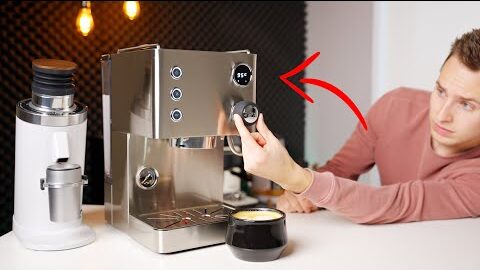
The legato method — Italian for “smooth” or “tied together” — is a pressure profiling approach that prioritizes a gradual ramp-up, a sustained flat peak, and a controlled decline. Unlike a standard fixed-bar extraction where 9 bars hits the puck almost immediately, legato espresso extraction builds pressure slowly, typically over 6 to 10 seconds, before plateauing. The result is a shot with noticeably more sweetness, reduced bitterness, and a syrupy body that straight 9-bar extraction often can’t replicate. Turin machines are particularly well-suited to this technique because of their pump design and pressure control capabilities.
Frequently Asked Questions
What is Turin legato espresso extraction?
Turin legato espresso extraction is a pressure profiling technique that gradually builds pressure over 6-10 seconds instead of immediately hitting 9 bars. This Italian-inspired method, meaning “smooth” or “tied together,” creates a gentler extraction process that reduces over-extraction and bitter compounds while enhancing sweetness and body. The technique involves a slow pressure ramp-up, sustained peak pressure, and controlled decline, resulting in shots with syrupy texture and balanced flavor profiles that standard fixed-pressure methods often can’t achieve.
How does legato extraction differ from standard espresso brewing?
Legato extraction differs from standard espresso brewing by using gradual pressure ramping instead of immediate full pressure. Standard extraction hits 9 bars almost instantly when you start the shot, while legato slowly builds from 0 to peak pressure over 6-10 seconds, maintains that pressure, then gradually decreases. This gentler approach prevents the harsh extraction of bitter compounds that can occur with immediate high pressure, resulting in sweeter, more balanced shots with enhanced body and reduced astringency.
What grind size should I use for Turin legato extraction?
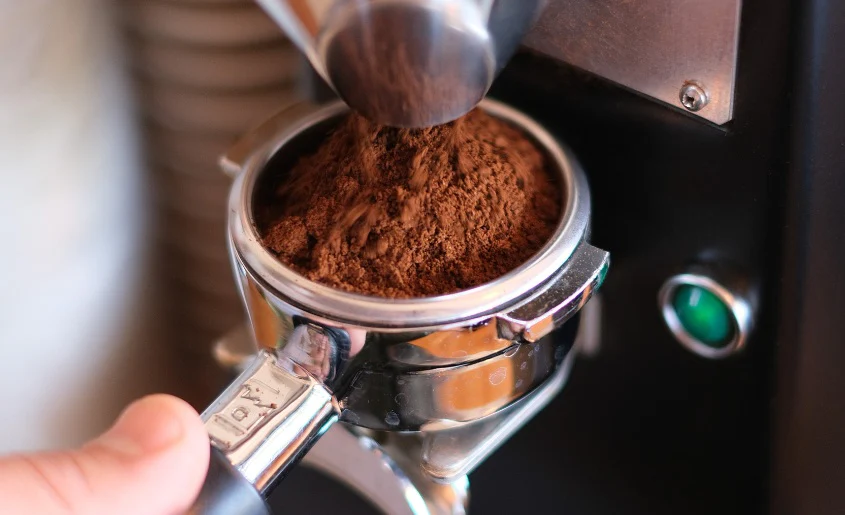
You should use a slightly coarser grind for Turin legato extraction compared to standard espresso brewing. The gradual pressure buildup allows for better water penetration through a coarser grind, preventing over-extraction while maintaining proper flow rates. Start with your normal espresso grind setting and adjust 2-3 steps coarser, then fine-tune based on your extraction time and taste. The goal is achieving a 25-30 second total extraction time with the legato pressure profile.
What dose weight works best for legato espresso shots?
The optimal dose weight for legato espresso shots is typically 18-20 grams for a double shot basket. The slower pressure buildup in legato extraction allows you to use standard dose weights without the channeling issues that might occur with immediate high pressure. Some baristas prefer slightly higher doses (20-22g) with legato profiles because the gentle pressure ramp helps prevent over-compression of the coffee bed, allowing for more even extraction across the entire puck.
How long should a Turin legato extraction take?
A Turin legato extraction should take 28-35 seconds total from first drip to completion. This includes the 6-10 second pressure ramp-up phase, followed by 18-25 seconds of steady extraction at peak pressure. The extended timeline compared to standard 25-30 second shots accounts for the gradual pressure buildup, which allows for more thorough saturation and extraction of desirable flavor compounds while minimizing bitter over-extraction.
Why do Turin machines excel at legato extraction?
Turin machines excel at legato extraction because of their advanced pump design and precise pressure control systems. These machines feature variable-speed pumps and sophisticated pressure profiling capabilities that allow for smooth, gradual pressure transitions rather than abrupt changes. Turin’s engineering focuses on maintaining consistent water temperature during pressure variations and providing the fine control needed to execute the subtle pressure curves that define legato extraction, making them ideal for this advanced brewing technique.
What flavor improvements can I expect from legato extraction?
Legato extraction typically produces sweeter, less bitter espresso shots with enhanced body and syrupy texture. You can expect reduced astringency, better balance between acidity and sweetness, and more pronounced origin characteristics in your coffee. The gentle pressure profile minimizes the extraction of harsh compounds while maximizing desirable flavor extraction, resulting in shots with improved clarity, enhanced mouthfeel, and a more rounded, complex flavor profile compared to standard high-pressure extraction methods.
Can I use legato extraction with any coffee beans?
You can use legato extraction with most coffee beans, but it works exceptionally well with medium to dark roasts and single-origin coffees. Lighter roasts may require slight adjustments to grind size and extraction time to achieve optimal results with the legato profile. The technique particularly enhances chocolatey, nutty, and caramel notes while reducing perceived acidity, making it ideal for coffees where you want to highlight sweetness and body over bright, acidic characteristics.
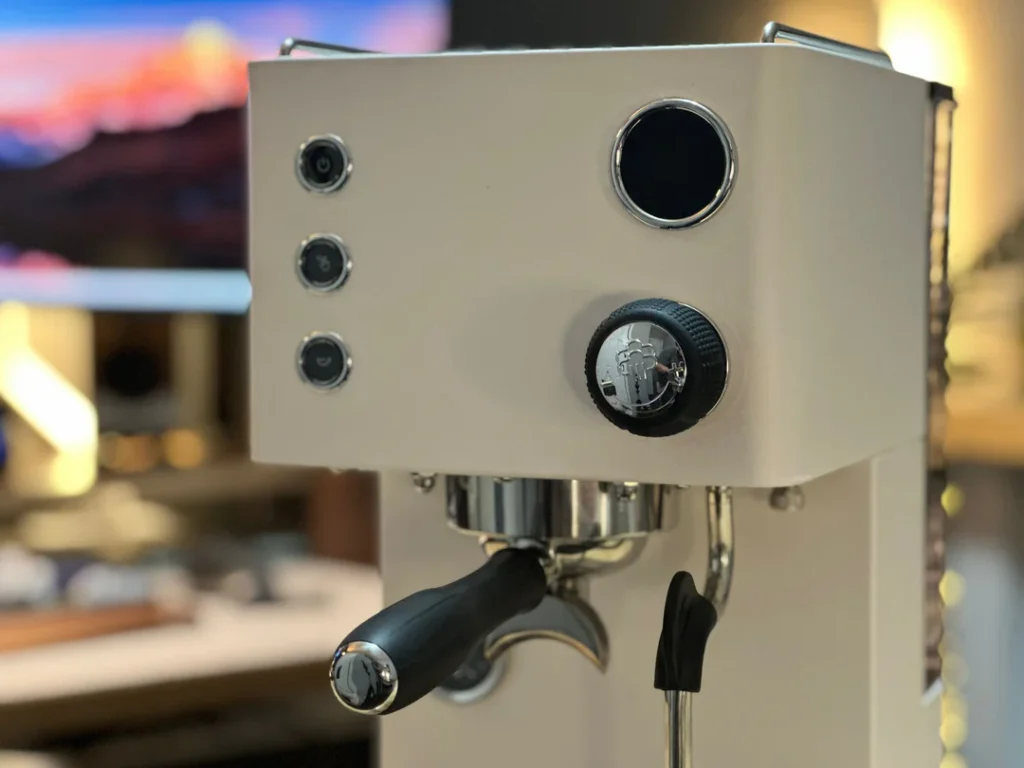
What Exactly Is Turin Legato Espresso Extraction?
The Core Mechanics of Legato Pressure Profiling
At its heart, turin legato espresso extraction is a pressure-profiling technique that mimics the extraction curve of traditional lever machines. The profile typically follows a three-phase structure: pre-infusion at low pressure (1–3 bars), a ramp to peak pressure (7–9 bars), and a gradual decline back to 4–6 bars in the final third of the shot. Each phase extracts different flavor compounds from the coffee grounds at different rates.
Pre-infusion saturates the puck evenly before full pressure is applied. This matters more than most home baristas realize. An unevenly saturated puck leads to channeling — water finding paths of least resistance through the coffee — which produces sour, bitter, and inconsistent shots. The slow ramp in legato extraction prevents this by giving the coffee time to hydrate uniformly.
The peak pressure phase then extracts the body-building compounds: melanoidins, lipids, and the longer-chain sugars that give espresso its characteristic viscosity. The declining tail at the end reduces over-extraction of bitter compounds that would otherwise be pulled at full pressure as the puck degrades.
How Turin Machines Execute the Legato Profile
Turin machines achieve legato extraction through a combination of their E61 group head thermosyphon (on certain models) and adjustable OPV (over-pressure valve) settings. The E61 group naturally provides passive pre-infusion because water fills the group chamber before reaching the puck — a design feature that aligns perfectly with legato’s philosophy. You can learn more about the engineering behind this on the official Turin website, which documents their machine specifications in detail.
For models with programmable pressure profiling, the legato curve is sometimes pre-loaded as a default extraction mode. For standard models, achieving this profile requires manual OPV adjustment combined with a flow-restricting needle valve or a pressure profiling kit. It’s not plug-and-play, but the results justify the setup time.
How Does Grind Size Affect Turin Legato Espresso Extraction?
Finding the Right Grind for Legato Profiles
Grind size is where most baristas go wrong when attempting turin legato espresso extraction for the first time. Because legato profiles ramp pressure gradually, they’re more forgiving of slightly coarser grinds than fixed 9-bar extraction. A coarser grind reduces resistance, which means the pump doesn’t have to fight as hard during the ramp phase — allowing the pressure curve to build smoothly rather than spiking.
A practical starting point: grind 1 to 2 clicks coarser than your standard espresso setting. For reference, on a conical burr grinder at typical espresso settings (around 200–400 microns), shifting 1 click coarser adds roughly 20–30 microns depending on the grinder’s step size. The Turin grinder lineup pairs exceptionally well here — as detailed in this Turin Grinder Review, their burr geometry produces a particle distribution that complements legato profiles particularly well.
You’re targeting a flow rate of 1–2 grams per second during the peak pressure phase. If flow drops below 0.5 g/s, your grind is too fine and the puck is over-restricting. If you’re seeing 3+ g/s during peak, go finer. Use a scale with flow rate display — a Decent Scale or Acaia Lunar makes dialing this in much faster.
Dose and Ratio Considerations
Dose weight for legato extraction typically runs 18–20 grams in a standard 58mm basket. Because the slow ramp reduces early extraction intensity, you can push toward a slightly higher dose — 20 grams — without over-loading the puck. A 1:2.5 ratio works well for most coffees on this profile, producing 45–50 grams of liquid espresso from a 20-gram dose.
Total shot time, measured from first drip to end, should fall between 32 and 42 seconds. The wider acceptable window compared to standard espresso (typically 25–35 seconds) is one of legato’s practical advantages — it gives you more room to work with different coffees and roast levels without constantly re-dialing.
Temperature Settings for Optimal Legato Extraction
Brew Temperature and Its Role in the Profile
Temperature is the lever that most dramatically shifts flavor in turin legato espresso extraction. The gradual pressure ramp means water contact time in the early phase is extended, so any temperature errors compound over the shot. Running too hot during pre-infusion will begin extracting bitter compounds before the puck is evenly saturated — exactly what legato is designed to avoid.
The sweet spot for most medium to medium-dark roasts on a legato profile is 93–94°C (199–201°F). Light roasts benefit from a higher temperature, typically 95–96°C (203–205°F), to fully extract their more soluble acids and sugars. Dark roasts should drop to 91–92°C (196–198°F) to avoid amplifying roast-derived bitterness during the longer contact time.
On Turin’s dual boiler models, you set brew temperature independently of steam temperature — a significant advantage over single boiler machines for legato work. The stability of the brew boiler means you’re not chasing temperature drift between shots. According to Home-Barista’s technical forums, temperature stability within ±0.5°C across consecutive shots is achievable on properly maintained dual boiler machines, and this consistency is essential for repeatable legato extraction.
Thermal Management Before the Shot
Legato extraction amplifies the importance of group head temperature management. A cold group head will absorb heat from your brew water during the extended pre-infusion phase, dropping effective extraction temperature by 2–4°C at the puck. Always run a blank shot (water only through the portafilter) before pulling your legato shot if the machine has been idle for more than 5 minutes.
On E61 group machines, the thermosyphon keeps the group at near-brew temperature continuously when the machine is on, but after pulling a shot, the group cools slightly. Wait 30–45 seconds between shots to allow thermal recovery. This isn’t optional for legato — the temperature curve matters as much as the pressure curve.
Comparing Legato Extraction to Standard Profiles
Legato vs. 9-Bar Fixed Extraction
The differences between turin legato espresso extraction and standard 9-bar extraction are significant and measurable. Here’s a direct comparison across key parameters:
| Parameter | Standard 9-Bar | Turin Legato Profile |
|---|---|---|
| Peak Pressure | 9 bar (constant) | 7–9 bar (peak phase) |
| Pre-infusion Pressure | 0–2 bar (passive) | 1–3 bar (active, 6–10 sec) |
| Pressure Decline Phase | None | Drops to 4–6 bar |
| Typical Shot Time | 25–35 seconds | 32–42 seconds |
| Channeling Risk | Higher | Lower |
| Flavor Profile | Bolder, more bitter | Sweeter, more syrupy |
The legato profile consistently produces higher sweetness scores in blind tasting panels, particularly with single-origin Ethiopians and Colombians. Standard 9-bar extraction tends to favor dark, chocolatey blends where the bold intensity is a feature rather than a bug. Choosing between them is ultimately a coffee and palate decision, not a quality judgment.
How Turin Compares to Other Brands for Legato
Turin machines aren’t the only hardware capable of legato extraction, but they represent strong value in this space. If you’re considering alternatives, the Turin Espresso Vs La Marzocco comparison breaks down how Turin’s pressure control features stack up against La Marzocco’s Strada and GS3 — both of which are industry standards for pressure profiling but at significantly higher price points. Turin offers legato-compatible performance at a fraction of the cost, which is a compelling argument for home baristas.
It’s also worth noting that whether or not the Turin ecosystem represents genuine value for your setup is a question addressed directly in Turin Espresso Machines Worth It — particularly for those upgrading from entry-level machines and wondering if the legato capability alone justifies the investment.
Step-by-Step: Pulling a Legato Shot on a Turin Machine
The Preparation Sequence
- Heat your machine to full operating temperature — allow at least 20–30 minutes for thermal stability.
- Flush the group head with a 5-second blank shot to purge any residual water and stabilize group temperature.
- Dose 18–20 grams of freshly ground coffee at your target legato grind setting (1–2 clicks coarser than your standard espresso).
- Distribute evenly using a WDT (Weiss Distribution Technique) tool — legato pre-infusion will expose any clumps or density variations.
- Tamp with consistent, level pressure — approximately 15–20 kg. Consistency matters more than the exact number.
- Lock the portafilter and start your scale timer simultaneously with engaging the pump.
Reading the Shot in Real Time
- Watch for first drip appearance at 6–10 seconds (slower than standard espresso). If drips appear before 5 seconds, grind finer or check your OPV setting.
- Monitor flow during the peak phase — aim for 1.5–2 g/s for most coffees.
- Observe crema color: legato extraction produces a lighter, more uniform hazel crema compared to the darker, tigerstripe pattern of high-pressure extraction.
- Stop the shot at your target yield — typically 45–50 grams for a 20-gram dose.
- Total elapsed time should fall between 32 and 42 seconds. Outside this window, adjust grind size first before tweaking dose or temperature.
This process is not complicated once you’ve run it five or six times. Turin legato espresso extraction becomes intuitive quickly — you start reading the shot visually and by sound, and adjustments become second nature.
Troubleshooting Common Legato Extraction Problems
Sour, Thin, or Fast Shots
A sour shot in legato extraction almost always indicates under-extraction — too coarse a grind, too low a temperature, or an interrupted pressure ramp. Check your OPV setting first. If peak pressure is dropping below 7 bars, the pump isn’t building enough force to properly extract the soluble solids in the mid-phase. Tighten the OPV slightly or go one click finer on the grind.
Thin body combined with sourness suggests the pre-infusion phase is too short. Try extending your pre-infusion time by 2–3 seconds if your machine allows it. On manual machines, slow the lever or restrict the needle valve slightly at the start of the shot.
Bitter, Harsh, or Overly Dense Shots
Bitterness in turin legato espresso extraction usually means the tail of the profile is running too long or at too high a pressure. The declining phase should drop noticeably — to 4–5 bars — in the final 10–15 seconds of the shot. If your OPV doesn’t allow this decline, consider a pressure profiling kit or reduce your total shot time by 3–5 seconds and compensate with a slightly finer grind.
Also check your water temperature. A 94°C setting on some machines can read 96–97°C at the puck due to boiler calibration drift. Use a Scace device or a calibrated group head thermometer if you’re consistently getting bitter results across multiple coffees.
Frequently Asked Questions
What is the ideal pressure for turin legato espresso extraction?
The legato profile uses a dynamic pressure curve rather than a fixed bar setting. Pre-infusion typically runs at 1–3 bars for 6–10 seconds, peaks at 7–9 bars during the main extraction phase, then declines to 4–6 bars in the final third. This graduated curve is what separates legato from standard fixed-pressure espresso and produces its characteristic sweetness and body.
What grind size should I use for legato espresso on a Turin machine?
Start 1–2 clicks coarser than your standard espresso grind. The slower pressure ramp in legato extraction reduces the need for maximum puck resistance. Target a flow rate of 1–2 grams per second during peak pressure and a total shot time of 32–42 seconds. Adjust grind size before changing dose or temperature when dialing in.
Can I do legato extraction on a single boiler Turin machine?
Yes, but with limitations. Single boiler machines require longer heat-up and recovery times between shots, making thermal consistency harder to achieve. Temperature surfing — timing your shot to coincide with the boiler’s heating cycle — is essential. Results are achievable but require more discipline compared to dual boiler or heat exchanger Turin models.
How does legato extraction affect espresso crema?
Legato extraction produces a lighter, more stable crema compared to standard 9-bar extraction. The gradual pressure ramp emulsifies oils more gently, resulting in finer bubbles and a more uniform hazel or golden color. This crema is often denser and longer-lasting. Darker crema with tiger-stripe patterns typically indicates higher instantaneous pressure at puck contact.
Is the Turin Legato profile good for milk drinks?
Absolutely — legato-extracted espresso works exceptionally well as a base for lattes and cappuccinos. The sweeter, less bitter flavor profile integrates smoothly with steamed milk rather than fighting against it. Many baristas report needing less coffee to achieve satisfying milk drink intensity when using legato extraction versus standard profiles, particularly with medium roast single origins.
Final Thoughts
Turin legato espresso extraction is genuinely one of the most rewarding techniques you can learn as a home barista. It demands more attention to detail than standard espresso — your grind, dose, temperature, and pressure curve all interact in ways that standard extraction can hide. But that sensitivity is also legato’s gift: when you get it right, the cup clarity, sweetness, and body are noticeably better than what most fixed-pressure machines can produce.
The good news is that Turin machines are designed to make this accessible. You don’t need a $5,000 Decent Espresso machine to pull a legato profile. With the right grinder, a calibrated OPV, and the workflow outlined in this guide, turin legato espresso extraction is absolutely within reach for any serious home barista. Start with the parameters here, dial to your specific coffee and taste preferences, and keep notes on what’s working. The learning curve is real but short — and the shots waiting at the other end are worth every minute of it.
For more on the full Turin ecosystem and how their machines fit into a serious home setup, revisit the Specialty Coffee Association’s extraction research alongside our hands-on coverage here at Espresso & Machines. The science and the practice reinforce each other, and that combination is what separates consistently great espresso from occasional luck.