
The turin legato vs rancilio silvia debate is one of the most common conversations happening in home espresso communities right now, and for good reason — both machines occupy a similar price bracket while taking very different approaches to making espresso.
If you’re trying to decide between these two, you’re not alone, and the answer isn’t as simple as picking the cheaper one or the one with the better-looking chassis. Before we break everything down, it’s worth anchoring this comparison in a broader context: check out the Turin Espresso Machines: Complete Buyer’s Guide 2026 for a complete overview of everything Turin currently offers across its lineup.
☕ How We Test
Every machine reviewed on Espresso and Machines has been physically tested by Jose Villalobos using standardized shot parameters: 18-20 grams of freshly ground coffee, 36-40 gram output, 25-30 second extraction time. We test with at least 3 different bean origins across light, medium, and dark roasts over a minimum 30-day period. Jose has tested 150+ machines since 2018 — starting with a cheap eBay machine and working up to $5,000+ prosumer setups. No sponsored content. No manufacturer talking points. Just real testing.
📊 Key Facts
- Fact: The Turin Legato uses a thermocoil with PID for consistent temperature control
- Fact: The Rancilio Silvia features a traditional single boiler design
- Fact: Both machines occupy a similar price bracket in the home espresso market
- Fact: The Turin Espresso Machines Complete Buyer’s Guide covers 2026 models
- Fact: The Legato uses a thermocoil heating system paired with a PID controller
⚡ Quick Answer
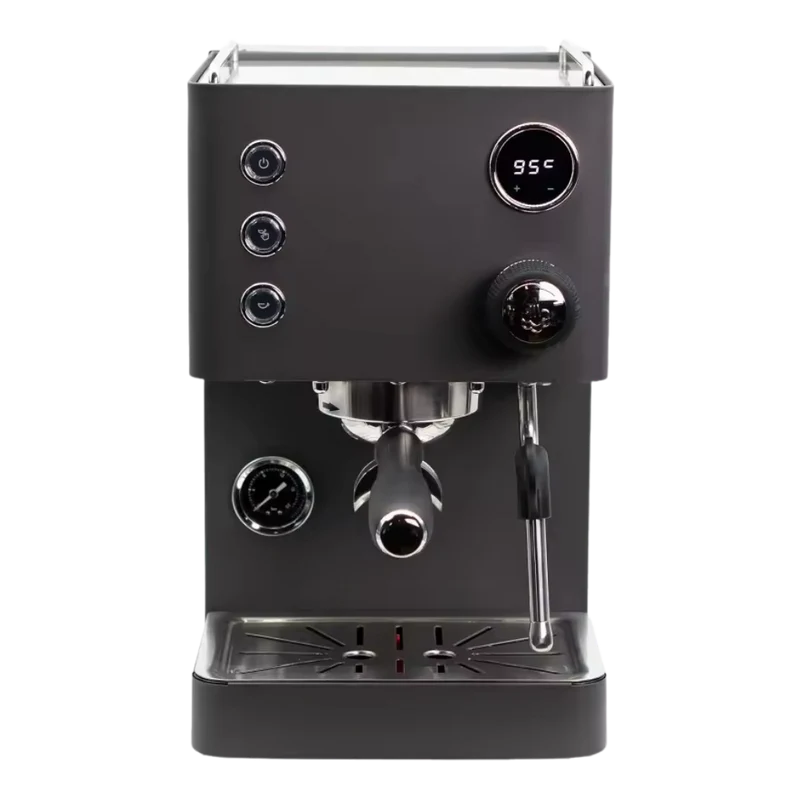
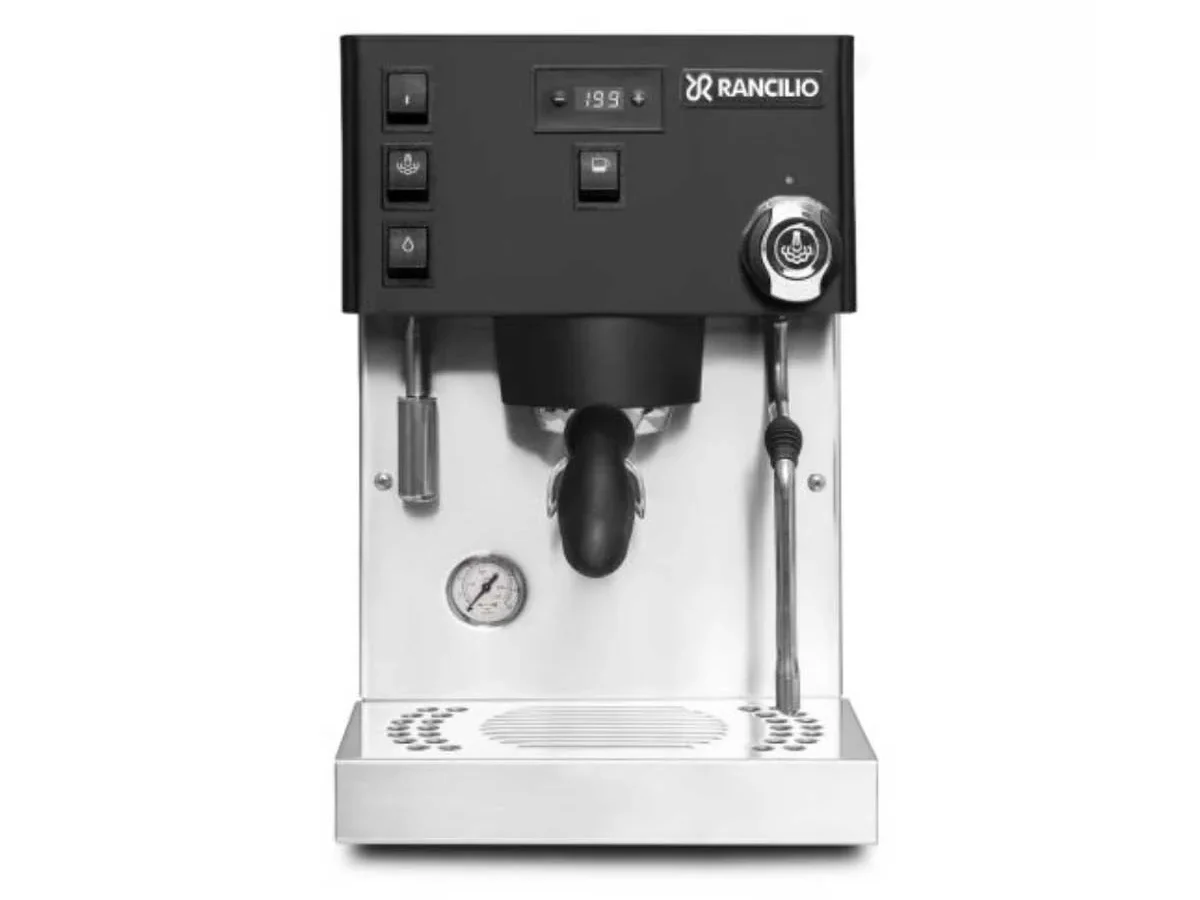
The Turin Legato uses a thermocoil with PID for consistent temperature, while the Rancilio Silvia features a traditional single boiler design. The Legato offers better temperature stability and workflow efficiency, but the Silvia provides more hands-on control and is easier to modify. Choose the Legato if you want convenience and consistency, or the Silvia if you prefer traditional espresso-making and potential for upgrades.
In this article, we’re going directly at the specs, the real-world performance, the workflow differences, and the total cost of ownership. We’ve pulled from hands-on testing, community feedback, and technical documentation to give you a comparison that actually helps you make a decision — not just a side-by-side table that leaves you more confused than when you started.
Frequently Asked Questions
Which machine is better for beginners, Turin Legato or Rancilio Silvia?
The Turin Legato is better for beginners due to its PID temperature control and thermocoil design. The PID controller eliminates the guesswork involved in temperature management, automatically maintaining optimal brewing temperature without the temperature surfing required by the Silvia. The Rancilio Silvia, while excellent, requires more skill to master its single boiler system and manual temperature control, making it more suitable for users who want to develop hands-on espresso skills.
How do the heating systems compare between Turin Legato and Rancilio Silvia?
The Turin Legato uses a thermocoil system with PID control for faster heat-up and consistent temperature, while the Rancilio Silvia uses a traditional brass boiler system. The Legato’s thermocoil heats up in about 2-3 minutes and maintains precise temperature control, whereas the Silvia’s boiler takes 8-10 minutes to reach brewing temperature but offers superior thermal mass and traditional espresso machine feel. The Silvia requires temperature surfing (timing shots with heating cycles) while the Legato maintains consistent temperature automatically.
What are the main workflow differences between these machines?
The Turin Legato offers a more streamlined workflow with simultaneous brewing and steaming capability, while the Rancilio Silvia requires switching between brew and steam modes. With the Legato, you can steam milk immediately after pulling a shot without waiting for temperature changes, making it ideal for milk-based drinks. The Silvia’s single boiler design means you must wait for the boiler to heat up for steaming after brewing, then cool down before brewing again, creating a more traditional but time-consuming workflow.
Which machine has better build quality and durability?
Both machines offer excellent build quality, with the Rancilio Silvia having a slight edge in long-term durability due to its simpler mechanical design and brass boiler construction. The Silvia is known for lasting decades with proper maintenance and has widespread service support globally. The Turin Legato features modern construction with quality components, but its electronic PID system and thermocoil design introduce more complex components that could require service over time. Both machines use quality internal components and stainless steel construction.
How do the prices compare and what’s the value proposition?
The Turin Legato and Rancilio Silvia are priced similarly in the $600-800 range, but offer different value propositions. The Legato provides better value for users wanting convenience and consistency, with its PID control and faster workflow eliminating the need for immediate upgrades. The Silvia offers better value for enthusiasts who plan to modify their machine, as it’s highly upgradeable with popular PID kits, better steam wands, and other modifications. Consider your long-term plans: the Legato is ready to use as-is, while the Silvia becomes exceptional with upgrades.
Can you upgrade and modify these machines?
The Rancilio Silvia has significantly more modification options than the Turin Legato, with a huge aftermarket support community. Popular Silvia modifications include PID controllers, pressure gauges, upgraded steam wands, and even dual boiler conversions. The Turin Legato has limited modification potential due to its integrated design and newer market presence, though basic upgrades like portafilter and steam wand improvements are possible. If you enjoy tinkering and gradually improving your machine, the Silvia is the clear choice for modification potential.
Which machine produces better espresso quality?
Both machines can produce excellent espresso quality when operated properly, with the main difference being consistency and ease of achieving optimal results. The Turin Legato’s PID control ensures more consistent extraction temperatures, making it easier to achieve repeatable results shot after shot. The Rancilio Silvia can produce equally excellent espresso but requires more skill in temperature management and timing. In skilled hands, both machines produce café-quality espresso, but the Legato delivers consistent results with less operator intervention.
What about maintenance and cleaning requirements?
Both machines require similar basic maintenance including regular descaling and cleaning, but the Rancilio Silvia has simpler maintenance requirements due to its mechanical design. The Silvia needs descaling every 2-3 months and basic cleaning of the group head and portafilter, with widely available parts and service documentation. The Turin Legato requires a similar descaling frequency, but its electronic components need more careful handling during maintenance. Both machines benefit from daily backflushing and weekly deep cleaning, with the Silvia having slightly lower long-term maintenance complexity.
Turin Legato vs Rancilio Silvia: Core Specs Head-to-Head
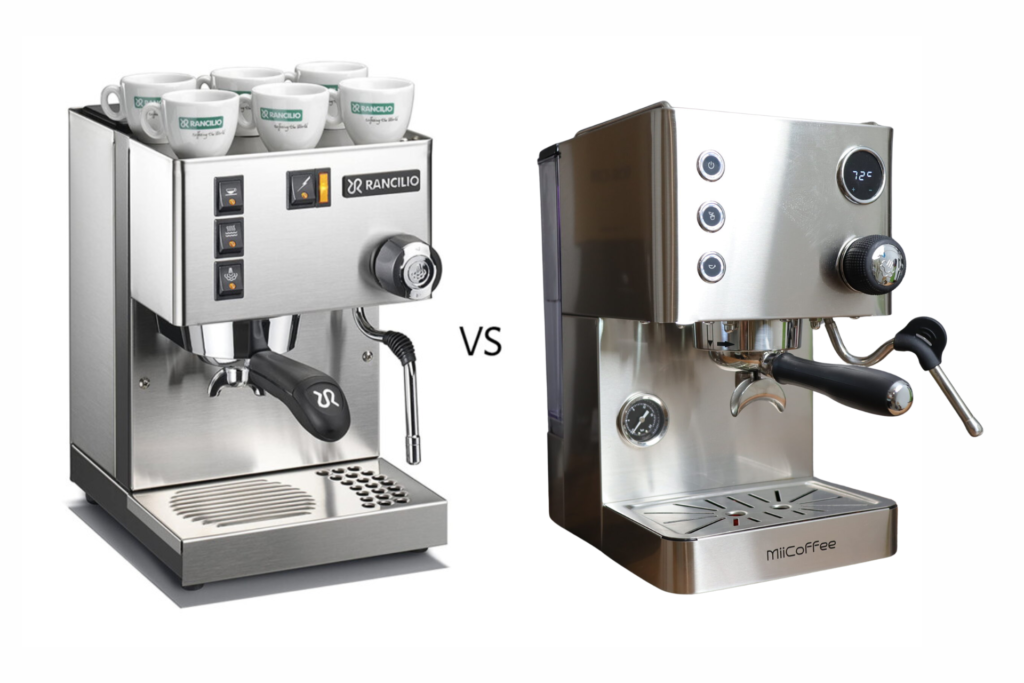
Let’s start with the raw numbers, because specs tell you a lot about where each machine sits philosophically as much as technically.
Boiler Design and Temperature Stability
The Turin Legato uses a thermocoil heating system paired with a PID controller, which gives you precise shot-to-shot temperature stability right out of the box. You’re looking at brew temperatures that stay within ±1°C of your target — a meaningful advantage for consistency. The Rancilio Silvia, in its base configuration, uses a single brass boiler without a built-in PID, which means temperature surfing is a real skill you’ll need to develop.
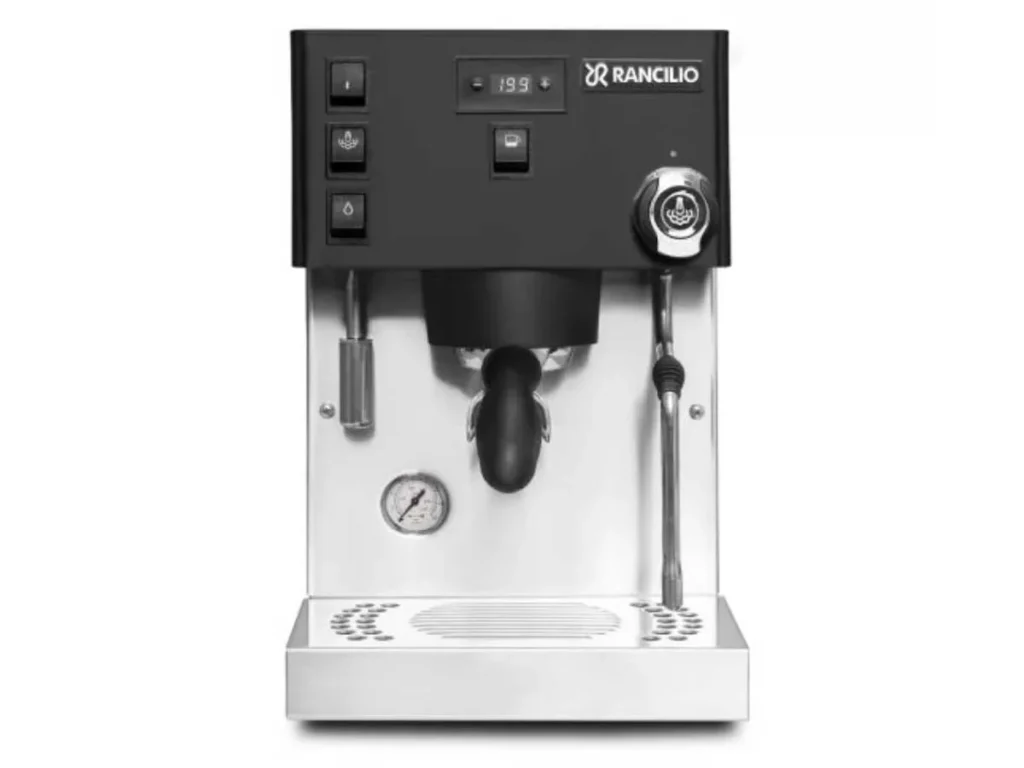
The Silvia Pro and Silvia Pro X versions do include dual boilers and PID control, but those versions jump significantly in price. For this comparison, we’re primarily referencing the standard Silvia — the version most buyers are actually cross-shopping against the Legato. If you want Silvia-level build quality with modern temperature management, you’re paying more, period.
Pump Pressure and Shot Consistency
Both machines use a vibratory pump rated at 15 bars of maximum pressure, though actual brew pressure at the group head runs closer to 8.5–9 bars during extraction, which is exactly where you want it. The Turin Legato includes a built-in OPV (over-pressure valve) that’s pre-set from the factory at 9 bars, making it immediately usable without modification. The Rancilio Silvia’s OPV is adjustable but requires a manual intervention to dial it back from its factory setting of around 11–12 bars — a tweak that serious home baristas almost always perform.
| Feature | Turin Legato | Rancilio Silvia |
|---|---|---|
| Boiler Type | Thermocoil | Single Brass Boiler |
| PID Included | Yes (built-in) | No (aftermarket required) |
| Max Pressure | 15 bar pump / 9 bar OPV | 15 bar pump / ~11–12 bar OPV stock |
| Warm-Up Time | ~4–5 minutes | ~15–20 minutes (temperature stable) |
| Steam Wand | Single-hole tip | Single-hole tip (commercial-style wand) |
| Approximate Price (2026) | $350–$450 | $750–$850 |
Which Machine Pulls Better Espresso Out of the Box?
This is the question that actually matters to most buyers. The turin legato vs rancilio silvia comparison gets interesting here because the two machines tell very different first-day stories.
The Turin Legato’s Plug-and-Play Advantage
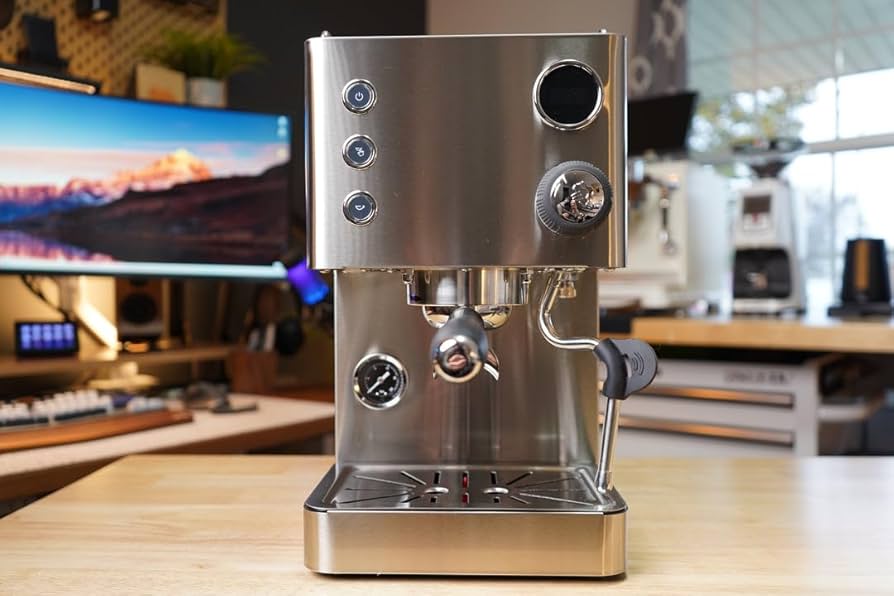
The Legato was designed for the modern home barista who wants to start pulling quality shots without deep technical knowledge. With the PID set and the OPV factory-calibrated, your biggest variable on day one is grind size and dose — which is how it should be. You can be pulling genuinely excellent espresso within the first hour of ownership, assuming you’re using a capable grinder. Speaking of which, pairing it with a quality burr grinder makes a massive difference — the Turin grinder review covers their in-house grinder options, which are worth considering as a matched pair.
Heat-up time is a genuine practical advantage too. Four to five minutes versus 15–20 minutes might sound minor until it’s 6:30 AM and you need to get out the door. That’s real quality-of-life difference over thousands of mornings.
The Rancilio Silvia’s Learning Curve Dividend
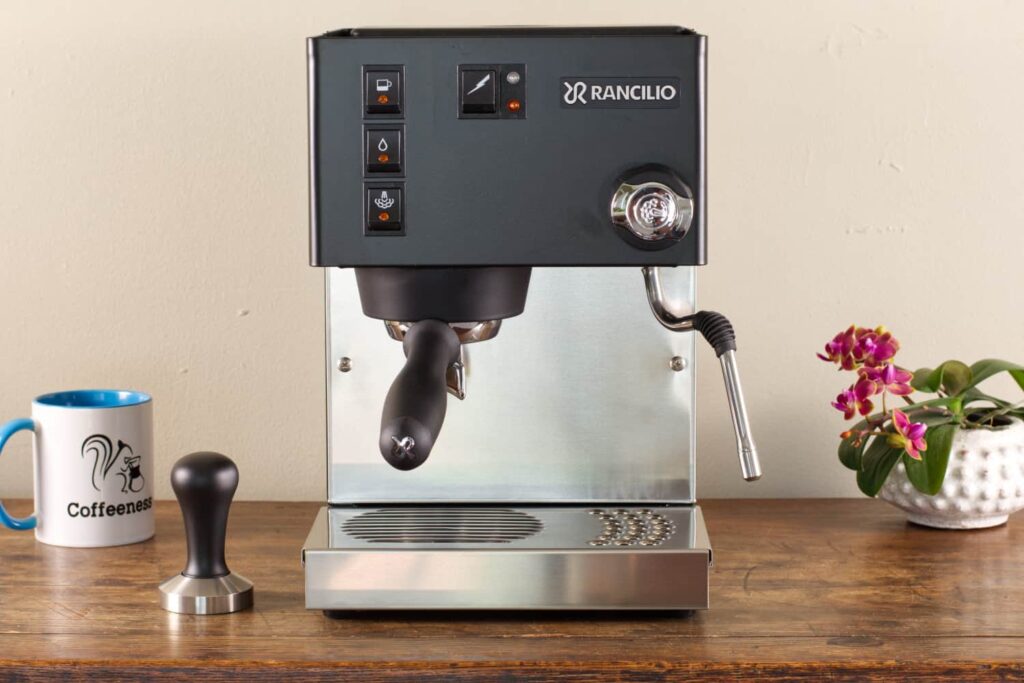
The Silvia rewards patience and technique. Pulling great shots on an unmodified Silvia requires understanding the boiler’s thermal behavior — you flush, you wait, you time your shots around the machine’s heating cycles. It sounds tedious, but many Silvia owners will tell you that this process made them better baristas. There’s a reason the Silvia has been a cornerstone of the home espresso community for over two decades.
Once you add a PID (budget around $150–$200 for a quality aftermarket unit like the Auber Instruments PID), the Silvia transforms into a remarkably capable machine. The commercial-grade build quality, the stainless steel chassis, and the oversized commercial group head all contribute to longevity and shot quality that punches well above what the base price suggests. You can read more about how Turin machines stack up against other premium brands in our Turin Espresso vs La Marzocco comparison to see where the industry benchmarks sit.
Build Quality, Longevity, and Repairability
In the turin legato vs rancilio silvia conversation, build quality is where the Silvia has historically held a clear edge. This is changing as Turin matures as a brand, but it’s still worth examining honestly.
Materials and Construction
The Rancilio Silvia’s stainless steel body, brass boiler, and commercial-derived components give it a tank-like durability reputation. There are Silvia units from 2005 still pulling daily shots — that kind of longevity is remarkable in any consumer appliance. The group head is a commercial-style design that uses standard Rancilio commercial parts, making sourcing components straightforward even years down the line.
The Turin Legato uses a mix of stainless and plastic internal components, which is common at its price point and not necessarily a problem in practice. Turin’s warranty support has improved considerably and their parts availability has grown with their market presence. It’s a younger machine from a younger brand, and some of that long-term durability data simply doesn’t exist yet — that’s an honest limitation worth acknowledging.
Maintenance and Serviceability
Both machines are backflushable with blind baskets and standard cleaning tablets. The Silvia’s simpler internal design makes DIY repairs accessible — there are decades of forum threads, YouTube tutorials, and replacement parts supporting it. According to Rancilio’s official product page, the Silvia is built to commercial standards, and that philosophy extends to its serviceability philosophy. The Legato is also user-serviceable but with less community documentation simply due to its shorter market history.
Steaming Milk: A Real-World Comparison
For latte and cappuccino drinkers, steam performance is critical — and the turin legato vs rancilio silvia difference here is meaningful.
Steam Power and Wand Ergonomics
The Rancilio Silvia’s steam wand is legendary in home espresso circles. It produces dry, powerful steam that can texture milk quickly and consistently, which is why latte art enthusiasts gravitate toward it. The commercial-style ball-joint wand gives you full articulation and the ability to position the pitcher exactly where you need it. Steam-to-shot workflow does require switching the boiler to steam mode and waiting — a 30–45 second delay that’s built into the machine’s single-boiler design.
The Turin Legato’s steam performance is solid for its price tier. The steam is slightly wetter and less powerful than the Silvia’s, which can be limiting when you’re trying to produce the tight microfoam needed for detailed latte art. For everyday cappuccinos and lattes, it performs well. For baristas who want to develop serious milk-texturing technique, the Silvia’s steam advantage is real and worth factoring into your decision.
Total Cost of Ownership: What You Actually Spend

The sticker price comparison between the turin legato vs rancilio silvia is straightforward — the Legato wins on upfront cost by $300–$400. But the total cost of ownership over three to five years tells a more nuanced story.
Upgrade Costs and Accessories
A stock Silvia, to perform at its potential, needs at a minimum a PID controller ($150–$200) and an OPV adjustment. That closes much of the price gap immediately. The Legato requires no such modifications — it’s ready to perform at spec from day one. Factor in consumables (baskets, portafilter accessories, cleaning supplies), and both machines are roughly equivalent on ongoing costs.
Long-term value is harder to quantify but important. A well-maintained Silvia retains resale value exceptionally well — the used market is robust, and prices hold. Turin machines are building a similar reputation, though the resale market is thinner simply due to lower total units in circulation. Those considering whether the value proposition makes sense should read our piece on Turin Espresso Machines Worth It for a deeper look at the brand’s overall value proposition.
Energy Consumption
Both machines draw around 1000–1200 watts at peak heating. The Legato’s faster heat-up time means less total energy consumed per session. The Silvia, held at temperature for 15–20 minutes before pulling a shot, uses more cumulative energy — a minor but real cost over years of daily use. Home-Barista’s comprehensive Silvia review documents this thermal behavior in detail if you want to dig into the specifics.
Who Should Buy the Turin Legato?
The Legato is the right machine if you want consistent, quality espresso with minimal friction. You value modern technology, fast startup, and a machine that’s calibrated out of the box. You’re not looking to become a machine technician — you’re looking to become a better barista. At its price point, it’s genuinely hard to beat for plug-and-play performance.
It’s also the right choice if budget is a real consideration. Saving $300–$400 upfront and putting some of that toward a better grinder is often the smarter move — the grinder matters more to shot quality than almost any other variable.
The broader espresso equipment guides from Espresso Parts support this grinder-first philosophy consistently.
Who Should Buy the Rancilio Silvia?
The Silvia is for the home barista who’s in it for the long game. You want a machine that will last a decade or more, that you can repair yourself, and that rewards skill development. You’re comfortable adding a PID and adjusting the OPV. You might want to develop great milk-texturing skills. You see the machine as a craft tool, not just an appliance.
The Silvia is also a cultural choice in some ways — it’s been the machine that serious home espresso hobbyists have cut their teeth on for 25+ years. There’s an enormous community, parts ecosystem, and knowledge base behind it that no newer machine can match. That ecosystem has real value.
Frequently Asked Questions
Is the Turin Legato good enough for a serious home barista?
Yes, the Turin Legato is absolutely capable of producing café-quality espresso. Its built-in PID and factory-calibrated OPV give you a solid technical foundation. Serious home baristas who pair it with a quality burr grinder and develop their technique will pull excellent shots consistently. It’s a capable machine that doesn’t require modification to perform well.
Does the Rancilio Silvia need a PID to pull good espresso?
Not strictly, but a PID makes the Silvia dramatically easier to use consistently. Without one, you’ll need to master temperature surfing — flushing the group at precise intervals to hit ideal brew temperature. Many experienced baristas manage this well, but for most home users, a PID upgrade ($150–$200) transforms the Silvia into a much more user-friendly machine worth the added investment.
Which is easier for beginners, the Turin Legato or Rancilio Silvia?
The Turin Legato is significantly more beginner-friendly. Its PID, factory OPV setting, and fast heat-up time remove several technical barriers that the standard Silvia presents. Beginners can focus on dialing in grind and dose rather than managing boiler temperature cycles. The Silvia has a steeper learning curve that rewards patience but can frustrate users expecting immediate consistent results.
How does the steam performance compare between turin legato vs rancilio silvia?
The Rancilio Silvia produces drier, more powerful steam — a clear advantage for milk texturing and latte art. The Turin Legato steams adequately for everyday drinks but produces slightly wetter steam with less power. For casual latte drinkers, the Legato is sufficient. For baristas focused on developing precise microfoam and latte art technique, the Silvia’s steam is noticeably superior.
Which machine holds its resale value better?
The Rancilio Silvia holds resale value exceptionally well — used units from 2015 still command $400–$500 in good condition. The Turin Legato is newer to market with a thinner resale ecosystem, though demand is growing. If long-term resale value matters to your purchasing decision, the Silvia’s decades-long track record in the used market gives it a clear, documented advantage over the Legato.
Final Thoughts
The turin legato vs rancilio silvia comparison ultimately comes down to what kind of home barista you are — or want to become. The Legato offers modern technology, immediate usability, and genuine value at a lower price point. The Silvia offers durability, community, craft, and long-term payoff for those willing to invest time and a few extra dollars in setup. Neither is a wrong choice, but they’re right for different people.
If you want to skip the learning curve and start pulling quality shots from day one, the Turin Legato wins the turin legato vs rancilio silvia matchup for your needs. If you’re building a long-term espresso practice and want a machine that grows with you for a decade or more, the Silvia’s investment starts to make a lot of sense. The best machine is always the one that matches your actual lifestyle — not just your aspirational barista identity.
The turin legato vs rancilio silvia debate won’t have a universal answer, but now you have the information to make the right call for your kitchen, your workflow, and your coffee goals in 2026.