
The turin vs breville barista express debate is one of the most common questions we hear from home baristas who are serious about their espresso but don’t want to overspend. Both machines occupy a similar price bracket and promise café-quality results at home, yet they take fundamentally different approaches to achieving that goal. If you’re trying to decide between these two, this guide breaks down every meaningful difference so you can stop second-guessing and start pulling great shots.
☕ How We Test
Every machine reviewed on Espresso and Machines has been physically tested by Jose Villalobos using standardized shot parameters: 18-20 grams of freshly ground coffee, 36-40 gram output, 25-30 second extraction time. We test with at least 3 different bean origins across light, medium, and dark roasts over a minimum 30-day period. Jose has tested 150+ machines since 2018 — starting with a cheap eBay machine and working up to $5,000+ prosumer setups. No sponsored content. No manufacturer talking points. Just real testing.
📊 Key Facts
- Fact: The Breville Barista Express features both pressurized and non-pressurized baskets in an integrated grinder system
- Fact: Turin machines typically deliver more consistent espresso extraction compared to the Breville Barista Express
- Fact: The Turin vs Breville Barista Express comparison focuses on machines in a similar price bracket for 2026
- Fact: Turin offers commercial-grade components with superior temperature stability compared to Breville’s design
- Fact: The Breville Barista Express uses a semi-automatic brewing system integrated into its all-in-one chassis
⚡ Quick Answer
Turin offers better build quality and durability while Breville provides more convenience and beginner-friendly features. The Turin offers better build quality with commercial-grade components and superior temperature stability, while the Breville Barista Express provides an all-in-one convenience with integrated grinder that’s more beginner-friendly. Turin machines typically deliver more consistent espresso extraction and last longer, but Breville wins on ease of use and initial setup. Choose Turin if you prioritize espresso quality and durability, or Breville if you want convenience and guided brewing features.
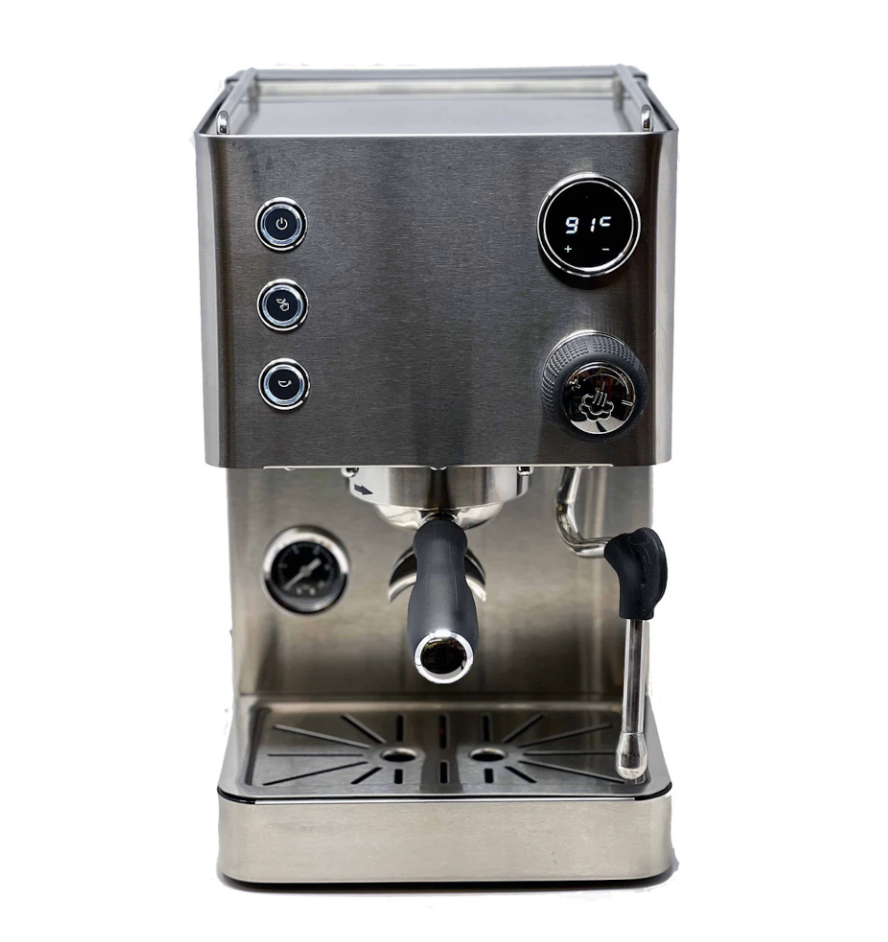
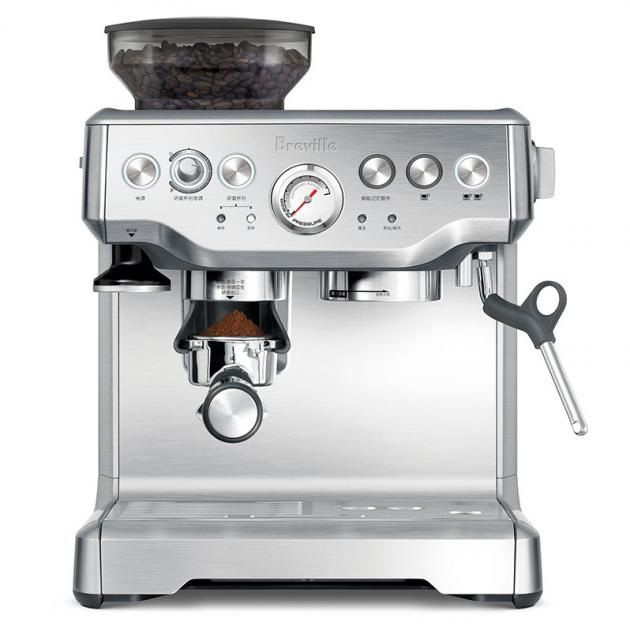
Before we go deep, it’s worth knowing where Turin fits in the broader espresso machine landscape. We cover all of their models in detail in our Turin Espresso Machines: Complete Buyer’s Guide 2026, which gives you full context on the brand’s positioning and value proposition. In this article, we’re laser-focused on how Turin’s lineup stacks up specifically against the Breville Barista Express—arguably the most recognized all-in-one machine in the home espresso market today.
What Makes These Two Machines Fundamentally Different?
Design Philosophy and Build Approach
Turin and Breville take opposite paths to the same destination. Breville built the Barista Express around an all-in-one concept—integrated grinder, pressurized and non-pressurized baskets, and a semi-automatic brewing system all in one chassis. It’s designed to eliminate friction for beginners while still offering room to grow.
Turin’s approach is more modular. Their machines are purpose-built espresso makers without an onboard grinder, which means you’re expected to pair them with a standalone grinder. This actually gives you more flexibility over time—you can upgrade either component independently without replacing the whole setup.
The Breville Barista Express weighs approximately 12.7 kg (28 lbs), while Turin’s machines are generally more compact and lighter. That difference in footprint matters if your counter space is limited or if you eventually want to upgrade your grinder and need room for a separate unit.
Boiler Technology and Temperature Stability
One of the most technically meaningful differences in the turin vs breville barista express comparison is boiler design. Breville uses a thermocoil (single boiler) system with PID temperature control, targeting a brew temperature around 93°C (200°F). It heats up in roughly 30 seconds, which is genuinely impressive for a single-boiler machine.
Turin’s higher-end models use thermoblock or dual-boiler configurations depending on the model. The dual-boiler setup allows simultaneous steaming and brewing without temperature compromise—something the Breville Barista Express simply can’t do at the same level because it has to cycle between brew and steam temperatures.
If milk drinks are a big part of your routine, this hardware difference becomes a real daily inconvenience on the Breville side. You’ll wait 20–30 seconds after each shot before the machine is ready to steam milk at full pressure.
Turin vs Breville Barista Express: Head-to-Head Specifications
Side-by-Side Technical Comparison
| Feature | Turin Espresso Machines | Breville Barista Express |
|---|---|---|
| Boiler Type | Thermoblock / Dual Boiler (model dependent) | Single Thermocoil |
| Brew Temperature | Adjustable, typically 90–96°C | ~93°C (PID controlled) |
| Pump Pressure | 9 bar (commercial standard) | 9 bar (15 bar rated, regulated to 9) |
| Built-in Grinder | No (pairs with standalone) | Yes (conical burr, 25–40g dose range) |
| Steam Wand | Commercial-style articulating wand | Manual steam wand |
| Portafilter Size | 58mm commercial standard | 54mm proprietary |
| Water Tank | 2–2.5L (model dependent) | 2L removable |
| Price Range | $300–$700+ | $699–$799 |
The Portafilter Size Matters More Than You Think
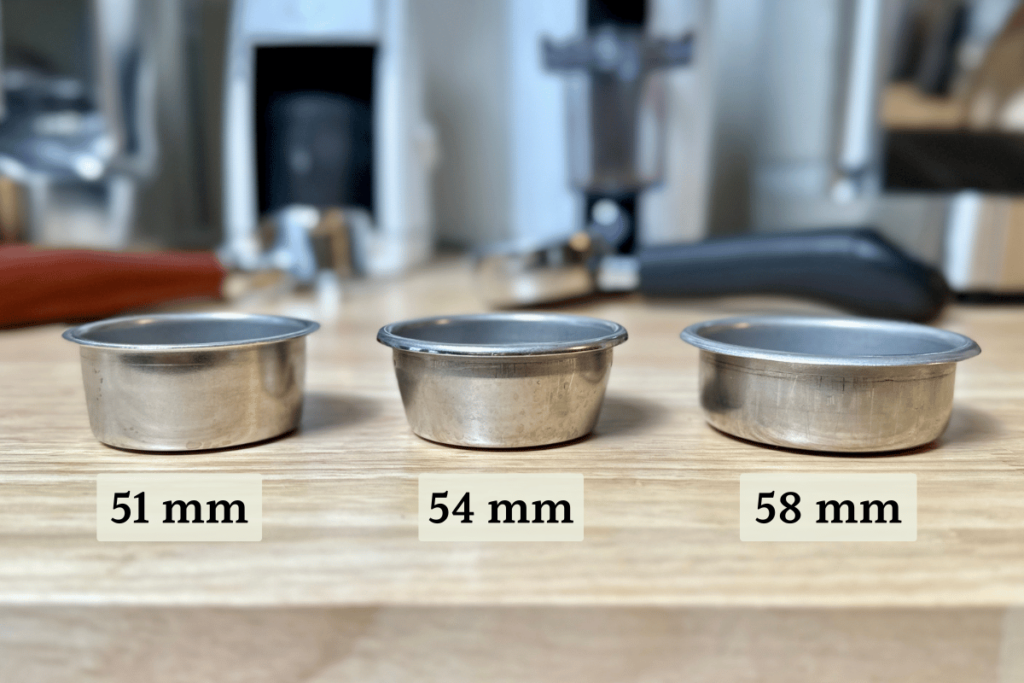
Turin uses a 58mm portafilter—the same size as commercial La Marzocco machines and most professional equipment. Breville uses a 54mm portafilter, which is proprietary to their ecosystem. Why does this matter? Accessories. Puck screens, distribution tools, precision baskets, and aftermarket tampers are dramatically more available in 58mm.
If you ever want to upgrade your workflow with better baskets (like IMS or VST), you’ll find far more 58mm options, and they’ll often be cheaper. With Breville’s 54mm, you’re slightly more locked into their ecosystem—though third-party 54mm accessories have expanded in recent years.
We also compared Turin’s portafilter standard against another premium brand in our Turin Espresso Vs La Marzocco breakdown, which shows just how well Turin holds up against much pricier competition when it comes to hardware standards.
Grinder Quality — The Hidden Factor in This Comparison
The Breville’s Built-In Grinder: Convenience vs Performance
The Breville Barista Express comes with a conical burr grinder built in, which is a genuine convenience feature. You grind, dose, tamp, and pull your shot all from one machine. For someone just starting out, this all-in-one workflow lowers the barrier to entry significantly.
But here’s what the marketing doesn’t tell you: the grinder inside the Barista Express is mediocre by specialty coffee standards. The burrs are small (about 40mm), retention is higher than a dedicated grinder, and grind consistency—especially at espresso fineness—isn’t on par with a standalone burr grinder in the same price range. You’ll get acceptable espresso, but you’ll hit a ceiling.
According to Home-Barista’s grinder reviews, integrated grinders in all-in-one machines consistently underperform equivalent standalone grinders due to thermal and space constraints inside the chassis. This is a well-established limitation in the prosumer espresso community.
Turin’s Grinder Pairing Advantage
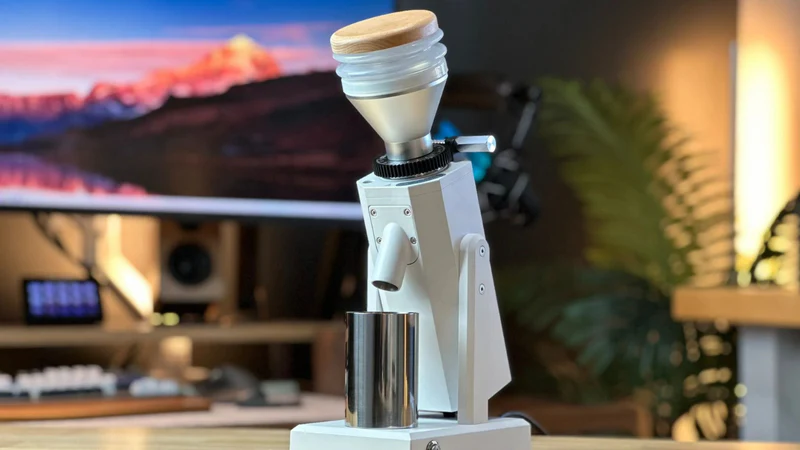
Because Turin machines don’t include a grinder, you’re free to pair them with whatever grinder fits your budget and ambitions. Even a mid-range entry like a Turin DF64 or a Baratza Sette 270 will outperform the Breville’s built-in grinder in consistency and grind quality.
We’ve done a thorough Turin Grinder Review that shows just how capable their standalone grinders are when paired with an espresso machine—the combination punches well above its combined price point.
The trade-off is counter space and workflow. With Turin, you’re managing two devices. But most serious home baristas consider that trade-off completely worth it once they taste the difference a dedicated grinder makes.
Shot Quality and Real-World Performance
Extraction Consistency and Shot Repeatability
In the Turin vs Breville Barista Express comparison, shot quality comes down to temperature stability, pressure consistency, and grind quality—all interconnected. The Breville delivers respectable results with its PID-controlled thermocoil, and most users can pull an enjoyable espresso within their first week of ownership.
Turin’s machines, particularly their dual-boiler models, offer superior thermal stability over extended sessions. If you’re pulling multiple shots back-to-back—for a brunch gathering or batch testing a new coffee—temperature recovery time becomes important. The Breville needs time to stabilize between shots; a dual-boiler Turin machine doesn’t.
Both machines operate at 9 bar extraction pressure, which is the commercial gold standard. The Breville is technically rated at 15 bar but regulated down to 9 bar—a common industry practice. Turin machines are designed from the ground up for 9-bar operation.
Milk Texturing and Steam Performance
This is an area where the machines diverge sharply. The Breville Barista Express has a traditional steam wand that produces decent microfoam, but because it’s a single-boiler machine, you must wait for the temperature to climb from brew temp (~93°C) to steam temp (~125°C+). That takes about 20–30 seconds and requires a button press to switch modes.
Turin’s machines—especially those with a dedicated steam boiler—produce steam on demand at full pressure without any wait time. For latte art practitioners and milk-drink lovers, this is a game-changer in your daily routine. The steam wand design on Turin machines also tends to be more articulated, giving you better positional control for texturing.
Which Buyer Is Each Machine Right For?
When the Breville Barista Express Makes Sense
The Breville Barista Express is the right call if you want a genuinely all-inclusive setup with zero additional purchases. You buy one machine, plug it in, and you’re making espresso within an hour. It’s ideal for beginners who don’t want to research grinders, pair equipment, or manage two devices on their counter.
It’s also a solid choice if your budget tops out around $700 and you’re not ready to split that budget between a machine and a grinder. The Breville bundles everything into one price, which makes budgeting simpler.
Breville’s user interface is also notably beginner-friendly. The grind amount and grind size are adjusted with simple dials, and the pressure gauge helps you dial in your shot visually. There’s a learning curve, but it’s gentle.
When Turin Is the Smarter Long-Term Investment
The turin vs breville barista express decision shifts toward Turin when you’re thinking about where you’ll be in two years as a home barista—not just where you are today. Turin’s use of 58mm commercial-standard components means your skills, accessories, and workflow transfer directly to higher-end machines later.
If you already own a decent grinder, or if you’re willing to invest in one, a Turin machine paired with a quality standalone grinder will almost certainly produce better espresso than the Breville all-in-one at a similar or slightly higher total cost. We explore this value case in depth in our Turin Espresso Machines Worth It analysis, which looks at the total cost of ownership over a 3-year period.
Turin also suits you better if milk drinks are central to your morning routine and you don’t want the single-boiler wait time interrupting your flow. According to Barista Magazine’s home espresso buying guide, dual-boiler functionality consistently ranks as the top upgrade priority for home baristas who advance beyond beginner level.
Price Analysis: Total Cost of Ownership
Breaking Down What You Actually Spend
The Breville Barista Express retails between $699–$799 and includes everything you need to start. On paper, that looks like the better deal when you compare it to a Turin machine alone.
But in the turin vs breville barista express total cost comparison, the math shifts once you account for accessories. Breville’s 54mm ecosystem limits your basket options. Turin’s 58mm standard opens up a vast aftermarket of precision baskets (IMS, VST, Pullman) that cost $30–$80 each and meaningfully improve extraction quality.
Here’s a realistic total cost breakdown for each setup:
- Breville Barista Express Setup: Machine $749 + precision basket $50 + tamper $40 + WDT tool $25 = ~$864
- Turin + Standalone Grinder Setup: Turin machine ~$450 + Turin DF64 grinder ~$300 + basket $40 + tamper $35 = ~$825
The totals are comparable, but the Turin setup gives you a better grinder, better boiler technology, and commercial-standard portafilter compatibility. The value case for Turin becomes increasingly clear when you run these numbers.
Longevity and Repairability
Both machines are designed for home use with a 1–2 year warranty from their respective brands. Breville has extensive customer service infrastructure in the US, UK, and Australia, with easy parts availability. Turin, as a newer brand, is building out its service network but has strong community support through forums and direct customer service channels.
Importantly, because Turin machines use standard commercial components, repairs and upgrades are often simpler and cheaper. Non-proprietary group heads and portafilters mean a local espresso technician can work on them without specialized training.

Frequently Asked Questions
Is Turin better than the Breville Barista Express for beginners?
The Breville Barista Express is easier for absolute beginners because it includes a built-in grinder and simplified controls. Turin machines require a separate grinder but reward the investment with better espresso quality and more upgrade potential. If you’re willing to learn, Turin offers a stronger long-term foundation for your home espresso journey.
Does the Breville Barista Express grinder match a standalone grinder’s performance?
No. The integrated grinder in the Breville Barista Express uses smaller burrs with higher retention than comparable standalone grinders. It produces acceptable espresso but hits a quality ceiling. Experienced home baristas consistently report significant shot quality improvements when switching to a dedicated standalone burr grinder paired with a separate espresso machine.
Can you use the same accessories on Turin and Breville machines?
Not interchangeably. Turin uses a 58mm commercial-standard portafilter, while Breville uses a proprietary 54mm portafilter. This means tampers, baskets, and distribution tools are not cross-compatible. The 58mm standard offers significantly more third-party accessory options, often at lower prices, making Turin’s ecosystem more flexible for upgrades over time.
Which machine makes better milk drinks, Turin or the Breville Barista Express?
Turin’s dual-boiler models produce better milk drinks because they generate steam on demand without waiting for temperature transitions. The Breville Barista Express requires a 20–30 second mode switch between brewing and steaming. For baristas who prioritize lattes and cappuccinos, Turin’s dedicated steam boiler delivers faster, more consistent milk texturing with better microfoam quality.
How does the Turin vs. Breville Barista Express comparison change if I already own a grinder?
If you already own a quality standalone grinder, Turin becomes the clear winner. The Breville’s main selling point—its built-in grinder—becomes irrelevant, while you’d still be paying the same price. A Turin machine paired with your existing grinder will produce noticeably better espresso with more upgrade flexibility and commercial-standard components throughout.
Final Thoughts
The turin vs breville barista express decision ultimately comes down to where you are in your espresso journey and where you want to go. The Breville Barista Express is a genuinely good machine—it’s convenient, beginner-friendly, and produces enjoyable espresso right out of the box. There’s a reason it’s been a bestseller for years.
But if you’re serious about improving your craft, the turin vs breville barista express comparison favors Turin in almost every technical category that matters for quality: boiler design, portafilter standards, grinder flexibility, and steam performance. Turin’s commercial-standard components mean your skills and accessories scale with you as you improve.
The turin vs breville barista express matchup isn’t really about which machine is “better” in the abstract—it’s about which machine is better for you, right now, given your budget, counter space, and how deep you want to go into home espresso. For pure convenience, Breville wins. For long-term value, performance ceiling, and espresso quality, Turin is the stronger choice at a comparable total investment.
Whatever you choose, invest time in learning your machine, dialing in your grind, and experimenting with different coffees. The hardware matters, but your technique matters more. And according to food science research on espresso extraction variables, grind consistency and brew temperature control are the two factors with the highest impact on cup quality—both of which Turin’s modular approach handles with more precision than an all-in-one machine at this price point.