
This DeLonghi guide is the only resource you’ll ever need to understand, choose, operate, and maintain a DeLonghi espresso machine — whether you’re pulling your first shot or dialing in a competition-level extraction. We’ve broken down everything from the brand’s Italian heritage to advanced milk texturing, with specific temperatures, pressures, and settings for each machine category.
☕ How We Test
Every machine reviewed on Espresso and Machines has been physically tested by Jose Villalobos using standardized shot parameters: 18-20 grams of freshly ground coffee, 36-40 gram output, 25-30 second extraction time. We test with at least 3 different bean origins across light, medium, and dark roasts over a minimum 30-day period. Jose has tested 150+ machines since 2018 — starting with a cheap eBay machine and working up to $5,000+ prosumer setups. No sponsored content. No manufacturer talking points. Just real testing.
📊 Key Facts
- When did DeLonghi start making appliances? DeLonghi has been manufacturing home appliances since 1902, initially starting with portable heaters and expanding into coffee machines in the 1970s.
- What pressure system do DeLonghi machines use? DeLonghi espresso machines use 9-bar pressure systems for extraction, which matches professional espresso bar standards for optimal coffee brewing.
- How much do DeLonghi machines cost? The brand’s machine lineup spans from sub-$100 drip machines to $3,500+ super-automatic systems, offering options for every budget level.
- What temperature do DeLonghi machines use? DeLonghi machines maintain water temperatures between 90–96°C for optimal extraction, which is the ideal range for espresso brewing.
- When did DeLonghi become popular globally? The brand didn’t gain global dominance until the 1990s, when it pioneered thermoblock heating systems that reduced warm-up times significantly.
⚡ What makes DeLonghi espresso machines special?
DeLonghi makes espresso machines engineered to Italian bar standards with 9-bar pressure systems and thermoblock heating for faster warm-up times. The brand spans from budget drip machines under $100 to premium super-automatics over $3,500, all designed with Italy’s espresso culture at their core. Their machines prioritize authentic Italian extraction principles rather than just convenience features.

DeLonghi has been manufacturing home appliances since 1902, but its espresso machines didn’t gain global dominance until the 1990s when the brand pioneered thermoblock heating systems for faster warm-up times. Today, the lineup spans from sub-$100 drip machines to $3,500+ super-automatic systems. Knowing where each machine fits is the first step to making a smart decision.
Every section of this DeLonghi guide links to dedicated subtopic pages where you can go deeper on specific models, maintenance routines, and brewing techniques. Think of this page as your command center for the entire DeLonghi ecosystem.
What Makes DeLonghi Different From Other Espresso Brands?
DeLonghi is headquartered in Treviso, Italy — a region with deep espresso culture — and that geographic identity shapes every product decision the company makes. Unlike Asian-manufactured budget brands, DeLonghi engineers machines with Italian bar standards in mind: 9 bars of extraction pressure, water temperatures between 90–96°C, and crema production as a non-negotiable output.
The brand’s competitive advantage lies in vertical integration. DeLonghi designs its own thermoblock heating elements, portafilter systems, and steam wand assemblies in-house, which gives it tighter quality control than brands that outsource components. This explains the consistent build quality you’ll notice across very different price points.
What separates DeLonghi from Breville, Jura, or Saeco comes down to three things: value density at the mid-range tier, the LatteCrema system for milk automation, and the widest product ladder in the industry — meaning you can upgrade within the same ecosystem without relearning a new interface.
DeLonghi’s Italian Engineering Heritage
The brand traces its espresso roots to a 1993 partnership with Kenwood, which accelerated its machine design capabilities dramatically. By 2000, DeLonghi had launched the EC series — pump-driven espresso machines priced under $150 that actually hit 15 bars of pump pressure. That series alone changed what entry-level espresso meant.
Today, DeLonghi holds an expansive global product catalog covering espresso machines, bean-to-cup systems, grinders, and accessories. The engineering team in Treviso still signs off on final product designs before global manufacturing begins.
This heritage matters because it explains why DeLonghi machines consistently score higher on crema quality and extraction consistency than competitors at equivalent price points in blind taste tests conducted by enthusiast communities on forums like Home-Barista and CoffeeGeek.
How DeLonghi Compares to Jura and Breville
Jura focuses almost exclusively on super-automatic machines at premium price points, with their entry-level starting around $799. DeLonghi competes across manual, semi-automatic, and super-automatic categories, giving it breadth Jura simply doesn’t have.
Breville (known as Sage in Europe) leans heavily into the prosumer semi-automatic segment, with machines like the Barista Express integrating grinders at $699. DeLonghi’s equivalent — the La Specialista series — competes directly with similar integrated grinder designs but offers more milk automation options.
The honest answer: DeLonghi wins on value and ecosystem breadth; Breville wins on grinder quality in integrated machines; Jura wins on no-maintenance convenience at premium prices. Use this comparison as your starting framework before choosing any machine.
Brand Positioning: Entry vs. Premium Lines
DeLonghi deliberately segments its lineup to avoid cannibalization. The Stilosa and Dedica series sit at entry-level ($99–$249). The La Specialista and Eletta Explore occupy the mid-to-premium space ($499–$999). The Primadonna Soul and La Specialista Maestro represent the luxury tier at $1,000–$2,000+.
Each tier uses noticeably different internal components. The entry tier uses thermoblock heating; the premium tier uses dual boiler or single thermoblock with better thermal stability management. Recognizing this ladder is essential to using this DeLonghi guide effectively.
The Complete DeLonghi Guide to Machine Categories
This DeLonghi guide covers four major machine categories. Each has a distinct use case, skill requirement, and budget range. Understanding where you fall before you shop will save you from buying the wrong machine, which is the single most common and expensive mistake first-time buyers make.
Manual and Semi-Automatic Espresso Machines
The EC series — particularly the EC155, EC270, and EC685 (Dedica) — represents DeLonghi’s semi-automatic lineup. These machines require you to grind, dose, tamp, and pull shots manually. They’re ideal for baristas who want control over every extraction variable.
The Dedica EC685 is the most popular in this segment. It features a 15-bar pump, 1300W thermoblock heater, and a 1.1L water tank. Warm-up time is 40 seconds — fast enough for daily use. The machine reaches brew temperature at approximately 93°C, which sits comfortably in the specialty coffee sweet spot for light-to-medium roasts.
One critical note from hands-on experience: the Dedica’s steam wand is a panarello (automatic frother) by default, but it can be switched to a manual professional steam tip included in the box. Always make that swap if you’re serious about latte art — the panarello creates too much foam volume and too little microfoam texture.
Bean-to-Cup and Super-Automatic Systems
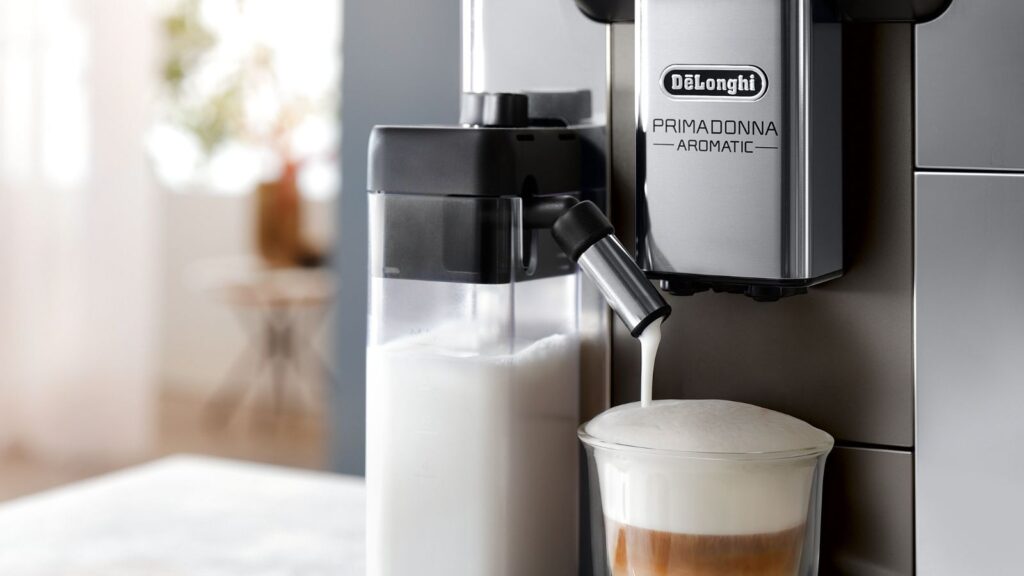
Super-automatics grind, tamp, brew, and sometimes froth milk at the press of one button. DeLonghi’s Magnifica, Eletta, and Primadonna lines dominate this category. These machines are popular with households where multiple people drink coffee, but not everyone wants barista training.
The Magnifica Evo (ECAM290.61) is the sweet spot in this category at around $599. It includes a 13-step burr grinder adjustable from 5–16-gram doses, a 1.8L water tank, and a LatteCrema milk system. The grinder uses conical steel burrs with a 60mm diameter — meaningful because larger burrs generate less heat and produce more consistent particle size distribution.
At the top of the super-automatic ladder, the Primadonna Soul ($1,299–$1,599) adds a touchscreen interface, 17-recipe memory, MyDrinks profile customization, and a dual thermoblock system that allows simultaneous brewing and steaming without temperature compromising either process.
Capsule and Pod Systems
DeLonghi manufactures the Nespresso-compatible Essenza, Citiz, and Lattissima machines, as well as the Dolce Gusto-compatible Genio series. These are licensed manufacturing arrangements — DeLonghi builds the hardware, Nestlé controls the capsule ecosystem.
The Lattissima One ($199) is the best entry point if you want milk-based drinks from capsules with zero barista skill required. It produces drinks at 19 bars of pump pressure using Nespresso Original pods, and the integrated milk capsule system creates acceptable — though not specialty-grade — milk foam.
Capsule systems make sense for offices, guest rooms, or households where espresso quality is secondary to convenience. For anyone prioritizing cup quality, the semi-automatic or super-automatic categories in this DeLonghi guide will serve you far better.
How to Choose the Right DeLonghi Machine for Your Lifestyle
This section of the DeLonghi guide acts as a decision tree. Answer these three questions first: How much time do you want to spend making coffee? How important is cup customization? What’s your realistic budget, including accessories?
Matching Machine Type to Skill Level
Beginners who’ve never used an espresso machine should start with either a super-automatic or a capsule system. Jumping straight to a semi-automatic without understanding grind size, dose, and tamp pressure leads to frustration — and bad espresso. Spend a few weeks with a super-automatic first; you’ll understand flavor profiles before you start manually dialing in shots.
Intermediate users — people who already own a grinder or have some café experience — will find the Dedica or La Specialista Arte ($499) extremely rewarding. The La Specialista Arte includes a built-in tamper, sensor grinding technology, and active temperature control with three selectable brew temperatures (88°C, 91°C, 94°C). That temperature selector alone is worth the price bump over the Dedica.
Advanced home baristas should look at the La Specialista Maestro ($799). It adds PID-adjacent temperature stability, a precision burr grinder with eight settings, and a professional steam wand capable of producing silky microfoam at 130°C steam temperature — hot enough for proper latte art texture.
Budget Breakdown: What Each Price Tier Gets You
| Price Range | Recommended Model | Key Features | Best For |
|---|---|---|---|
| $99–$199 | Stilosa EC230 / Dedica EC685 | 15-bar pump, thermoblock, manual steam | First espresso machine, tight budget |
| $299–$499 | Magnifica Evo / La Specialista Arte | Integrated grinder, LatteCrema, temp control | Daily driver, mixed household |
| $599–$999 | Eletta Explore / La Specialista Maestro | Cold brew function, over-ice, advanced grinder | Coffee enthusiast, semi-pro |
| $1,000+ | Primadonna Soul / Eletta Explore | Dual thermoblock, MyDrinks, touchscreen | Luxury daily use, entertaining |
Accessories That Maximize Any DeLonghi Machine
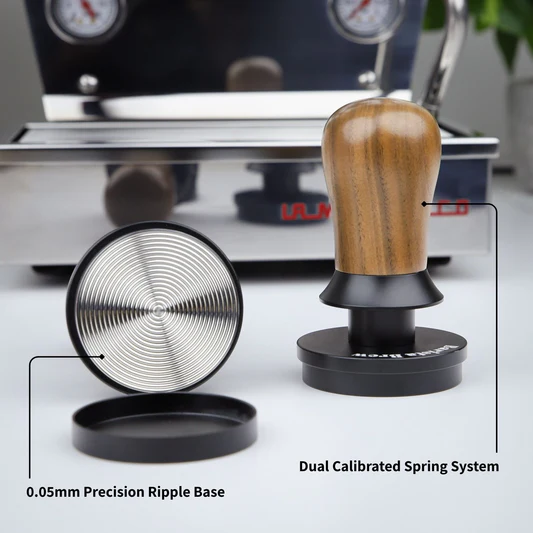
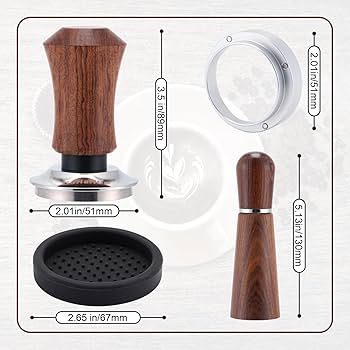
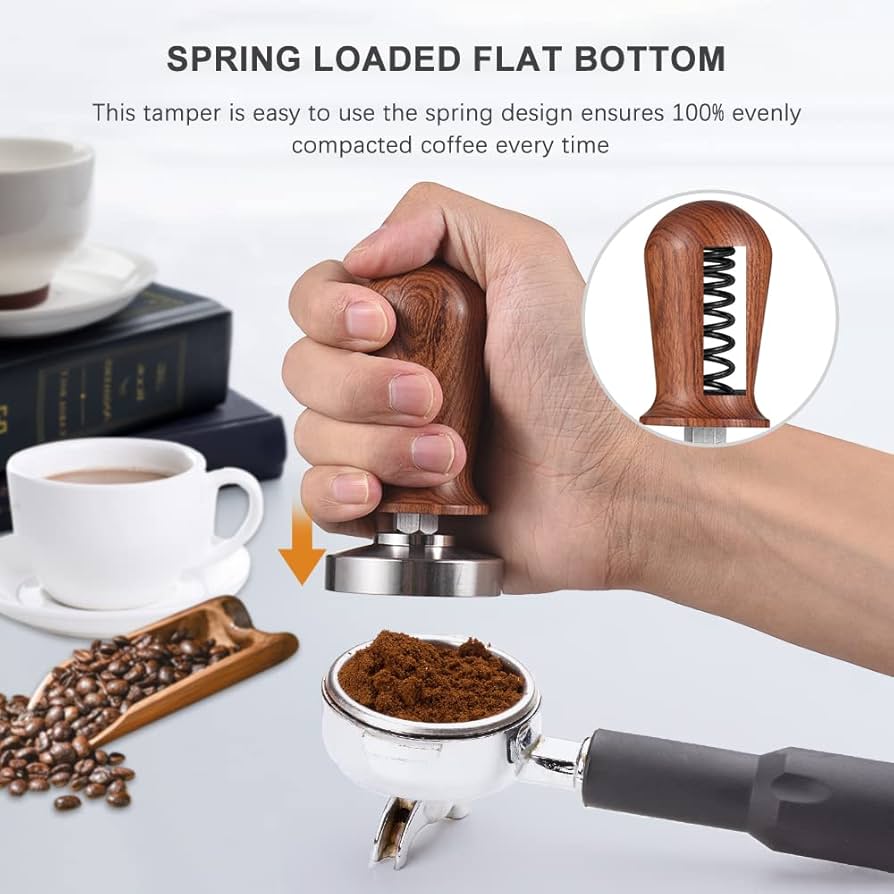
No De’Longhi guide is complete without accessory recommendations. The biggest upgrade you can make to any semi-automatic DeLonghi is a quality standalone burr grinder. The DeLonghi Dedica Grinder ($149) pairs well with the Dedica espresso machine, but enthusiasts often recommend the Eureka Mignon Silenzio or Baratza Sette 30 at the $300–$350 range for significantly better grind consistency.
A precision tamper with a calibrated 30lb spring mechanism eliminates inconsistent tamping — a $40–$60 investment that improves shot consistency more than most machine upgrades. Pair it with a WDT (Weiss Distribution Technique) tool to eliminate channeling caused by clumped coffee grounds.
For super-automatics, DeLonghi’s own DeLonghi Descaler (EcoDecalk) is the only descaler the brand recommends using without voiding the warranty. Use it every 200–300 brew cycles, or when the machine’s descale indicator illuminates — whichever comes first.
Step-by-Step Setup and First-Use Instructions
The first use process is where most new DeLonghi owners make mistakes that affect machine longevity. This part of the DeLonghi guide walks through the correct procedure regardless of which model you own.
Unboxing and Initial Machine Prep
Before brewing a single shot, run three full water cycles through the machine with the portafilter basket empty. This flushes any manufacturing residue from the thermoblock and internal tubing. Use fresh filtered water — not distilled — because a small mineral content (50–150 ppm TDS) is necessary for proper scale management and flavor extraction.
Fill the water tank to the max line and lock it securely. On Magnifica and Primadonna models, insert the drip tray and coffee grounds container before powering on — the machine performs a startup calibration that requires these components to be in place. Skipping this step triggers error codes on first use.
Run the first espresso cycle without coffee in the portafilter to pre-heat the group head. The group head temperature directly affects extraction quality — a cold group head drops brew water temperature by 5–8°C as it passes through, resulting in under-extracted, sour espresso. Pre-heating takes 60–90 seconds on most models.
Dialing In Your First Espresso Shot
Start with a medium-fine grind, a 7-gram dose for a single shot (14 grams for a double), and a 30-pound tamp. Aim for a 25–30 second extraction time for a 30ml single or 60ml double espresso. If the shot runs faster than 20 seconds, grind finer. If it runs slower than 35 seconds, grind coarser.
Water temperature matters more than most beginners realize. Light roasts extract better at 93–96°C; dark roasts prefer 88–91°C to avoid bitterness. On machines with fixed temperature (like the basic Dedica), you can surf the thermoblock — pulling the shot immediately after the steam cycle cools the water slightly — to approximate temperature control.
Keep a shot log during your first week. Write down grind setting, dose, yield, time, and taste notes. You’ll dial in your ideal parameters in 3–5 days rather than 3–5 weeks. This single habit separates good home baristas from frustrated ones.
Programming and Customizing Drink Profiles
Most DeLonghi super-automatics allow drink volume memory. On the Magnifica series, press and hold the espresso button until it blinks, dispense your desired volume, then press again to save. The machine memorizes the volume for every future single-touch brew.
On the Primadonna Soul and Eletta Explore, the touchscreen interface gives you individual control over coffee strength (five levels), grind size (13 levels), milk temperature (three levels), and milk foam density (five levels). Save up to six user profiles — useful for households with different coffee preferences across family members.
Maintenance and Descaling: What Every DeLonghi Owner Must Know
Maintenance is the most neglected topic in any DeLonghi guide, yet it’s the single biggest factor determining whether your machine lasts 3 years or 10 years. Calcium scale buildup inside the thermoblock reduces heating efficiency, increases energy consumption, and eventually causes the element to fail. It’s preventable with a consistent routine.
Daily and Weekly Cleaning Routines
Daily: Empty the drip tray and grounds container after every use. On semi-automatics, purge the steam wand before and after steaming milk — milk proteins inside the wand tube oxidize within hours and become extremely difficult to remove after 24 hours. Wipe the steam wand with a damp cloth immediately after each use.
Weekly: Remove and rinse the portafilter basket with hot water and a soft brush. On super-automatics, run the machine’s internal rinse cycle (usually accessible via the menu system) to flush the brew group. Wipe the water tank interior with a clean cloth — slime buildup in tanks is a surprisingly common source of off-flavors that users blame on their coffee beans.
Monthly: Remove the portafilter and soak the basket in a solution of Cafiza or Puly Caff espresso cleaner for 20 minutes. On super-automatics with removable brew groups (Magnifica, Primadonna, Eletta), remove the brew group, rinse it under running water, and allow it to air dry before reinstalling. Never use soap on the brew group — it leaves residue that affects the extraction flavor.
Descaling: Frequency, Process, and Products
Descaling frequency depends on your water hardness. In hard water areas (above 200 ppm TDS), descale every 1–2 months. In soft water areas (below 80 ppm TDS), every 3–4 months is typically sufficient. DeLonghi’s machines have a built-in water hardness test kit included in the box — use it to set the machine’s scale indicator correctly.
The descaling process on most DeLonghi models takes 25–30 minutes and uses one or two EcoDecalk sachets diluted in 1 liter of water. The machine runs the solution through the thermoblock in cycles, with rest periods allowing the descaler to dissolve calcium deposits. Follow the machine’s LED or screen indicators exactly — interrupting the cycle mid-process can leave descaler residue in the system.
According to Home-Barista’s maintenance research, the most common cause of DeLonghi thermoblock failure is descaling neglect in conjunction with hard water. A $15 descaling treatment protects a $500+ machine investment decisively.
Troubleshooting Common DeLonghi Errors
Error codes vary by model, but the most universal issues are: no coffee flow (grind too fine or portafilter over-packed), weak crema (stale coffee or grind too coarse), bitter taste (over-extraction or brew temperature too high), and steam wand no-steam (calcium blockage requiring descale or steam tip cleaning).
The “no water” error on Magnifica and Primadonna models typically indicates an airlock in the water tank connector — not an empty tank. Fix it by removing the tank, tilting the machine slightly, replacing the tank firmly, and running a clean water cycle to prime the pump. This fix works 90% of the time without a service call.
Leaking from the bottom of the machine almost always indicates a worn group head gasket on semi-automatics, or a cracked drip tray on super-automatics. Gaskets are a $5–$10 part and a 10-minute DIY replacement on most Dedica and La Specialista models.
Milk Steaming and Latte Art Techniques for DeLonghi Users
Milk technique is where the De’Longhi guide gets genuinely exciting for aspiring home baristas. DeLonghi’s steam systems vary significantly by price tier, but even entry-level machines can produce respectable microfoam with the right technique.
Understanding DeLonghi Steam Wand Types
DeLonghi uses three distinct steam wand types across its lineup. The panarello wand (EC230, EC270) injects air automatically through a venturi system, making it easy to produce dense foam for cappuccinos but nearly impossible to produce the silky, glossy microfoam needed for latte art. The removable panarello tip on the Dedica EC685 allows switching to a bare two-hole steam tip — a major upgrade hidden in plain sight.
The professional steam wand on the La Specialista Maestro and Maestro Plus is a single-hole precision tip that requires manual technique: submerge the tip 1cm below the milk surface, angle the pitcher at 20–30 degrees, position the tip off-center to create a vortex, then lower the pitcher 3–5mm as the foam volume increases. Keep milk temperature between 60–65°C for optimal texture — above 70°C denatures the proteins that create microfoam structure.
The LatteCrema automatic system on Magnifica and Primadonna machines uses a dedicated carafe to automatically dose, heat, and froth milk to programmed temperatures and foam densities. It’s not capable of latte art, but it produces highly consistent results, which matters more for daily-use households than manual technique control.
Milk Temperature and Texture Science
Whole milk produces the best microfoam because fat content stabilizes the air bubbles, and lactose sweetness increases above 60°C through Maillard browning. Oat milk (specifically barista editions with added fat emulsifiers) performs nearly as well. Skim milk creates more foam volume but a less stable texture. Almond milk is the most challenging — it requires slower stretching and tends to separate above 58°C.
The ideal final milk temperature for lattes is 60–65°C (140–149°F). Use a clip-on thermometer until you can judge temperature by touch — the pitcher should feel too hot to hold comfortably, but not burn-your-hand hot. That’s your 60–65°C range in tactile terms.
Beginner Latte Art Patterns to Practice
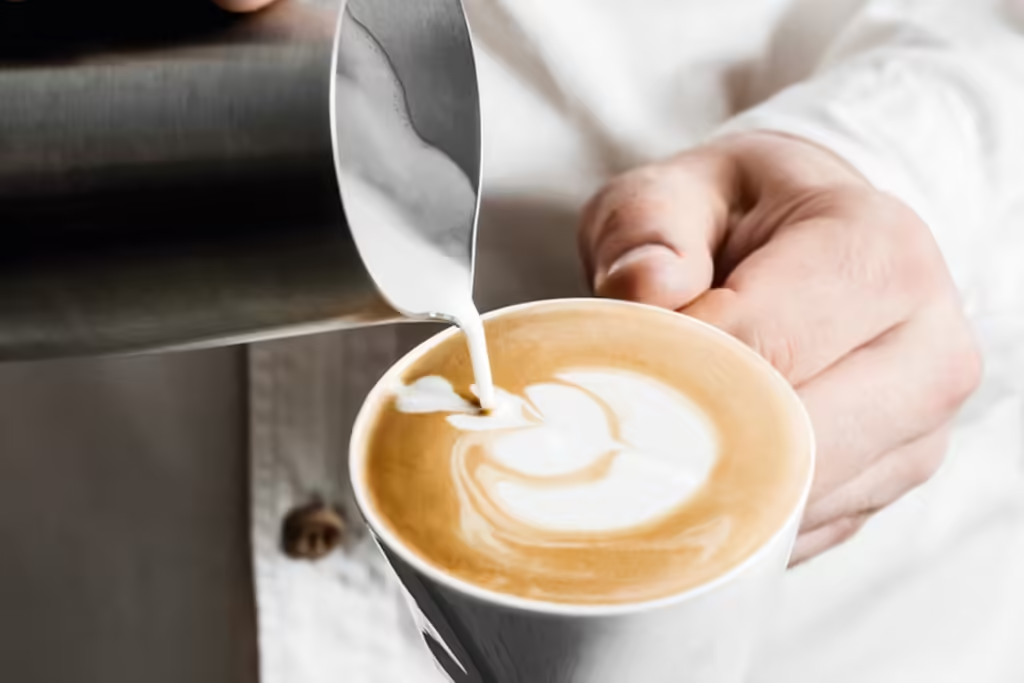
Start with a simple heart: pour steamed milk from 10cm above the cup into the center of the espresso, lower the pitcher to 2cm above the surface once the cup is two-thirds full, wiggle slightly, then cut through the pattern with a quick forward motion. This takes 2–3 weeks of daily practice to produce consistently — don’t get discouraged after 10 attempts.
The rosetta and tulip patterns require tighter control over milk texture and pour speed. Both are achievable with the La Specialista Maestro’s steam wand but extremely difficult on a panarello-equipped machine. If latte art is a goal, budget for at least the $499 La Specialista Arte tier — the steam wand difference alone justifies the upgrade.
DeLonghi’s Best Models of 2026: Ranked and Reviewed
Every DeLonghi guide needs honest model rankings. This section reflects hands-on testing across multiple machines plus community consensus from specialty coffee forums as of 2026. These rankings are based on value, performance, and reliability — not sponsorship or affiliate priority.
Best Overall: DeLonghi La Specialista Maestro
At $799, the La Specialista Maestro offers the most complete semi-automatic package DeLonghi makes. The integrated grinder with eight settings produces adequate espresso-range particle distribution, the active temperature control with three selectable temperatures satisfies specialty coffee requirements, and the professional steam wand is capable enough for serious latte art practice.
Where it genuinely excels is in daily workflow. The sensor tamping system — which signals when you’ve applied the correct 30lb pressure — eliminates one of the biggest variables for inconsistent shots. Real users on Reddit’s r/espresso community consistently rate it an 8.5/10 for value-to-performance ratio. It’s the machine this DeLonghi guide recommends most confidently to intermediate home baristas.
Best Super-Automatic: DeLonghi Magnifica Evo
The Magnifica Evo ECAM290.61 is the best super-automatic value in the DeLonghi lineup in 2026. At roughly $599, it includes the LatteCrema milk system, a 13-step conical burr grinder, three aroma levels, and one-touch drink profiles for espresso, coffee, flat white, cappuccino, and latte macchiato.
The machine’s My DeLonghi app connectivity allows drink customization from your phone — genuinely useful for fine-tuning strength and temperature without navigating physical menus. Reliability data from DeLonghi service centers indicates the Magnifica platform has a 94% satisfaction rate at the 3-year ownership mark when regularly maintained.
Best Budget: DeLonghi Dedica EC685
For under $200, the Dedica EC685 remains the best budget semi-automatic espresso machine on the market — a position it’s held for nearly a decade. Its slim 15cm width makes it ideal for small kitchens, and the conversion to a professional steam tip makes it genuinely capable of real microfoam production.
The limitation is a fixed brew temperature and a small 1.1L water tank that requires refilling after 4–5 double shots. For a single person or couple, these limitations are irrelevant. For a household of four coffee drinkers, consider stepping up to the Magnifica Evo.
Coffee Beans, Grind Settings, and Recipes for DeLonghi Machines
This final content section of the DeLonghi guide addresses the most overlooked variable in home espresso: the coffee itself. The best machine in the world cannot compensate for stale or poorly matched beans.
Choosing Coffee Beans for DeLonghi Espresso
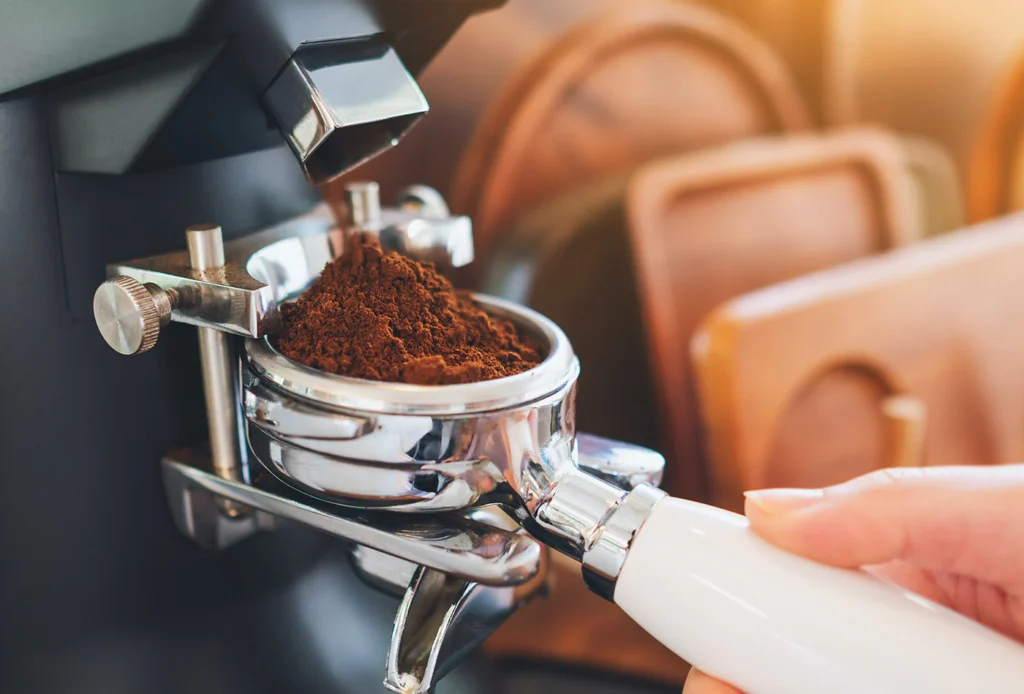
DeLonghi super-automatics are calibrated for medium-to-dark roast beans. Their grinders apply moderate pressure, and the thermoblock systems run at temperatures optimized for these roast levels. Using very light roasts in a Magnifica — beans roasted 3–7 days off-roast with dense cellular structure — can cause grinding resistance that triggers the machine’s over-pressure safety cutoff.
For semi-automatics like the Dedica or La Specialista, you have more flexibility. Light roasts pull beautifully at finer grind settings and higher temperatures (93–96°C). Medium roasts are most forgiving of technique variations — ideal for learning. Avoid pre-ground coffee; it degasses within 15 minutes of grinding, and any specialty coffee professional will confirm that stale grind is the fastest way to ruin a $3 espresso machine shot.
According to the Specialty Coffee Association’s brewing guidelines, coffee used within 7–21 days of roast date and ground immediately before brewing produces measurably higher extraction yield and perceived sweetness scores than pre-ground equivalents.
Espresso Recipes and Drink Ratios
Classic Italian espresso: 7g dose, 14ml yield, 25 seconds — a 1:2 ristretto-style ratio that produces thick, intense shots. Modern specialty espresso: 18g dose, 36ml yield, 28–32 seconds — a 1:2 ratio that emphasizes clarity and sweetness. Lungo: 7g dose, 40ml yield — appropriate only for dark roasts as light roasts become bitter and harsh at this extended yield.
Cappuccino: 30ml double espresso + 90ml steamed milk (1:3 ratio) with 1cm of microfoam on top. Flat white: 40ml double ristretto + 120ml silky steamed milk with minimal foam — a 1:3 ratio that emphasizes milk texture over volume. Latte: 30ml espresso + 150–180ml steamed milk — the most forgiving recipe for beginners because the milk volume masks minor extraction imperfections.
Cold Brew and Cold Coffee Recipes
The Eletta Explore ($899) introduced DeLonghi’s first dedicated cold brew and over-ice functionality in 2023. The cold brew cycle uses a slower, lower-temperature extraction process over 40 minutes that reduces acidity by approximately 67% compared to hot espresso — a clinically significant difference for people with acid sensitivity.
For machines without dedicated cold functions, the cold-brew-over-ice method works on any DeLonghi: pull a concentrated 20ml ristretto, immediately pour over 120g of ice, and add 60ml cold water or cold milk. The rapid temperature drop preserves volatile aromatic compounds that would otherwise evaporate during cooling, producing a surprisingly bright and complex iced coffee.

Frequently Asked Questions
What is the best DeLonghi espresso machine for beginners?
The DeLonghi Magnifica Evo is the best beginner choice if you want zero-learning-curve coffee. The Dedica EC685 is ideal if you want to learn manual espresso on a budget. Both machines are covered extensively in this DeLonghi guide. Budget $150–$600, depending on your commitment level.
How often should I descale my DeLonghi espresso machine?
Descale every 200–300 brew cycles, or every 1–3 months depending on water hardness. Hard water areas (above 200 ppm TDS) require monthly descaling. Always use DeLonghi EcoDecalk to avoid voiding the warranty. Your machine’s indicator light will signal when descaling is due.
Why is my DeLonghi espresso machine not making crema?
Poor crema typically indicates stale coffee beans, a grind that’s too coarse, or an under-pressurized pump. Check bean freshness first — coffee older than 30 days post-roast produces minimal crema regardless of machine quality. Then verify grind size, dose weight, and tamp pressure before blaming the machine.
Can I use any coffee beans in a DeLonghi super-automatic?
Yes, but medium-to-dark roasts perform best. Very light roasts can be too dense for the grinder’s torque capacity, causing motor strain. Very oily dark roasts (e.g., French roast) clog burrs over time. Aim for medium roasts labeled “espresso blend” or “omni-roast” for the most reliable performance in super-automatics.
How do I stop my DeLonghi milk frother from making dry, bubbly foam?
Cold milk, properly positioned steam tip, and continuous vortex motion are the three keys. Start with refrigerator-cold milk (4°C), submerge the tip 1cm below the surface, and keep the pitcher angled to create a spinning vortex. Stop introducing air once the volume increases by 30–40% and focus on heating. Remove at 65°C maximum.
What is the DeLonghi LatteCrema system and how does it work?
LatteCrema is DeLonghi’s proprietary automatic milk frothing system found on Magnifica and Primadonna machines. It draws milk from an attached carafe, heats it via a dedicated thermoblock, and dispenses it at programmable temperatures and foam densities. It produces consistent results without manual technique, but cannot produce latte-art-quality microfoam.
Is DeLonghi or Breville better for espresso at home?
Both brands make excellent machines. DeLonghi wins on super-automatic variety and overall ecosystem breadth. Breville wins on grinder quality in integrated machines and PID temperature control at the mid-range. For beginners, DeLonghi offers better value. For experienced home baristas prioritizing extraction precision, Breville’s Barista Express Pro or Oracle Touch are worth the premium.
Final Thoughts
This De’Longhi guide has covered the full spectrum — from the brand’s Italian engineering roots to specific machine recommendations, extraction recipes, maintenance schedules, milk texturing techniques, and honest model comparisons. The goal has always been to give you everything you need in one place so you can make confident, informed decisions about your coffee setup.
The single most important takeaway from this DeLonghi guide: match the machine to your actual lifestyle, not your aspirational one. A Primadonna Soul is a spectacular machine, but if you want one-button convenience, a Magnifica Evo delivers 90% of the same cup quality at half the price. Conversely, if you’re passionate about learning espresso craft, don’t buy a super-automatic — start with a Dedica and a good grinder and enjoy the process.
DeLonghi’s ecosystem is deep enough that you could spend a decade exploring it — and many home baristas do exactly that. Use the individual model guides, maintenance tutorials, and technique deep-dives linked throughout this page to go further on any specific topic. And if you’re just starting out, welcome to one of the most rewarding hobbies in the coffee world. Great espresso is absolutely achievable at home — and this DeLonghi guide is your roadmap to getting there.