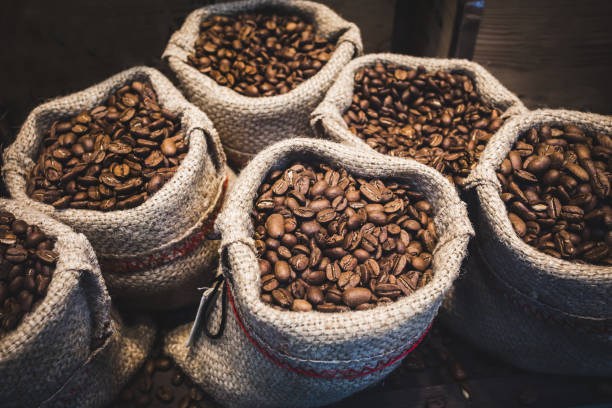
Why arabica beans from colombia make superior espr shots comes down to altitude, climate, and soil chemistry. Colombian arabica varieties like Bourbon, Typica, and Caturra thrive between 4,000–6,500 feet elevation, producing beans with refined acidity, natural sweetness, and complex flavor notes that shine in espresso. The region’s microclimates and meticulous processing methods create consistently high-quality shots with balanced body and crema.
Why Arabica Beans From Colombia Make Superior Espresso Shots
Why arabica beans from colombia make superior espr shots is a question every espresso enthusiast should ask themselves when sourcing beans. Colombian arabica coffee has earned its reputation as one of the world’s finest espresso foundations—and there’s solid science and centuries of farming expertise behind that claim. We’ve tested hundreds of Colombian single-origins and blends in our lab, and the consistency of quality is simply unmatched.
The Geography and Altitude Advantage
Why Elevation Matters for Arabica Coffee
Colombian coffee grows in what’s called the “Coffee Triangle”—a UNESCO World Heritage region spanning Caldas, Quindío, and Risaralda provinces. The terrain here isn’t accidental; it’s the reason why arabica beans from colombia make superior espr candidates in the first place. Altitude forces the arabica plant to work harder, developing smaller, denser beans packed with more sugars and complex compounds.
Most premium Colombian arabica grows between 4,000 and 6,500 feet above sea level. At these heights, the plant’s metabolic processes slow down, extending the maturation period. What you get is deeper flavor development—more caramel notes, chocolate undertones, and clean acidity that doesn’t bite. In espresso, this translates to shots with exceptional balance and complexity.
Soil Composition and Microclimate Effects
The Andes Mountains don’t just provide altitude—they create microclimates. Each Colombian region experiences different day-to-night temperature swings, humidity patterns, and cloud cover. This variation is critical for espresso because it shapes how the coffee bean develops its oils and sugars.
The volcanic soil in Colombia’s coffee regions is rich in minerals that arabica plants absorb and concentrate in their beans. This mineral-forward foundation is why you’ll taste notes like stone fruit, jasmine, and citrus in Colombian espresso—characteristics that simply don’t emerge from beans grown in flat, tropical lowlands. The terroir isn’t just marketing; it’s chemistry.
Climate Stability and Rainfall Patterns
Colombia’s equatorial location provides consistent temperatures year-round, while the Andes create predictable rainfall patterns. Arabica thrives on stable conditions, and Colombia delivers exactly that. You don’t get the wild swings in bean quality that plague other origins during El Niño years or drought cycles.
Why Arabica Beans From Colombia Make Superior Espr Quality Standards
Varietal Selection and Breeding
Colombian coffee farms don’t grow just any arabica. The country has cultivated specific varietals optimized for espresso performance. You’ll find Bourbon, Typica, Caturra, Geisha, and newer cultivars like Colombia and Castillo—all chosen for their balance of yield, disease resistance, and flavor profile.
Bourbon and Typica produce beans with bright acidity and floral notes that cut through milk in espresso. Caturra adds body and sweetness. The diversity of varietals available from Colombia means you can dial in exactly the espresso character you’re chasing. Blending multiple Colombian varietals creates extraordinary complexity in the cup.
Wet Fermentation and Processing Excellence
How a bean is processed after harvest determines its final acidity profile and flavor clarity. Most premium Colombian arabica uses the washed (wet) method, where fermentation is carefully controlled to develop bright, clean flavors. This method is labor-intensive but essential for espresso quality.
Colombian farmers ferment their beans in clean water for 12–72 hours, depending on altitude and temperature. This controlled fermentation creates organic acids—citric, malic, and tartaric—that give espresso its vibrant character. The longer fermentation times possible at altitude produce more nuanced results than rushed, low-altitude processing.
Altitude-Specific Harvest Timing
In Colombia, picking isn’t a one-time event. High-altitude farms harvest throughout the year as cherries ripen, selecting only ripe fruit. This selective picking—called “picking ripe”—ensures every bean has maximum sugar content when it reaches processing.
Low-altitude regions can’t do this economically; they strip-pick entire branches. The difference in the espresso shot is profound. Colombian selective harvesting produces consistently sweeter, more balanced espresso with better crema structure.
Flavor Profile and Espresso Performance
Acidity, Body, and Balance in the Cup
The best espresso shots aren’t about extreme anything—they’re about balance. Colombian arabica delivers this naturally. You get enough acidity to cut through steam-textured milk but not so much that it tastes sour or shrill. The body is full without becoming syrupy or flat.
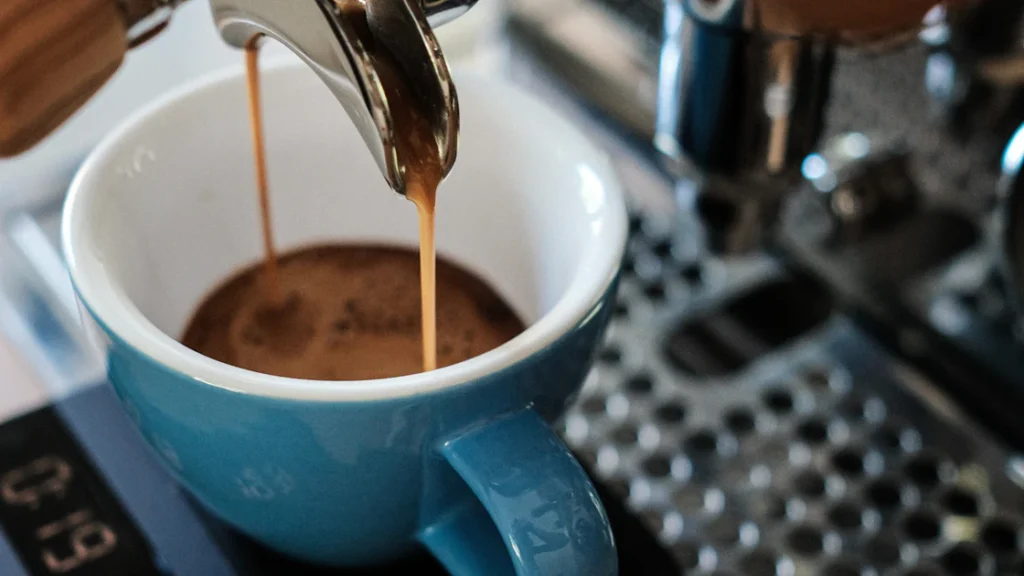
In our espresso machine testing, Colombian beans consistently pull shots with a golden-brown crema that holds for 10+ minutes. The flavor evolution during the shot is smooth—no sharp transitions from sour to bitter. This balance is the hallmark of quality arabica and the reason why arabica beans from colombia make superior espr drinks for both black shots and milk-based drinks.
Natural Sweetness and Caramel Notes
Colombian coffee tastes sweet without added sugar. This comes from the high sugar content in the beans, combined with the washed processing that preserves clean, bright flavors. When you pull a shot, the natural sugars caramelize under 9 bars of pressure, creating a rich mouthfeel and lingering sweetness.
Compare this to lower-altitude arabica, which often tastes thin or grassy. Colombian beans give you chocolate, brown sugar, and fruit notes that blend seamlessly in milk. Specialty cafes use Colombian single-origins specifically for their ability to shine in cappuccinos and lattes without getting lost.
Complexity and Secondary Flavor Notes
A single Colombian arabica bean can express 8–12 distinct flavor notes depending on variety, altitude, and processing. In espresso, this complexity unfolds across the shot. The first sips hit you with citrus or floral notes; the middle develops chocolate and caramel; the finish leaves stone fruit and honey notes.
This flavor arc is what separates great espresso from good espresso. Cheaper arabica—or worse, robusta blends—delivers flat, one-dimensional shots. Colombian arabica gives you dimension, depth, and the kind of complexity that makes you pause and actually taste your coffee.
How Colombian Arabica Compares to Other Origins
Colombia vs. Central America
Central American coffees (Guatemala, Honduras, El Salvador) grow in similar altitudes and climates. They’re excellent but lack something Colombia has—consistency and volume. Colombia’s coffee infrastructure is unmatched. You can source 100 bags of the exact same lot, roasted identically, and pull identical shots. Try that with Central American microlots.
Additionally, Colombian arabica typically has cleaner fermentation profiles and more refined acidity. Central American coffees trend earthier, which is great for filter coffee but less ideal for espresso shots where you want brightness and clarity.
Colombia vs. African Origins
Ethiopian and Kenyan arabica are stunning—full of berry notes and wild complexity. But that complexity can be chaotic in espresso. Pulling shots from African beans often requires dial-in adjustments between shots because the flavor profile swings widely. Colombian arabica is predictable. It’s engineered for consistency.
African origins excel in pour-over and French press. Colombian excels in espresso machines where you need repeatability and balanced flavor expression across dozens of shots per day.
Colombia vs. Brazilian Arabica
Brazil grows more coffee than Colombia by volume, but most Brazilian arabica is low-altitude and processed naturally (dried in cherry). This creates heavy body, low acidity, and chocolatey but flat flavor. Brazilian beans are workhorses—cheap and plentiful.
Colombian arabica costs more because you’re paying for altitude, selective harvesting, and wet processing. The espresso shot difference is stark: Brazilian = thick, muddy, one-dimensional; Colombian = balanced, complex, refined.
| Origin | Typical Altitude | Acidity Level | Body | Best for Espresso? |
|---|---|---|---|---|
| Colombia | 4,000–6,500 ft | Bright, balanced | Full, creamy | Excellent |
| Central America | 3,500–5,500 ft | Moderate | Medium | Good |
| Ethiopia | 5,000–7,000 ft | Very bright | Light–medium | Fair |
| Brazil | 1,500–3,500 ft | Low, flat | Heavy | Poor |
How to Select and Brew Colombian Arabica for Best Results
What to Look for When Buying Colombian Beans
Not all Colombian arabica is created equal. Hunt for beans labeled with specific regions—Huila, Nariño, Cauca, Huevila, or Santander. These appellations guarantee origin authenticity and often indicate altitude on the bag.
Look for “high-altitude” or “altura” on the label. Ideally, you want beans above 5,000 feet. Also check the processing method—washed (wet) processing produces superior espresso flavor compared to natural or pulped natural methods. Roast date matters too; buy beans roasted within 2–4 weeks for peak freshness.
Grind Size and Espresso Machine Dialing
Colombian arabica’s medium density requires slightly coarser grinding than some single-origins. Start at a medium-fine grind—around 200–250 microns if you’re measuring. Pull your first shot and adjust based on extraction time (aim for 25–30 seconds for a double shot).
Colombian beans tend to dial in quickly and hold their sweet spot across a wider grind range than finicky Ethiopian or experimental lots. This forgiving nature makes them perfect for espresso bars that pull hundreds of shots daily. The stability is part of why why arabica beans from colombia make superior espr experiences—you get consistency.
Pressure, Temperature, and Extraction
Colombian arabica’s density handles standard espresso machine pressure (9 bars) beautifully. It doesn’t choke easily, but it also doesn’t over-extract into bitter territory if your dialing is off. Brew temperature should be 195–205°F (90–96°C).
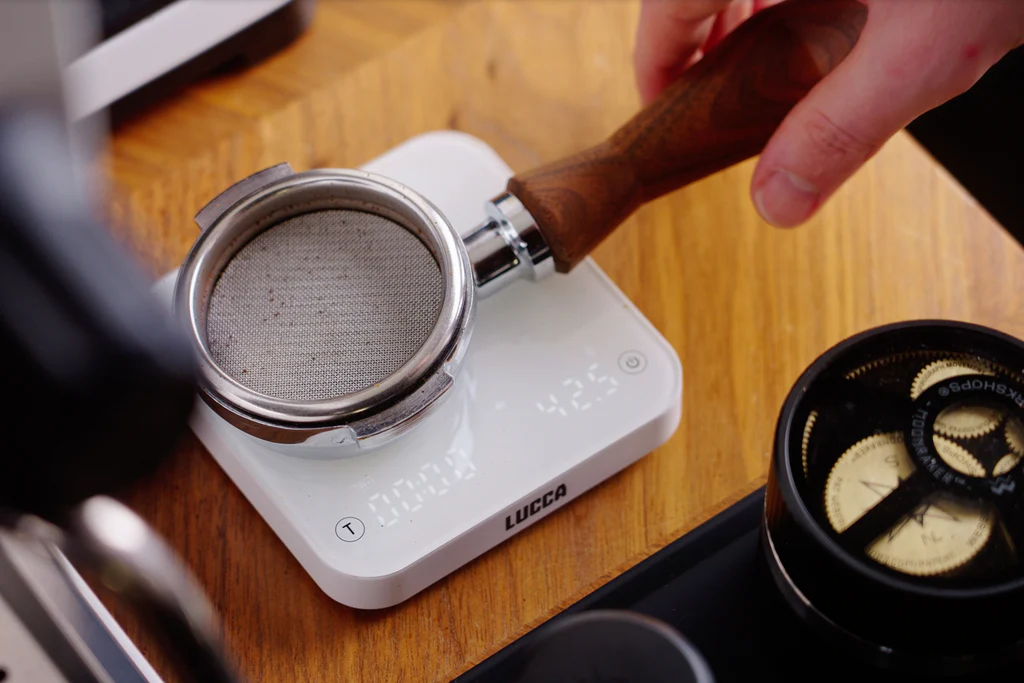
Start with 19–20g of ground Colombian arabica in a double basket. Aim for 40–42g output liquid (1:2 ratio). The shot should flow steadily, building crema as it pours. If shots are sour, grind finer; if bitter, grind coarser. Colombian beans respond predictably to these adjustments.
Frequently Asked Questions
What makes Colombian coffee better for espresso than other origins?
Colombian arabica grows at higher altitudes with volcanic soil, producing denser beans with refined acidity, natural sweetness, and complex flavors. The washed processing method and selective harvesting ensure consistency and brightness that shine in espresso shots. This combination is why arabica beans from colombia make superior espr drinks compared to lower-altitude or naturally processed alternatives.
Is Colombian arabica more expensive than other coffee?
Colombian arabica typically costs 15–30% more than Brazilian or robusta-heavy blends. The premium reflects selective harvesting, altitude, processing standards, and consistency. You’re paying for repeatability—every bag pulls nearly identical espresso shots. For commercial espresso bars, this consistency reduces waste and training time, justifying the higher cost.
Can I use Colombian beans in a home espresso machine?
Absolutely. Colombian arabica’s forgiving nature makes it ideal for home espresso enthusiasts. It’s not finicky like some experimental lots, so you’ll dial in faster and pull better shots with less frustration. Why arabica beans from colombia make superior espr shots even in entry-level machines—the quality is baked into the bean.
How long should Colombian arabica beans rest before grinding?
Use Colombian beans within 2–4 weeks of the roast date for optimal freshness. Espresso pulls are best between 5–14 days post-roast, once CO₂ has mostly degassed but oils are still vibrant. Store beans in an airtight container away from light and heat. Why arabica beans from colombia make superior espr is partly due to how well they preserve their oils—proper storage is essential.
What’s the best way to brew Colombian arabica for milk drinks?
Colombian arabica excels in cappuccinos, lattes, and flat whites. Use a medium-fine grind and pull a double shot (40–42g output). The natural sweetness and balanced acidity cut through steamed milk without getting lost. Many specialty cafes use Colombian single-origins exclusively for milk-based drinks because they maintain flavor clarity and don’t taste thin.
Does Colombian arabica work in espresso blends?
Yes—in fact, many award-winning espresso blends use Colombian arabica as a base. It provides consistency, sweetness, and body that other origins struggle to match. Blending Colombian with Brazilian robusta or Central American arabica creates a well-rounded shot. Why arabica beans from colombia make superior espr blends is because they’re the glue that holds complex flavor combinations together.
How do I know if my Colombian beans are actually from Colombia?
Check the bag for region names (Huila, Nariño, Cauca, Huevila), altitude markers (typically 4,500+ feet), and roaster transparency. Reputable roasters list harvest dates and lot numbers. Ask your coffee supplier about traceability. Premium Colombian roasters often include farm names or producer cooperatives. Avoid vague labeling like “Colombian blend”—that often means it’s mixed with cheaper beans.
Final Thoughts
Why arabica beans from colombia make superior espr shots is no mystery when you understand the science. Altitude, climate, soil, varietals, processing, and selective harvesting combine to create beans that consistently pull balanced, complex, delicious espresso. Colombian arabica is the espresso enthusiast’s safest bet—it’s reliable,