
| colombia coffee origin refers to the high-altitude coffee regions of Colombia, specifically the Andes Mountains, where ideal growing conditions produce some of the world’s most sought-after arabica beans. Colombian coffee is known for its balanced flavor profile, medium body, and notes of chocolate, nuts, and caramel, thanks to the country’s volcanic soil, consistent rainfall, and elevation between 800–2,200 meters. Understanding Colombia’s coffee heritage helps you appreciate and brew these exceptional beans at home. |
The Colombian coffee origin story is one of geography, tradition, and exceptional quality. Colombia sits at the equator with the Andes Mountains running down its spine, creating microclimates that are virtually perfect for growing premium arabica coffee. What makes Colombian coffee special isn’t just luck—it’s the combination of altitude, volcanic soil, rainfall patterns, and generations of farming expertise that transform coffee cherries into those rich, complex beans you’re brewing at home.
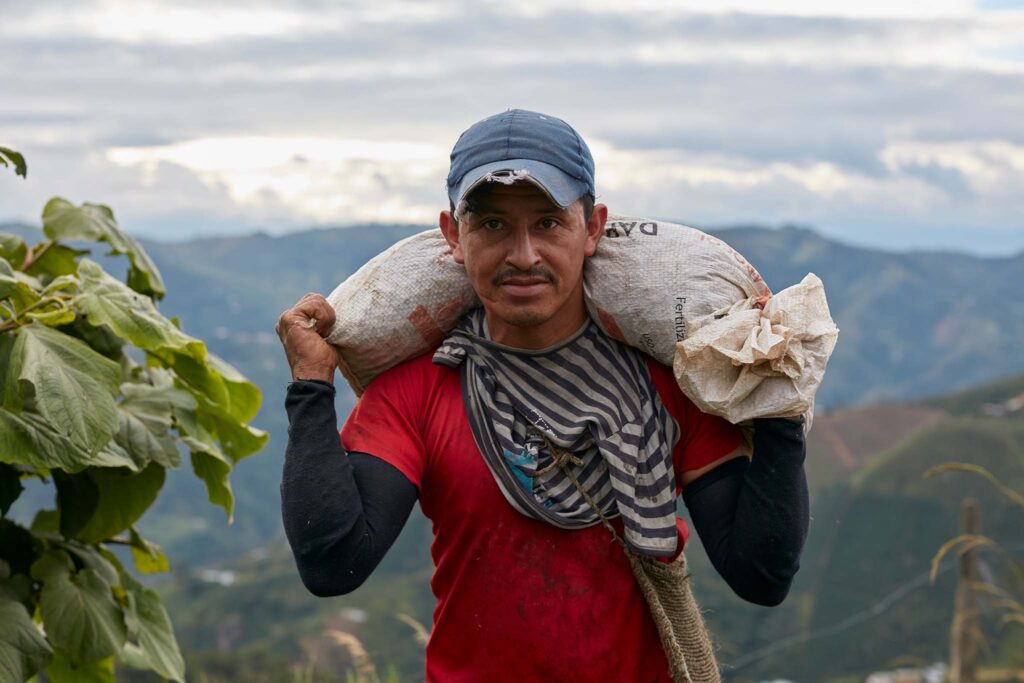
In this guide, we’ll walk you through everything you need to know about where Colombian coffee comes from, how it’s grown, and why it deserves a permanent spot in your espresso machine or pour-over routine.
What Defines Colombia Coffee Origin?
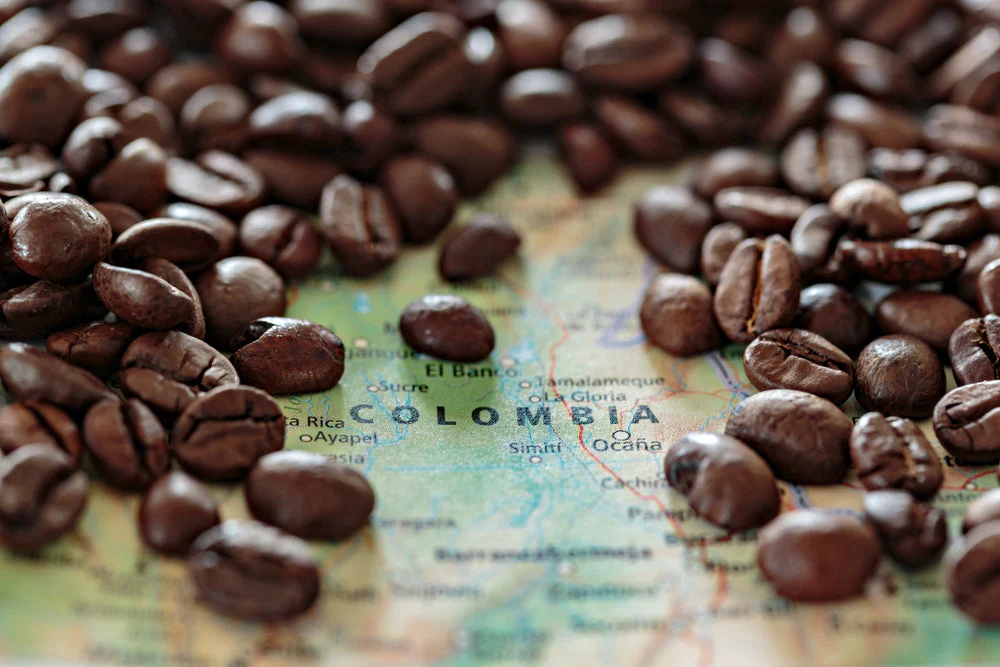
When you talk about colombia coffee origin, you’re talking about a specific geographic and climatic zone that produces beans with unmistakable characteristics. The country’s equatorial location, combined with elevation, creates what coffee experts call the “Goldilocks zone”—not too hot, not too cold, with just the right amount of rain and sunshine. Colombian coffee doesn’t come from just one region; it’s a collection of distinct growing areas, each with subtle flavor variations based on local conditions.
Geographic Location and Altitude

Colombia’s three mountain ranges (called cordilleras) create separate coffee-growing zones with different microclimates. The Western, Central, and Eastern Cordilleras all produce coffee, but at different elevations and with varying weather patterns.
Most Colombian coffee grows between 800 and 2,200 meters above sea level. This altitude is critical—higher elevations mean slower cherry maturation, which allows sugars and acids to develop more complexity. The cooler temperatures at higher elevations also slow the coffee plant’s growth, resulting in denser beans with more flavor compounds.
Volcanic Soil and Mineral Content
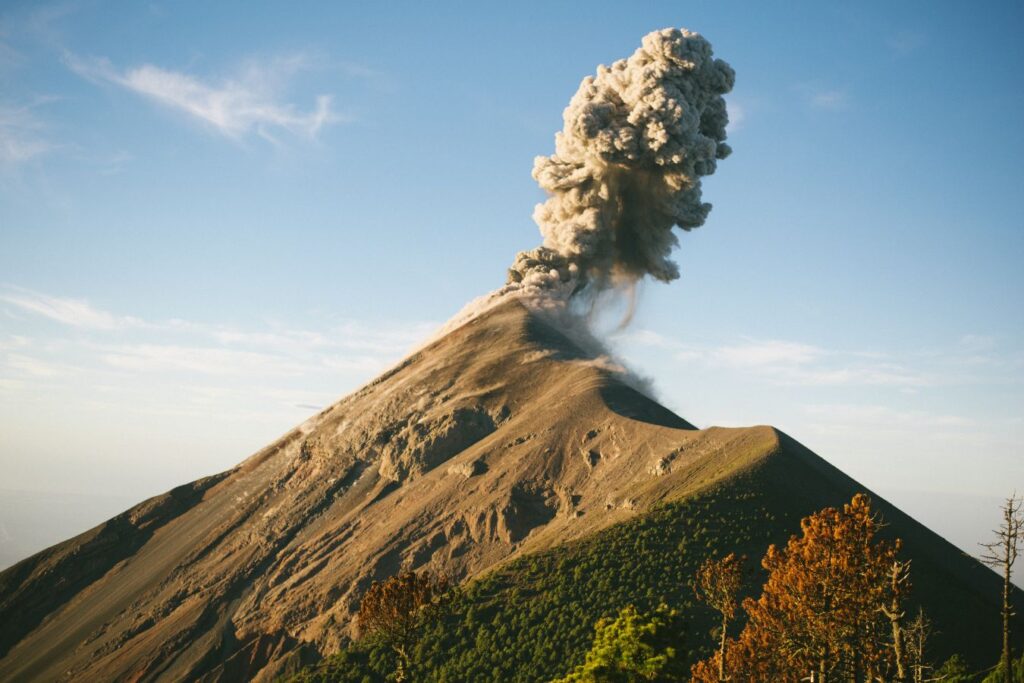
Much of Colombia’s coffee-growing land sits on volcanic terrain. This volcanic soil is rich in minerals like potassium, magnesium, and phosphorus, which coffee plants absorb and concentrate into the beans. The result is coffee with better body, more balanced acidity, and a distinctive mineral undertone that you’ll notice in your espresso shots. The soil’s porous nature also provides excellent drainage, preventing water from sitting around plant roots and causing disease.
Climate and Rainfall Patterns

Colombia receives consistent rainfall throughout the year due to trade winds and proximity to the equator. Unlike many coffee origins that experience pronounced dry seasons, Colombian regions often have two rainy seasons (May-June and September-November), allowing for two potential harvests. This consistent moisture, combined with warm days and cool nights at altitude, creates ideal conditions for coffee cherry development.
Colombia Coffee Origin: The Major Growing Regions
Colombia’s coffee belt stretches roughly 1,300 kilometers across the country’s mountainous interior. Different regions have earned distinct reputations based on their specific colombia coffee origin characteristics. Understanding these regions helps you select beans that match your brewing preferences.
Huila and the Southern Zone
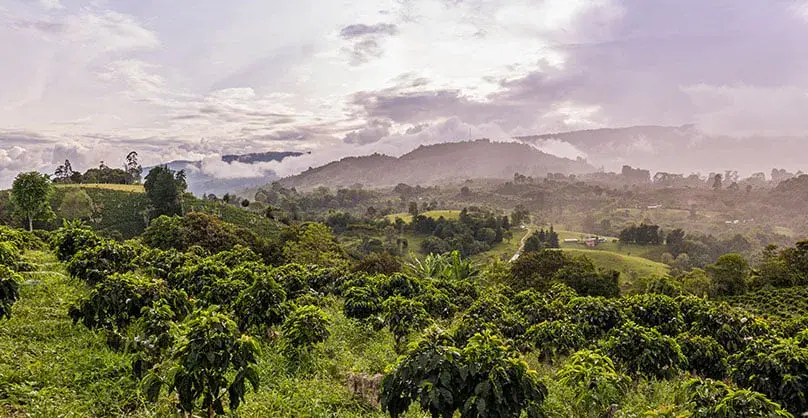
Huila is Colombia’s largest coffee-producing department, responsible for roughly 23% of the nation’s output. Located in the south, Huila’s high elevations (1,400–2,000m) and volcanic soil produce beans with pronounced acidity and fruity notes. You’ll find Huila coffees displaying characteristics like berry, citrus, and floral undertones. The region’s two harvest seasons mean consistent availability of Huila beans year-round, making them a reliable choice for espresso blends and single-origin brews.
Nariño: High-Altitude Excellence
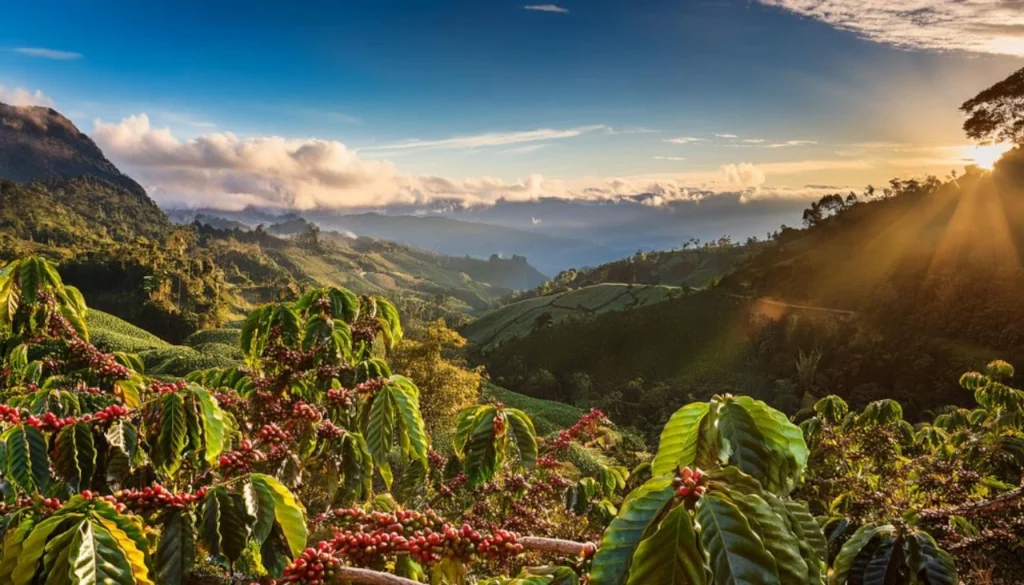
Nariño, bordering Ecuador in southern Colombia, has become famous for ultra-high-altitude coffee. Some farms here grow coffee above 2,000 meters—some even reaching 2,200 meters. At these elevations, coffee cherries take longer to mature, developing intense flavors and crisp acidity. Nariño coffees often display floral, chocolate, and spice notes. The region’s cooler temperatures and unique microclimates make Nariño an exciting origin for specialty coffee enthusiasts and premium espresso roasters.
Caldas and the Central Zone
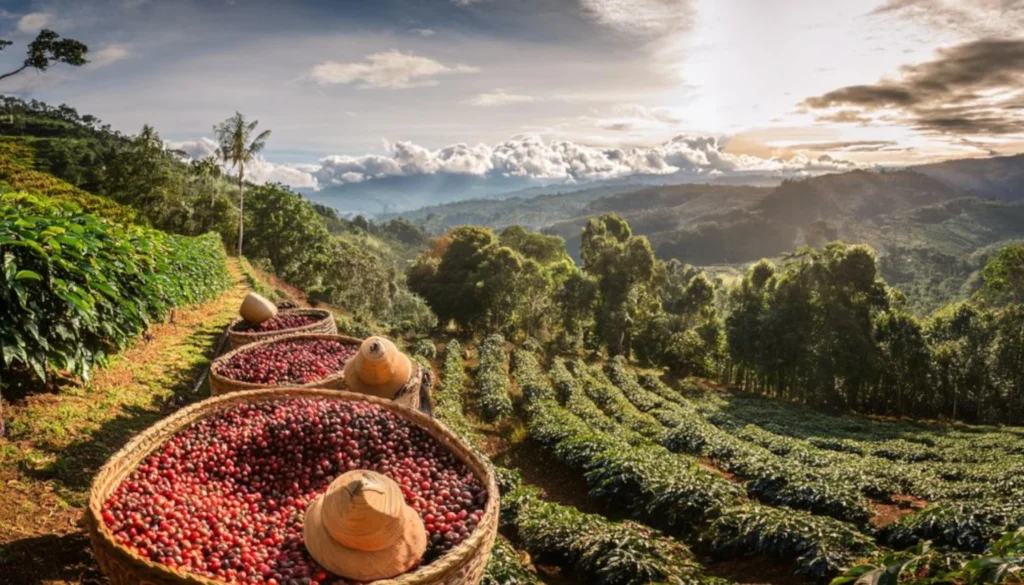
Caldas, situated in Colombia’s mountainous central region, produces coffee with balanced characteristics. Elevation in Caldas ranges from 1,200 to 1,800 meters, creating beans with moderate acidity and smooth, chocolatey profiles. The region’s consistent weather patterns and established infrastructure make it one of Colombia’s most reliable producers. Caldas coffee works beautifully in espresso machines because its balanced nature doesn’t demand complex brewing adjustments.
Cauca: Emerging Quality Region
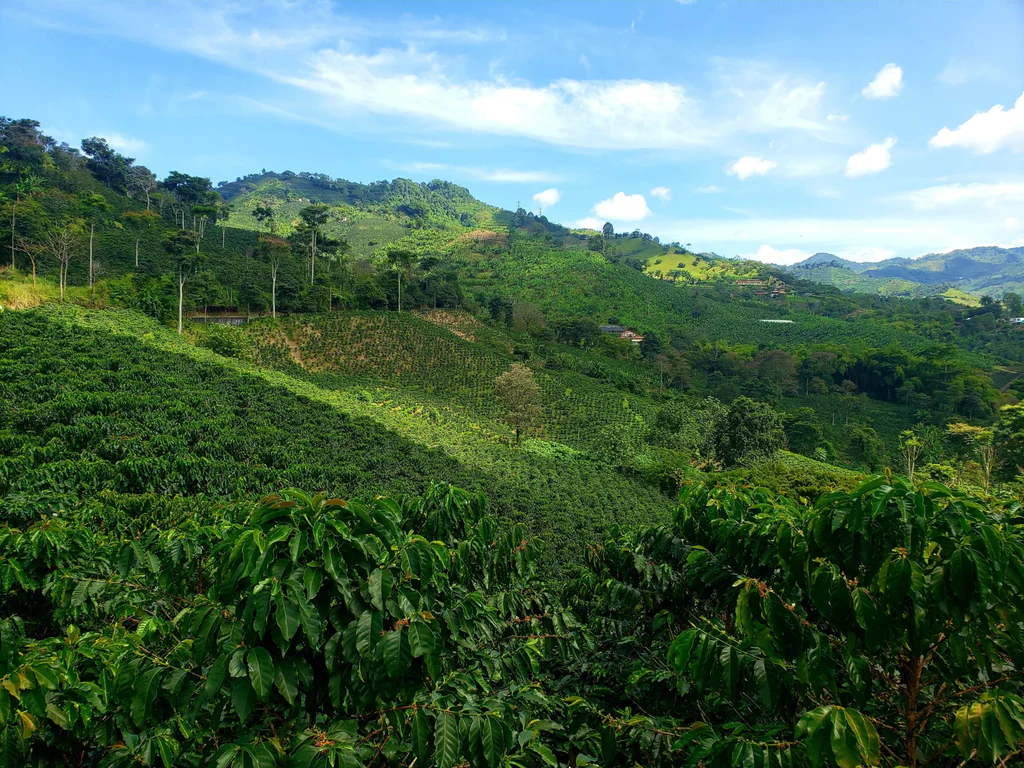
Cauca, located in southwestern Colombia, is relatively new to specialty coffee prominence but has quickly earned respect for quality. High elevations and indigenous farming traditions create unique, often naturally processed coffees with fruity, wine-like qualities. Many Cauca farmers practice sustainable agriculture, and you’ll find interesting experimental lots from this region if you explore specialty roasters.
Risaralda and Quindío: The Coffee Triangle
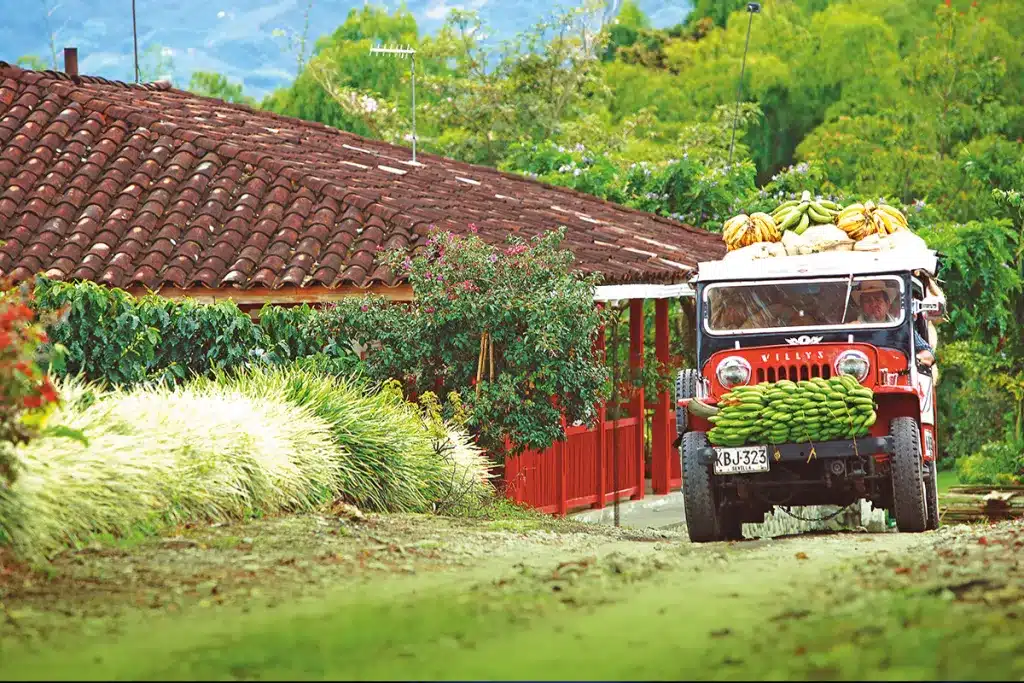
The “Eje Cafetero” or Coffee Triangle comprises Risaralda, Quindío, and parts of Caldas. This UNESCO World Heritage site region produces coffee with excellent balance—enough acidity to be interesting, enough body to feel substantial. The region’s tourism infrastructure also means that visiting coffee farms and understanding colombia coffee origin firsthand is accessible to coffee enthusiasts traveling to Colombia.
Processing Methods in Colombian Coffee Growing
How beans are processed after harvest significantly impacts the final cup profile. Colombian producers use several methods, and understanding these processing approaches helps you appreciate what’s in your espresso basket.
Washed (Wet) Process: The Traditional Standard
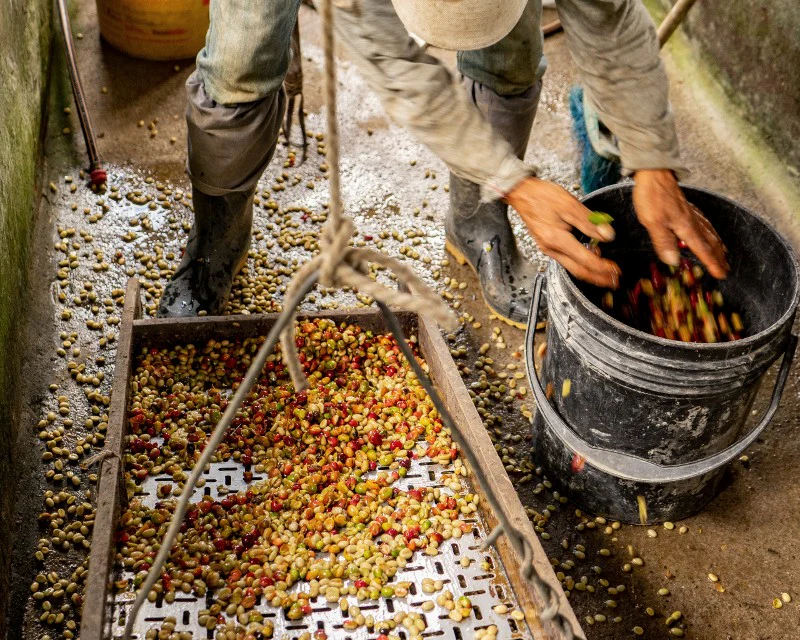
Most Colombian coffee uses the washed process, which has been the standard for decades. After harvesting, farmers remove the cherry’s outer skin and pulp using water and friction. The beans then ferment for 12–48 hours to break down remaining fruit, followed by thorough washing and drying.
This method emphasizes the bean’s inherent characteristics and creates clean, bright cup profiles with prominent acidity. Washed Colombian coffees typically showcase chocolate, nut, and caramel notes without competing fruit flavors.
Natural and Honey Processing: Growing Trend
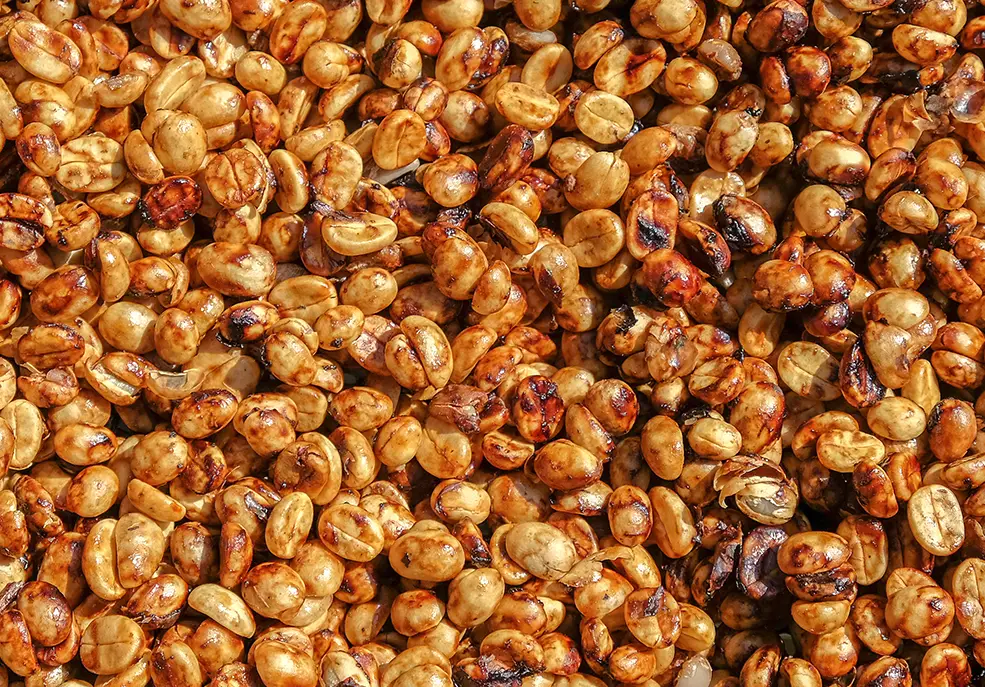
Some Colombian farmers, particularly in Cauca and Nariño, now use natural (dry) and honey (pulped natural) processing. These methods leave fruit on the bean during drying, allowing sugars to concentrate and creating fruitier, more wine-like profiles. A naturally processed Colombian coffee might display berry, plum, or tropical fruit notes. These coffees often require slightly different brewing approaches—they’re sometimes more forgiving in espresso machines because the added sweetness balances higher extraction.
Fermentation Variations and Experimentation
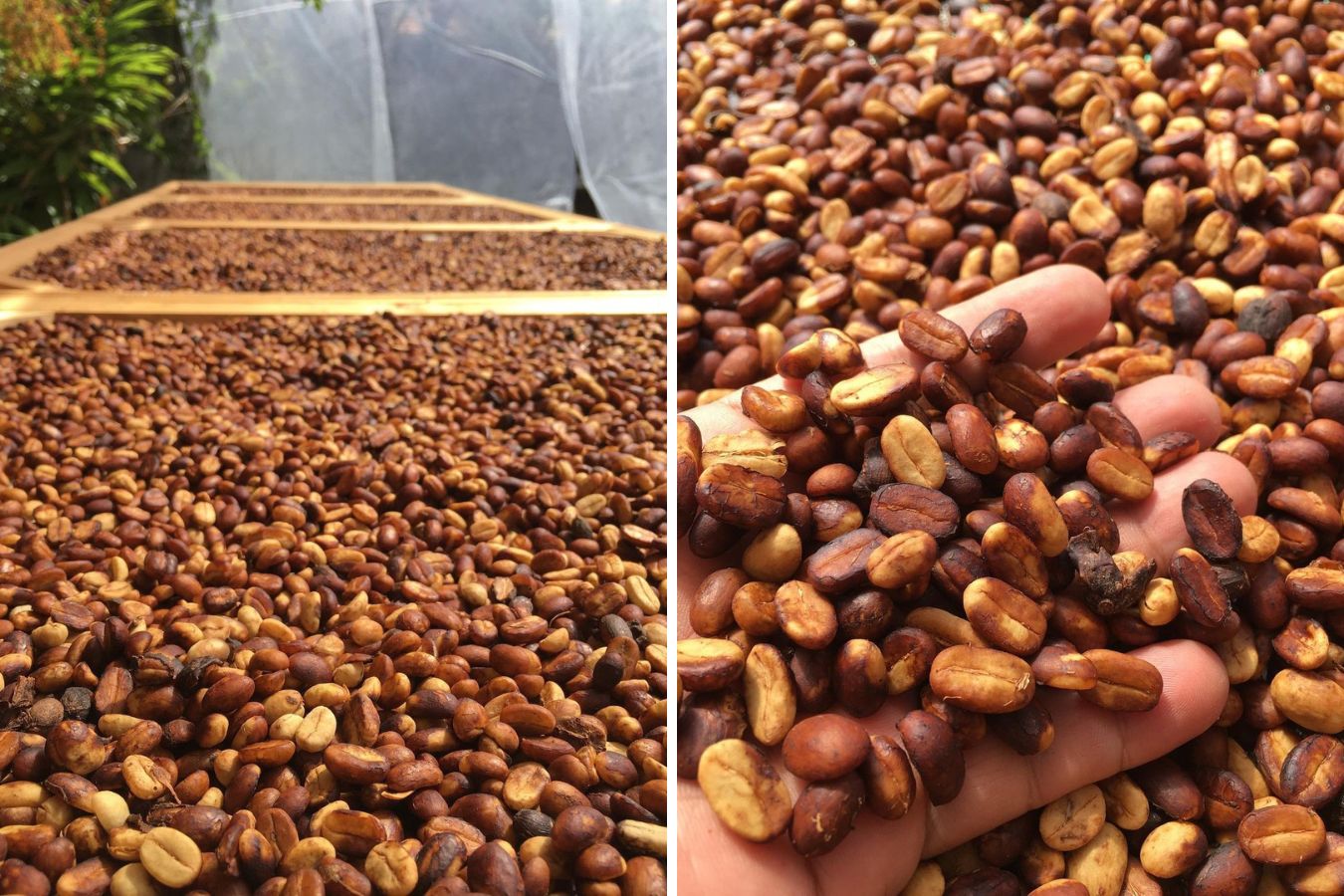
Innovative Colombian farmers experiment with extended fermentation, anaerobic processing, and other techniques to create unique flavor profiles. You’ll increasingly find Colombian coffees with flavor descriptors like “floral” or “jasmine” that result from controlled fermentation. These experimental lots typically command higher prices but offer exciting brewing experiences.
Colombia Coffee Origin and Flavor Characteristics
When you brew Colombian coffee, certain flavor and body characteristics are typical. Understanding these expected profiles helps you dial in your espresso machine correctly and appreciate what you’re tasting.
Body and Mouthfeel
Colombian coffees typically display a medium body—fuller than East African coffees but not as heavy as Indonesian beans. This medium body makes Colombian coffee versatile; it works equally well as a single-origin espresso or in blends. The volcanic soil contributes to a clean, smooth mouthfeel without excessive oils or bitterness. In your espresso machine, you’ll notice Colombian beans produce consistent crema and don’t require aggressive grinding to achieve proper extraction.
Acidity Profile
Colombian coffee’s acidity sits in the pleasant, balanced range. You’re looking at bright but not sharp—fruity acidity rather than sour. High-altitude Nariño coffees show more pronounced acidity, while lower-elevation Caldas coffees are subtler. This acidity is part of what makes Colombian coffee appealing in espresso; it adds clarity and definition to your shots without requiring careful temperature management.
Signature Flavor Notes
When you read tasting notes for Colombian coffee, certain descriptors appear consistently: chocolate, nuts (especially almonds), caramel, and cocoa. These baseline notes reflect the Colombian coffee origin terroir. Additional notes depend on the specific region and processing—Nariño might add floral undertones, Cauca might introduce berry qualities, and naturals might emphasize sweetness. Learning to identify these flavor ranges helps you select coffees matching your taste preferences.
Sustainability and Fair Trade in Colombian Coffee

Understanding colombia coffee origin means recognizing the people who grow it. Colombia’s coffee industry faces challenges around farmer income, environmental conservation, and labor practices—but many producers are leading sustainability efforts.
Fair Trade and Direct Trade Certifications
Fair Trade certification ensures Colombian coffee farmers receive minimum prices and better working conditions. Direct Trade relationships between roasters and farms cut out middlemen, sending more money directly to producers. When you purchase Fair Trade or Direct Trade Colombian coffee, you’re supporting farmers who can invest in their operations and families. Many specialty roasters highlight their sourcing relationships, so look for transparency about where your beans originate.
Environmental Conservation Efforts
Coffee farming impacts land use, water resources, and biodiversity. Progressive Colombian producers implement shade-growing techniques, maintain forest cover, and use water responsibly. Certified organic and regenerative coffee farms in Colombia work to improve soil health and support local ecosystems. Your coffee choices support these practices when you specifically seek sustainably sourced beans.
Community and Economic Impact
Colombia’s coffee industry employs hundreds of thousands of people directly and supports entire communities. Choosing Colombian coffee contributes to rural economic stability. Some roasters partner with specific farms or cooperatives, allowing you to support particular communities. Exploring these connections deepens your appreciation for what’s in your espresso cup.
Brewing Colombian Coffee: Technical Considerations

Colombian coffee’s balanced profile and medium body make it forgiving and versatile across brewing methods. Here’s how to get the most from your colombia coffee origin beans.
Espresso Machine Optimization
Colombian coffee performs excellently in espresso machines because its balanced acidity and body tolerate slight variations in technique. Use a medium-fine grind, aim for 9 bars of pressure, and pull shots in the 25–30-second range. The result should be a sweet, smooth shot with chocolate and caramel notes. Colombian beans don’t typically require temperature adjustments or unusual tamping pressure. Many home baristas find Colombian coffee more forgiving than high-acidity African origins.
Pour-Over and Filter Methods
Colombian coffee shines in pour-overs because the brewing method highlights clarity and balance. Use water around 195–205°F, a medium-fine grind, and a 1:16 coffee-to-water ratio as your starting point. The longer contact time in filter brewing brings out Colombian coffee’s nuanced notes. You’ll notice chocolate and caramel more prominently than you might in espresso, with subtle floral or fruit undertones depending on the specific region.
French Press and Full-Immersion Brewing
The French press’s immersion method emphasizes body and oils. Colombian coffee produces a full-bodied cup with this method, richer and more viscous than pour-over. Use a coarser grind, steep for 4 minutes, and you’ll get a cup highlighting chocolate and nut characteristics. Some people find Colombian coffee in a French press slightly too heavy; if that’s you, try a pour-over or AeroPress instead.
Grind Size and Consistency
Consistent grind size matters more with Colombian coffee than with many origins because the beans’ balance is easy to throw off with poor extraction. Invest in a burr grinder—blade grinders create uneven particle sizes that lead to inconsistent extraction and muddy, bitter cups. A quality burr grinder, whether flat or conical, ensures even extraction and lets Colombian coffee’s balanced characteristics shine.
Selecting and Storing Colombian Coffee for Home Brewing
Now that you understand the colombia coffee origin story, let’s talk about practical selection and storage for your kitchen.
Reading Roast Levels and Bag Information
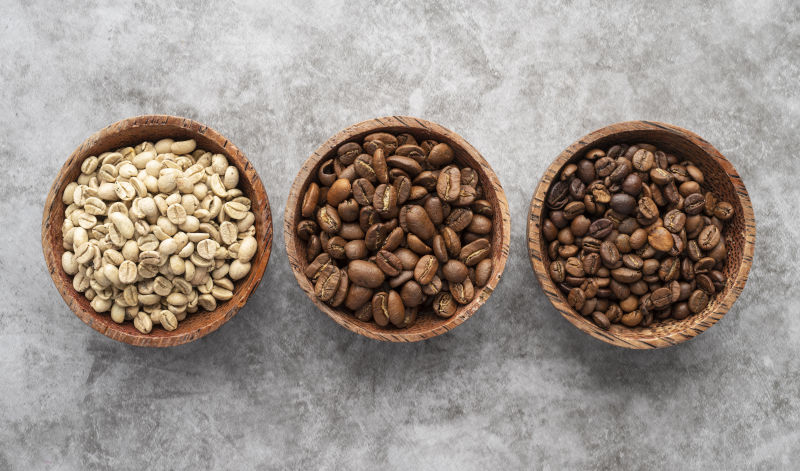
Colombian coffee appears across the roast spectrum. Medium roasts preserve more origin characteristics, highlighting acidity and complexity. Medium-dark roasts emphasize body and cocoa flavors, sometimes muting the origin’s nuance. For espresso machines, medium to medium-dark works best; for filter methods, medium roasts let you taste the origin more clearly. Check the bag for roast date—coffee tastes best within 2–4 weeks of roasting. Avoid bags without roast dates; they’re likely stale.
Single-Origin vs. Blends
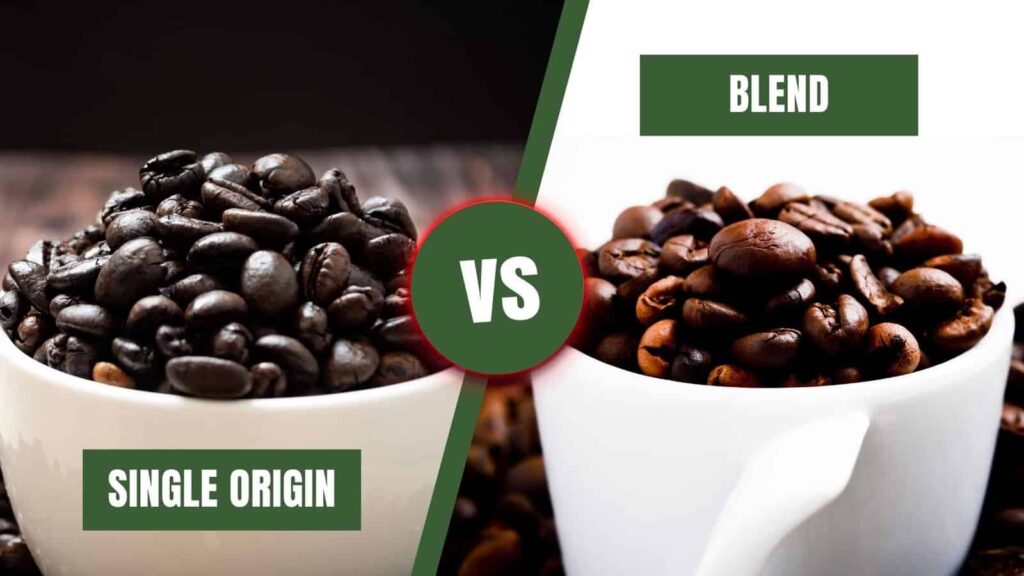
Single-origin Colombian coffees let you experience that region’s specific character. A Nariño single-origin shows you what high-altitude Colombian coffee tastes like; a Cauca natural-process shows you experimental processing. Blends typically include Colombian coffee as a base because it’s balanced and reliable. If you’re exploring colombia coffee origin for the first time, start with a single-origin from an established specialty roaster. As you develop preferences, experiment with different regions and processing methods.
Storage Best Practices
Coffee degrades when exposed to light, heat, oxygen, and moisture. Store beans in an airtight container away from sunlight and heat sources. Room temperature is ideal—avoid refrigerators or freezers because condensation damages beans. Whole beans stay fresh longer than ground coffee; grind immediately before brewing for maximum flavor. If you buy in bulk, divide beans into smaller containers and freeze portions in airtight bags. Frozen beans last months and thaw quickly without quality loss.
The History and Cultural Significance of Colombian Coffee
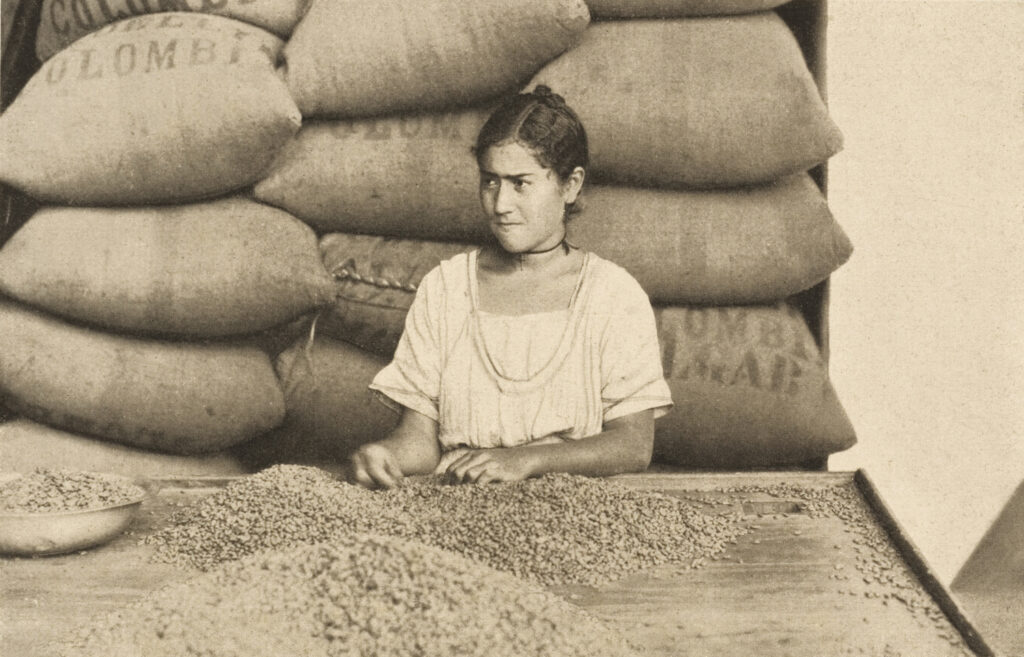
Colombian coffee culture runs deep. Understanding the history adds context to your colombia coffee origin appreciation and connects you to centuries of coffee tradition.
Origins of Coffee Cultivation in Colombia
Coffee arrived in Colombia in the 1700s through Spanish colonizers. Early cultivation happened in Caribbean-coastal regions, but farmers soon recognized that higher-altitude mountain zones produced superior beans. By the mid-1800s, Colombian coffee had begun reaching international markets. The country’s geography made coffee growing ideally suited to Colombian conditions, and the industry expanded throughout the twentieth century as global demand grew.
Juan Valdez and Colombia’s Coffee Marketing
In 1959, the Colombian Coffee Growers Federation created the “Federación Nacional de Cafeteros de Colombia” (FNC) to unite producers and market Colombian coffee internationally. The iconic Juan Valdez character—a fictional farmer with his mule—became the face of Colombian coffee globally. This marketing genius transformed Colombian coffee from a commodity into a recognized, premium origin. Today, Juan Valdez remains synonymous with quality Colombian coffee.
Modern Colombian Coffee Industry
Colombia consistently ranks as the world’s top quality arabica producer and second-largest coffee producer overall. The country produces roughly 750,000 tons annually, with coffee contributing significantly to Colombia’s economy and rural employment. Modern Colombian coffee combines traditional farming knowledge with contemporary sustainability practices and specialty coffee techniques.
Frequently Asked Questions
Why is Colombia considered a premium coffee origin?
Colombia’s combination of altitude, volcanic soil, consistent rainfall, and generations of farming expertise creates ideal conditions for high-quality arabica. The geographic variety allows multiple harvest seasons, ensuring a consistent supply. Colombian coffee’s balanced profile—not too acidic, full enough body, complex flavor notes—appeals to diverse palates and brewing methods.
What’s the difference between Colombian coffee regions?
Higher-altitude regions like Nariño produce fruitier, more acidic coffees. Lower-elevation areas like Caldas create more chocolate-forward, balanced profiles. Processing methods also differ by region; Cauca increasingly uses natural processing while traditional areas favor washed beans. Each region’s unique microclimates create distinct flavor expressions of Colombian coffee origin.
How should I grind Colombian coffee for espresso?
Use a medium-fine grind and a quality burr grinder. Colombian coffee’s balance means you want even particle size to avoid over- or under-extraction. Aim for 9 bars of pressure and 25–30-second shots. This typically produces sweet, balanced espresso highlighting Colombian coffee’s chocolate and caramel character without excessive bitterness.
Is Colombian coffee always washed processed?
Traditionally, yes, but increasingly no. Most Colombian coffee uses the washed process, but specialty producers in Cauca and Nariño now experiment with natural and honey processing. These methods create fruitier profiles that differ from traditional washed Colombian coffees. Check your bag’s label to confirm processing methods.
How does Colombian coffee compare to other origins?
Colombian coffee sits between East African and Indonesian coffees flavor-wise. It has more acidity than Indonesia but less than Ethiopia. Colombian coffee’s medium body and balanced profile make it versatile, while African origins emphasize brightness and Indonesian coffees emphasize body. Many brewers use Colombian as their daily driver because it’s reliably good across brewing methods.
Should I buy fair-trade Colombian coffee?
Fair Trade certification ensures farmers receive fair prices and better working conditions. Direct Trade relationships connect you even more directly to specific farms. While Fair Trade coffees sometimes cost more, the premium supports sustainable farming and farmer livelihoods. Many specialty roasters now source exclusively from ethical origins, including Colombia.
What’s the best way to store Colombian coffee beans?
Store beans in airtight containers away from light, heat, and moisture. Room temperature is ideal; avoid refrigerators and freezers due to condensation. Whole beans last weeks when stored properly; grind immediately before brewing. For bulk purchases, freeze portions in sealed bags. Use beans within 2–4 weeks of roasting for optimal flavor.
Final Thoughts
Understanding colombia coffee origin transforms how you approach your daily brew. Colombian coffee isn’t just a commodity; it’s the result of geographic advantage, agricultural expertise, and generations of farming tradition. Whether you’re pulling espresso shots, brewing pour-overs, or experimenting with different regions and processing methods, Colombian beans consistently deliver balanced, complex, satisfying cups. The Colombian coffee origin story—from volcanic soil and high-altitude farms to your espresso machine—connects you to Colombian farmers, regional terroir, and coffee heritage spanning centuries.
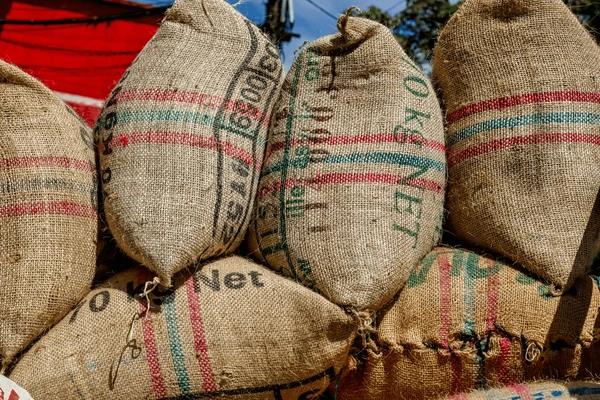
Next time you brew Colombian coffee, pause for a moment to appreciate what’s happening. You’re experiencing the culmination of altitude, soil chemistry, climate patterns, and human skill. Choose beans from specialty roasters who highlight sourcing and processing details.
Explore different regions—Nariño’s floral brightness, Cauca’s experimental fruitiness, Caldas’ reliable balance. Invest in a quality grinder and dial in your brewing technique. Colombian coffee rewards attention to detail with nuanced, rewarding cups that remind you why specialty coffee matters. Your espresso machine and brewing gear deserve exceptional beans, and Colombian coffee delivers exactly that.