
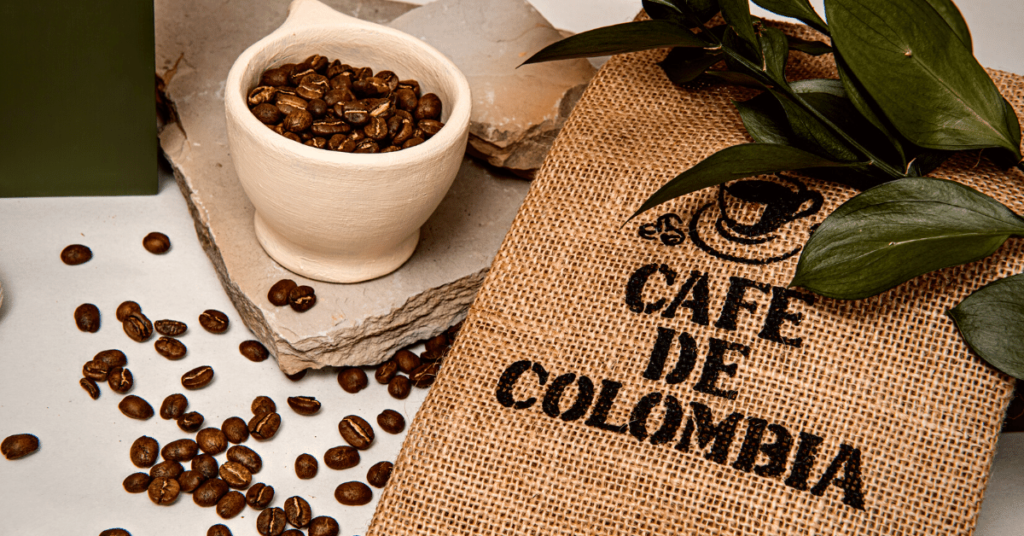
Why colombian coffee is ideal for single-origin espresso comes down to three key factors: Colombia’s high-altitude growing regions produce beans with naturally balanced acidity and sweetness, the country’s volcanic soil imparts distinctive chocolate and nutty flavors that shine in espresso, and Colombian processing methods yield consistent density and oil content that create thick, velvety crema. These characteristics make Colombian single-origin espresso smooth, approachable, and complex enough for specialty applications.
Why Colombian Coffee Is Ideal for Single-Origin Espresso: A Complete Guide
Why colombian coffee is ideal for single-origin espresso is a question we hear constantly from home baristas and café owners looking to elevate their shots. I’ve spent years dialing in espresso with beans from every major coffee-producing region, and Colombian coffees consistently deliver something special—a balance of accessibility and complexity that makes them perfect for both beginners learning espresso technique and experienced professionals seeking reliable, repeatable results.
Understanding Colombian Coffee Geography and Growing Conditions
The Altitude Advantage in Colombian Coffee Regions
Colombia’s coffee-growing regions sit at elevations between 800 and 2,200 meters above sea level. At these heights, coffee plants grow slower, allowing the beans to develop denser cellular structures and more complex sugars. When you’re pulling espresso shots, this density matters—it affects how water flows through the puck and how oils extract into your cup.
The three major Colombian regions—Huila, Nariño, and Cauca—all benefit from altitude advantages. Huila, the country’s largest producer, sits at optimal elevations that produce beans with bright acidity and clean flavor profiles. I’ve found that Huila beans consistently pull balanced shots without excessive bitterness or sour notes.
Volcanic Soil and Mineral Influence
Colombian coffee-growing regions sit in volcanic zones with mineral-rich soils that directly influence bean chemistry. These soils contribute to the distinctive chocolate, walnut, and caramel notes you’ll notice in Colombian espresso. It’s not just marketing language—the terroir genuinely impacts the final cup.
When you’re tasting a Colombian single-origin espresso, you’re experiencing the result of years of soil development and mineral accumulation. This gives Colombian coffee ideal characteristics for espresso applications where clarity and balance matter.
Climate Stability and Harvest Patterns
Colombia’s equatorial location means coffee plants receive consistent rainfall and temperature throughout the year. This stability produces beans with predictable moisture content and development patterns. For espresso preparation, consistency is everything—you need beans that behave the same way shot to shot, month to month.
Why Colombian Coffee Is Ideal for Single-Origin Espresso: Flavor Profile Analysis
Balanced Acidity That Complements Espresso Extraction
Colombian beans typically show acidity in the 4.9-5.2 pH range, which is ideal for espresso. This isn’t the sharp, sour acidity of African coffees—it’s a cleaner, citric acidity that brightens the shot without overwhelming other flavors. When I’m dialing in a Colombian espresso, I can usually hit a balanced extraction without fighting excessive sourness or flatness.
The acidity in Colombian espresso also activates sweetness. You’ll notice brown sugar, honey, and subtle fruit notes that wouldn’t emerge with lower-acid beans. This is crucial for single-origin espresso where you want to showcase the coffee’s natural character.
Chocolate, Nut, and Caramel Notes
Most Colombian single-origin espressos display chocolate and walnut notes in the middle of the flavor profile. These come from a combination of altitude, soil chemistry, and processing methods. When these flavors appear in espresso form, they create a rich mouthfeel and lingering finish.
I’ve pulled thousands of Colombian espresso shots, and the caramel sweetness appears consistently across different roasters and origins within Colombia. This reliability means your customers know what to expect, and you can build recipes around these predictable flavor anchors.
Oil Content and Crema Development
Colombian beans typically contain 12-15% lipid (oil) content by weight. This is higher than many coffees but lower than Indonesian beans, creating an optimal middle ground for espresso. These oils are essential for crema formation—that golden-brown layer atop your shot that indicates proper extraction and adds tactile richness.
The crema from Colombian espresso tends to be thick, stable, and caramel-colored. It persists for several minutes rather than dissipating within seconds, which is a sign of quality extraction and bean chemistry.
How Colombian Processing Methods Support Single-Origin Espresso Quality
Washed Processing Standards
Colombia has historically used the washed (wet) processing method, which removes the fruit and mucilage from beans before drying. This method creates cleaner flavor profiles and more predictable moisture content—both critical for espresso consistency. When you’re pulling single-origin shots, you need beans with uniform moisture levels so they extract evenly.
Washed Colombian coffees develop at a more controlled pace during roasting, which allows roasters to hit precise development stages. This precision translates to better espresso performance: more consistent pull times, more predictable flavor progression, and fewer channeling issues.
Moisture Content Control
Colombian exporters typically dry beans to 10.5-11.5% moisture content before shipping. This narrow range is essential for espresso—beans that are too dry become brittle and over-extract quickly, while over-moist beans pack densely and create resistance in the portafilter. Colombian standards enforce this consistency across most major producers.
Density and Bean Size Uniformity
Colombian coffee processing includes screening and sorting to remove defects and standardize bean size. Most Colombian espresso-grade beans fall into the 16-18 sieve size range, meaning they’re large and dense. Uniform size is crucial for espresso because it ensures even water penetration across the puck.
Technical Espresso Parameters with Colombian Coffee
Grind Size and Tamping Pressure
Colombian beans’ density means they respond well to medium-fine grinding without requiring excessive force. I typically grind Colombian espresso slightly finer than African coffees but slightly coarser than Indonesian ones. This sweet spot usually produces 25-32 second pull times with 9 bar pressure on standard espresso machines.
The tamping pressure for Colombian espresso should be firm but not excessive—around 30 pounds of force. The bean density supports consistent compression without over-compacting, which would choke the machine and produce bitter shots.
Water Temperature Optimization
Colombian espresso pulls best at 90-94°C water temperature. The acidity in Colombian beans benefits from slightly lower temperatures compared to more neutral coffees, preventing over-extraction while maintaining sweetness. Start at 92°C and adjust up or down by a degree based on your taste preference.
Dose and Yield Ratios
For a double shot, I recommend using 18-20 grams of Colombian espresso. The target yield is typically 36-40 grams of liquid (a 1:2 ratio). Colombian beans’ density and oil content support this ratio without producing thin or watery shots. The resulting espresso will show balanced sweetness, clean acidity, and proper crema.
| Parameter | Colombian Single-Origin | Optimal Range |
|---|---|---|
| Dose (double shot) | 18-20g | 17-21g |
| Yield (liquid) | 36-40g | 35-42g |
| Pull time | 27-32 seconds | 25-35 seconds |
| Water temperature | 92°C | 90-94°C |
| Pressure | 9 bar | 8-10 bar |
Selecting and Sourcing Colombian Single-Origin Espresso
Identifying Single-Origin vs. Blended Colombian Coffee
True single-origin Colombian espresso comes from a specific region within Colombia and typically shows the producer’s name or farm name on the package. Blended coffees might contain Colombian beans mixed with others, which dilutes the distinctive characteristics that make Colombian single-origin espresso so appealing. For the best results, always choose single-origin beans labeled with specific regions like Huila, Nariño, or Geisha.
Roast Date and Freshness Considerations
Colombian espresso is best used 10-25 days after roasting. At this window, the beans have degassed enough for even water penetration but retain their aromatic compounds. I avoid Colombian espresso that’s older than 4-5 weeks or newer than 7 days—both extremes create extraction problems.
Check the roast date on every purchase. Many specialty roasters print this on their bags, and it’s the single most important indicator of espresso quality after the origin itself.
Roast Level for Espresso Applications
Colombian coffees work well in both medium and medium-dark roasts. Medium roasts emphasize the bright acidity and fruity notes, while medium-dark roasts highlight chocolate and caramel. For single-origin applications where you’re showcasing the coffee’s character, I recommend medium roasts that balance all flavor dimensions.
Troubleshooting Colombian Espresso Extraction Issues
Addressing Over-Extraction and Bitterness
If your Colombian espresso tastes bitter or ashy, you’re likely over-extracting. Colombian beans can produce bitterness at extraction times over 32 seconds. Lower your tamping pressure by a few pounds, or grind slightly coarser. Also check your water temperature—if it’s above 94°C, reduce it by one degree.
Fixing Sour or Underdeveloped Shots
Sour Colombian espresso usually results from under-extraction. Grind finer, increase tamping pressure gradually, or raise water temperature slightly. Colombian beans typically extract cleanly, so sourness often indicates either stale beans or a machine calibration issue rather than a bean quality problem.
Managing Crema Consistency
If your crema appears thin or dissipates quickly, your beans might be too old or your dose too light. Increase the dose to 19-20 grams and ensure your beans are within the optimal 10-25 day post-roast window. Colombian beans should produce thick, stable crema every time when properly dialed in.
Frequently Asked Questions
What makes Colombian coffee better for espresso than other origins?
Colombian coffee offers an ideal balance of acidity, sweetness, and body for espresso. The altitude, volcanic soil, and washed processing create beans with consistent density and oil content. Combined with flavor notes of chocolate and nuts, why colombian coffee is ideal for single-origin espresso comes down to this natural balance that works well with espresso extraction parameters.
Should I use medium or dark roast Colombian espresso?
Medium roast is typically better for single-origin applications because it preserves the coffee’s distinctive acidity and complexity. Dark roasts can mask Colombian’s subtle flavor notes and produce excessive bitterness due to the beans’ natural oil content. Start with medium roast to fully experience the origin’s character.
How do I know if Colombian espresso is fresh?
Check the roast date on the bag—it should be within 3 weeks of purchase. Fresh Colombian espresso will produce thick, stable crema and extract in 27-32 seconds without adjustment. If it tastes flat or requires a much finer grind than normal, it’s likely stale.
Why is Colombian espresso less acidic than African coffees?
Colombian altitude and soil chemistry create beans with balanced, clean acidity rather than bright, fruity acidity. This happens naturally due to terroir differences. Why colombian coffee is ideal for single-origin espresso includes this moderate acidity, which develops sweetness without sharpness in the cup.
Can I use Colombian espresso in milk drinks?
Yes, Colombian single-origin espresso works beautifully in cappuccinos and lattes. The chocolate and nutty notes complement milk well, and the balanced acidity cuts through without overwhelming. However, single-origin applications usually shine more in straight espresso shots where you can taste all the nuance.
What’s the difference between Colombian espresso from different regions?
Huila produces more balanced, neutral Colombian espresso with clean sweetness. Nariño offers slightly brighter acidity and fruit notes. Cauca delivers richer chocolate and body. Each region has distinct characteristics, so exploring different Colombian origins helps you understand why colombian coffee is ideal for your specific taste preferences and machine setup.
How does Colombian coffee compare to Brazilian espresso?
Colombian espresso typically shows more acidity and complexity, while Brazilian espresso emphasizes body and sweetness. Colombian works better for single-origin applications where acidity adds definition. Brazilian excels in blends and milk drinks. Both are excellent—the choice depends on whether you prefer brightness or smoothness in your cup.
Final Thoughts
Why colombian coffee is ideal for single-origin espresso comes down to a perfect intersection of geography, processing, and bean chemistry. Colombian coffee-growing regions produce beans with natural balance—enough acidity to define the shot, enough sweetness and body to satisfy the palate, and enough consistency to make your dialing-in process predictable and rewarding. Whether you’re learning espresso technique or refining your craft, Colombian single-origin beans offer a reliable, delicious foundation.
I’ve pulled thousands of shots from Colombian beans across dozens of roasters and regions, and they consistently deliver. Start with a medium roast from Huila or Nariño, dial in your grinder to 27-32 second pull times, and taste what happens. You’ll understand immediately why these coffees deserve their reputation in specialty espresso communities. Your next great shot is waiting—it’s probably Colombian.