Colombian coffee is known for its exceptional quality, thanks to ideal growing conditions, high-altitude farms, and 100% Arabica coffee production. Unlike other coffee-producing countries, Colombia focuses on hand-picked, specialty coffee beans, ensuring consistent flavor and smooth taste.
With support from the National Federation of Coffee Growers, Colombia’s coffee industry maintains strict quality control, making it one of the world’s top coffee exporters. In this article about Colombian coffee quality, we’ll break down what makes Colombian coffee beans unique and why coffee lovers worldwide prefer coffee from Colombia.
Perfect Growing Conditions: The Foundation of Colombian Coffee’s Quality
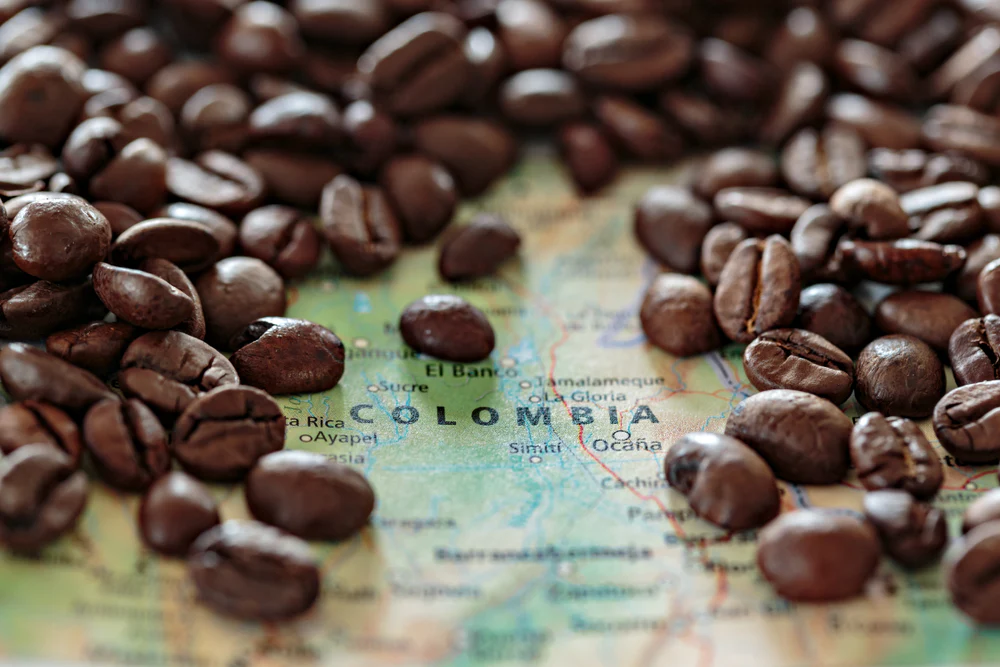
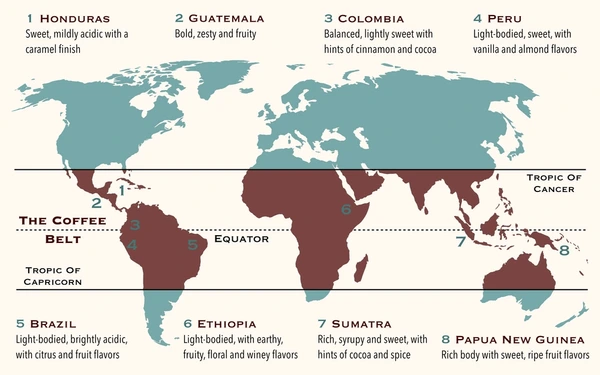
Colombia’s geography and coffee cultural landscape create the ideal environment for coffee growing production. Located in the coffee belt, the country offers the perfect balance of altitude, rainfall, and volcanic soil, essential for growing high-quality Arabica beans.

1. High-Altitude Advantage
The best Colombian coffee beans are grown at 1,200–2,200 meters above sea level. Higher altitudes slow down the coffee plant’s growth, allowing the coffee cherry to develop more complex flavors. This results in a smooth, well-balanced coffee taste with bright acidity and natural sweetness.
2. Volcanic Soil for Nutrient-Rich Beans
Regions like Caldas, Tolima, and Cauca benefit from volcanic soil, which is rich in minerals. This enhances the coffee bean’s flavor, giving Colombia’s coffee its distinctive depth and richness.
3. Consistent Rainfall & Bimodal Harvest
Unlike other coffee-growing countries, Colombia’s coffee industry benefits from a bimodal harvest season. This means coffee is produced almost year-round, ensuring fresh Colombian coffee beans are always available for export.
4. Diverse Microclimates = Unique Flavor Profiles
Different coffee regions in Colombia coffee produce distinct flavor profiles:
- Nariño & Cauca → Bright acidity, citrus notes.
- Eje Cafetero (Coffee Triangle) → Balanced, caramel, nutty tones.
- Sierra Nevada & Tolima → Full-bodied, chocolatey, smooth finish.
This geographic diversity allows Colombia’s coffee to cater to a wide range of coffee enthusiasts, from those who prefer a fruity, floral espresso to those who enjoy a rich, chocolatey brew.
Colombia’s unique growing conditions make it one of the world’s top coffee producers. These natural advantages, combined with expert coffee farmers, result in high-quality, specialty coffee that consistently ranks among the best coffee in the world.
100% Arabica Beans: The Key to Colombia’s Coffee Excellence
Colombia exclusively grows Arabica coffee, known for its superior quality, smooth taste, and complex flavors. Unlike Robusta beans, which are more bitter and contain higher caffeine levels, Arabica beans provide a refined coffee taste that appeals to coffee lovers worldwide.
1. Why Arabica Over Robusta?
- Better Flavor: Arabica coffee has smoother, more nuanced flavors, often featuring fruity, floral, caramel, or chocolatey notes.
- Lower Caffeine, Less Bitterness: Arabica contains about 50% less caffeine than Robusta beans, making it naturally less bitter.
- Ideal for Specialty Coffee: High-end coffee roasters and specialty coffee brands prefer Arabica beans for their balanced acidity and clean finish.

2. How Colombia’s Climate Enhances Arabica Beans
Growing Arabica coffee requires stable temperatures, high elevation, and well-drained soil. Colombia’s coffee-growing regions, including Caldas, Tolima, and Nariño, provide the perfect conditions for producing high-quality Arabica coffee beans.
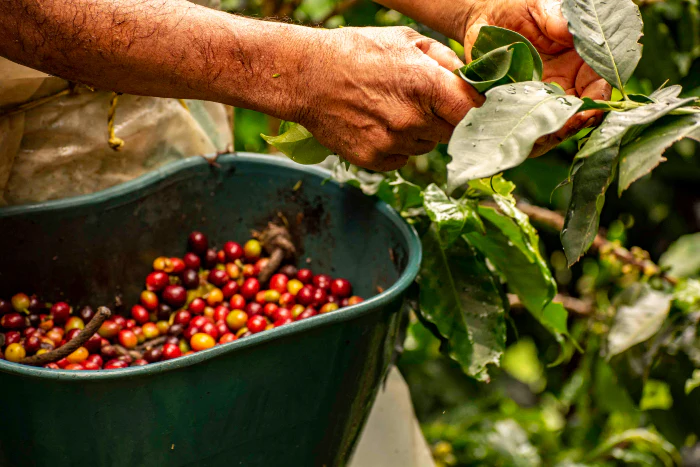
3. Hand-Picked for Perfection
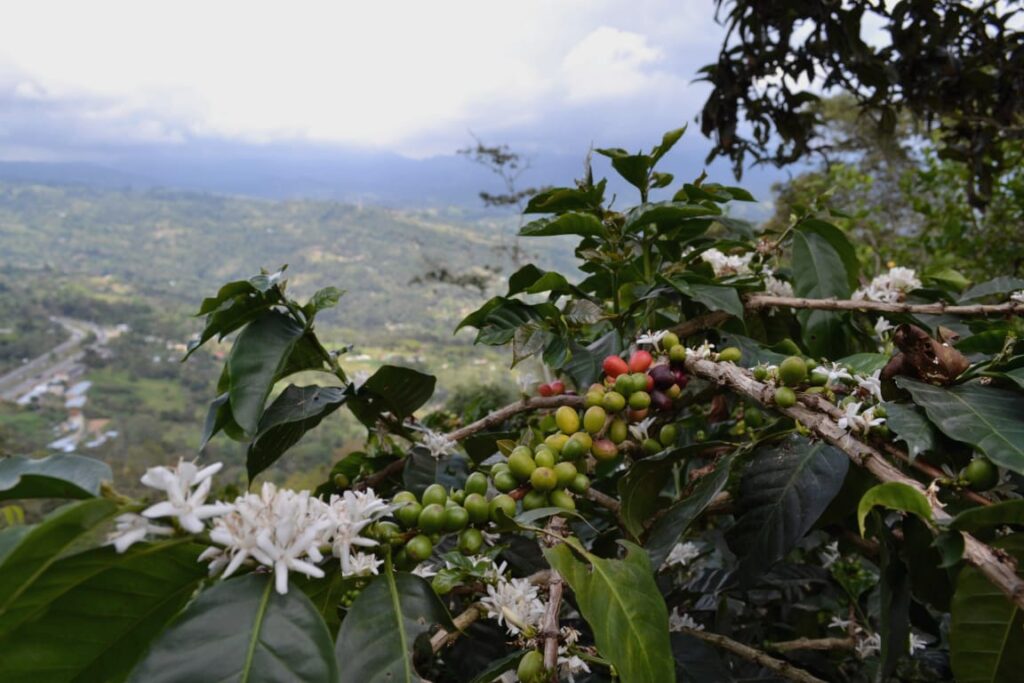
Unlike many coffee-producing countries, Colombian coffee farmers hand-pick every coffee cherry to ensure only fully ripe beans are processed. This method results in:
✔ More consistent quality
✔ Better flavor development
✔ Lower defect rates in green coffee
4. The Result: A Coffee Loved Worldwide
Thanks to Colombia’s coffee industry and dedicated coffee growers, Colombian coffee beans are some of the most sought-after coffee beans in the world. Whether you prefer ground coffee or whole bean coffee, the rich aroma and smooth profile of Colombian coffee make it a favorite for coffee enthusiasts everywhere.
Hand-Picked Harvesting: The Human Touch Behind Every Coffee Bean
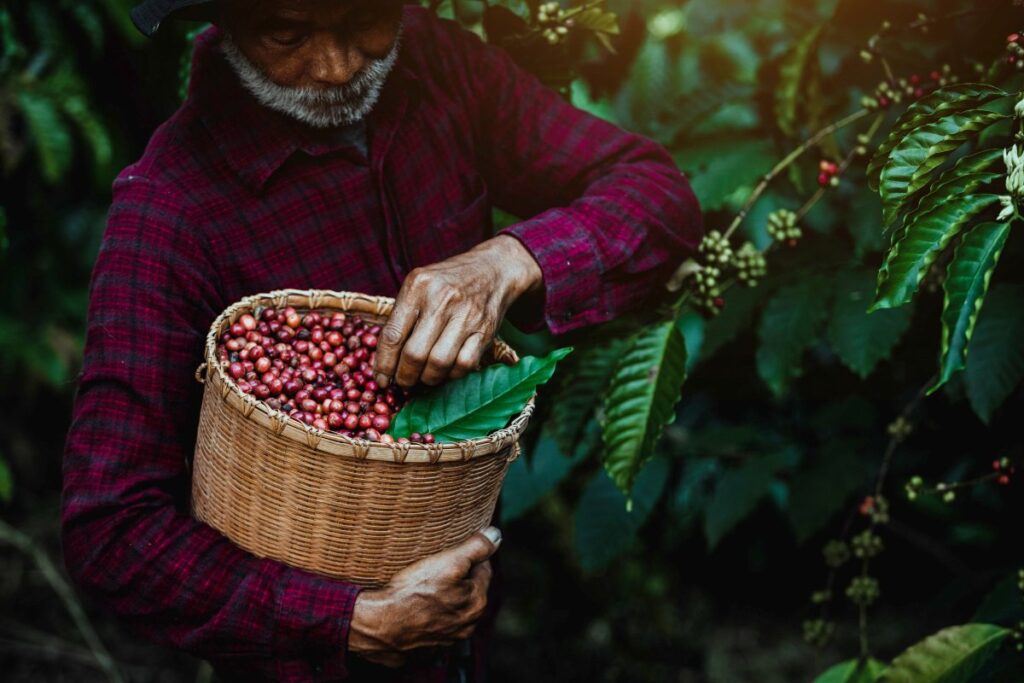
One of the biggest factors that set Colombian coffee apart is its hand-picking process. Unlike other coffee-producing countries that rely on machines, Colombian coffee farmers carefully hand-pick every coffee cherry, ensuring only the best coffee beans make it to market.
1. Why Hand-Picking Matters
The quality of coffee in Colombia is directly tied to its harvesting method. Coffee cherries don’t ripen all at once, which means mechanical harvesting can result in a mix of unripe, ripe, and overripe beans. By hand-picking, Colombian coffee growers select only fully ripe cherries, leading to:
- Better coffee taste
- Higher quality green coffee beans
- Consistent flavor profiles in every batch
2. The Expertise of Colombian Coffee Farmers
Harvesting Colombian coffee beans requires skill and experience. Smallholder coffee farmers—many of whom have been in the trade for generations—carefully inspect each coffee plant, selecting only the ripest cherries. This method protects the coffee crops and ensures a high-quality final product.
3. More Labour, Higher Quality
While hand-picking coffee is time-consuming, it directly impacts quality coffee. This process:
- Reduces defects in green coffee beans
- Enhances the complexity of flavors in Colombia’s coffee
- Ensures that every coffee bean meets specialty coffee standards
4. The Result: A Superior Cup of Coffee
The dedication of Colombian coffee growers to hand-harvesting means that every cup of Colombian coffee delivers rich aroma, smooth texture, and exceptional taste. This attention to detail is why Colombia remains one of the world’s top coffee producers.
Washed (Wet) Processing: Enhancing the Purity of Colombian Coffee
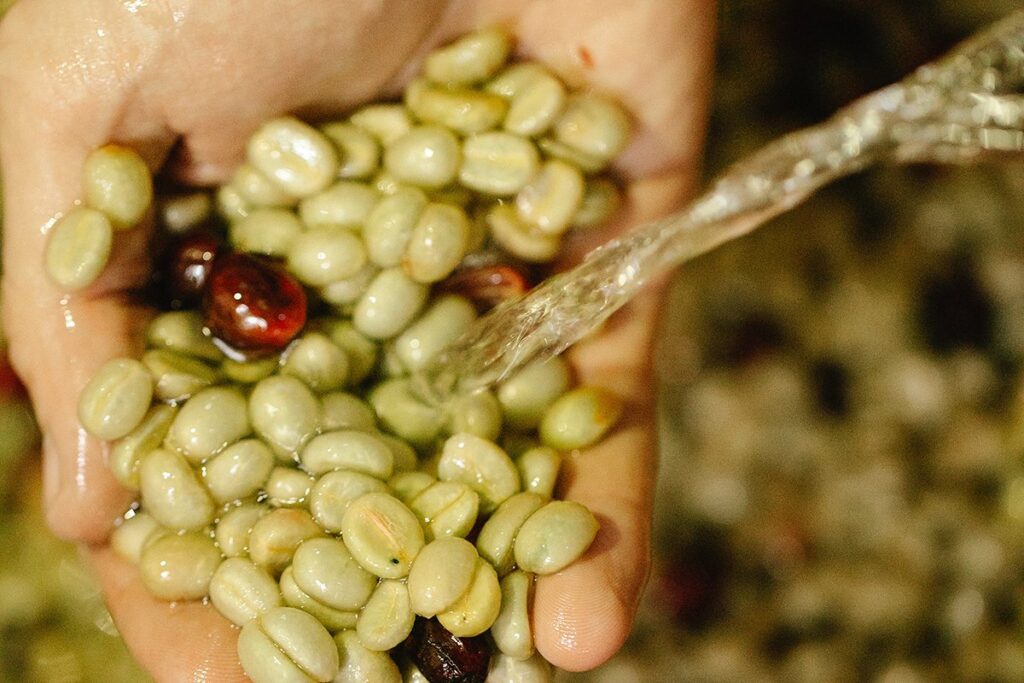
Once the coffee cherries are hand-picked, Colombian coffee beans undergo a meticulous washed (wet) processing method. This technique is a key factor in Colombia’s coffee quality, as it ensures a clean, bright coffee taste by removing unwanted flavors.
1. What Is Washed (Wet) Processing?
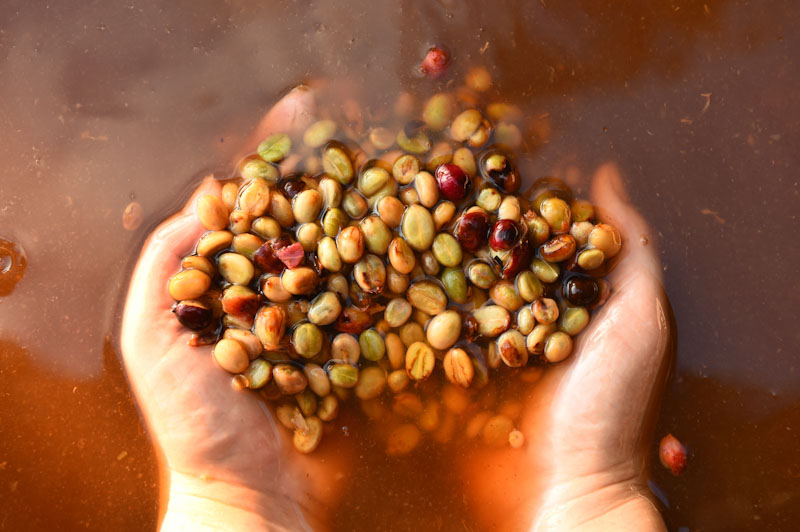
In this method, the outer fruit layer of the coffee cherry is removed using water fermentation, leaving behind only the coffee bean. This process helps preserve the natural flavors of the Arabica beans, resulting in a crisp, balanced coffee taste.
2. Why Washed Processing Matters for Colombian Coffee
- Removes Defects: Ensures that only high-quality coffee beans make it through.
- Enhances Flavor Clarity: Brings out bright, fruity, and floral notes.
- Eliminates Fermentation Risks: Prevents overripe or earthy flavors that can develop in natural-processed coffee.
3. The Impact on Colombian Coffee’s Taste Profile
The washed processing method allows Colombian coffee beans to develop clean and well-defined flavor notes. Depending on the coffee-growing region, you might taste:
- Citrusy acidity from high-altitude coffee regions like Nariño.
- Nutty and caramel-like sweetness from Eje Cafetero (Coffee Triangle).
- Rich chocolatey undertones from Sierra Nevada de Santa Marta.
4. How It Sets Colombian Coffee Apart
While other coffee-producing countries use natural or honey processing, Colombia’s coffee industry prioritizes the washed method to maintain high standards for coffee exports. This ensures that when you buy Colombian coffee beans, you’re getting some of the world’s top coffee in terms of clarity, consistency, and quality.
National Federation of Coffee Growers: The Backbone of Colombian Coffee Quality
The National Federation of Coffee Growers of Colombia (FNC) plays a critical role in maintaining Colombia’s coffee industry. Established in 1927, this organization ensures that Colombian coffee beans meet the highest quality standards before being exported worldwide.
1. What Is the National Federation of Coffee Growers?
The FNC is a non-profit organization that represents over 500,000 coffee farmers across Colombia’s coffee-growing regions. Its primary goal is to protect and promote Colombian coffee, ensuring that only the best coffee beans are sold in global markets.
2. How the FNC Maintains Colombian Coffee Quality
- Strict Quality Control: The FNC oversees every stage of coffee production, from harvest to export.
- Support for Coffee Growers: Provides training, resources, and fair trade opportunities for smallholder coffee farmers.
- Promotion of Colombian Coffee: Launched the famous Juan Valdez brand, which became a global symbol of high-quality Colombian coffee.
3. How the FNC Impacts Global Coffee Exports
Colombia’s coffee exports are tightly regulated by the FNC, ensuring that each batch meets international standards. This is why Colombian coffee consistently ranks among the world’s top coffee.
4. Why This Matters for Coffee Enthusiasts
When you buy Colombian coffee beans, you’re not just purchasing any coffee—you’re getting coffee that has been carefully grown, harvested, processed, and certified by one of the most trusted organizations in the coffee industry.
Diverse Flavor Profiles: A Coffee for Every Palate
One of the biggest reasons Colombian coffee stands out in the global coffee market is its diverse flavor profiles. Thanks to the country’s varied coffee-growing regions, each batch of Colombian coffee beans offers a unique coffee taste, appealing to different preferences.
1. How Geography Shapes Flavor
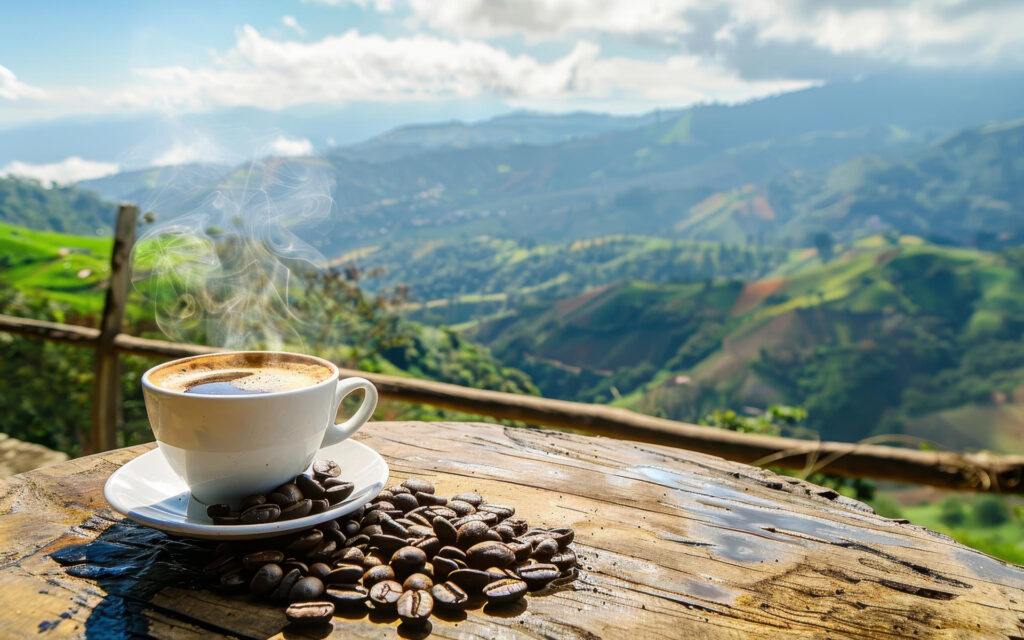
Colombia’s coffee-growing regions have distinct altitudes, climates, and soil compositions, which directly impact the coffee beans’ flavor profile. Depending on where the coffee is grown, the taste can range from bright and citrusy to rich and chocolatey.
2. Flavor Profiles by Region
- Nariño & Cauca: High-altitude regions known for bright acidity, citrus, and floral notes.
- Huila & Tolima: Balanced coffees with caramel, nutty, and fruity undertones.
- Eje Cafetero (Coffee Triangle: Caldas, Quindío, Risaralda) → Smooth, sweet flavors with chocolate and mild acidity.
- Sierra Nevada de Santa Marta: Lower-altitude coffee that’s bold, full-bodied, and rich with cocoa notes.
Unlike other coffee-producing countries, Colombia offers a wide spectrum of flavors, making it easy to find a Colombian coffee that matches your taste preferences. Whether you enjoy a bright espresso or a deep, chocolatey brew, there’s a Colombian specialty coffee for you.
For the freshest experience, consider buying whole bean coffee and grinding it right before brewing. Colombian coffee roasters often highlight the coffee’s origin, helping you explore the best Colombian coffee regions.
Global Recognition & Colombian Coffee’s Status Among the World’s Best

Colombian coffee isn’t just loved by coffee enthusiasts, it’s consistently ranked among the world’s top coffee due to its exceptional quality, unique flavor profiles, and meticulous production methods. This reputation has made Colombia one of the world’s leading coffee producers and a trusted source of specialty coffee.
1. Colombia: One of the World’s Top Coffee Producers
- Colombia is the third-largest exporter of coffee, after Brazil and Vietnam.
- The country produces an average of 12–14 million bags of coffee per year, making it one of the most important players in the global coffee market.
- Colombia’s coffee exports are distributed worldwide, with major markets including the United States, Europe, and Asia.
2. Protected Status & Global Recognition
- Colombian coffee has a Protected Geographical Indication (PGI) status, ensuring its authenticity and high-quality standards.
- Awards like the Cup of Excellence continue to recognize Colombian coffee farmers for producing some of the best coffee in the world.
- The Juan Valdez brand, created by the National Federation of Coffee Growers, has become a global symbol of quality Colombian coffee.
3. Why Colombian Coffee Is a Favorite Among Specialty Roasters
Many specialty coffee roasters seek Colombian coffee beans due to their consistent quality, well-balanced acidity, and versatile flavor profiles. Whether for espresso, pour-over, or cold brew, Colombian coffee delivers an experience that coffee lovers trust.
4. What This Means for Coffee Drinkers
If you’re looking for a high-quality cup of coffee, buying Colombian coffee beans is one of the best choices you can make. Thanks to Colombia’s strict coffee industry standards, every cup offers exceptional taste and aroma, making it a top pick for coffee enthusiasts around the world
The Future of Colombian Coffee: Sustainability & Innovation
As Colombia’s coffee industry continues to thrive, sustainability and innovation are becoming key priorities. With climate change affecting coffee production and consumer demand shifting toward eco-friendly and ethically sourced coffee, Colombian coffee growers are adapting to ensure a sustainable future for one of the world’s top coffee exports.
1. Climate Change & Its Impact on Coffee Production
- Rising temperatures and unpredictable rainfall are affecting coffee-growing regions in Colombia.
- High-altitude regions like Nariño and Tolima may become more valuable as they offer cooler temperatures for growing Arabica beans.
- Research and investment in climate-resistant coffee plant species are becoming a priority.
2. Sustainable Farming Practices in Colombian Coffee
- Many Colombian coffee farmers are shifting to shade-grown coffee, which helps protect the ecosystem and improves coffee quality.
- The National Federation of Coffee Growers supports programs that promote organic farming, water conservation, and biodiversity protection.
- More coffee farms are adopting fair trade and direct trade models, ensuring that smallholder coffee farmers receive fair wages.
3. Innovation in Coffee Processing & Technology
- Colombian coffee growers are experimenting with new fermentation methods to create unique specialty coffee profiles.
- Advancements in green coffee processing reduce water waste and improve efficiency.
- The rise of technology in the coffee supply chain—from blockchain tracking to AI-driven quality control—ensures Colombia’s coffee industry stays ahead in the global coffee market.
4. The Future of Colombian Coffee for Consumers
- With increasing demand for sustainably sourced coffee, expect to see more eco-friendly packaging, carbon-neutral farms, and ethically traded Colombian coffee in stores.
- Specialty Colombian coffee roasters will continue to experiment with new coffee flavors and brewing techniques, offering more diverse options for coffee lovers.
- Buying Colombian coffee beans from ethical sources will help support the future of coffee farming in Colombia, ensuring that coffee produced responsibly for generations to come.
Conclusion
Colombian coffee industry stands out for its exceptional quality, rich flavors, and expert cultivation. Thanks to ideal growing conditions, 100% Arabica beans, hand-picked harvesting, and strict quality control, Colombia remains one of the world’s top coffee producers.
Whether you enjoy a bright, citrusy brew or a smooth, chocolatey cup, there’s a Colombian coffee for every taste. With a strong commitment to sustainability and innovation, Colombia’s coffee industry is set to thrive for years to come.
Credits to Nordic Approach
What’s Your Favorite Colombian Coffee?
Do you prefer the bright acidity of Nariño or the chocolatey richness of Sierra Nevada? Have you tried different coffee-growing regions in Colombia? Share your thoughts in the comments below!