
In espresso brewing, grind size isn’t just a detail—it’s a major variable that determines whether your shot is balanced, bitter, or sour. Even with high-end machines, top-tier beans, and perfect dosing, a misaligned grind size can throw your extraction off completely. Understanding grind size impact on espresso quality is essential for mastering your brewing game.
⚡ Quick Answer
Grind size directly controls espresso extraction by affecting water flow rate and the surface area that contacts coffee grounds. A finer grind slows water flow and increases extraction, while a coarser grind speeds flow and reduces extraction. Getting this balance right is the difference between a perfectly balanced shot and one that’s bitter from over-extraction or sour from under-extraction.
☕ How We Test
Every machine reviewed on Espresso and Machines has been physically tested by Jose Villalobos using standardized shot parameters: 18-20 grams of freshly ground coffee, 36-40 gram output, 25-30 second extraction time. We test with at least 3 different bean origins across light, medium, and dark roasts over a minimum 30-day period. Jose has tested 150+ machines since 2018 — starting with a cheap eBay machine and working up to $5,000+ prosumer setups. No sponsored content. No manufacturer talking points. Just real testing.
📊 Key Facts
- Fact: A finer grind increases extraction speed by exposing more coffee surface area to water
- Fact: A coarser grind reduces extraction by limiting water contact time with coffee particles
- Fact: Wrong grind size can ruin espresso extraction even with premium equipment and perfect beans
- Fact: Grind size controls espresso quality by managing water flow rate and coffee surface area contact
- Fact: Proper grind size balance prevents bitter over-extraction and sour under-extraction in espresso shots
In this guide, we’ll break down how grind size for espresso impacts the quality, flow rate, extraction yield, flavor balance, and consistency. You’ll learn how to dial it in like a pro—and what signs to watch for when it’s off.
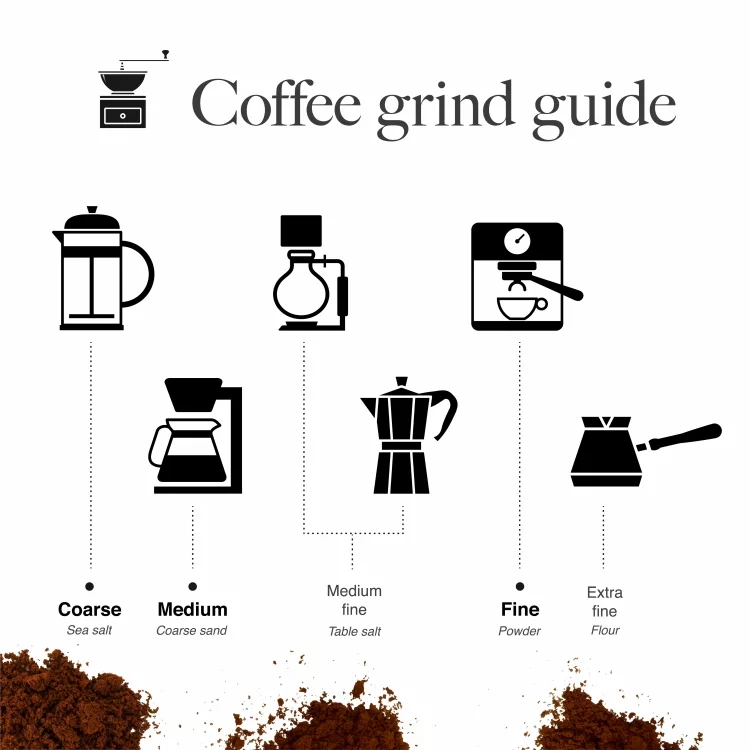
Why Grind Size for Espresso Matters in Brewing
The Significance of Grind Size in Espresso Preparation
If you’ve ever sipped on a lackluster espresso, chances are the grind size played a major role in that disappointment. Grind size is one of the most critical factors in the espresso-making process, directly influencing the quality, extraction, and overall flavor of your brew. Understanding this variable can elevate your espresso game from ordinary to extraordinary.
Extraction Explained: Extraction is the process of pulling flavors, oils, and aromas from the coffee grounds using hot water. The grind size directly affects this process. A finer grind increases the surface area exposed to water, speeding up extraction. Conversely, a coarser grind slows it down. This balance is crucial because it determines how much flavor is extracted from the coffee grounds. Proper extraction ensures that you get a full-bodied, aromatic, and flavorful espresso.
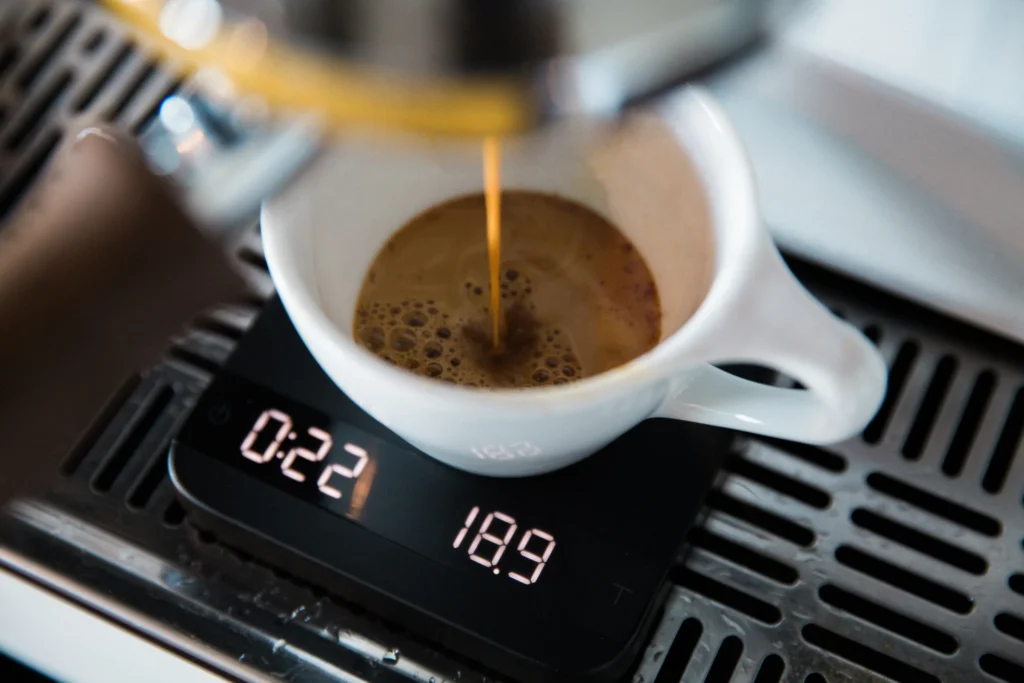
Quality Matters: When it comes to espresso, quality is everything. The grind size can make the difference between a rich, flavorful shot and a bitter or weak disappointment. Too fine a grind, and your espresso can be over-extracted, leading to a bitter, unpleasant taste. Too coarse, and it can be under-extracted, resulting in a weak, sour shot. Finding that sweet spot is essential for achieving the perfect balance of flavors.
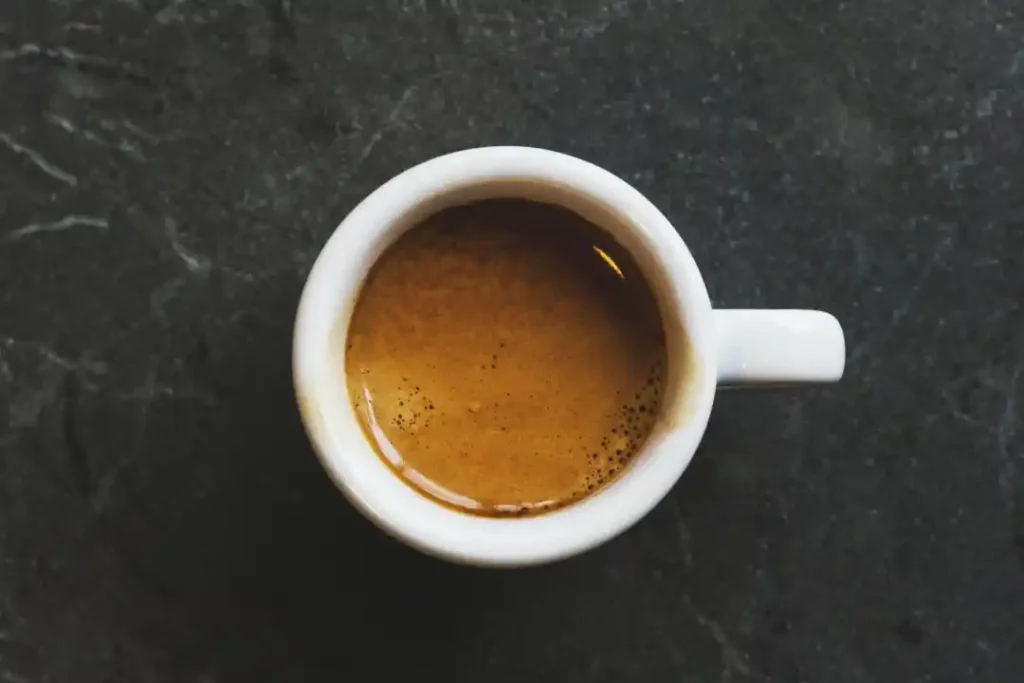
Flavor Explosion: The ultimate goal of any espresso lover is to savor that perfect shot, rich with complex flavors. The grind size can either enhance or mask these flavors. With the right grind, you can highlight the coffee’s natural sweetness, acidity, and bitterness in a harmonious blend. A consistent grind size ensures uniform extraction, allowing each sip to deliver a balanced and enjoyable taste experience.
Extraction Times
One of the most fascinating aspects of espresso making is how something as seemingly simple as grind size can dramatically influence extraction times. The grind size determines how quickly or slowly water passes through the coffee grounds, directly affecting the flavor and quality of the final espresso shot.
Finer Grind, Faster Extraction
A finer grind means that the coffee particles are smaller, creating a larger surface area for water to interact with. This increased surface area allows water to extract flavors more quickly. However, there’s a delicate balance to strike. If the grind is too fine, the water might flow too slowly, leading to over-extraction. Over-extraction can result in a bitter, overly strong espresso that lacks nuance and balance.
Coarser Grind, Slower Extraction
On the flip side, a coarser grind means larger coffee particles with less surface area. This slows down the water flow and the extraction process. If the grind is too coarse, the water will pass through too quickly, leading to under-extraction. Under-extracted espresso tends to be weak, sour, and lacking in depth.
Optimal Extraction Times
Finding the right grind size for your espresso machine is crucial for achieving optimal extraction times. Here are some general guidelines:
- Finer Grind: If you’re using a finer grind, aim for an extraction time of around 25-30 seconds. This should produce a rich, balanced espresso with good crema.
- Medium Grind: For a medium grind, an extraction time of 20-25 seconds is ideal. This will give you a well-rounded shot with a harmonious blend of flavors.
- Coarser Grind: If you opt for a coarser grind, you’ll want to aim for an extraction time of 15-20 seconds. Be cautious, as going too coarse can result in an espresso that’s too weak and acidic.
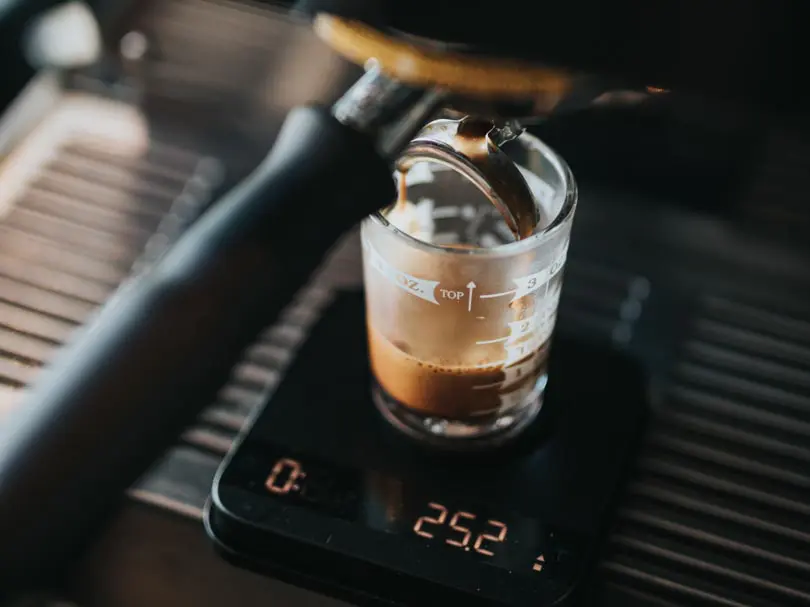
Espresso making is as much an art as it is a science. While these guidelines provide a starting point, the perfect grind size and extraction time can vary based on your specific beans, machine, and personal taste preferences. Don’t be afraid to experiment with different grind sizes and extraction times until you find what works best for you. Consistency is key, so once you’ve found your sweet spot, stick to it to ensure each shot is as delightful as the last.
The Impact of Grind Size on Flavor Profiles
The grind size of your coffee beans significantly influences the flavor profiles of your espresso. The size of the grind affects not only the extraction process but also the resulting taste, aroma, and texture of the espresso. Let’s delve into how different grind sizes shape the sensory experience of your shot.

Fine Grind: Intense and Rich
Using a fine grind for your espresso generally results in a more intense and rich flavor profile. The increased surface area of the fine particles allows for more rapid and thorough extraction of the coffee’s soluble compounds. This can lead to a strong, full-bodied espresso with a bold aroma and a thick, velvety crema on top. However, if the grind is too fine, it can cause over-extraction, leading to:
- Bitter Taste: Over-extracted espresso tends to be overly bitter and harsh, overshadowing the coffee’s natural sweetness and complexity.
- Dry and Astringent Texture: The texture may become dry and astringent, leaving an unpleasant aftertaste.
Coarse Grind: Light and Nuanced
A coarser grind will produce a lighter, more nuanced espresso. The larger particles slow down the extraction, resulting in a different balance of flavors. Coarse grinds can highlight the coffee’s more delicate notes, such as floral or fruity undertones. However, if the grind is too coarse, it can lead to under-extraction, resulting in:
- Sour Taste: Under-extracted espresso is often sour and acidic, as not enough of the coffee’s natural oils and flavors are extracted.
- Thin and Watery Texture: The texture might be thin and watery, lacking the rich body and mouthfeel of a well-extracted shot.
Finding the Sweet Spot
To illustrate the impact of grind size on flavor profiles, consider the following scenarios:
- Fine Grind, 25-30 Second Extraction: Produces a balanced espresso with rich, bold flavors, a hint of sweetness, and a creamy texture. The aroma is strong and inviting.
- Too Fine Grind, 35+ Second Extraction: Results in a bitter, over-extracted espresso with a harsh aftertaste and a dry, astringent texture.
- Coarse Grind, 15-20 Second Extraction: Yields a light, nuanced espresso with subtle floral or fruity notes, a pleasant acidity, and a smooth mouthfeel.
- Too Coarse Grind, Under 15 Second Extraction: Leads to a weak, sour espresso with a thin texture and a lack of complexity.
Balancing Flavor
Profiles To achieve the desired flavor profile, it’s essential to find the right balance between grind size and extraction time. A good starting point is to adjust your grind size based on the taste of your espresso:
- If the espresso is too bitter: Try a slightly coarser grind to reduce over-extraction.
- If the espresso is too sour: Try a slightly finer grind to increase extraction.
Remember, the perfect grind size can vary depending on the coffee beans, espresso machine, and personal taste preferences. Continuous tasting and adjustment are key to mastering the flavor profiles of your espresso.
Common Mistakes and Fixes
Even seasoned baristas and homebrewers can encounter issues with grind size that negatively impact espresso quality. Identifying and correcting these common mistakes can significantly improve your espresso. Here are some practical tips and solutions to help you troubleshoot and achieve the perfect shot.
1. Grind Size Too Fine
Symptoms:
- Bitter and harsh flavor
- Slow extraction time (over 30 seconds)
- Espresso puck is overly compact and difficult to remove
Fixes:
- Adjust the Grind Size: Move to a slightly coarser grind. This will allow water to flow more freely, reducing extraction time and bitterness.
- Monitor Extraction Time: Aim for an extraction time of 25-30 seconds. Adjusting the grind size should help achieve this balance.
2. Grind Size Too Coarse
Symptoms:
- Sour and acidic flavor
- Fast extraction time (under 20 seconds)
- Espresso puck is loose and watery
Fixes:
- Adjust the Grind Size: Shift to a finer grind. This increases surface area, slowing down the extraction and enhancing flavor.
- Monitor Extraction Time: Aim for an extraction time of 25-30 seconds. A finer grind should help achieve this ideal range.
3. Inconsistent Grind Size
Symptoms:
- Uneven extraction (some parts of the puck are over-extracted, others are under-extracted)
- Mixed flavors (bitter and sour notes in the same shot)
- Inconsistent crema
Fixes:
- Use a Quality Grinder: Invest in a burr grinder, which provides a more consistent grind compared to blade grinders.
- Calibrate Your Grinder: Regularly check and adjust your grinder settings to ensure consistency.
Practical Tips for Achieving Desired Espresso Quality
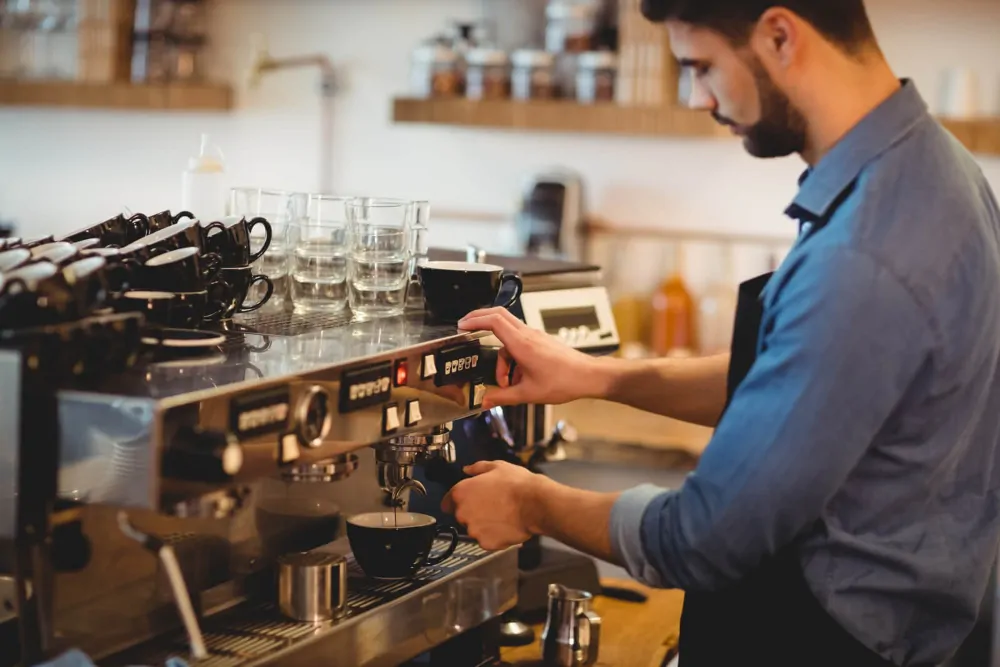
1. Dialing In
- Start with a Baseline: Choose a grind size and pull a shot. Note the extraction time and taste.
- Adjust Incrementally: Make small adjustments to the grind size and observe the changes in extraction time and flavor.
- Taste and Tweak: Continuously taste your espresso and make adjustments based on flavor and extraction time until you find the perfect balance.
2. Monitoring Brew Parameters
- Dose: The amount of coffee used should remain consistent. Any variation can affect extraction time and flavor.
- Tamping Pressure: Apply even and consistent pressure when tamping the coffee grounds. Uneven tamping can lead to channeling and uneven extraction.
- Water Temperature: Ensure your machine is operating at the correct temperature (195-205°F). Water that’s too hot or too cold can affect extraction and flavor.
3. Regular Maintenance
- Clean Your Grinder: Residual coffee oils and particles can affect the consistency and flavor of your grind. Regular cleaning helps maintain grinder performance.
- Descale Your Espresso Machine: Mineral buildup can affect water flow and temperature. Regular descaling ensures optimal machine performance.
Final Thoughts
Mastering grind size is crucial for brewing the perfect espresso. By understanding common mistakes and implementing practical fixes, you can significantly improve your espresso quality. Remember, consistency and attention to detail are key. Keep experimenting, tasting, and adjusting until you achieve that ideal shot.
In conclusion, troubleshooting grind size issues involves recognizing common mistakes and applying targeted solutions. With these tips, you can enhance your espresso-making skills and enjoy consistently delicious shots.