
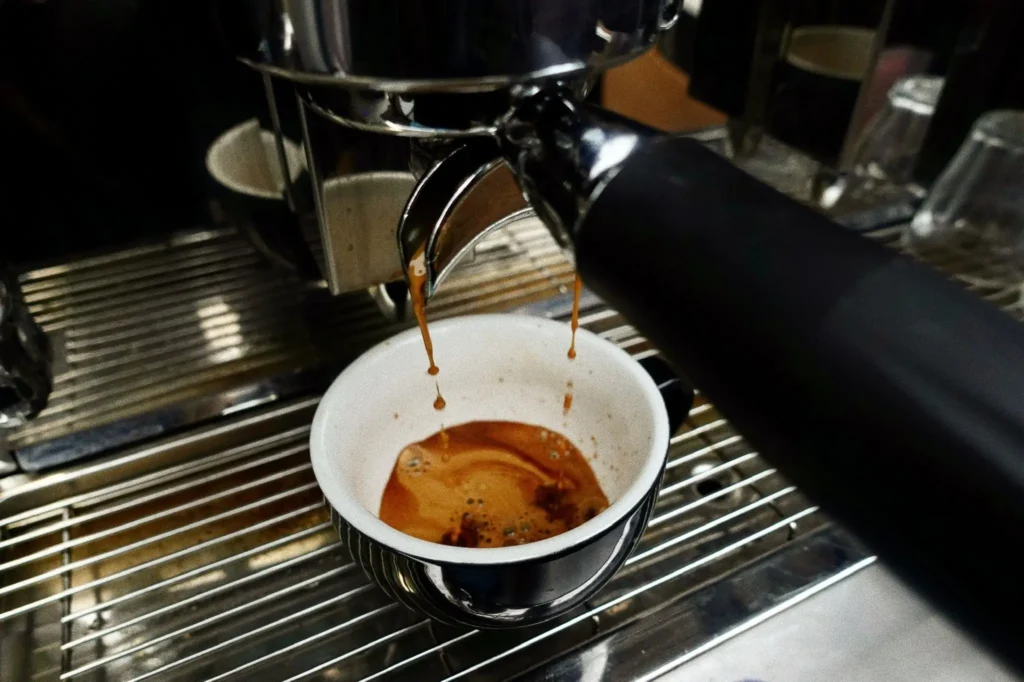
What is espresso under extraction and how to avoid — Under extraction occurs when water passes through espresso grounds too quickly, failing to dissolve enough soluble compounds. This results in sour, thin, weak shots lacking body and sweetness. You can avoid it by using finer grind sizes, increasing tamping pressure, distributing grounds evenly, and ensuring proper water temperature and machine maintenance.
What is Espresso Under Extraction and How to Avoid It: A Complete Guide
What is espresso under extraction and how to avoid it is one of the most fundamental questions any espresso enthusiast should ask themselves when dialing in their machine. If you’ve ever pulled a shot that tasted aggressively sour, thin, and watery—leaving your palate puckered instead of satisfied—you’ve likely experienced under extraction. This common brewing problem affects home baristas and café operators alike, but the good news is that understanding the science behind it puts you firmly in control.
What is Espresso Under Extraction and How to Avoid the Problem?
Defining Espresso Under Extraction
Under extraction happens when hot water rushes through your espresso puck too quickly, without spending enough contact time to dissolve the desirable soluble compounds trapped inside the coffee grounds. Think of it like brewing tea—if you only dunk the bag for five seconds, you’ll get weak, flavorless water. The same principle applies to espresso.
During a properly extracted shot, water should spend between 25 and 30 seconds in contact with the grounds. This timeframe allows the extraction process to dissolve approximately 18-22% of the coffee’s soluble mass. When extraction happens too fast, you’re only pulling out 14-17% of those solubles, leaving behind the sweet, balanced flavors and capturing mostly the harsh, acidic compounds that dissolve first.
The result? A sour, thin espresso that lacks body, sweetness, and complexity. Many inexperienced baristas mistake this sourness for a sign they need a lighter roast, when really the problem sits squarely in their technique.
Why Under Extraction Matters
You’ll notice the impact immediately in your cup. Under extracted espresso tastes sharply sour with a papery or thin mouthfeel. It lacks the creamy texture you expect from a proper shot, and the flavor profile becomes one-dimensional rather than showcasing the coffee’s origin characteristics.
This problem also affects milk-based drinks disproportionately. When you under extract espresso before steaming milk, the sourness cuts through the milk’s natural sweetness, creating an imbalanced, unpleasant cappuccino or latte. Customers notice immediately, and your reputation suffers.
How to Identify Under Extraction in Your Shots
Sharp, sour taste is the primary indicator, but there are other telltale signs. The shot pulls faster than 20 seconds (ideally 25-30 seconds for a double shot). You’ll see little to no crema on the surface. The espresso looks thin and watery rather than syrupy. If you’re experiencing these symptoms, under extraction is likely your culprit.
The Root Causes Behind Under Extraction in Espresso
Grind Size Too Coarse
Your grind size is the single most impactful variable in extraction control. When grounds are too coarse, water finds pathways of least resistance through the puck. Large particles don’t present enough surface area for water to interact with, so dissolution happens incompletely.
Imagine the difference between sand and pebbles. Water flows right through pebbles, but sand creates resistance that slows the flow. For espresso, you need a grind fine enough to create that resistance while remaining fine enough that you can still tamp effectively and pull shots within the ideal timeframe.
Insufficient Tamping Pressure
Many home baristas under-tamp, thinking they’ll choke the machine or damage the equipment. In reality, espresso requires firm, consistent tamping—typically around 30 pounds of pressure. Light tamping leaves gaps in your puck where water channels through, bypassing large portions of the grounds entirely.
You don’t need to tamp like you’re angry at the portafilter, but you do need to tamp with purpose. A light, inconsistent tamp is actually worse than no tamp at all, because it creates uneven density that guarantees channeling and under extraction.
Uneven Distribution and Channeling
Before you tamp, the grounds need to be distributed evenly across the basket. Clumps, air pockets, or uneven mounding create areas where water rushes through, completely bypassing surrounding grounds. This channeling accelerates shot times and guarantees under extraction.
Use a distribution tool or even just your finger to gently level the grounds after dosing. Some baristas swear by WDT (Weiss Distribution Technique), which involves gently breaking up clumps with a needle-thin tool before tamping. This simple step often eliminates under extraction problems entirely.
Water Temperature Issues
Espresso requires water heated to approximately 200-205°F (93-96°C). If your machine runs cooler than this, extraction slows dramatically. Cold water simply can’t dissolve soluble compounds as efficiently as properly heated water, resulting in under extraction even when other variables are correct.
This is why espresso machines need proper warm-up time. A machine that’s only been on for two minutes won’t deliver consistent temperatures, especially in the group head where the actual brewing happens.
Machine Maintenance and Cleanliness
A dirty shower screen, group head, or portafilter basket can prevent water from distributing evenly across your puck. Buildup of old coffee oils and residue creates barriers that force water to take shortcuts rather than flowing through the grounds uniformly.
Backflushing (running water through the group head without the portafilter) and deep cleaning your basket weekly prevents this accumulation. Many baristas are shocked at how much their extraction improves simply from proper machine maintenance.
How to Fix Under Extraction: Practical Solutions You Can Implement Today
Adjust Your Grind Finer
Start here—this is usually your first and best move. If your shots are pulling in under 20 seconds, your grind is almost certainly too coarse. Move your grinder’s setting slightly finer and pull another test shot. You might need to make several micro-adjustments before landing in the sweet spot.
Work methodically. Don’t jump multiple settings at once. Small adjustments compound quickly, and you’ll dial in much faster by making incremental changes. Keep notes of your settings so you can reference them later.
Increase Tamping Pressure and Consistency
Apply steady, perpendicular pressure when tamping. Your tamp should feel solid and purposeful. Aim for around 30 pounds of force—you can practice on a bathroom scale until it feels natural. The goal is consistent, level tamping every single time.
Consider investing in a calibrated tamper or even an automatic tamper if you’re struggling with consistency. Some baristas benefit tremendously from mechanical aids that remove guesswork from this critical step.
Use Distribution Techniques
Implement a routine: dose your grounds, use a distribution tool to level them, then tamp firmly and evenly. Some baristas add a final light polish tamp after the initial firm tamp. This polish ensures the puck surface is completely level and dense.
WDT (Weiss Distribution Technique) involves using a small needle or specialized tool to gently separate clumps in your puck before tamping. While it takes a few extra seconds, many espresso enthusiasts find it eliminates under extraction and improves consistency dramatically.
Verify Your Water Temperature
Use a quality thermometer to check your actual brew temperature. Some espresso machines run 5-10°F cooler than the dial suggests. If you’re consistently pulling cool shots, you might need to adjust the thermostat, run longer warm-ups, or investigate whether your heating element needs replacement.
Lighter roasted coffees sometimes benefit from water on the hotter end of the spectrum (204-205°F), while darker roasts can handle slightly cooler water. But never go below 200°F, as this almost guarantees under extraction.
Clean Your Machine Thoroughly
Backflush your group head daily if your machine has a 3-way solenoid valve. Run a blind basket (no grounds or filter) with a small amount of espresso machine cleaner weekly to deep clean the group head. Soak your portafilter basket in hot water with espresso cleaner periodically to dissolve buildup.
A clean machine pulls better shots. It’s that simple. Budget 10 minutes daily for maintenance, and you’ll eliminate entire categories of extraction problems.
Dial-In Checklist: Your Step-by-Step Path to Perfect Extraction
The Sequential Adjustment Method
Rather than changing multiple variables simultaneously, work through this checklist in order:
- Check cleanliness: Backflush the group head. Soak the basket. Ensure water flows cleanly.
- Verify temperature: Use a thermometer to confirm your water is 200-205°F.
- Dose consistently: Use the same amount of grounds every time (18-20g for double baskets).
- Distribute evenly: Use a distribution tool or WDT to level grounds.
- Tamp firmly: Apply 30 pounds of perpendicular pressure with a level tamp.
- Pull a test shot: Time it from first contact with water to the last drop.
- Adjust grind: If pulling under 20 seconds, go finer. If over 35 seconds, go coarser.
- Repeat: Pull 2-3 consecutive shots with the same settings. Consistency matters more than perfection.
What to Watch For
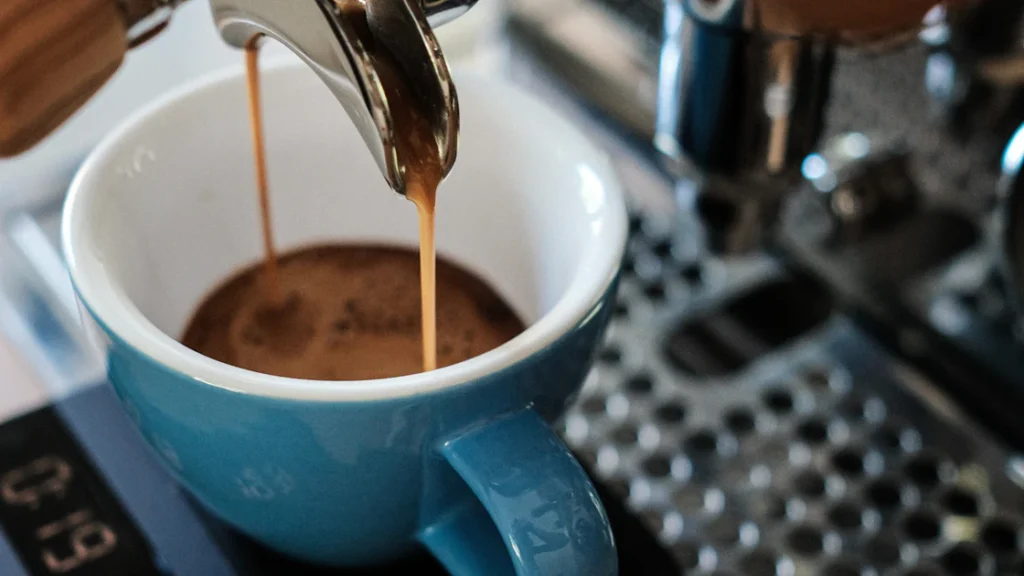
During extraction, observe the flow from the spout. Under extracted shots have a gushing appearance initially, with water flowing too rapidly. Properly extracted shots show a steady, honey-like flow that remains relatively consistent throughout the pull.
The first few seconds of flow should be dark (all the dissolved compounds), and as the shot progresses, it should gradually lighten in color. If it’s light brown throughout or gushes heavily the entire time, under extraction is occurring.
Common Mistakes During Dial-In
Don’t change grind and dose simultaneously—you won’t know which variable helped. Don’t skip the distribution step thinking it’s unnecessary—it’s not. Don’t tamp inconsistently, sometimes light and sometimes heavy, as this ensures erratic results.
Also resist the urge to pull shots back-to-back while dialing in. Pull one shot, make one adjustment, and pull the next. This lets you isolate the effect of each change clearly.
Understanding Extraction Yield and Your Target Numbers
The Science Behind Extraction Percentage
Extraction yield measures the percentage of soluble compounds you’ve successfully dissolved from the ground coffee. Espresso’s target range is 18-22%, which might sound narrow but actually represents the sweet spot for balanced flavor.
Below 18% extraction (under extraction), you’re pulling mostly sour, acidic compounds that dissolve first. Above 22% (over extraction), you’re pulling bitter, astringent compounds that dissolve later. The ideal zone captures the balanced middle.
How Shot Time Correlates to Extraction
| Shot Time | Likely Outcome | Grind Adjustment |
|---|---|---|
| Under 20 seconds | Under extraction (sour, thin) | Go finer |
| 25-30 seconds | Ideal extraction (balanced, sweet) | No adjustment needed |
| Over 35 seconds | Over extraction (bitter, astringent) | Go coarser |
These are approximate ranges and can shift based on your specific coffee, roast level, and machine. But they provide an excellent starting point for dialing in any new coffee.
Taste-Based Evaluation
Numbers matter, but your palate is your best tool. A properly extracted shot should taste balanced with sweetness, acidity, and body in harmony. It should have a smooth, creamy mouthfeel and complex flavor notes reflecting the coffee’s origin.
As you gain experience, you’ll recognize under extraction instantly: sour, thin, one-dimensional flavor with a sharp aftertaste. At that point, dialing in becomes intuitive rather than mechanical.
Frequently Asked Questions
What does under extracted espresso taste like?
Under extracted espresso tastes aggressively sour with a sharp, papery flavor. It lacks sweetness and body, feeling thin and watery on your palate. The sourness often reminds people of unripe fruit or vinegar. If you’re experiencing this taste, what is espresso under extraction and how to avoid it should be your immediate focus.
Can I fix under extraction by using hotter water?
Hotter water accelerates extraction slightly, but it’s not a proper fix for under extraction. The real solution involves adjusting your grind finer or improving your tamping technique. Using extremely hot water as a bandage masks the underlying problem and can introduce other issues like bitter flavors.
How long should an espresso shot take to pull?
A standard double shot should pull in 25-30 seconds from the moment water first contacts the grounds to the last drop falling. If you’re consistently pulling under 20 seconds, your setup is creating under extraction. Grind adjustment is your first troubleshooting step.
What’s the difference between under extraction and channeling?
Channeling is a specific form of under extraction caused by uneven puck density. Water creates pathways through the grounds, completely bypassing surrounding areas. While all channeling results in under extraction, not all under extraction is caused by channeling—loose grounds throughout the puck also cause it. Understanding what is espresso under extraction and how to avoid means addressing both issues.
Does grind size matter more than tamping pressure?
Grind size is typically your most impactful variable for controlling shot time and avoiding under extraction. However, tamping pressure matters significantly. Both must be correct to achieve consistent, properly extracted shots. Think of grind as your primary dial and tamping as your fine-tuning mechanism.
How often should I clean my espresso machine to prevent under extraction?
Backflush daily if your machine supports it. Deep clean with espresso machine cleaner weekly. Soak your basket and portafilter in hot water with cleaner periodically. A clean machine eliminates water distribution problems that cause under extraction. Regular maintenance is easier than constant troubleshooting.
Can a cheap espresso machine prevent me from avoiding under extraction?
Budget machines can pull acceptable shots, but they often struggle with temperature stability and water pressure consistency. However, understanding what is espresso under

12 Responses