Hey there, coffee lovers! If you’ve been bitten by the coffee bug and have a Moka Pot as your brewing weapon of choice, you’re in for a treat. The Moka Pot, that charming stovetop coffee maker, is a staple in many coffee enthusiasts’ kitchens. Known for its ability to produce rich, espresso-like coffee without the need for a fancy machine, it’s no wonder this little pot has a big following.
However, as magical as the Moka Pot is, it does come with its quirks. One of the most common (and frustrating) issues is Moka Pot Overheating. Not only can this mess with your coffee’s flavor, but it can also damage your beloved pot. So, how do you keep your Moka Pot from turning into a boiling cauldron of disappointment? Stick around, and I’ll share some hot (pun intended) tips to help you brew the perfect cup every time.

What is a Moka Pot?
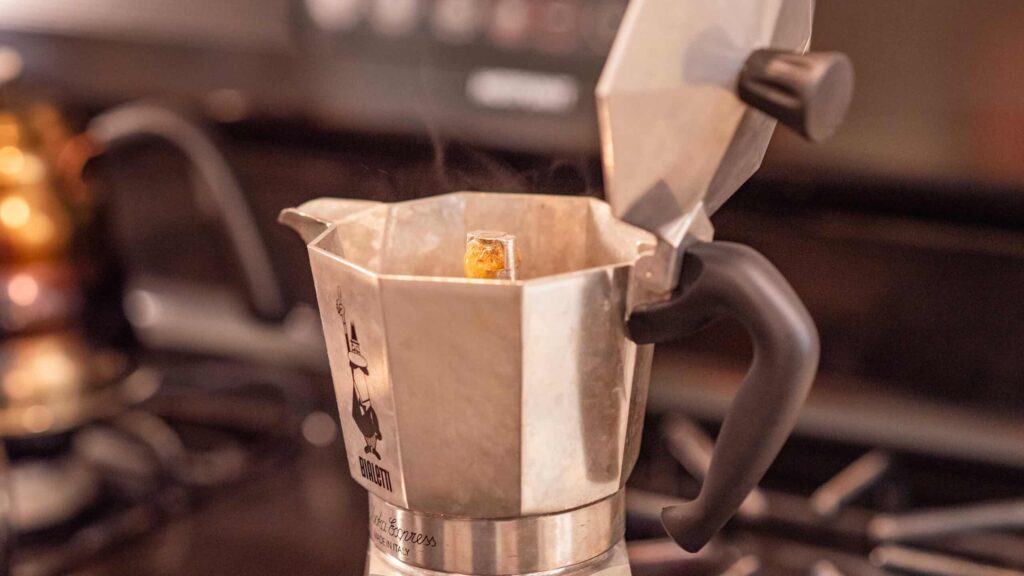
Before we dive into the nitty-gritty of preventing overheating, let’s take a quick detour for those who are new to the Moka Pot world. Invented by Alfonso Bialetti in 1933, the Moka Pot brews coffee by passing boiling water pressurized by steam through ground coffee. It’s simple, elegant, and with a bit of practice, it can make a killer cup of coffee that rivals your favorite café.
The Overheating Dilemma
Alright, let’s talk about the elephant in the room – overheating. When your Moka Pot gets too hot, several things can go wrong:
- Bitter Coffee: Overheating can scorch the coffee grounds, leading to a bitter, burnt flavor.
- Warped Pot: Excessive heat can warp or damage the metal of the Moka Pot, shortening its lifespan.
- Safety Concerns: Overheating increases the pressure inside the pot, which can be dangerous if not properly managed.

Nobody wants a cup of coffee that tastes like it’s been brewed in a volcano or a Moka Pot that looks like it’s been through a war. So, let’s get into how to keep things cool and under control.
How a Moka Pot Works
Let’s break down the magic of the Moka Pot. This nifty device consists of three main parts: the bottom chamber (which holds the water), the filter basket (where you put your coffee grounds), and the top chamber (where the brewed coffee ends up). Here’s the play-by-play of what happens during the brewing process:
- Water Heating: When you place the Moka Pot on the stove, the water in the bottom chamber starts to heat up.
- Steam Pressure: As the water heats, it turns into steam, creating pressure in the bottom chamber.
- Coffee Extraction: This pressure pushes the hot water up through the coffee grounds in the filter basket.
- Brewed Coffee Collection: The water, now infused with coffee, continues to rise through a central column and into the top chamber, where your delicious brew collects.

Importance of Temperature Control
Now, let’s talk about the star of the show – temperature control. Temperature is crucial in the Moka Pot brewing process for a few key reasons:
- Flavor Extraction: The ideal temperature helps extract the best flavors from the coffee grounds. Too hot, and you’ll scorch the grounds, leading to a bitter taste. Too cool, and you won’t extract enough flavor, resulting in weak coffee.
- Pressure Management: Proper temperature control ensures that the steam pressure is just right. Too much pressure can cause the coffee to brew too quickly or even create a safety hazard by forcing the lid to pop off. Too little pressure, and the coffee won’t make it to the top chamber.
- Consistency: Maintaining a consistent temperature throughout the brewing process is key to getting a reliably good cup of coffee. Fluctuating temperatures can lead to uneven extraction and an inconsistent flavor profile.
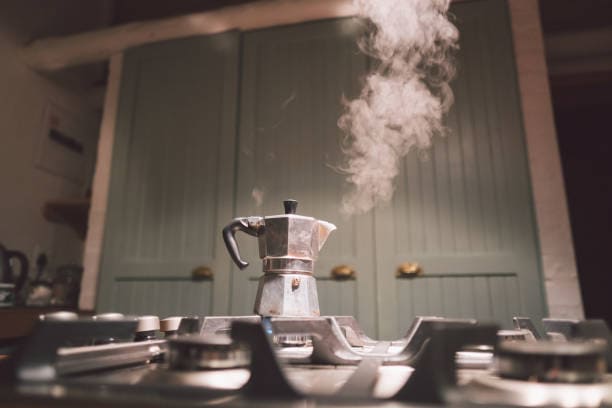
Common Causes of Overheating
High Heat Setting: Using too high a heat setting is one of the most common culprits behind Moka Pot overheating. When you crank up the heat, the water in the bottom chamber boils rapidly, creating excessive steam pressure. This rush of steam can push through the coffee grounds too quickly, resulting in uneven extraction and a burnt taste. Not only does this affect the flavor, but the intense heat can also scorch the coffee grounds, giving you a cup that’s more bitter than a failed Monday morning.
Incorrect Water Level: Water level plays a crucial role in how your Moka Pot operates. Overfilling or underfilling the water chamber can lead to overheating and other brewing issues:
- Overfilling: When you overfill the water chamber, the excess water has nowhere to go but up through the coffee grounds, potentially flooding the filter basket. This can result in weak coffee and increased pressure inside the pot, which can cause overheating and a risk of the pot bursting.
- Underfilling: If you underfill the water chamber, there’s not enough water to generate the proper amount of steam pressure needed for brewing. This leads to prolonged exposure to heat as the pot struggles to push the minimal water through the coffee grounds, causing overheating and a bitter taste.
Blocked Filters and Valves: Residue buildup in your Moka Pot’s filters and valves can create a sneaky cause of overheating. Coffee oils and fine grounds can accumulate over time, leading to blockages that disrupt the flow of steam and water. When these pathways are obstructed, the steam pressure inside the pot increases unevenly, which can cause the following issues:
- Uneven Pressure: Blocked filters and valves cause inconsistent steam pressure, which can force water through the coffee grounds too quickly in some areas and too slowly in others. This uneven extraction not only affects the flavor but also increases the risk of overheating parts of the pot.
- Safety Risks: High steam pressure due to blockages can turn your Moka Pot into a pressure cooker, creating potential safety hazards. It can cause the lid to pop off or even lead to cracks in the pot, making it unsafe to use.
Regular cleaning and maintenance are essential to prevent these blockages. Make sure to clean the filter basket, valve, and all other parts thoroughly after each use to keep your Moka Pot running smoothly and safely.
Preventive Measures
- Using Medium Heat: One of the easiest and most effective ways to prevent your Moka Pot from overheating is to use a medium heat setting. This allows for a balanced brewing process, giving the water enough time to heat up and create the perfect amount of steam pressure without rushing. Medium heat ensures a steady, controlled flow of water through the coffee grounds, resulting in a rich and flavorful brew without any burnt or bitter notes.
- Preheating Water: Preheating your water to around 70°C (160°F) is a game-changer when it comes to temperature control. By starting with preheated water, you significantly reduce the time your Moka Pot spends on the stove, minimizing the risk of overheating. This method ensures that the brewing temperature is effectively managed, leading to a smoother extraction and better-tasting coffee. Plus, it speeds up the brewing process, so you can enjoy your coffee sooner!
- Correct Water Level: Getting the water level right is crucial for preventing pressure issues and ensuring a smooth brewing process. Always fill the water chamber just below the safety valve. Overfilling can cause excessive pressure and under-extraction, while underfilling can lead to prolonged heating and bitter coffee. The correct water level ensures that the steam pressure builds up properly, resulting in a balanced and delicious brew.
- Regular Cleaning: Regular cleaning is essential to keep your Moka Pot performing at its best. Residue from coffee oils and fine grounds can build up over time, leading to blocked filters and valves. This can cause uneven pressure and overheating. After each use, disassemble your Moka Pot and clean all parts thoroughly with warm water and mild detergent. Make sure to clean the filter basket, gasket, and valve to prevent blockages and maintain optimal performance.
- Proper Grind Size: Using the right coffee grind size is another key factor in preventing overheating and ensuring a smooth brewing process. The ideal grind for a Moka Pot is medium-fine, similar to table salt. If the grind is too fine, it can clog the filter and create excessive pressure, leading to overheating. If the grind is too coarse, the water will flow through too quickly, resulting in weak coffee. A proper grind size ensures even extraction and prevents pressure buildup.
Troubleshooting Tips
Identifying Overheating Signs: Knowing how to recognize the signs of overheating can save your coffee and your Moka Pot. Here are some telltale indicators:
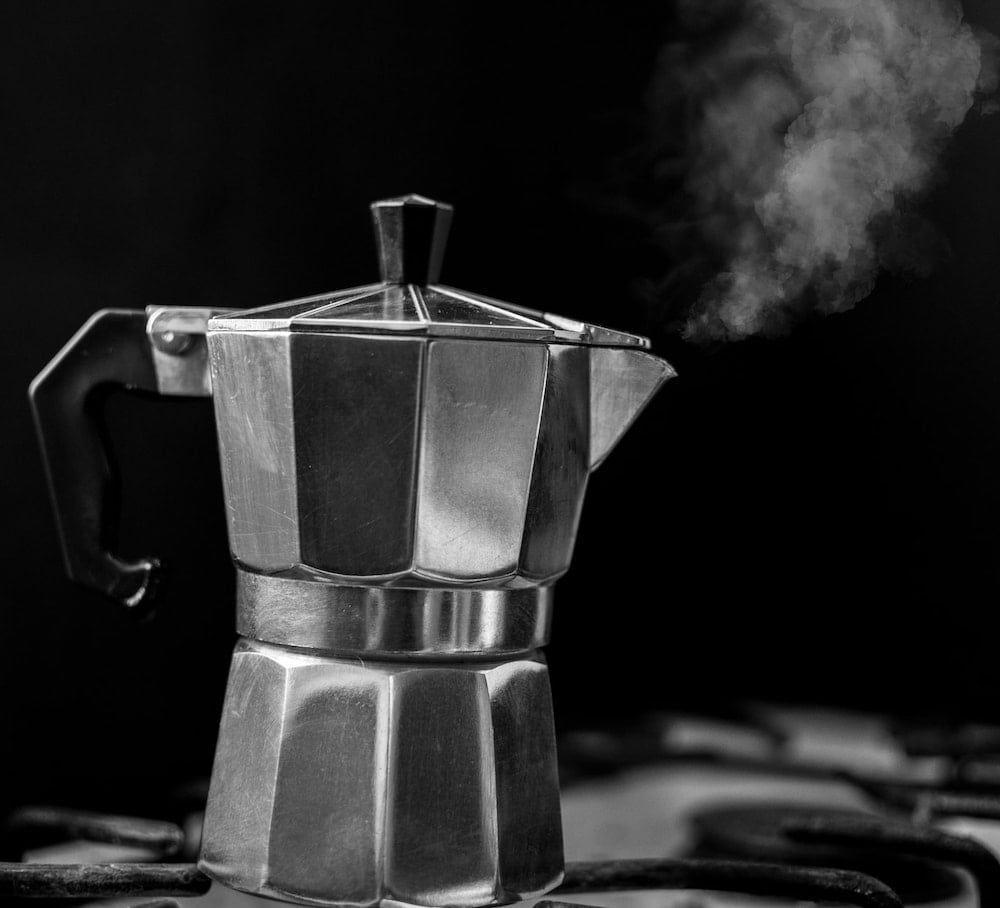
- Burnt Smell: If you notice a burnt smell emanating from your Moka Pot, it’s a clear sign that the coffee grounds are overheating. This often happens when the pot is exposed to excessive heat or if the brewing process is taking too long.
- Excessive Steam: While some steam is normal, excessive steam escaping from the safety valve or around the edges of the pot indicates that the pressure inside is too high. This can be a precursor to overheating and potential safety issues.
- Gurgling or Spitting: If your Moka Pot is making loud gurgling or spitting noises, it means the water is boiling too rapidly and creating too much steam pressure. This can lead to burnt coffee and overheating.
Immediate Actions: If you notice your Moka Pot overheating during the brewing process, here’s what you can do immediately:
- Remove from Heat: The first and most important step is to take the Moka Pot off the stove. This stops the heating process and prevents further overheating.
- Cool Down the Pot: Place the Moka Pot on a cool, heat-resistant surface. You can also run the bottom chamber under cold water to quickly reduce the temperature and pressure.
- Check the Safety Valve: Ensure the safety valve is not clogged and can release excess pressure. If it’s blocked, carefully clean it to restore proper function.
Long-term Solutions: To avoid future overheating issues and keep your Moka Pot in top condition, follow these maintenance tips:
- Regular Cleaning: Clean your Moka Pot after every use to prevent residue buildup. Disassemble all parts and wash them with warm water and mild detergent. Pay special attention to the filter basket, gasket, and safety valve.
- Inspect Parts Regularly: Check the condition of all parts, especially the gasket and safety valve. Replace any worn or damaged parts to ensure proper function and prevent overheating.
- Store Properly: Store your Moka Pot in a dry place to prevent corrosion and buildup of coffee oils. Ensure all parts are completely dry before reassembling and storing.
- Use Fresh Coffee: Always use fresh coffee grounds and the appropriate grind size to prevent clogging and pressure issues. Fresh grounds provide better flavor and reduce the risk of overheating.
Benefits of Proper Moka Pot Use
Enhanced Coffee Flavor and Aroma

When you use your Moka Pot correctly, the difference in your coffee’s flavor and aroma is like night and day. Proper temperature control and the right brewing techniques ensure that you extract the best flavors from your coffee grounds. Here’s how:
- Balanced Extraction: Avoiding overheating and using the correct grind size ensures that the coffee is extracted evenly, giving you a balanced and rich flavor profile.
- Preserved Aromatics: Proper brewing techniques prevent the scorching of coffee grounds, preserving the natural aromatics and giving your coffee that fresh, enticing aroma we all crave.
Longer Lifespan of the Moka Pot
Taking good care of your Moka Pot not only improves your coffee but also extends the life of your beloved brewer. Here’s why:
- Preventing Damage: Regular maintenance and avoiding overheating prevent warping and corrosion of the metal parts, keeping your Moka Pot in top condition.
- Consistent Performance: Keeping the filters and valves clean ensures that your Moka Pot operates smoothly every time, maintaining its performance for years to come.
Safer Brewing Process
Safety should always be a top priority, and proper use of your Moka Pot significantly reduces the risks associated with brewing. Here’s how you benefit:
- Controlled Pressure: By using the correct water level and ensuring the safety valve is functioning, you prevent excessive pressure buildup, which can lead to accidents.
- Reduced Risk of Burns: Avoiding high heat settings and recognizing signs of overheating means you’re less likely to end up with hot coffee splattering everywhere, protecting you and your kitchen from burns and messes.
Using your Moka Pot properly not only elevates your coffee game but also ensures your brewer lasts longer and your brewing process is safer. With these benefits in mind, you’re well on your way to becoming a Moka Pot maestro. Happy brewing, and may your coffee always be perfect!
Conclusion
To sum it all up, we’ve journeyed through the world of Moka Pots, from understanding how they work to preventing the dreaded overheating. We’ve covered:
- The Basics: How a Moka Pot brews coffee and why temperature control is crucial.
- Common Causes of Overheating: High heat settings, incorrect water levels, and blocked filters and valves.
- Preventive Measures: Using medium heat, preheating water, maintaining the correct water level, regular cleaning, and using the proper grind size.
- Troubleshooting Tips: Identifying signs of overheating, immediate actions to take, and long-term maintenance tips.
- Benefits of Proper Use: Enhanced coffee flavor and aroma, longer Moka Pot lifespan, and a safer brewing process.
Got your own Moka Pot tips or experiences to share? We’d love to hear from you! Whether you’ve discovered a unique brewing hack or have a favorite coffee blend, your insights can help fellow coffee enthusiasts improve their brews.
If you enjoyed this guide and want more coffee-related tips and articles, be sure to subscribe to the blog. Stay updated on the latest coffee trends, brewing techniques, and gear reviews. Don’t forget to leave a comment or question below – let’s keep the conversation brewing! Happy coffee making!
Disclosure: Our blog contains affiliate links to products. We may receive a commission for purchases made through these links. However, this does not impact our reviews and comparisons. We try our best to keep things fair and balanced, in order to help you make the best choice for you.