Moka pots, those charming stovetop coffee brewers, have been a staple in many coffee-loving households since their invention in Italy back in the 1930s. With their ability to brew a strong, espresso-like coffee without the need for a fancy machine, it’s no wonder they’ve remained so popular. But with great brewing power comes great debate, and one of the hottest topics among Moka pot enthusiasts is whether or not to tamp the coffee grounds.
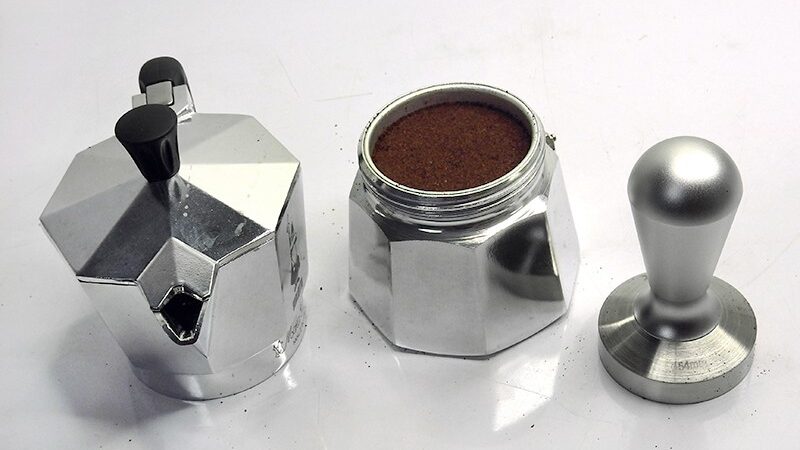
Tamping, a technique most commonly associated with espresso making, involves pressing the coffee grounds down to create a uniform and compact puck. Some Moka pot users swear by it, claiming it results in a richer, more consistent brew. Others argue that tamping can lead to over-extraction and potential damage to your beloved Moka pot. So, what’s the deal? Should you tamp those coffee grounds, or is it better to let them be? Let’s dive into the nitty-gritty of this caffeinated controversy.

Understanding Moka Pot Mechanics
A Moka pot operates using basic principles of pressure and heat. Here’s a quick rundown of how this classic coffee maker works:
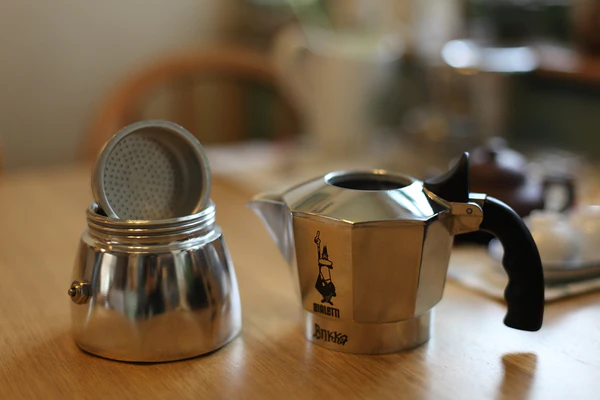
- Water Chamber (Bottom Chamber): You start by filling the bottom chamber with water. When the Moka pot is placed on a heat source, the water heats up and creates steam.
- Coffee Grounds Basket (Middle Chamber): The steam pressure forces the hot water up through a funnel and into the coffee grounds basket, where the coffee grounds are packed.
- Brew Chamber (Top Chamber): The water, now infused with coffee goodness, continues its journey upwards, eventually making its way through a filter and into the top chamber, where the brewed coffee collects.

Pressure: Moka Pot vs. Espresso Machine
While both Moka pots and espresso machines rely on pressure to brew coffee, the levels of pressure they generate are quite different.
- Moka Pot: A Moka pot typically produces around 1.5 bars of pressure. This is sufficient to brew a strong, robust coffee, but it falls short of what you’d get from an espresso machine.
- Espresso Machine: Espresso machines, on the other hand, generate about 9 bars of pressure, which is essential for creating the creamy, velvety espresso with its characteristic layer of crema on top.
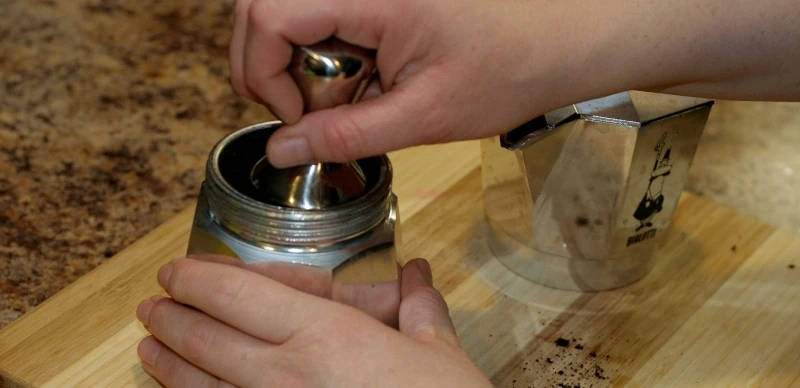
This difference in pressure is key to understanding why tamping is a standard practice for espresso machines but not necessarily for Moka pots. The lower pressure in a Moka pot means the water flows more slowly and steadily through the coffee grounds, which can be impacted by tamping. Tamping too firmly in a Moka pot can restrict the flow, potentially leading to over-extraction or clogging, whereas espresso machines are designed to handle the high pressure and the tightly packed coffee grounds.
The Case Against Tamping
While the idea of tamping coffee grounds might sound like a surefire way to enhance your Moka pot brew, several reasons suggest it might not be the best practice. Here’s why:
Pressure Issues
Tamping increases the density of the coffee grounds, which in turn increases the pressure needed for water to pass through them. In a Moka pot, which operates at a relatively low pressure (around 1.5 bars), this can cause significant issues:
- Overpressure Risks: Tamping can lead to an increase in pressure beyond what the Moka pot is designed to handle. This not only risks damaging the pot but also poses safety concerns. Excessive pressure can cause the pot to malfunction or even explode in extreme cases.
- Flow Restriction: A tamped puck can restrict water flow, leading to uneven brewing and potentially clogging the filter. This restriction is problematic because the Moka pot relies on a steady, controlled flow of water to brew properly.

Flavor Problems
Tamping can negatively impact the flavor profile of your coffee due to over-extraction:
- Over-Extraction: When the water struggles to pass through the tightly packed grounds, it spends more time in contact with the coffee. This can result in over-extraction, where too many of the bitter compounds are pulled from the coffee grounds, leading to a harsh, unpleasant taste.
- Burnt Flavors: Over-extracted coffee often tastes burnt or overly bitter. This burnt flavor can overshadow the nuanced notes of your coffee, leaving you with a less enjoyable cup.

Uneven Extraction
One of the key goals in brewing coffee is achieving even extraction, where all the coffee grounds contribute equally to the flavor. Tamping in a Moka pot can cause issues like channeling:
- Channeling Issues: Tamping can create compacted areas and loose pockets within the coffee puck. As water finds the path of least resistance, it can create channels, leading to some grounds being over-extracted and others under-extracted. This results in an uneven brew with inconsistent flavors.
- Inconsistent Brew: Uneven extraction can lead to a cup of coffee that lacks balance, with some sips tasting overly bitter and others weak and underwhelming.
Safety Concerns
While brewing coffee with a Moka pot is generally safe, improper practices like tamping can introduce significant risks. Here’s why you should be cautious:
Potential for Leaks and Explosions: Moka pots are designed to operate under a specific pressure range. Tamping the coffee grounds can disrupt this delicate balance, leading to potential safety hazards:
- Leaks: Tamping increases the pressure required to push water through the coffee grounds. This added pressure can cause leaks around the seal where the top and bottom chambers connect, leading to hot water or steam escaping unexpectedly.
- Explosions: In extreme cases, excessive tamping can cause pressure to build up to dangerous levels. If the pressure surpasses the pot’s capacity, it can lead to an explosion. This not only ruins your coffee-making experience but can also cause serious injuries.
Importance of the Safety Valve and Its Maintenance: The safety valve is a crucial component of the Moka pot, designed to release excess pressure and prevent accidents:
- Function of the Safety Valve: The safety valve acts as a fail-safe mechanism. If the pressure inside the pot becomes too high, the valve opens to release steam, preventing the pot from exploding.
- Maintenance: Regular maintenance of the safety valve is essential for safe operation. Ensure that the valve is clean and free of coffee grounds or other debris that might block it. Check periodically to make sure it is functioning correctly and hasn’t become clogged or damaged.
- User Awareness: Always ensure the safety valve is unobstructed and functional before brewing. Neglecting this can render the safety mechanism ineffective, increasing the risk of accidents.
Alternatives to Tamping
If you’re looking to improve your Moka pot coffee without the risks associated with tamping, here are some effective alternatives to consider:
Grind Size: One of the most critical factors in achieving a great brew with your Moka pot is using the right grind size:
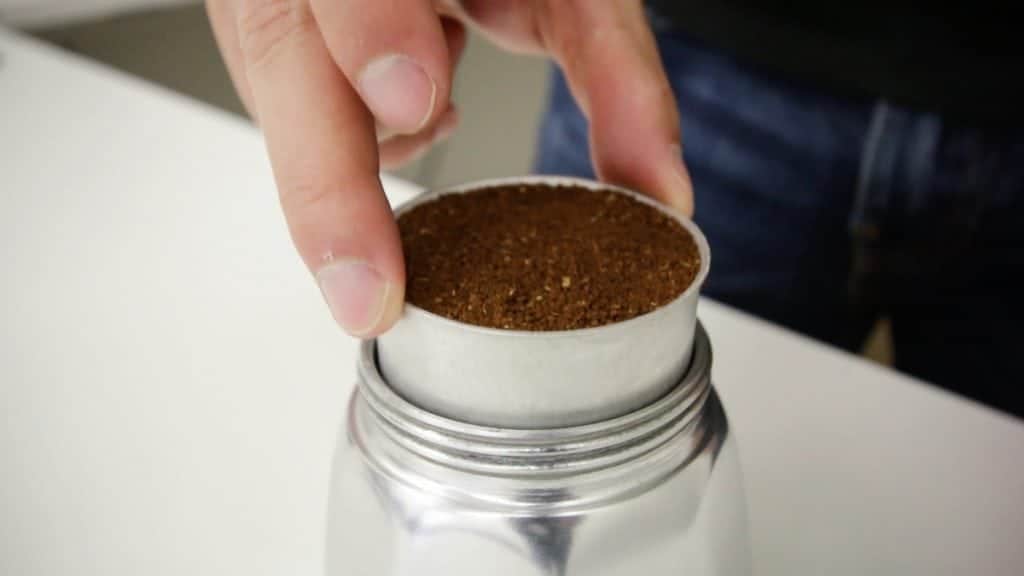
- Medium-Fine Grind: Aim for a grind size that is finer than what you’d use for a drip coffee maker but coarser than espresso. A medium-fine grind allows for a balanced extraction, giving you a rich, flavorful cup without the need for tamping.
- Consistency: Ensure that your grind size is consistent. Uneven grind particles can lead to uneven extraction, with some grounds over-extracted and others under-extracted. Investing in a good quality burr grinder can help achieve a uniform grind.
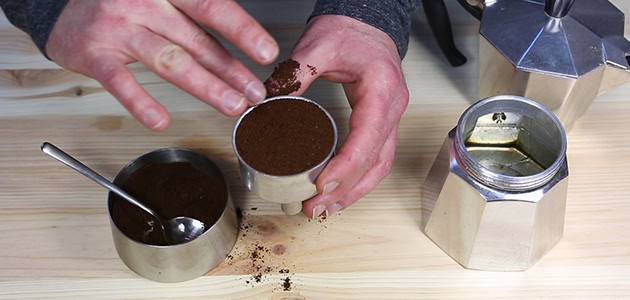
Leveling Grounds: Properly leveling the coffee grounds in the filter basket can significantly improve extraction and flavor:
- Gently Shake: After filling the filter basket with coffee grounds, gently shake it to distribute the grounds evenly. This simple step helps avoid compacted areas and ensures that water flows uniformly through the coffee bed.
- Light Tap: Lightly tap the sides of the filter basket to settle the grounds. This isn’t the same as tamping; it’s a gentle process to create a level surface without compressing the grounds.
Dark Roast Beans: Choosing the right coffee beans can also enhance your Moka pot coffee:
- Richer Flavor: Dark roast beans naturally have a richer, more robust flavor profile. These beans tend to extract more easily, providing a fuller-bodied coffee without the need for tamping.
- Smooth Extraction: Dark roasts are often more soluble than lighter roasts, meaning they extract more readily even with a slightly looser coffee bed. This helps achieve a balanced, flavorful brew.
The Middle Ground: Light Tamping
While heavy tamping can lead to the issues we’ve discussed, some coffee enthusiasts advocate for a middle-ground approach: light tamping. This method offers a potential compromise, providing some of the benefits of tamping without significantly increasing the risks.
Light tamping involves gently pressing the coffee grounds just enough to level them and create a slightly denser coffee bed without compacting it too much. Here are some potential benefits:
- Improved Consistency: Light tamping can help create a more uniform coffee bed, which can lead to more consistent extraction and a balanced flavor profile.
- Controlled Pressure: By applying minimal pressure, you avoid the significant increase in pressure that heavy tamping causes, reducing the risk of over-extraction and safety issues.
- Enhanced Flavor: This method can help extract more of the desirable flavors from your coffee grounds, potentially enhancing the richness and complexity of your brew.
Techniques for Light Tamping Without Increasing Pressure Too Much
Here are some techniques to achieve effective light tamping:
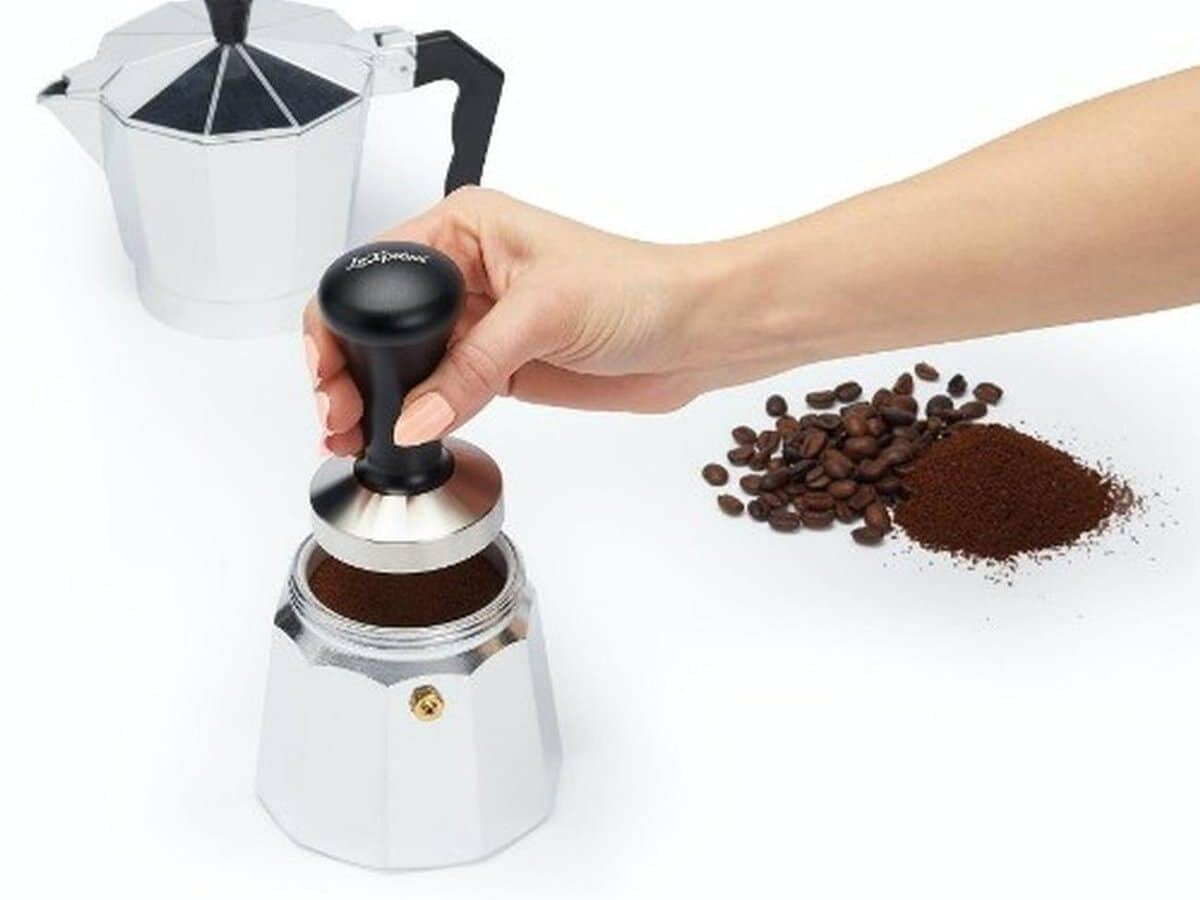
- Use a Light Touch: When tamping, apply only a gentle pressure with your finger or the back of a spoon. The goal is to slightly compact the grounds without pressing them down too firmly.
- Even Distribution: Before tamping, make sure the coffee grounds are evenly distributed in the filter basket. You can achieve this by lightly shaking or tapping the basket to level the grounds.
- Gentle Press: Press down lightly on the grounds with a tamper or any flat surface, applying just enough pressure to even out the surface without compacting the grounds too much. Aim for a light touch, as if you are just smoothing out the top layer.
- Consistent Technique: Try to use the same amount of pressure each time you tamp to maintain consistency in your brewing process. This helps achieve similar results with each brew, making it easier to refine your technique over time.
Enhancing Moka Pot Coffee
Coffee aficionados, we’ve covered the fundamentals, and you’ve sharpened your Moka Pot Tamping skills. But guess what? There’s more to explore in this aromatic world. It’s time to take a leap and dive into advanced insights that will set you apart as a true coffee maestro.
Pressure Proficiency:
Now that you’ve got the gentle touch down, consider experimenting with varying degrees of pressure. Slight adjustments can bring out different flavor profiles in your coffee.
Temperature Control:
Pay attention to the water temperature. Using a thermometer can help you fine-tune your brew. Aim for around 195-205°F (90-96°C).

Timing is Everything:
Timing your brew is crucial. Know how long it takes for your Moka Pot to fill the upper chamber, and adjust your heat source accordingly to avoid over-extraction.

Crema Mastery:
Achieving that perfect crema requires precise tamping, so don’t give up on this delightful coffee crown.

Coffee Varieties:
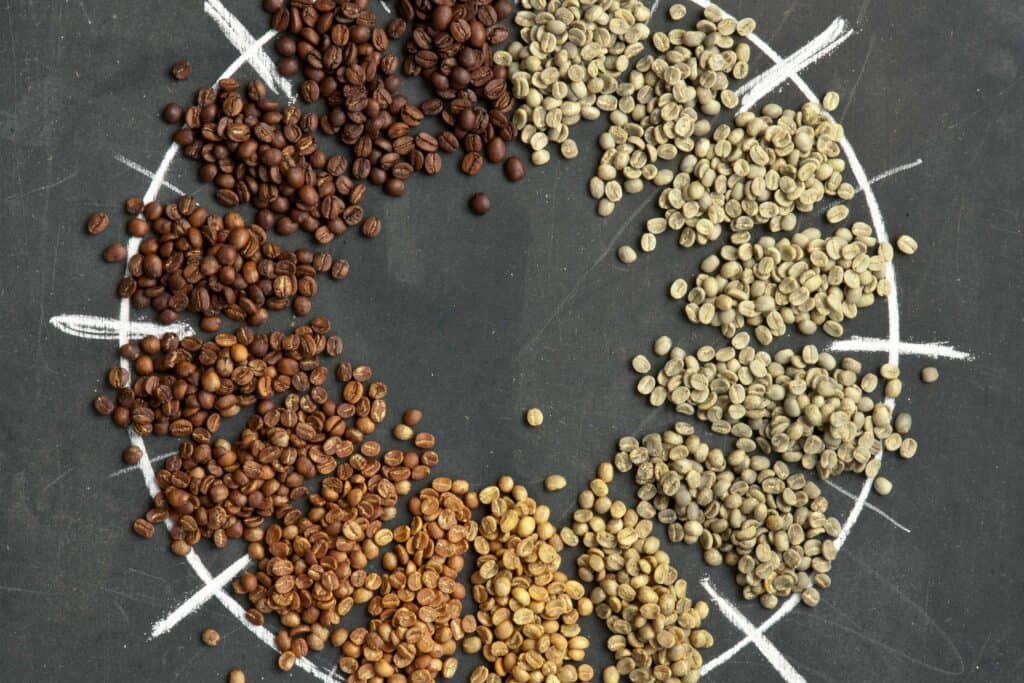
Different coffee beans shine with various tamping techniques. Explore a variety of beans to discover unique flavor experiences.
Maintenance Matters:
Regularly clean and maintain your Moka Pot. Residue buildup can affect the brewing process, impacting the quality of your coffee.
Blend Your Brews:
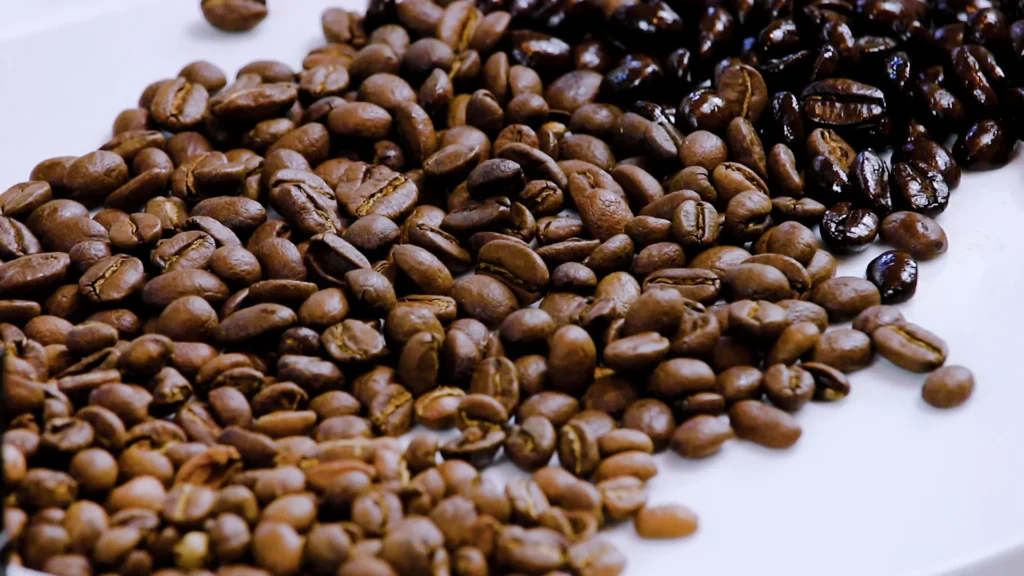
Experiment with blending different coffee beans to create your custom Moka Pot blend. It’s a fun way to explore flavor combinations.
Additional Tips
- Pre-Heat the Water: Start with hot water in the bottom chamber to speed up the brewing process and reduce the risk of over-extraction and bitterness.
- Even Heat Distribution: Use a stove or heat source that provides even heat distribution to avoid hot spots and ensure consistent brewing.
- Clean Regularly: Keep your Moka pot clean. Regular cleaning prevents the buildup of oils and residues that can affect the flavor of your coffee.
Personal Preferences and Experimentation
Coffee brewing is as much an art as it is a science. Finding the perfect cup of coffee often comes down to personal preference and a bit of experimentation. Here’s why you should embrace your inner coffee scientist:
Encouragement to Experiment with Different Methods
Every coffee lover has unique tastes, and the beauty of brewing with a Moka pot is the flexibility to tweak your process until you find your perfect brew:
- Trial and Error: Don’t be afraid to experiment with different grind sizes, coffee-to-water ratios, and brewing times. Keep notes on what works and what doesn’t to refine your method over time.
- Bean Variety: Try different types of coffee beans, origins, and roast levels. You might discover that a particular single-origin bean from Ethiopia hits the spot, or that a dark roast from Colombia gives you the richness you crave.
- Brew Adjustments: Play around with the amount of coffee and water you use, or even try adding a pinch of salt or a touch of cinnamon to your grounds for a unique flavor twist.
Balancing Safety and Flavor in Your Coffee Brewing Process
While it’s fun to experiment, it’s also essential to keep safety in mind:
- Safety First: Always ensure your Moka pot’s safety valve is clean and functional. Avoid excessive tamping to prevent overpressure and potential hazards.
- Moderate Adjustments: Make small, incremental changes to your brewing process. This allows you to fine-tune your coffee without drastically affecting safety or flavor.
- Consistent Maintenance: Regularly clean your Moka pot to prevent residue buildup, which can affect both the taste of your coffee and the pot’s performance.
Finding Your Perfect Brew
The ultimate goal is to find a balance between safety and flavor that suits your taste buds:
- Personal Touch: Your perfect cup of coffee is a personal journey. What works for someone else might not be ideal for you, and that’s perfectly fine. Enjoy the process of discovering what makes your coffee unique to you.
- Enjoy the Journey: Remember, coffee brewing should be enjoyable. The experimentation process is part of the fun, leading to delightful discoveries and a deeper appreciation for your daily cup of joe.
Final Thoughts
Understanding your brewing method is crucial for both achieving the best flavor and ensuring your safety. The Moka pot is a versatile and beloved tool in the world of coffee, capable of producing a rich and satisfying brew when used correctly. By paying attention to the grind size, coffee-to-water ratio, and maintenance of your equipment, you can enhance your coffee experience without compromising safety.
Remember, coffee brewing is a journey of personal discovery. Experiment with different methods, take notes, and enjoy the process of finding what works best for you. Prioritizing safety ensures that this journey remains enjoyable and hazard-free. So, go ahead, brew with confidence, and savor every sip of your perfectly crafted Moka pot coffee.
Disclosure: Our blog contains affiliate links to products. We may receive a commission for purchases made through these links. However, this does not impact our reviews and comparisons. We try our best to keep things fair and balanced, in order to help you make the best choice for you.