
Welcome to your ultimate guide on espresso extraction time! Whether you’re a seasoned barista or just starting your coffee journey, understanding and mastering extraction time is essential for crafting the perfect espresso shot. The magic of espresso lies in the precise balance of flavors, which can only be achieved by controlling various factors such as grind size, dose, and water temperature. For comprehensive coverage, see our Espresso Extraction Technique: The Complete Guide.
⚡ Quick Answer
The perfect espresso extraction time is 25 to 30 seconds from first water contact to shot completion. This timing extracts the optimal balance of oils, acids, and sugars from your coffee grounds. Shorter shots taste sour and weak, while longer extractions become bitter and over-extracted.
☕ How We Test
Every machine reviewed on Espresso and Machines has been physically tested by Jose Villalobos using standardized shot parameters: 18-20 grams of freshly ground coffee, 36-40 gram output, 25-30 second extraction time. We test with at least 3 different bean origins across light, medium, and dark roasts over a minimum 30-day period. Jose has tested 150+ machines since 2018 — starting with a cheap eBay machine and working up to $5,000+ prosumer setups. No sponsored content. No manufacturer talking points. Just real testing.
📊 Frequently Asked Questions
What is the ideal espresso extraction time?
The ideal espresso extraction time is 25 to 30 seconds from first water contact to shot completion. This timing window allows for optimal extraction of oils, acids, and sugars from the coffee grounds, creating a balanced flavor profile that’s neither too sour nor too bitter.
What happens if espresso extracts too quickly?
Espresso that extracts too quickly (under 25 seconds) results in sour and weak tasting shots. The short extraction time doesn’t allow enough water contact with the coffee grounds to extract the full range of flavors, leaving you with an under-extracted, acidic shot that lacks body and sweetness.
What happens if espresso extracts too slowly?
Espresso that extracts too slowly (over 30 seconds) becomes bitter and over-extracted. The extended water contact time pulls out too many tannins and bitter compounds from the coffee grounds, resulting in an unpleasantly harsh and astringent flavor that masks the coffee’s natural sweetness and complexity.
Why is extraction timing so important for espresso?
Extraction timing is crucial because it determines the balance of flavors in your espresso shot. The 25-30 second window extracts the optimal balance of oils, acids, and sugars from coffee grounds, ensuring you get the full spectrum of desirable flavors while avoiding the negative characteristics of under or over-extraction.
In this guide, we’ll explore everything you need to know about the perfect espresso extraction time, from identifying common issues to fine-tuning your technique for consistently excellent results. Let’s dive in and unlock the secrets to brewing the perfect espresso!
Understanding Extraction Time
What is Extraction Time?
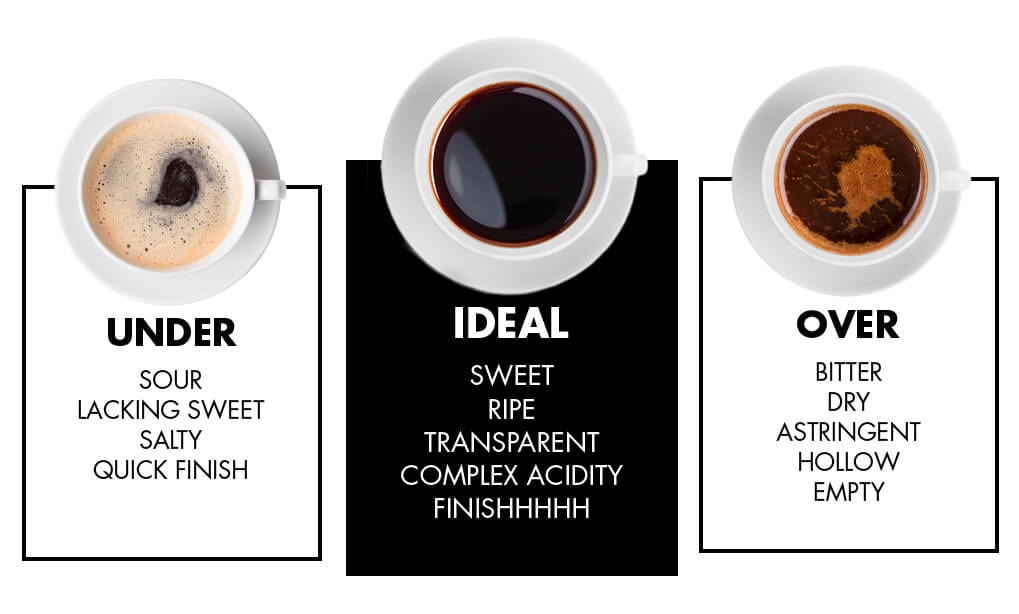
Extraction time refers to the duration from when the water first contacts the coffee grounds until the espresso shot is completed. The ideal extraction time typically falls between 25 to 30 seconds. This window allows for the optimal balance of flavors, extracting the right amount of oils, acids, and sugars from the coffee grounds.

Why is Extraction Time Important?
The extraction time is crucial for making great espresso because it directly affects the taste and quality of your shot:
- Flavor:
- Too Short: The coffee is under-extracted, tasting sour and weak.
- Too Long: The coffee is over-extracted, tasting bitter and harsh.
- Just Right: Balanced and flavorful.
- Texture:
- Too Short: Thin and watery.
- Too Long: Thick and syrupy.
- Just Right: Creamy and rich.
- Crema:
- Too Short: Light and disappears quickly.
- Too Long: Dark and oily.
- Just Right: Thick, golden-brown, and long-lasting.

Getting the extraction time right ensures a balanced, delicious espresso every time.
Factors Influencing Extraction Time
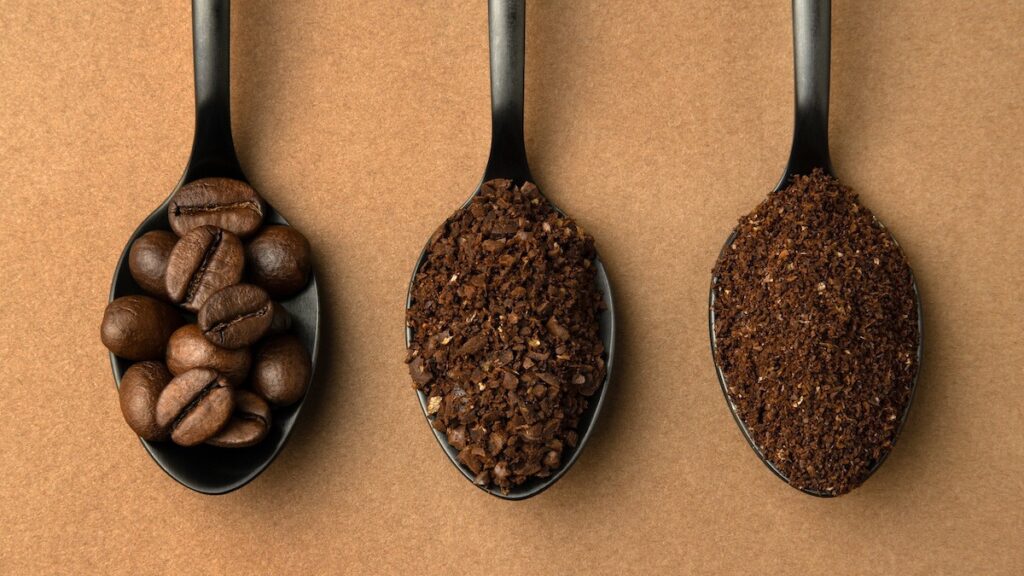
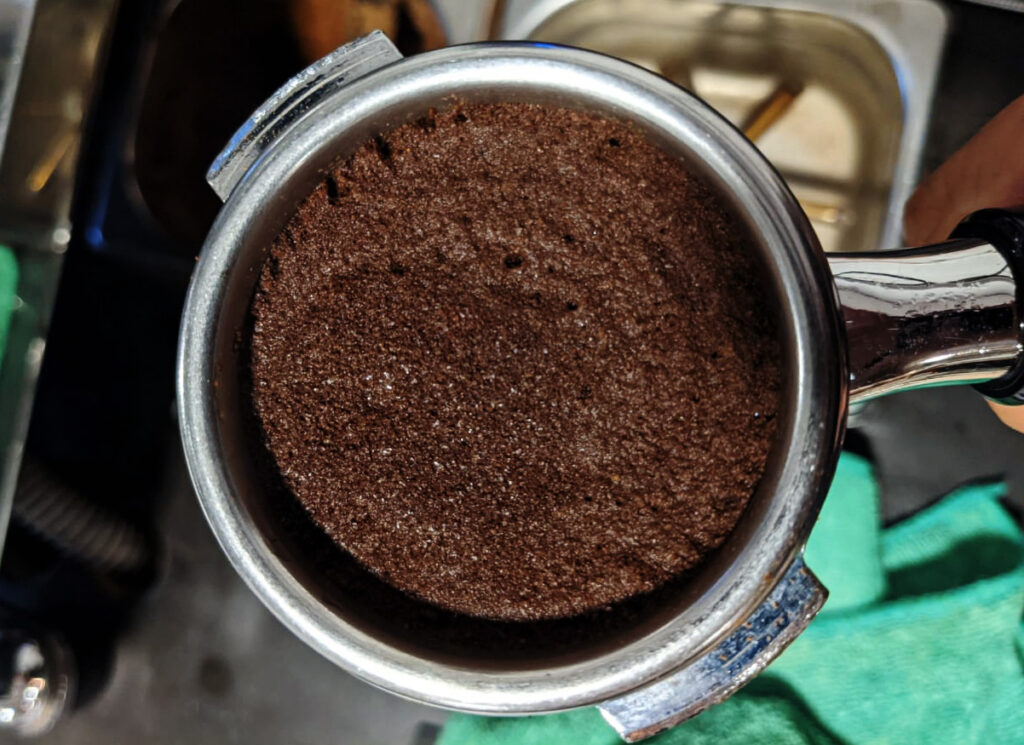
Grind Size: The grind size is crucial for controlling the flow rate of water through the coffee grounds. A finer grind slows down the extraction, while a coarser grind speeds it up.
- Finer Grind: Increases surface area, slowing extraction and potentially causing over-extraction if too fine.
- Coarser Grind: Reduces surface area, speeding up extraction and potentially causing under-extraction if too coarse.
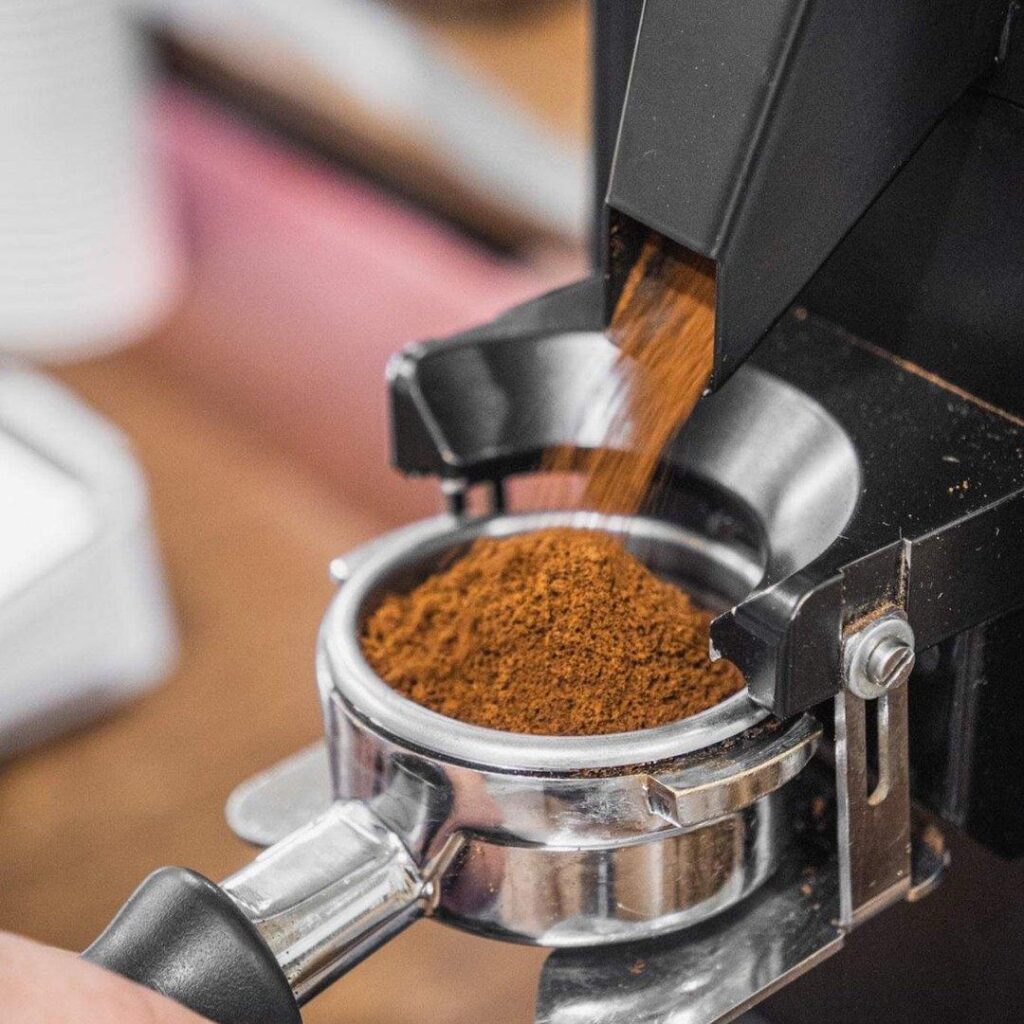
Dose (Amount of Coffee): The dose affects the resistance against the water flow. More coffee grounds mean more resistance, leading to a longer extraction time.
- Higher Dose: Increases resistance, lengthening extraction time and intensifying flavors.
- Lower Dose: Decreases resistance, shortening extraction time and resulting in a weaker shot.
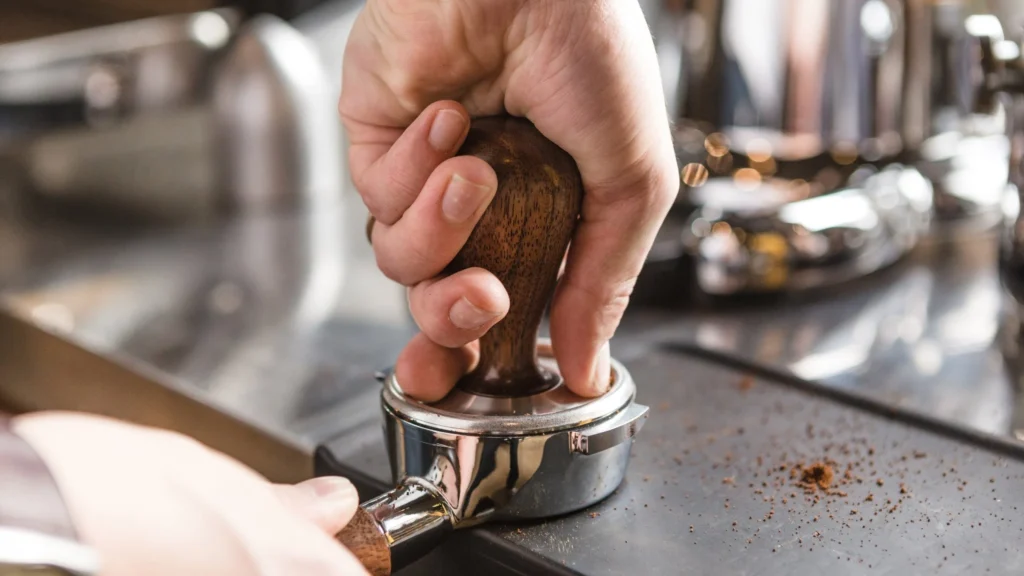
Tamping Pressure: Tamping compresses the coffee grounds to create uniform resistance.
- Firm Tamping: Creates more resistance, slowing down extraction.
- Light Tamping: Creates less resistance, speeding up extraction.
Aim for consistent pressure around 30 pounds (14 kg) for even extraction.
Water Temperature: The temperature of the water affects how quickly flavors are extracted from the coffee grounds.
- Higher Temperature: Extracts more quickly, potentially causing over-extraction.
- Lower Temperature: Extracts more slowly, potentially causing under-extraction.
Maintain water temperature between 190°F to 205°F (88°C to 96°C).
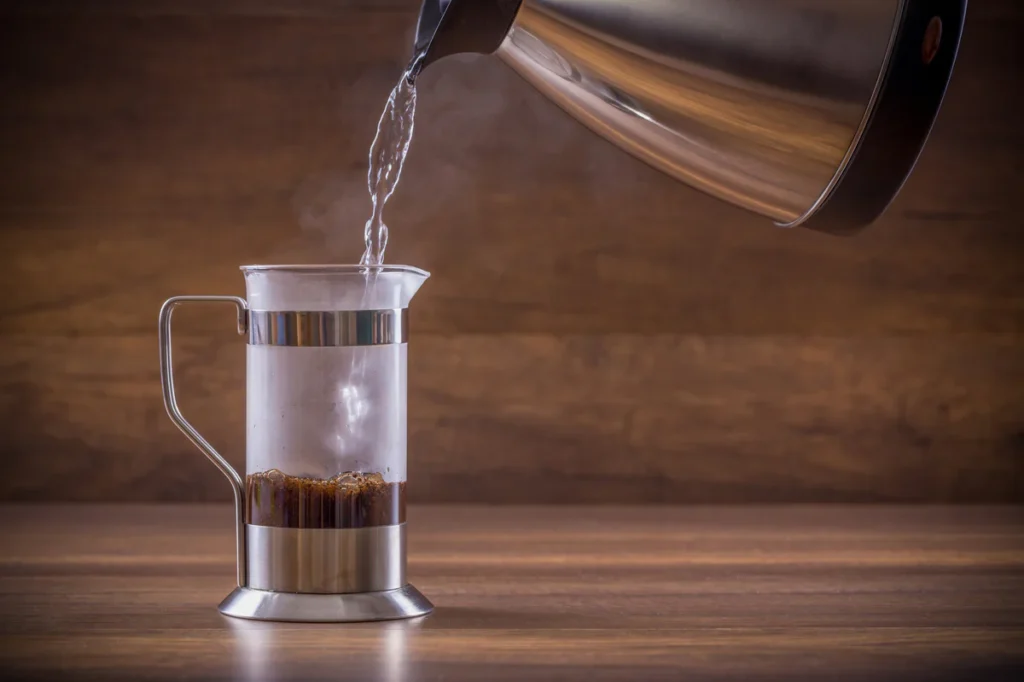
Pre-Infusion: Pre-infusion wets the coffee grounds before full extraction, promoting even saturation.
- Longer Pre-Infusion: Ensures even saturation and smoother extraction.
- Shorter Pre-Infusion: Can lead to uneven extraction.
A pre-infusion time of 5-6 seconds is recommended.
Identifying and Correcting Common Issues
Over-Extraction
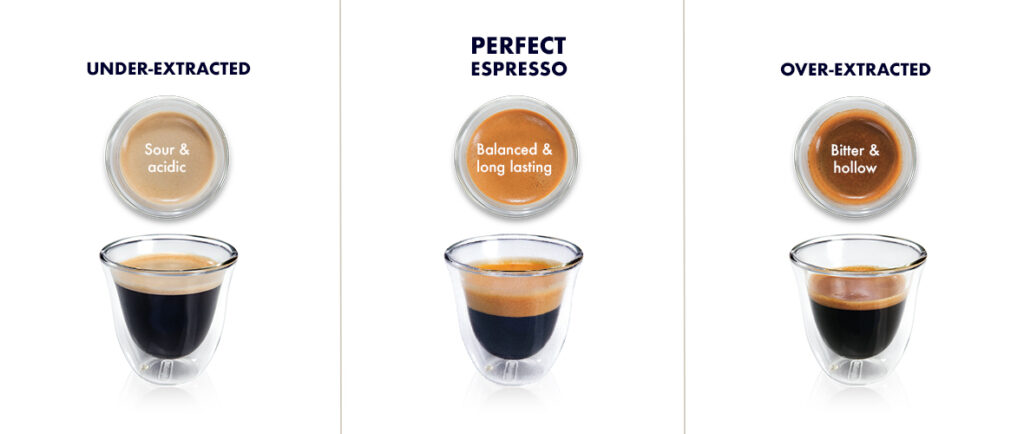
Over-extraction happens when coffee grounds are exposed to water for too long or under conditions that extract too many bitter compounds. This leads to a cup of coffee with an unpleasantly harsh and bitter taste. The crema, the golden foam on top of the espresso, appears dark brown and sometimes oily, indicating that the coffee has been over-extracted. The flow of coffee during extraction is slow and thin, often due to overly fine coffee grounds, excessive dose, high water temperature, or too much tamping pressure.
Symptoms:
- Taste: Bitter, harsh, similar to dark chocolate or burnt toast.
- Appearance: Dark brown crema, sometimes oily.
- Flow: Slow and thin stream.
Causes: Too fine a grind, too high a dose, too high water temperature, or excessive tamping pressure.
Solutions: Coarsen the grind size, reduce the dose, lower the water temperature, or lighten the tamping pressure.
Under-Extraction
Under-extraction occurs when the coffee grounds are not exposed to water long enough or under conditions that fail to extract the essential flavors. This results in a sour, sharp taste similar to unripe fruit. The crema appears light brown and dissipates quickly, a sign that the coffee has not been adequately extracted. The flow of coffee is fast and light, often due to a too-coarse grind, insufficient dose, low water temperature, or inadequate tamping pressure.
Symptoms:
- Taste: Sour, sharp, similar to unripe fruit.
- Appearance: Light brown crema that dissipates quickly.
- Flow: Fast and light stream.
Causes: Too coarse a grind, too low a dose, low water temperature, or insufficient tamping pressure.
Solutions: Finer grind size, increase the dose, raise the water temperature, or apply more tamping pressure.
The Perfect Extraction
Achieving the perfect extraction with an espresso machine involves fine-tuning several key factors:
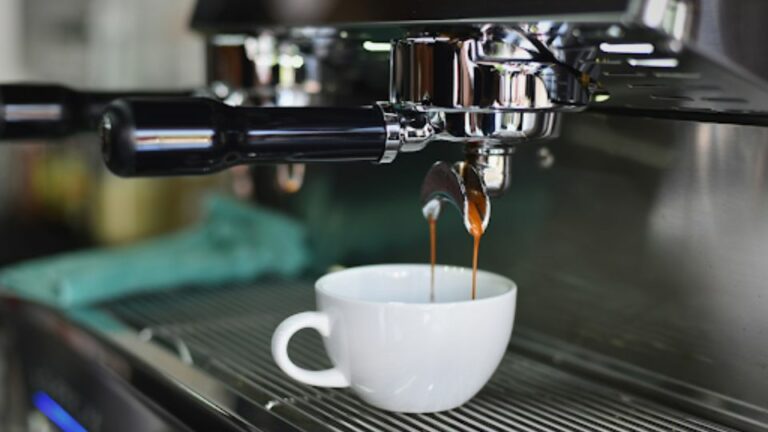
- Grind Size: The coffee grounds should be fine enough to create sufficient resistance but not so fine that they cause clogs or overly slow flow.
- Tamping: Compacting the coffee grounds in the portafilter ensures even water distribution and consistent extraction.
- Water Temperature: Maintain the water temperature between 190-205°F (88-96°C) to properly extract the coffee’s flavors.
- Brew Time: Aim for a brew time of around 25-30 seconds for a single shot, allowing enough time for optimal flavor extraction.
- Pressure: Set the pressure between 8-10 bars to ensure correct coffee extraction.
By adjusting these factors correctly, you can achieve a balanced and flavorful espresso shot with a nice crema, the hallmark of perfect extraction. As a general rule, aim to extract double the amount of coffee in liquid form compared to the weight of the grounds used. For example, if you use 18 grams of coffee grounds, aim to get 36 grams of espresso. The ideal extraction time for this 1:2 ratio is around 25 seconds. Longer extraction can lead to bitterness, while shorter extraction can result in sour notes.
Perfecting Your Extraction Technique
- Evaluate Your Shot: Taste the espresso and observe its extraction time and visual cues.
- Identify Issues: Determine if your shot is under-extracted or over-extracted.
- Adjust Variables: Change one variable at a time (grind size, dose, temperature, tamping pressure) to correct the extraction.
- Retest and Refine: Pull another shot and adjust as necessary until you achieve the desired balance.
Final Tips
- Consistent Equipment: Invest in a quality grinder and espresso machine for reliable results.
- Regular Maintenance: Clean your equipment regularly to ensure optimal performance.
- Practice and Patience: Fine-tuning espresso extraction takes time and practice. Keep experimenting and tasting to hone your skills.
Conclusion
Mastering espresso extraction time is essential for achieving that perfect, balanced shot. By understanding the key factors—grind size, dose, tamping pressure, water temperature, and extraction time—you can fine-tune your espresso-making process to avoid the pitfalls of over-extraction and under-extraction.
Over-extraction leads to a bitter, harsh taste and dark, oily crema, typically caused by too fine a grind, excessive dose, high water temperature, or too much tamping pressure. On the other hand, under-extraction results in a sour, sharp flavor with a light, quickly dissipating crema, often due to a too coarse grind, low dose, low water temperature, or insufficient tamping pressure.
By making precise adjustments to these variables, you can consistently achieve a well-balanced, flavorful espresso shot with a rich, creamy crema. Remember, the ideal extraction time is around 25-30 seconds, yielding a harmonious blend of sweetness, acidity, and bitterness that defines a perfect espresso.
Happy brewing, and may your espresso always be perfectly extracted!
Disclosure: Our blog contains affiliate links to products. We may receive a commission for purchases made through these links. However, this does not impact our reviews and comparisons. We try our best to keep things fair and balanced, in order to help you make the best choice for you.