
When it comes to adding a rich coffee flavor to your recipes, you might come across two common ingredients: instant espresso and espresso powder. The question “is instant espresso the same as espresso powder” often arises, leading to common confusion among coffee enthusiasts and bakers alike.
⚡ Quick Answer
No, instant espresso and espresso powder are completely different products with distinct purposes. Instant espresso dissolves completely in liquid to create a drinkable coffee beverage, while espresso powder is a concentrated, finely ground product made specifically for baking that provides intense coffee flavor but won’t dissolve completely in liquids.
☕ How We Test
Every machine reviewed on Espresso and Machines has been physically tested by Jose Villalobos using standardized shot parameters: 18-20 grams of freshly ground coffee, 36-40 gram output, 25-30 second extraction time. We test with at least 3 different bean origins across light, medium, and dark roasts over a minimum 30-day period. Jose has tested 150+ machines since 2018 — starting with a cheap eBay machine and working up to $5,000+ prosumer setups. No sponsored content. No manufacturer talking points. Just real testing.
📊 Key Facts
- Fact: Espresso powder delivers significantly more concentrated coffee flavor than instant espresso, making it ideal for enhancing chocolate desserts and baked goods
- Fact: Espresso powder is created by freeze-drying or dehydrating brewed espresso until it forms a dry, brittle cake that’s then ground into fine powder
- Fact: The manufacturing process creates an ultra-fine, smooth powder with maximum flavor concentration for culinary applications
- Fact: Instant espresso dissolves completely in hot or cold liquids to create an immediately drinkable coffee beverage
- Fact: Espresso powder remains partially undissolved when mixed with liquids, distributing intense coffee flavor throughout recipes without creating a smooth drink
While they might sound similar, they have distinct differences that can affect your culinary creations. Understanding these differences is crucial for choosing the right ingredient for your needs. In this article, we’ll explore what sets instant espresso and espresso powder apart, their unique uses, and how to decide which one to use in your next recipe.

Understanding Espresso Powder
Espresso powder is a key ingredient for those looking to enhance the flavor of their baked goods and savory dishes with a deep coffee taste. But what exactly is espresso powder? Essentially, it is a concentrated form of brewed espresso that has been dried into a fine powder.
How is Espresso Powder Made?
The process of making espresso powder starts with brewing a batch of espresso. Once brewed, the espresso is then dehydrated, either through freeze-drying or another drying method, until it forms a dry, brittle cake. This cake is then ground down into a fine, smooth powder, creating the rich and intense flavor that espresso powder is known for.

Primary Uses of Espresso Powder
Espresso powder is most commonly used in baking, especially in recipes for cakes, cookies, and brownies. It enhances the chocolate flavor in desserts without adding too much moisture. Additionally, it can be used in savory dishes like stews and chili to provide a depth of flavor. Many chefs and bakers prefer espresso powder because it dissolves easily and blends seamlessly into recipes.

- Exploring Instant Espresso: Instant espresso is a convenient coffee product designed for quick and easy preparation. It is different from espresso powder in several ways, starting with its production process.
- Production of Instant Espresso: The production of instant espresso involves brewing a concentrated batch of espresso, similar to how espresso powder is made. However, instead of being dried into a cake and ground into a fine powder, instant espresso undergoes a spray-drying or freeze-drying process. This results in granules or crystals that can be easily dissolved in hot water, making it a quick solution for a fast cup of espresso.
- Intended Uses of Instant Espresso: Instant espresso is primarily intended for drinking. It offers a convenient way to enjoy a quick cup of espresso without needing an espresso machine. Simply add hot water to the granules, and you have a ready-to-drink espresso.
Key Differences Between Espresso Powder and Instant Espresso
Understanding the key differences between espresso powder and instant espresso can help you decide which one to use in your culinary creations. Let’s dive into a detailed comparison focusing on their ingredients, production, and usage.

Ingredients
- Espresso Powder: Made from brewed espresso that has been dehydrated and ground into a fine powder. The ingredient list is straightforward, consisting solely of espresso.
- Instant Espresso: Also starts with brewed espresso, but it is then dried into granules or crystals. While the primary ingredient is espresso, some brands may include additional stabilizers or preservatives to enhance shelf life and solubility.

Production
Espresso Powder:
The production involves brewing a concentrated espresso, which is then dried into a solid form and ground into a fine powder. This process ensures a rich and intense flavor.
Instant Espresso:
The production process includes brewing espresso, followed by either spray-drying or freeze-drying the liquid into granules or crystals. This method preserves the coffee’s flavor while making it quick to dissolve in hot water.


Usage in Recipes
Espresso powder and instant espresso have distinct applications in the culinary world. Understanding how to use each can enhance the flavor of your dishes.
Espresso Powder:
- Baking: Espresso powder is a popular ingredient in baking, particularly in chocolate desserts. It intensifies the chocolate flavor without adding excessive moisture.
- Example: Adding a teaspoon of espresso to brownie batter can deepen the chocolate taste, creating a richer, more complex flavor profile.
- Savory Dishes: It can also be used in savory dishes to add depth and complexity.
- Example: A pinch of espresso powder in a beef stew can enhance the umami flavors, giving the dish a subtle richness.
- Beverages: While not as common, it can be used to flavor coffee drinks.
- Example: Stirring a small amount into a homemade mocha can enhance the coffee flavor or using it to make summer espresso drink recipes.

Instant Espresso:
- Quick Beverages: The primary use of instant espresso is to make quick espresso drinks.
- Example: Dissolve a teaspoon of instant espresso in hot water for a fast, convenient espresso.
- Baking: Though less common, it can be used in baking recipes where the texture of granules won’t affect the final product.
- Example: Instant espresso can be used in cookies or cakes to add a mild coffee flavor.
- Flavor Enhancer: It can also be used to enhance the flavor of other recipes.
- Example: Adding a teaspoon to a chocolate cake mix can give it a subtle coffee undertone.
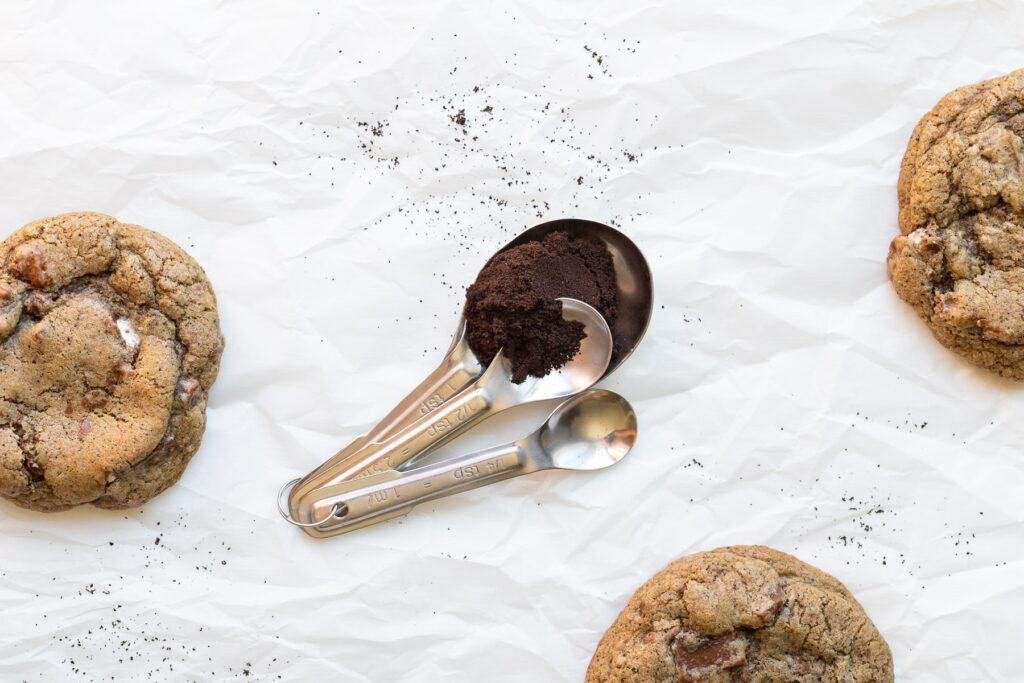
Key Differences in Usage:
- Espresso Powder: Best for recipes where a fine, seamless texture is essential. Ideal for intensifying flavors without altering the moisture content of the dish.
- Instant Espresso: Suitable for quick coffee preparation and recipes where the texture of granules won’t be an issue. Adds a mild coffee flavor quickly and conveniently.
Best Practices for Using Espresso in Cooking
Using espresso in cooking can add a rich and deep flavor to your dishes, whether sweet or savory. Here are some tips on how to get the most out of both espresso powder and instant espresso in your culinary endeavors.

Using Espresso Powder:
- Measure Precisely: Espresso powder is highly concentrated, so a little goes a long way. Start with a small amount and adjust to taste.
- Tip: Typically, one teaspoon is enough to enhance the flavor in most recipes without overpowering other ingredients.
- Dissolve in Liquids: For an even distribution of flavor, dissolve espresso powder in a liquid component of your recipe, such as milk, water, or vanilla extract, before mixing it into the batter or dough.
- Tip: This helps prevent clumping and ensures a smooth consistency.
- Pair with Chocolate: Espresso powder is known for enhancing the flavor of chocolate. Use it in brownies, cakes, cookies, and frostings to intensify the cocoa flavor.
- Tip: Combine one teaspoon of espresso powder with unsweetened cocoa powder for a robust chocolate flavor in your desserts.
- Use Sparingly in Savory Dishes: A small amount can add depth to savory dishes without making them taste like coffee.
- Tip: Try adding a pinch to chili, stews, or barbecue sauces for an unexpected umami boost.
Using Instant Espresso:
- Quick Beverages: Instant espresso is perfect for quick coffee drinks. Dissolve in hot water and enjoy.
- Tip: For a richer flavor, use a higher concentration of granules.
- Add Directly to Dry Ingredients: When using instant espresso in baking, you can mix it directly with dry ingredients. The granules will dissolve as the recipe bakes.
- Tip: Combine with flour, sugar, and cocoa powder to ensure even distribution.
- Enhance Coffee-Flavored Desserts: Instant espresso can be used to add a mild coffee flavor to desserts like tiramisu, coffee cake, or ice cream.
- Tip: Dissolve instant espresso in the liquid ingredients or mix it into the batter for a smooth, even coffee flavor.
- Experiment in Savory Recipes: Like espresso powder, instant espresso can add depth to savory dishes, though it may not blend as seamlessly.
- Tip: Use it in marinades or rubs for meats, or add a small amount to sauces and gravies.
General Tips:
- Storage: Keep both espresso powder and instant espresso in airtight containers to preserve their flavor and prevent moisture absorption.
- Substitution: If a recipe calls for one and you only have the other, remember that espresso powder is more concentrated than instant espresso. Adjust the quantity accordingly.
Purchasing Tips
When it comes to buying espresso powder and instant espresso, selecting the right product can significantly impact the flavor and quality of your culinary creations. Here are some tips to help you choose the best option based on your needs.
Espresso Powder:
- Check the Ingredients: Look for products that list pure espresso as the sole ingredient. Avoid those with added fillers or artificial flavors.
- Tip: High-quality espresso powder will usually be more aromatic and offer a richer taste.
- Consider the Grind: The fineness of the powder can affect how well it blends into recipes. A finer grind is ideal for seamless integration into batters and doughs.
- Tip: If you can, check reviews or product descriptions for information on the grind size.
- Packaging: Choose products in airtight, resealable containers to ensure freshness and longevity.
- Tip: Packaging that protects from light and moisture helps maintain the powder’s quality.
- Brand Reputation: Opt for reputable brands known for their quality coffee products.
- Tip: Brands with positive reviews from other bakers and cooks can be a good indicator of quality.
Instant Espresso:
- Check for Additives: While some additives can be necessary for solubility and shelf life, aim for products with minimal additional ingredients to ensure a pure coffee flavor.
- Tip: Read the ingredient list carefully and choose brands with fewer additives.
- Solubility: The primary appeal of instant espresso is its quick solubility. Look for products that dissolve easily in both hot and cold liquids.
- Tip: Reviews can be helpful to determine how well the product dissolves without leaving residue.
- Flavor Profile: Different brands can have varying flavor profiles. Some may be more bitter or acidic, while others might have a smoother, balanced taste.
- Tip: Experiment with small quantities from different brands to find the one that best suits your taste preferences.
- Packaging: Similar to espresso powder, instant espresso should be stored in airtight containers to preserve its freshness and flavor.
- Tip: Single-serve packets can be convenient and help maintain freshness over time.
FAQs
Disclosure: Our blog contains affiliate links to products. We may receive a commission for purchases made through these links. However, this does not impact our reviews and comparisons. We try our best to keep things fair and balanced, in order to help you make the best choice for you.