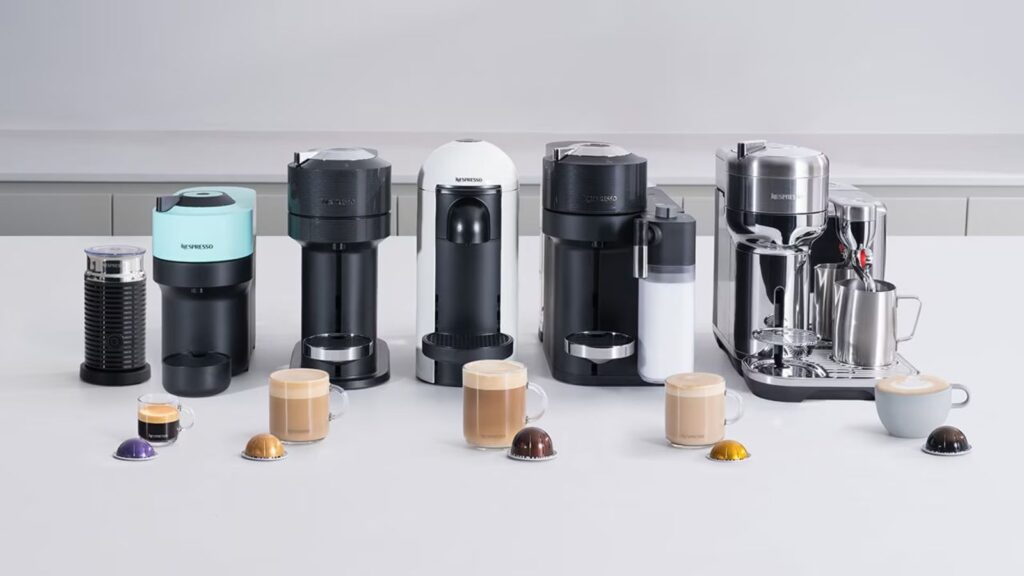
The Nespresso Aeroccino is one of the most popular milk frothers for home coffee lovers. Whether you use the Aeroccino 3 or Aeroccino 4, regular cleaning and occasional descaling are essential to maintain froth quality, prevent overheating, and extend the life of the unit.
This guide explains exactly how to clean and descale your Aeroccino, from daily care to deeper maintenance.
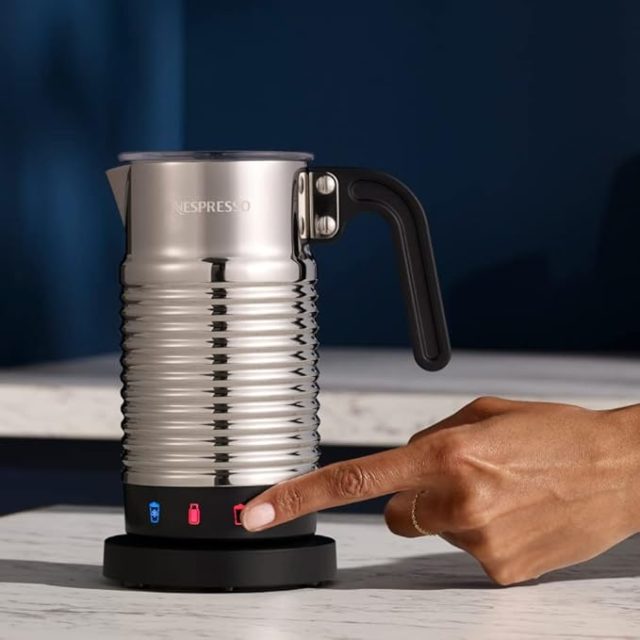
Why Cleaning and Descaling Matter
Milk frothers work under heat and motion, which makes residue buildup inevitable if not cleaned consistently.
Key reasons cleaning matters:
- Milk residue can clog the whisk magnet and stop spinning
- Old milk film alters taste and creates burnt or sour flavors
- Residue causes overheating and auto shutdown issues
- Regular maintenance significantly extends appliance lifespan
According to consumer appliance care data published by the Association of Home Appliance Manufacturers, proper cleaning and maintenance can extend small appliance lifespan by up to 30%.
A clean Aeroccino delivers smoother microfoam and more reliable performance every time.
Daily Cleaning Routine
After Every Use
- Unplug the frother and allow it to cool slightly
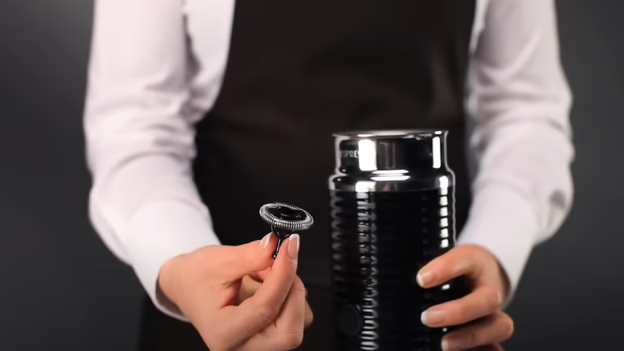
- Remove the whisk immediately
- Rinse the whisk under warm water
- Rinse the jug interior using warm water and mild dish soap with a soft sponge
Important model notes:
- Aeroccino 3 must never be submerged because electronics are in the base
- Aeroccino 4 jug is dishwasher safe on the top rack
- Dry all parts completely before reassembly to prevent water spots and bacteria buildup
Exterior Cleaning
- Wipe the exterior with a damp cloth
- Never use abrasive sponges or harsh cleaners
Weekly Deep Cleaning
If you froth milk regularly, a weekly deep clean prevents residue from hardening.
Steps for deep cleaning:
- Soak whisks in warm soapy water for 10 to 15 minutes
- Gently scrub using a soft brush or cloth
- Wipe the magnet area at the bottom of the jug
- For stubborn milk residue, soak the interior with warm water and baking soda for 20 minutes
- Rinse thoroughly and dry completely
This step alone prevents most spinning and overheating issues.
Descaling the Aeroccino
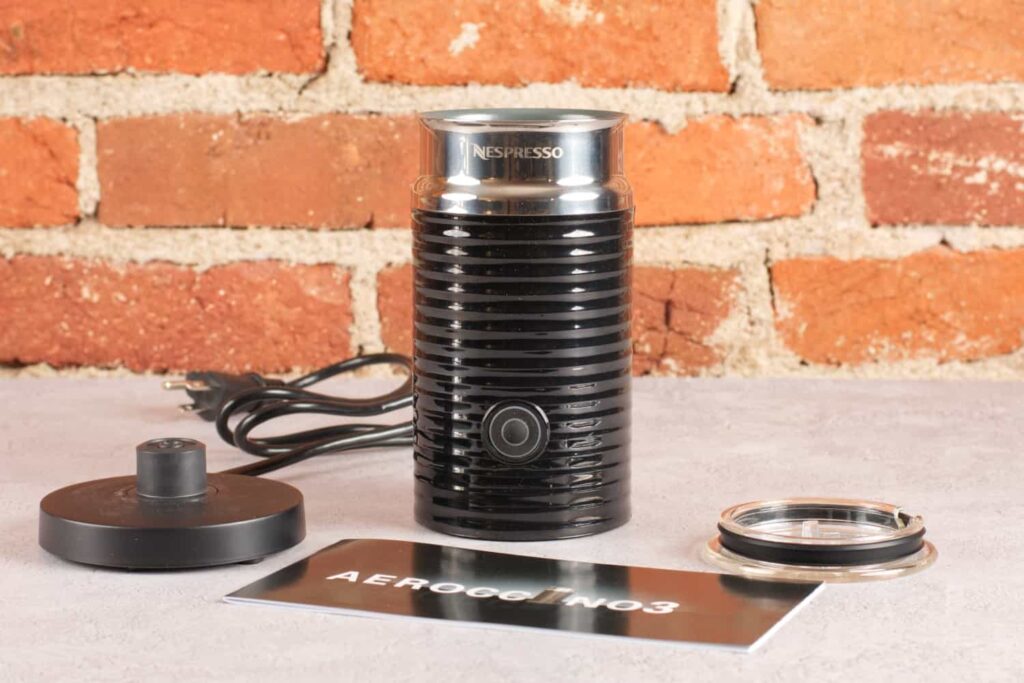
Milk frothers accumulate scale more slowly than espresso machines, but mineral buildup still occurs over time, especially in hard water areas.
How Often to Descale
- Every 3 months in hard water areas
- Every 6 months in soft water areas
Descaling Instructions
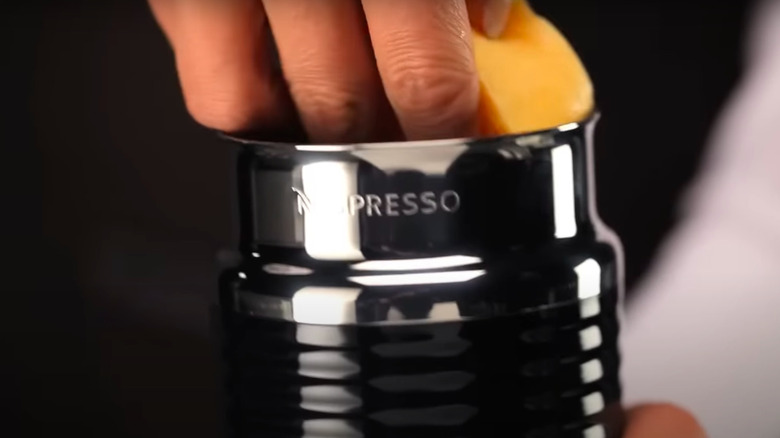
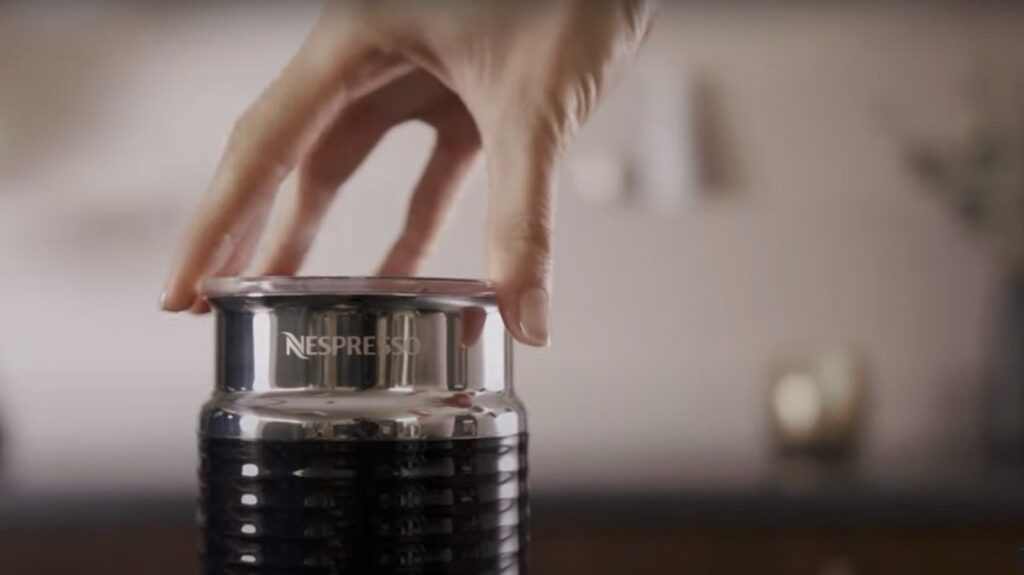
- Fill the jug halfway with water and halfway with descaling solution
- Use Nespresso descaler or a citric acid solution
- Run one heating cycle
- Empty the jug and rinse thoroughly
- Run a second cycle with clean water to flush residue
Do not use vinegar. Vinegar leaves an odor behind and can damage internal seals.
Aeroccino 3 vs Aeroccino 4 Cleaning Differences
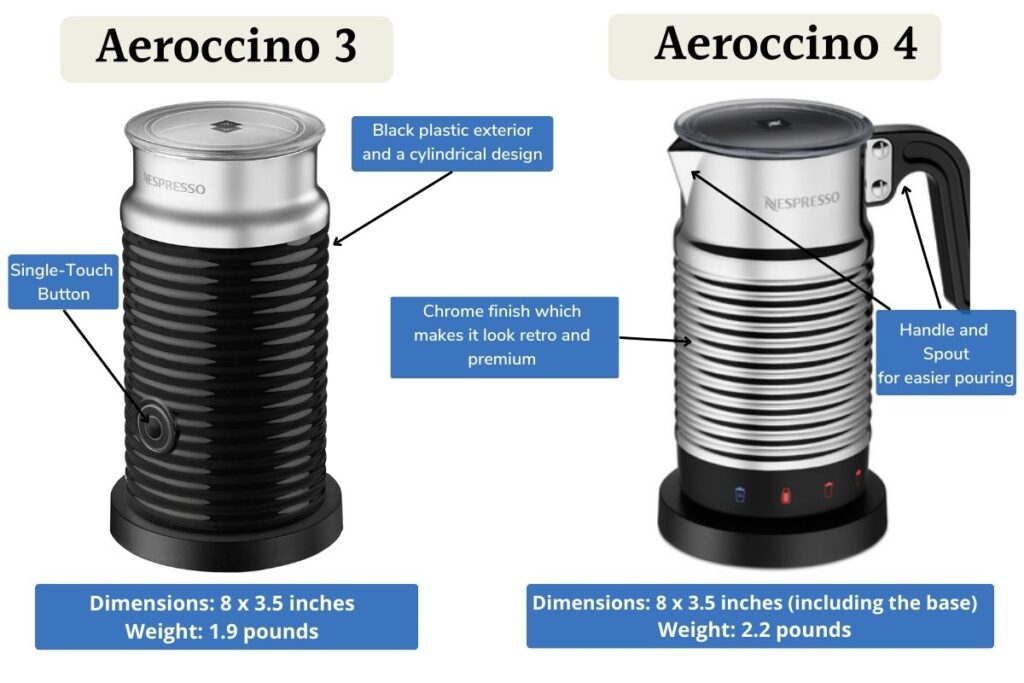
Key maintenance differences to know:
- Aeroccino 3 requires hand washing only and is more prone to residue issues
- Aeroccino 4 features a dishwasher-safe jug and easier overall upkeep
If convenience matters, the Aeroccino 4 requires less manual cleaning effort.
Troubleshooting Common Issues During Cleaning
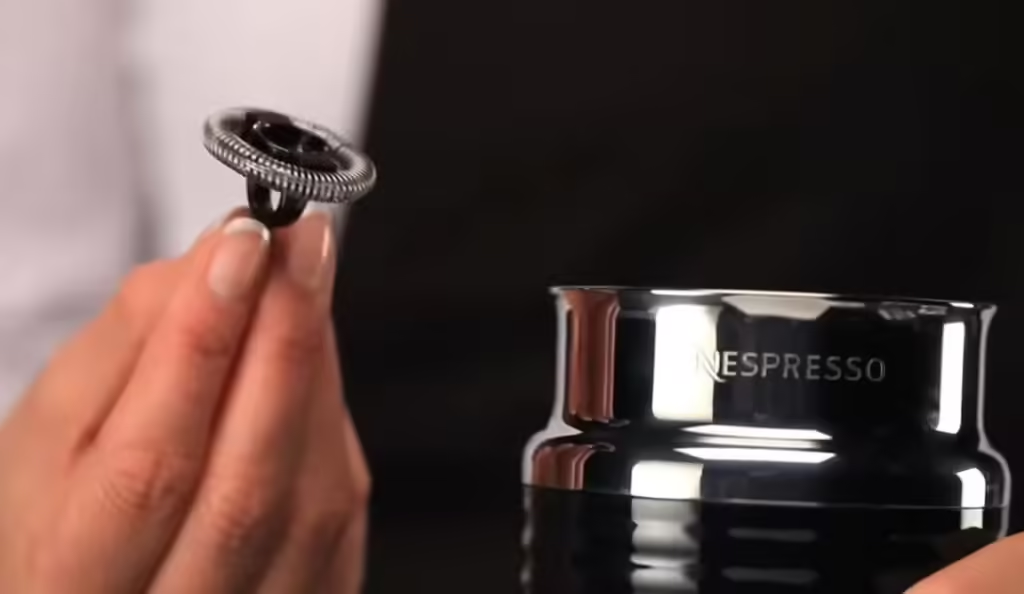
If problems persist after cleaning, check the following:
- Whisk not spinning
- Replace the whisk if cleaning does not restore movement
- Burnt smell
- Indicates burnt milk residue or scale buildup on the heating plate
- Frother overheating or shutting off
- Clean thoroughly and allow rest time between cycles
Most Aeroccino issues are caused by residue buildup rather than mechanical failure.
How Cleaning Impacts Milk Froth Quality
Milk foam quality depends on protein structure and heat consistency. Residue disrupts both.
When the Aeroccino is dirty:
- Milk overheats unevenly
- Foam bubbles collapse faster
- Burnt flavors appear even with fresh milk
When the Aeroccino is clean:
- Foam is thicker and more stable
- Temperature stays consistent
- Froth texture improves across dairy and barista plant milks
This is why professional baristas clean milk systems after every use.
Final Verdict
A simple routine keeps your frother running smoothly:
- Daily rinsing prevents residue buildup
- Weekly deep cleaning protects whisk performance
- Descaling every few months preserves heating efficiency
- Aeroccino 4 requires less effort due to its dishwasher-safe design
With consistent care that takes just a few minutes, your Aeroccino can deliver silky microfoam for years without performance issues.
Quick Aeroccino Cleaning Checklist (Save This)
Use this checklist to keep your Aeroccino performing like new.
After Every Use
- Rinse the whisk immediately
- Rinse the jug with warm water and mild soap
- Dry completely before storing
Weekly
- Soak the whisk in warm, soapy water for 10 to 15 minutes
- Clean the magnet base inside the jug
- Remove milk film with baking soda soak if needed
Every Few Months
- Descale with citric acid or Nespresso descaler
- Run a clean water cycle after descaling
Pro tip: Most frother failures happen because milk residue is left overnight.
Best Cleaning Products for the Aeroccino
Using the right products protects the heating plate and internal seals.
Recommended
- Mild dish soap
- Soft sponge or microfiber cloth
- Citric acid descaling solution
- Official Nespresso descaler
Avoid
- Vinegar
- Abrasive scrubbers
- Dishwasher detergent pods for Aeroccino 3
According to appliance care guidelines from the Association of Home Appliance Manufacturers, acidic household cleaners like vinegar accelerate seal wear in small heated appliances.
Frequently Asked Questions About Aeroccino Cleaning
Can I put my Aeroccino in the dishwasher?
Only the Aeroccino 4 jug is dishwasher safe. The Aeroccino 3 must be hand-washed only.
Why does my Aeroccino smell burnt after cleaning?
This usually means milk residue or scale remains on the heating plate. A descaling cycle followed by a clean water cycle fixes it.
How long should an Aeroccino last with proper care?
With consistent cleaning, many users report several years of reliable use before any performance decline.
Is descaling really necessary for a milk frother?
Yes. Mineral buildup affects heating efficiency even without visible scale.