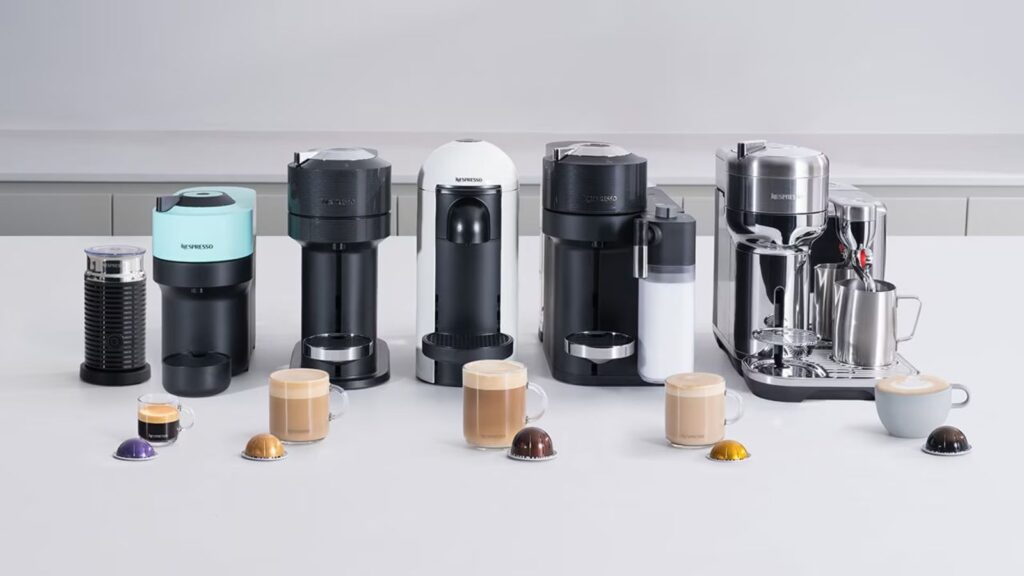
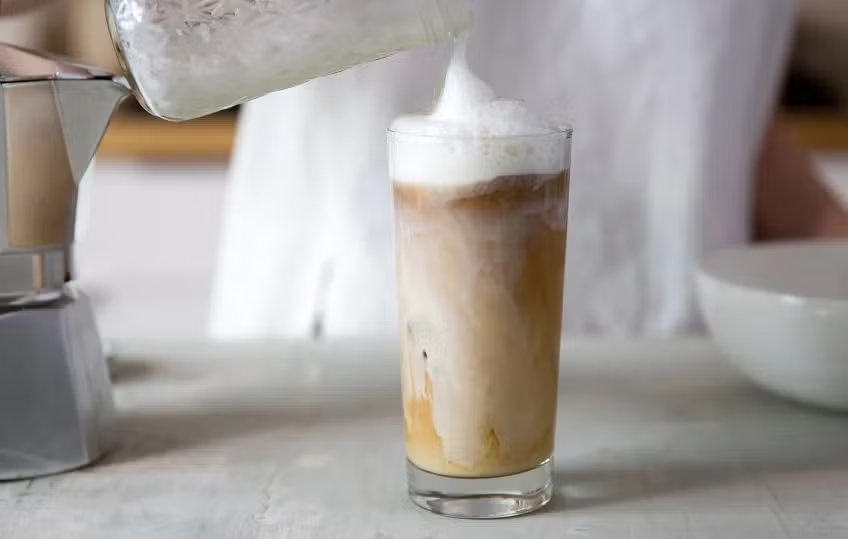
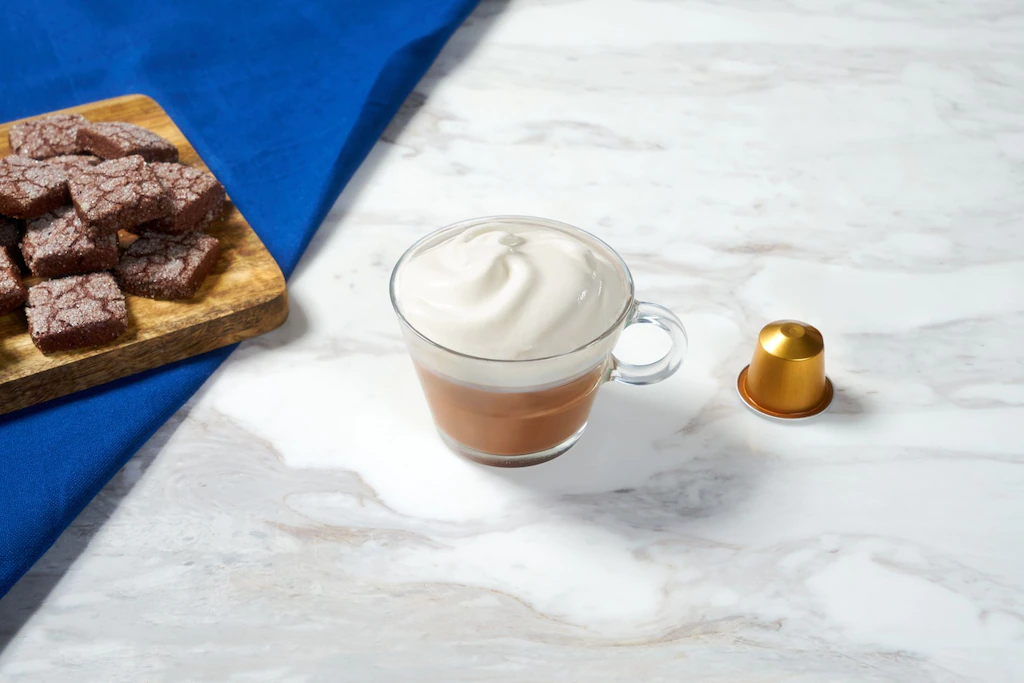
The Nespresso Aeroccino is one of the easiest ways to froth milk, but it is far from the only option. If you do not own one, or yours stopped working, you can still get café-style foam using simple tools already in your kitchen.
This guide explains frothing milk without an Aeroccino using a French press, stovetop whisk, mason jar, or immersion blender. Each method produces a slightly different texture, so you can choose what fits your setup and your drink.

Quick Answer: Can You Froth Milk Without an Aeroccino?
Yes. You can froth milk without an Aeroccino using a French press, whisk, mason jar, or immersion blender. The French press method produces the closest texture to café-style microfoam, while the jar and whisk methods create lighter foam suitable for lattes and cappuccinos.
The Basics of Frothing Milk Without a Frother
Frothing milk always follows the same principle.
- Heat plus agitation creates foam
- Milk proteins trap air bubbles when shaken, whisked, or pressed
- Smaller bubbles create smoother, more stable microfoam
Any method can froth milk, but some produce a silkier texture than others.
According to dairy science research published by the University of California, milk begins to lose sweetness and foam stability above 65°C (150°F) due to protein breakdown. This milk temperature range is why professional cafés steam milk just below boiling.
Which Milk Froths Best Without an Aeroccino?
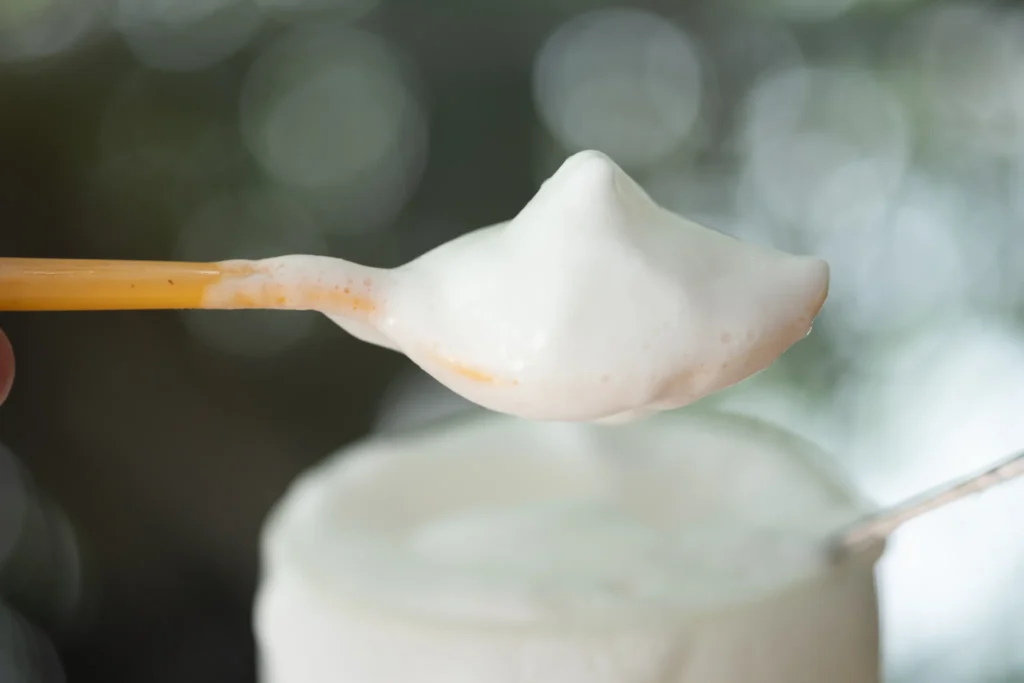
Milk choice matters just as much as the frothing method.
- Whole milk: Best overall foam stability due to balanced fat and protein
- 2% milk: Good foam with slightly less creaminess
- Oat milk (barista version): Best plant-based option for consistent foam
- Soy milk: High protein content, but sensitive to overheating
- Almond milk: Froths lightly, foam breaks down quickly
If you use plant milk often, choosing a barista-style version makes a noticeable difference.
Method 1: French Press Frothing

How to Froth Milk with a French Press
- Heat milk on the stovetop to warm, not boiling, about 60 to 65°C.
- Pour milk into a clean French press.
- Pump the plunger up and down vigorously for 20 to 30 seconds.
- Swirl the milk gently to smooth the foam before pouring.
Pros
- Produces fine, silky microfoam closest to an Aeroccino
- Works well with dairy and barista plant milks
Cons
- Requires more cleanup
- Can splash if pumped too aggressively
Method 2: Stovetop and Whisk

How to Froth Milk with a Whisk
- Heat milk in a saucepan until warm, not boiling.
- Whisk vigorously by hand or use a handheld electric whisk.
- Swirl the milk to reduce large bubbles.
Pros
- Simple and accessible
- Good for small servings like cappuccinos
Cons
- Foam tends to be lighter and less silky
- It can be tiring if whisking by hand
Method 3: Mason Jar Shake

How to Froth Milk in a Jar
- Fill a mason jar halfway with cold milk.
- Seal tightly and shake for 30 to 45 seconds until foamy.
- Microwave uncovered for 30 to 45 seconds to warm and stabilize the foam.
Pros
- No specialty tools required
- Very beginner-friendly
Cons
- Foam is airy rather than smooth
- Limited volume due to expansion
Method 4: Immersion Blender or Hand Mixer

How to Froth Milk with a Blender
- Heat milk using a stovetop or microwave.
- Froth with an immersion blender or a hand mixer for 20 to 30 seconds.
- Tap the container gently to remove large bubbles.
Pros
- Fast and effective
- Ideal for multiple drinks at once
Cons
- Easy to over-froth
- Requires cleanup
Frothing Methods Compared
| Method | Foam Texture | Cleanup | Best For |
|---|---|---|---|
| French press | Smooth microfoam | Medium | Lattes, flat whites |
| Mason jar | Light and airy | Low | Quick home drinks |
| Whisk | Dry foam | Low | Cappuccinos |
| Immersion blender | Smooth but bubbly | High | Multiple cups |
- Best overall texture: French press
- Best for speed: Mason jar
- Best for small cups: Whisk
- Best for larger batches: Immersion blender
If you want foam that pours smoothly and blends into espresso, the French press method delivers the most consistent results.
Tips for Frothing Milk Without an Aeroccino
- Start with cold milk straight from the refrigerator
- Avoid overheating to preserve sweetness and foam stability
- Use barista-style oat or soy milk for better plant-based results
- Swirl milk before pouring to refine the texture
FAQS
Can you froth milk without heating it first?
Yes. Cold milk can be frothed using a mason jar or blender. Heating afterward improves sweetness and foam stability.
What method is closest to an Aeroccino?
A French press produces the most similar microfoam texture when milk is heated correctly.
Why does my milk foam collapse so fast?
Foam usually collapses due to overheating, low protein milk, or large air bubbles created during aggressive frothing.
Final Verdict
You do not need an Aeroccino to enjoy lattes, cappuccinos, or flat whites at home.
- French press frothing gives the closest result to café microfoam
- Mason jars and whisk methods work well for quick home drinks
- Immersion blenders are best for households making multiple cups
Frothing milk successfully at home depends more on heat control and protein behavior than on owning specialized equipment.
Bottom line: If you want microfoam closest to café quality, use a French press with properly heated milk.