Perfect coffee is not just about espresso. Milk temperature and texture play an equally important role. Heat milk too little and it tastes flat. Overheat it, and you destroy milk proteins, lose sweetness, and end up with dry foam.
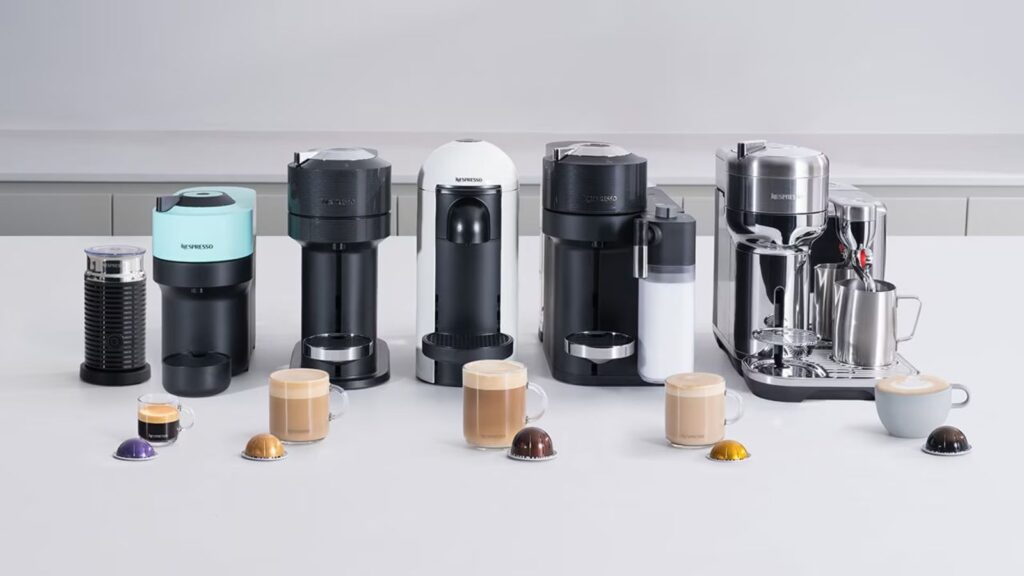
Whether you are using a Nespresso Aeroccino, a Lattissima milk carafe, or a Creatista steam wand, understanding proper milk temperatures helps you make café-quality drinks at home.
This guide breaks down ideal milk temperature and texture by drink so you can dial in your lattes, cappuccinos, and flat whites with confidence.
Why Milk Temperature Matters
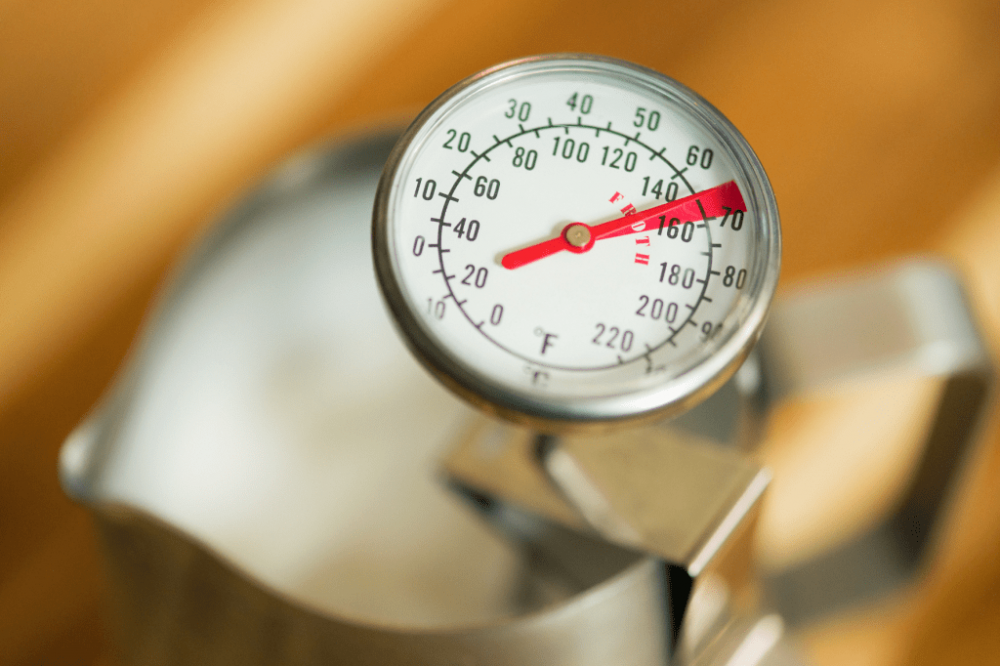
Milk chemistry changes quickly with heat.
According to the Specialty Coffee Association, milk reaches its optimal sweetness and foam stability between 60 and 65°C (140 to 149°F). Above this range, milk proteins denature, and foam quality drops significantly.
Key principles to know:
- Milk proteins stabilize foam, but excess heat breaks them down
- Lactose begins to caramelize around 60 to 65°C, creating natural sweetness
- Above 70°C (160°F), milk develops a burnt taste and foam collapses
Sweet spot for most milk drinks: 60 to 65°C (140 to 150°F)
Milk Temperature and Texture Guide by Drink
Latte
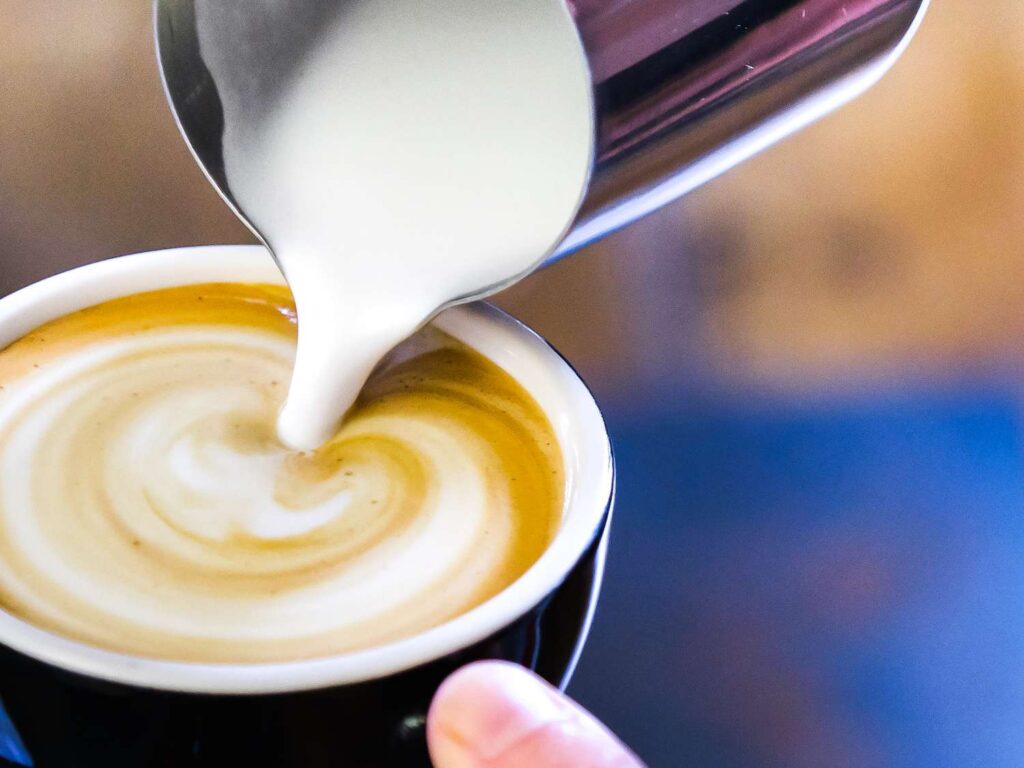
- Temperature: 60 to 65°C (140 to 150°F)
- Texture: Silky microfoam with very fine bubbles
- Ratio: One-third espresso, two-thirds steamed milk, thin foam layer
- Tip: Stop frothing early to keep the milk smooth and integrated
Cappuccino
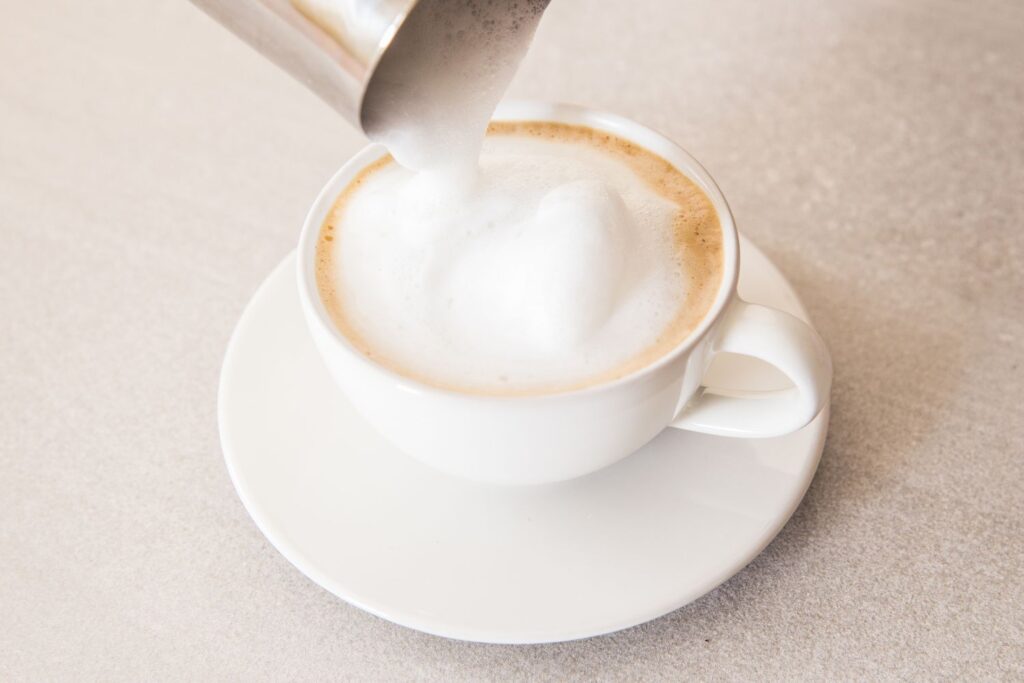
- Temperature: 60 to 65°C (140 to 150°F)
- Texture: Dense and airy foam
- Ratio: One-third espresso, one-third steamed milk, one-third foam
- Tip: Froth slightly longer to build dry foam with structure
Flat White
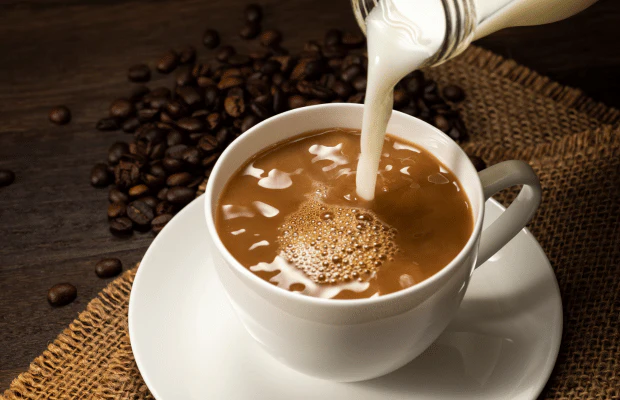
- Temperature: 55 to 60°C (130 to 140°F)
- Texture: Ultra-silky microfoam with a glossy surface
- Ratio: Higher espresso-to-milk ratio with minimal foam
- Tip: Keeping milk slightly cooler preserves sweetness and texture
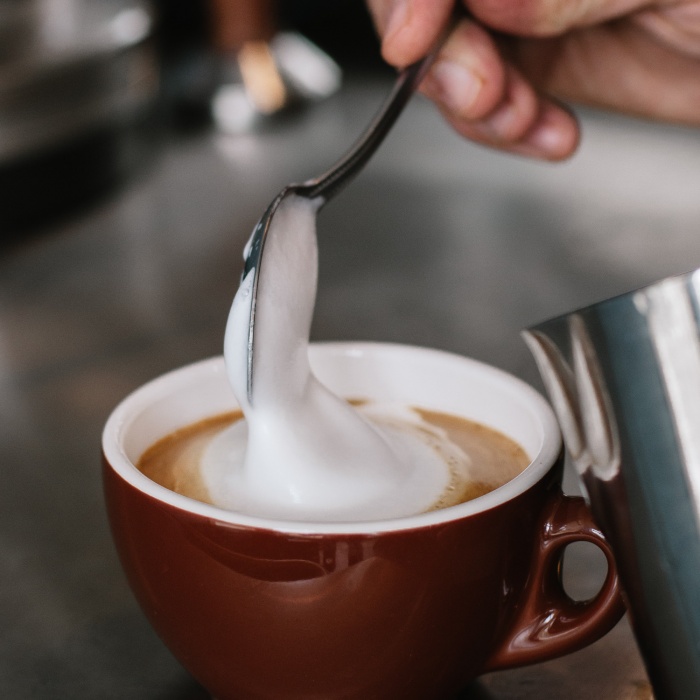
Macchiato
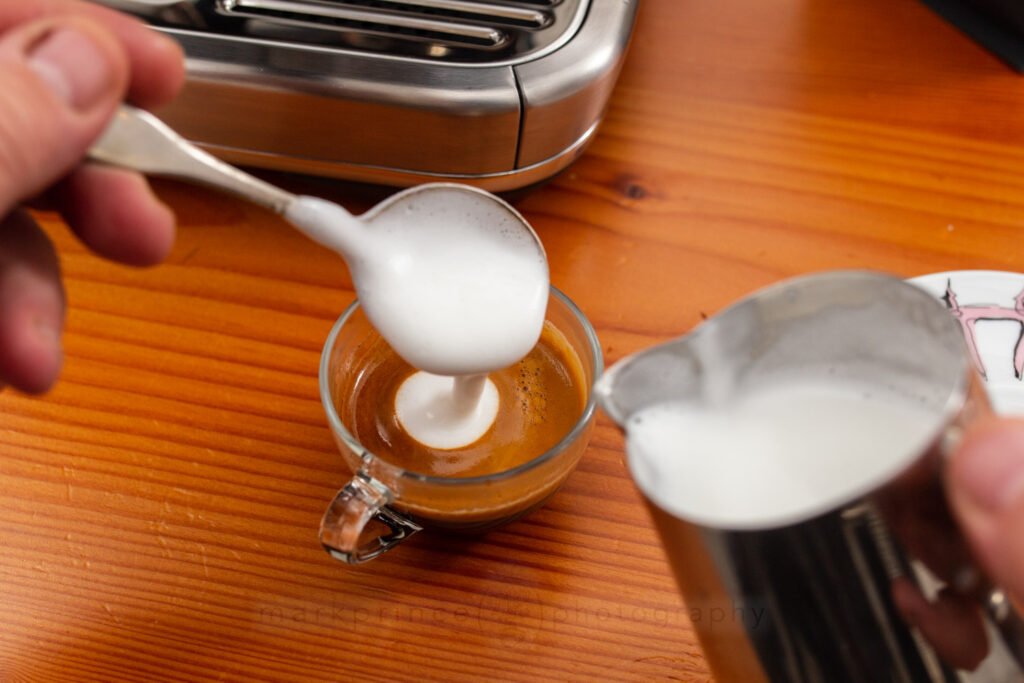
- Temperature: 60 to 65°C (140 to 150°F)
- Texture: Dry foam added by the spoon
- Ratio: Mostly espresso with a small amount of foam
- Tip: Use thick foam so it sits cleanly on top
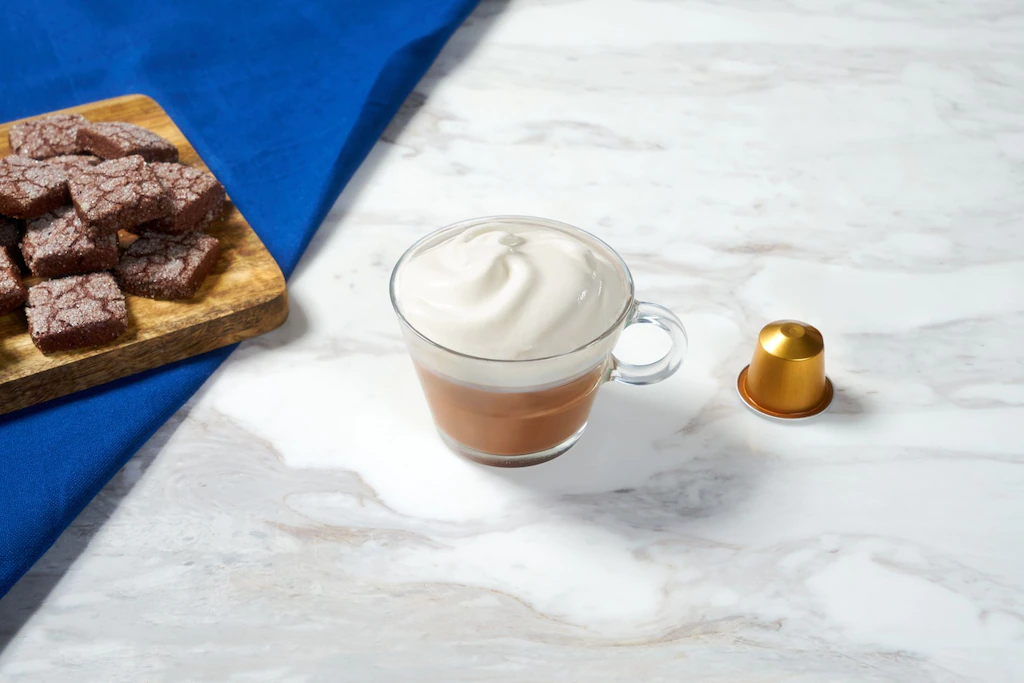
Mocha
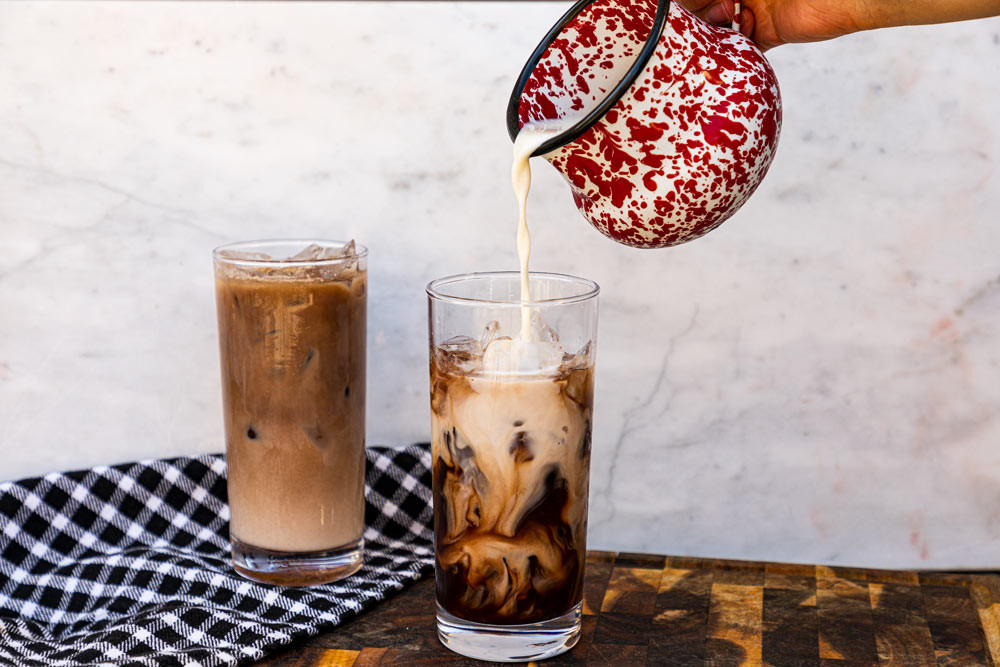
- Temperature: 60 to 65°C (140 to 150°F)
- Texture: Smooth, silky milk with low foam
- Ratio: Espresso, chocolate, and steamed milk
- Tip: Microfoam helps chocolate blend evenly
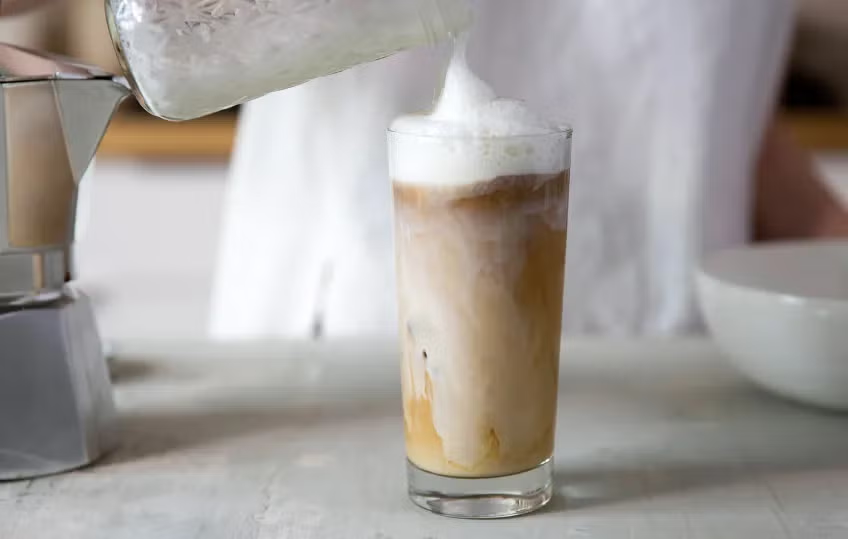
Iced Latte and Iced Cappuccino
Temperature and Texture Chart
Use this chart as a quick reference when dialing in milk drinks at home.
- Latte: 60 to 65°C, silky microfoam, thin foam layer
- Cappuccino: 60 to 65°C, dense airy foam, thick layer
- Flat White: 55 to 60°C, glossy microfoam, very thin layer
- Macchiato: 60 to 65°C, dry foam, just a spoonful
- Mocha: 60 to 65°C, smooth milk, light foam
- Iced Drinks: Cold, cold foam, thin or airy
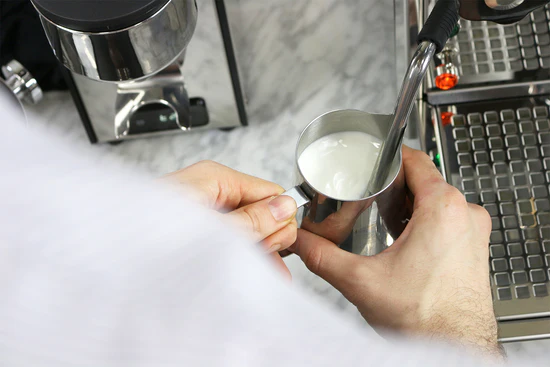
Tips for Frothing Milk at Home
Start Cold
Always begin with refrigerated milk. Cold milk stretches proteins more evenly and creates better foam.
Do Not Overheat
Stop heating at 65°C (150°F). If the jug is too hot to hold comfortably, you have gone too far.
Swirl and Tap
After frothing, swirl the milk to integrate foam and tap the jug lightly to remove large bubbles.
Choose the Right Frother
- Aeroccino 4: Best for switching between foam textures
- Lattissima: Convenient for cappuccinos and lattes with minimal control
- Creatista: Closest to barista-level control and ideal for latte art
Milk Choice Also Affects Texture
The U.S. Department of Agriculture confirms that whole milk contains higher fat and protein levels, which produce more stable foam than skim milk or many plant-based alternatives.
Barista-style oat and almond milks are formulated to mimic these properties, which is why they perform better than standard plant milks.
Final Verdict on Milk Temperatures and Textures
- Latte: 60 to 65°C with silky microfoam
- Cappuccino: 60 to 65°C with thick dry foam
- Flat White: 55 to 60°C with glossy microfoam
- Macchiato: 60 to 65°C with a small foam cap
- Iced Drinks: Cold milk with cold foam
Bottom line: Keep milk below 65°C (150°F) for the sweetest, creamiest results and the best foam structure.