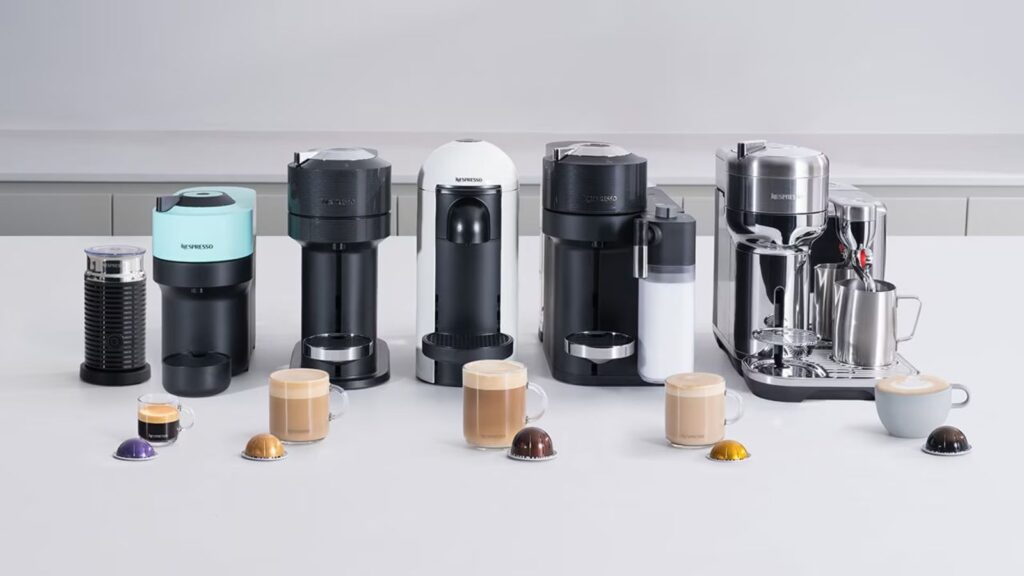
If your Nespresso milk frother is not working properly, you are not alone. Nespresso Frother Troubleshooting is a common need for owners dealing with issues like the whisk not spinning, the frother overheating, or milk failing to foam as expected.
These problems can occur across Aeroccino models, Lattissima milk systems, and Creatista steam wands.
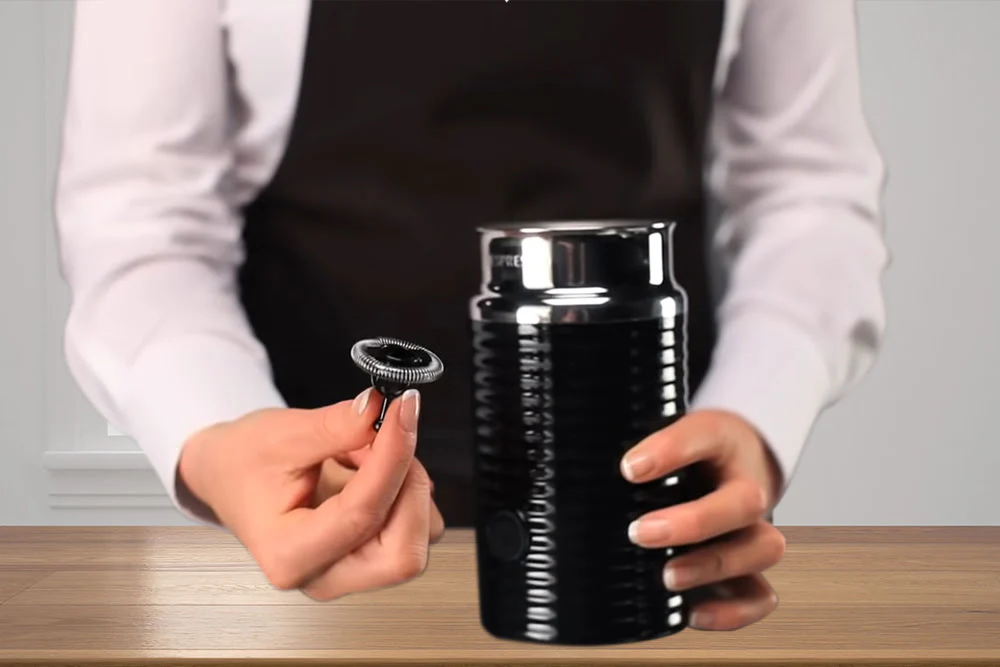
This guide explains the most common Nespresso frother problems, why they happen, and how to fix them quickly at home.
Common Frother Problems and How to Fix Them
Frother Not Spinning
Symptoms
- Whisk does not move
- Milk heats, but no foam forms
Common causes
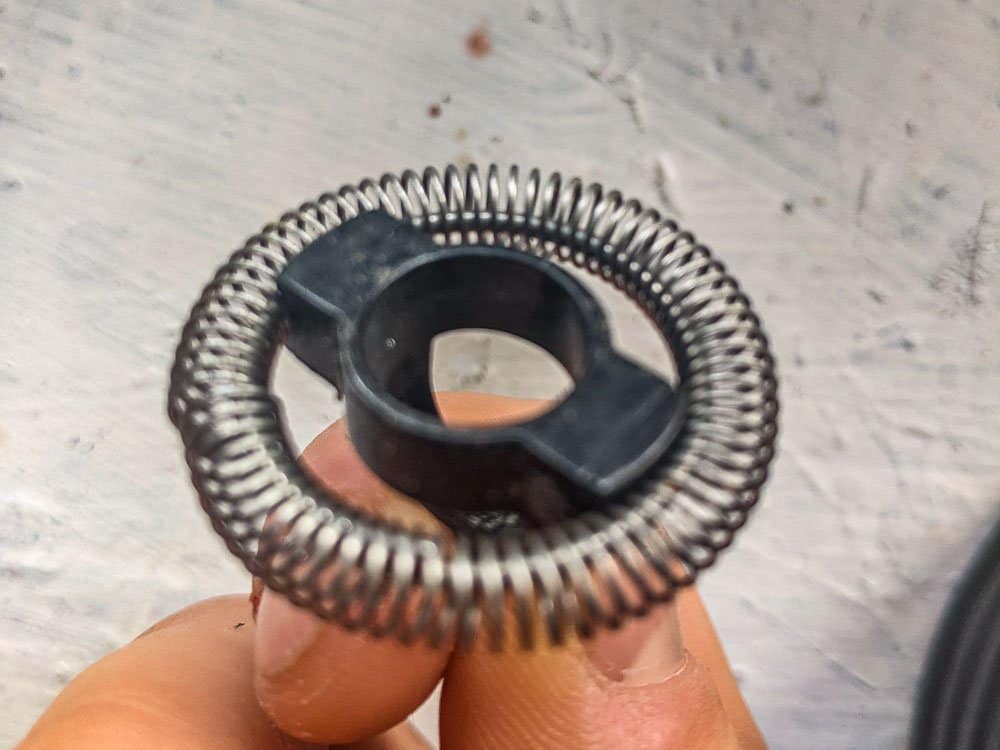
- Dirty or misaligned whisk magnet
- Milk residue is blocking rotation
- Incorrect whisk inserted
Fixes
- Remove the whisk and clean both the whisk and the base with warm water
- Make sure the whisk magnet clicks securely into place
- If using an Aeroccino, test the alternate whisk if your model includes one
If the whisk still does not spin, the magnet may be worn. Replacement whisks are inexpensive and widely available.
Frother Overheating or Shutting Off
Symptoms
- Frother stops mid-cycle
- Milk burns or smells scorched
- Frother will not restart immediately
Common causes
- Multiple frothing cycles back to back
- Milk residue is interfering with the temperature sensors
- Using warm milk or overfilling the jug
Fixes
- Let the frother rest for two to three minutes between cycles
- Always start with cold milk straight from the refrigerator
- Clean the interior thoroughly to remove residue buildup
Tip: Models like the Aeroccino 4 and Creatista handle repeated heat cycles better than older models.
Milk Not Frothing or Foam Is Too Thin

Symptoms
- Milk heats but produces little or no foam
Common causes
- Milk with low protein content
- Plant milk not labeled barista style
- Missing whisk coil on Aeroccino models
- Old or previously heated milk
Fixes
- Use whole dairy milk or barista-style oat or soy milk
- Confirm the whisk coil is attached if your model uses one
- Always begin with cold, fresh milk
Frother Spins but Does Not Heat
Symptoms
- Whisk spins but milk remains cold
Common causes
- Heating element blocked by dried milk residue
- Internal thermostat failure
Fixes
- Perform a deep clean of the frother base and interior
- If heating still fails, the internal component may be damaged and replacement is usually required
If your unit is under warranty, contact Nespresso support before replacing it.
Strange Noises or Excessive Vibration
Symptoms
- Rattling or buzzing sounds
- Frother shakes during operation
Common causes
- Whisk not seated properly
- Milk filled above the maximum line
- The frother was placed on an uneven surface
Fixes
- Reseat the whisk until it clicks into place
- Keep milk below the maximum fill line
- Place the frother on a flat, stable counter
Troubleshooting by Nespresso Model
Aeroccino 3 and Aeroccino 4
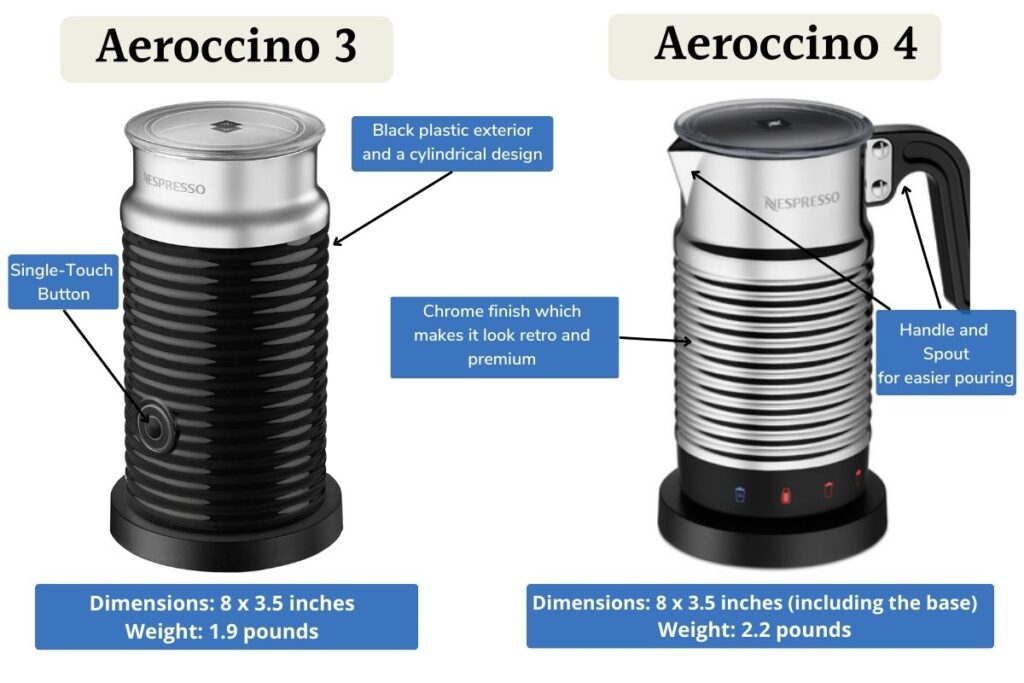
- Most issues are related to whisk magnet buildup or overheating
- Always check whisk attachment before assuming motor failure
- Aeroccino 3 requires hand washing only
- Aeroccino 4 is dishwasher safe and easier to maintain
Lattissima Milk Systems
- Frothing issues are often caused by clogged milk tubes
- Run the milk cleaning cycle daily
- Disassemble and deep clean the carafe weekly
- If problems persist, replacing the carafe unit often solves the issue
Creatista Steam Wand
- Frothing problems usually come from clogged steam tips
- Use the included cleaning needle to clear blocked holes
- Purge the steam wand before and after each use
How to Prevent Frother Problems
- Rinse the frother immediately after each use
- Use cold milk for every frothing cycle
- Match the correct whisk to the desired function
- Never exceed the maximum fill line
According to consumer appliance reliability data published by Which?, regular cleaning is the single most important factor in extending the lifespan of small kitchen appliances, including milk frothers.
How Often Should You Clean and Descale Your Frother?
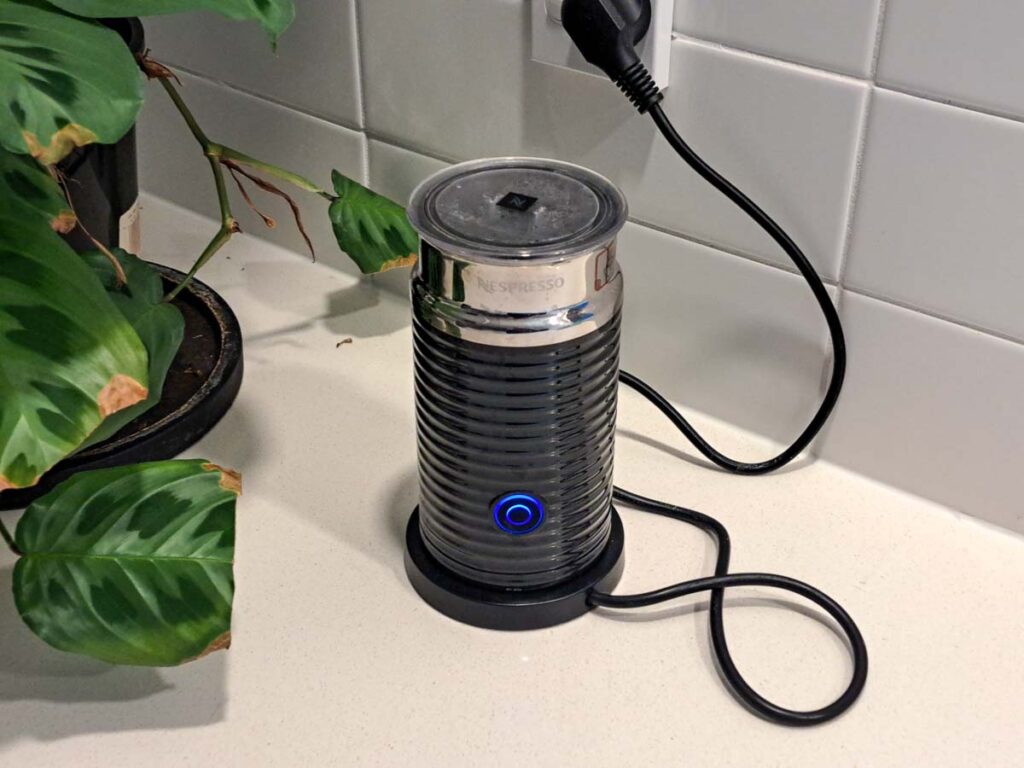
Cleaning frequency plays a huge role in preventing overheating, spinning issues, and sensor failures.
Daily Cleaning
- Rinse the frother immediately after every use
- Remove and rinse the whisk separately
- Wipe the interior with a soft cloth if residue remains
Weekly Deep Cleaning
- Wash removable parts with warm water and mild detergent
- For Lattissima systems, fully disassemble the milk carafe
- For steam wands, soak the tip and clear holes with the cleaning needle
Descaling Guidelines
While Aeroccino frothers do not require traditional descaling like espresso machines, mineral buildup from milk residue can still affect heating sensors.
- Deep clean every one to two weeks if used daily
- Clean more frequently if using dairy milk
- Never use abrasive cleaners or metal tools
According to Nespresso care guidelines, regular cleaning prevents most performance issues and extends the life of milk systems.
When to Repair and When to Replace
- Replace the whisk if spinning becomes inconsistent
- Replace the Lattissima carafe if cleaning does not restore foam
- Replace the machine if the heating element or thermostat fails outside warranty
In most cases, replacing the entire frother is more cost-effective than repairing internal heating components.
Final Troubleshooting Summary
- A frother not spinning means the whisk or magnet needs cleaning or replacement
- Overheating usually means back-to-back use or warm milk
- Weak foam points to milk choice or a missing whisk coil
- No heat typically indicates an internal failure
Bottom line: With basic cleaning and the right milk, most frother issues are quick fixes. For stubborn heating failures, contact Nespresso support or replace the unit.