
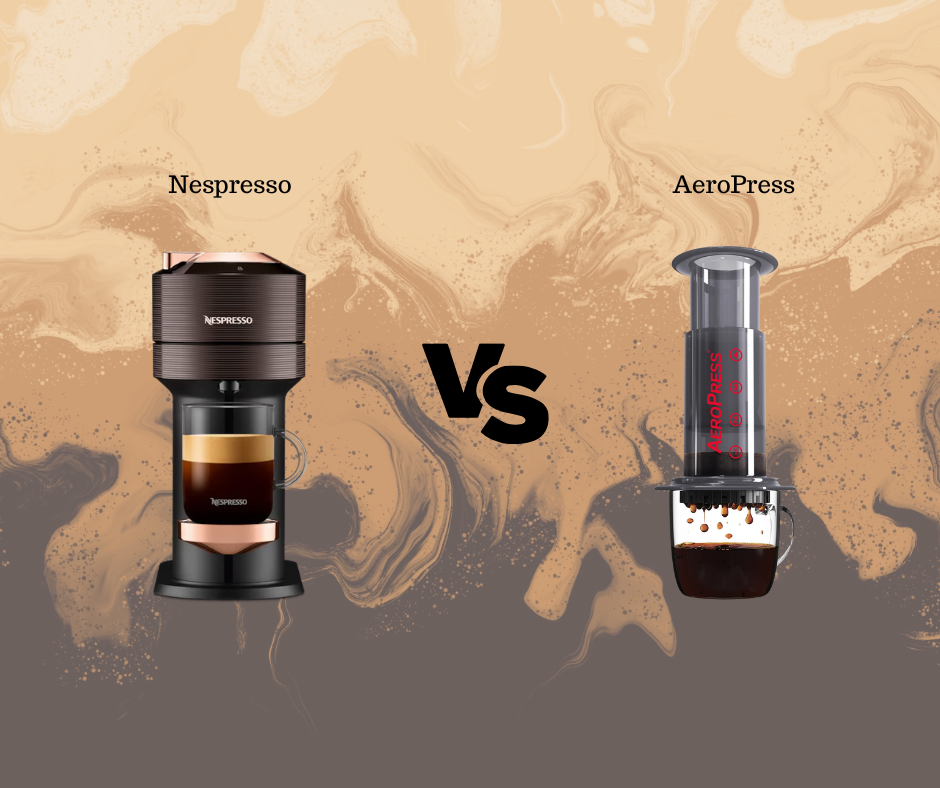
Nespresso vs AeroPress — Nespresso offers fast, consistent espresso with minimal effort and a sleek design, ideal for busy mornings and milk-based drinks. AeroPress delivers rich, customizable coffee through manual brewing, perfect for coffee enthusiasts who prioritize flavor control and portability. Your choice depends on whether you value convenience or hands-on brewing experience.
Nespresso vs AeroPress: Complete 2025 Comparison Guide
When you’re shopping for a home coffee maker, the decision between Nespresso vs AeroPress can feel overwhelming. Both have passionate followers, but they’re fundamentally different machines that serve different coffee lifestyles. I’ve spent years testing both systems, and I’m here to break down exactly what each one delivers so you can make an informed decision that matches your actual morning routine.
What Is Nespresso and How Does It Work?
The Technology Behind Nespresso
Nespresso machines use proprietary aluminum capsules filled with pre-ground, pre-measured coffee. When you insert a capsule and press the button, the machine forces pressurized hot water through the grounds in about 25-30 seconds. You get a shot (or two) of espresso with a layer of crema on top—that golden foam that indicates quality espresso extraction.
The pressure system in Nespresso machines typically generates 19 bars of pressure, which is the industry standard for espresso. This high pressure extracts oils and flavors from the grounds quickly and consistently. Each capsule is designed to work with a specific machine model, ensuring repeatability.
Speed and Convenience Factor
Let’s be honest: Nespresso is fast. From cold machine to espresso in your cup takes about 30 seconds. There’s no grinding, no measuring, no guesswork. Insert capsule, press button, done. This is why busy professionals and parents love it—it fits into hectic mornings without friction.
The machine also froths milk automatically if you opt for models with an Nespresso frother troubleshooting guide: not spinning feature, making cappuccinos and lattes just as quick. If you encounter issues with your frother, there are straightforward fixes available.
Taste Profile and Crema Quality
Nespresso shots produce consistent crema and a balanced espresso with a 1-3 minute shelf life before the crema dissipates. The flavor depends entirely on which capsule variety you choose—the machine itself does the heavy lifting. Original line capsules tend toward lighter, more aromatic profiles, while Vertuo capsules (using centrifusion technology) create larger cups with different flavor characteristics.
What Is AeroPress and How Does It Brew?
The Manual Brewing Method
The AeroPress is a handheld brewing device that looks like a large syringe with a paper or metal filter at the bottom. You load ground coffee into the chamber, pour hot water (around 175-200°F), let it steep briefly, then press down manually to force water through the grounds and filter. The entire process takes 1-3 minutes depending on your technique.
Unlike Nespresso, there’s no electricity needed. You control the water temperature, coffee grind size, water amount, and brew time. This hands-on approach appeals to coffee nerds who love experimenting with variables to dial in their perfect cup.
Portability and Durability
The AeroPress weighs less than a pound and fits inside a small bag. Travelers, campers, and office workers often carry one everywhere. It’s nearly indestructible—made from BPA-free plastic and stainless steel components that last for years with minimal maintenance.
Compare this to Nespresso, which requires electricity, counter space, and a supply of capsules. If you’re frequently on the move, AeroPress wins on practicality. You just need hot water and ground coffee—both easy to source anywhere in the world.
Flavor Control and Experimentation
The AeroPress produces a cup that’s somewhere between espresso and pour-over—concentrated but smooth, with bright acidity and clarity of flavor. Because you control every variable, two people can brew completely different cups with the same AeroPress and beans. Some prefer the immersion method (steeping longer), others use the inverted method for more contact time.
This flexibility is both a strength and a challenge. You’ll get better coffee once you dial in your technique, but there’s definitely a learning curve. New users sometimes produce weak or over-extracted cups while finding their sweet spot.
Nespresso vs AeroPress: Head-to-Head Comparison
Cost Analysis: Initial Investment and Ongoing Expenses
A Nespresso machine costs $150-$500 depending on the model and features. Capsules run about $0.70-$1.20 per serving, meaning a regular user spends $10-$15 monthly just on pods. Over a year, you’re looking at $120-$180 in capsules alone, plus the upfront machine cost.
An AeroPress costs $30-$40 as a one-time purchase. Paper filters are pennies per use. Your ongoing cost is just the ground coffee you’d buy anyway. Financially, AeroPress becomes cheaper after just a few months, and the savings compound forever.
| Cost Factor | Nespresso | AeroPress |
|---|---|---|
| Initial Investment | $150–$500 | $30–$40 |
| Per-Serving Cost | $0.70–$1.20 | $0.10–$0.30 |
| Annual Capsule/Filter Cost | $120–$180 | $15–$40 |
| 5-Year Total Cost | $750–$1,400 | $105–$240 |
Brew Quality and Espresso Standards
When we talk about Nespresso vs AeroPress in terms of technical espresso quality, they’re competing in different categories. Nespresso produces true espresso—a pressurized, concentrated shot with crema. It meets the Italian definition of espresso: 25-30ml extracted in 25-30 seconds at 9+ bars of pressure.
AeroPress produces a concentrated coffee drink, but it’s not technically espresso. It lacks the high pressure needed for authentic espresso extraction. However, many coffee professionals argue that AeroPress coffee tastes better and cleaner because the paper filter removes oils that espresso drinkers might find heavy.
For milk drinks, Nespresso’s automatic frother (on some models) is a huge advantage. You’ll want to explore best milks for latte art with Nespresso to get the best microfoam. With AeroPress, you’ll need a separate milk frother or manual pitcher technique, which adds complexity.
Ease of Use and Learning Curve
Nespresso is genuinely foolproof. Insert capsule, press button, enjoy espresso. Even someone who’s never made coffee can produce a decent shot on their first try. The only skills required are inserting a capsule correctly and not burning yourself.
AeroPress has a learning curve. Your first few brews might taste weak, over-extracted, or muddy while you dial in grind size, water temperature, and brew time. Most people master it within a week of daily use, but it requires initial patience and willingness to experiment.
Which Coffee Maker Should You Actually Buy?
Choose Nespresso If You Want Convenience Above All
You’re a good fit for Nespresso if you’re busy, you drink the same coffee most days, you enjoy milk-based drinks, or you don’t want to think about your coffee maker at all. Parents juggling multiple kids, office workers on tight schedules, and people living in small spaces all benefit from Nespresso’s simplicity and compact footprint.
The capsule system means zero cleanup beyond rinsing the cup. Just pop out the used capsule and recycle it (or dispose responsibly). The machine handles cleaning and descaling the Nespresso Aeroccino maintenance, though you should descale every 600 cups to keep it running smoothly.
Choose AeroPress If You Love Coffee and Experimentation
AeroPress suits coffee enthusiasts, travelers, office workers who can make one coffee and enjoy it slowly, and people who want to spend under $50. If you enjoy the ritual of brewing—measuring beans, grinding fresh, controlling variables—AeroPress becomes part of the experience rather than just a machine.
You’ll get superior flavor clarity because the paper filter removes oils, and you can adjust your technique daily based on the bean origin, roast level, and your mood. Plus, you can brew for yourself or an entire group with just one device.
Practical Recommendation: The Hybrid Approach
Honestly? Consider owning both. Keep a Nespresso for hectic mornings when you need coffee in 30 seconds. Use an AeroPress on weekends when you have time to enjoy the brewing ritual. This gives you convenience on weekdays and experimentation on weekends without breaking the bank—you’re only spending about $200 total including the Nespresso machine.
Frequently Asked Questions
Is Nespresso espresso real espresso?
Yes, Nespresso produces true espresso according to Italian standards. It uses 19 bars of pressure to force hot water through ground coffee in 25-30 seconds, creating a concentrated shot with crema. The capsule system ensures consistency, though espresso purists sometimes argue the flavor differs slightly from traditional espresso machine shots due to capsule design and pre-ground coffee variables.
Can you use regular ground coffee in Nespresso?
No, standard Nespresso machines only work with proprietary aluminum capsules. You cannot brew loose ground coffee. However, compatible third-party capsules from brands like Starbucks, Lavazza, and others are available and work with Original line Nespresso machines, giving you more flavor options beyond Nespresso’s own range.
How does AeroPress compare to French press for taste?
AeroPress produces cleaner coffee than French press because it uses a paper filter that traps fine sediment and oils. French press immerses grounds in water without filtering, resulting in fuller body but more silt. For Nespresso vs AeroPress drinkers curious about alternatives, AeroPress typically tastes brighter and lighter than French press while remaining richer than pour-over methods.
Which is better for milk-based drinks, Nespresso or AeroPress?
Nespresso wins for milk drinks because many models include automatic milk frothers that produce quality microfoam for cappuccinos and lattes. AeroPress requires a separate manual frother or electric milk steamer, adding cost and complexity. If milk drinks are your priority, Nespresso vs AeroPress clearly favors Nespresso’s integrated froth capabilities and convenience factor.
Is AeroPress worth it if I already have a coffee maker?
Yes, at $30-$40, an AeroPress is a worthwhile addition for anyone who travels, works in an office, or wants to experiment with coffee flavor. It’s incredibly portable and produces excellent coffee anywhere you have hot water. Many coffee lovers keep both a regular home brewing method and an AeroPress for different situations and moods.
What’s the environmental impact of Nespresso capsules?
Nespresso capsules are aluminum and technically recyclable, though disposal varies by region. Nespresso has a mail-back recycling program in many countries. AeroPress uses paper filters that are compostable or recyclable. If environmental impact matters to you, AeroPress generates less waste overall, though both produce significantly less waste than disposable K-cups used in Keurig machines.
Can you make cold brew with AeroPress?
Yes, AeroPress is excellent for cold brew. Use room-temperature water, coarse grounds, and let it steep for 12-24 hours before pressing. You’ll get a concentrate perfect for iced coffee. For Nespresso vs AeroPress users wanting cold coffee options, Nespresso requires special ice-friendly capsules and produces espresso that you dilute with ice, while AeroPress cold brew offers more flexibility and smoother flavor.
Final Thoughts
The Nespresso vs AeroPress decision ultimately comes down to your lifestyle, budget, and relationship with coffee. Nespresso excels at speed, consistency, and milk-based drinks—it’s the machine for people who want excellent coffee without thinking about it. AeroPress wins on cost, flavor experimentation, and portability—it’s perfect for coffee enthusiasts and travelers.
If you’re torn, remember this: you don’t have to choose forever. Start with whichever appeals most to your immediate needs, then add the other later. I’ve found that having both gives me the best of both worlds—convenience when I need it and experimentation when I want it. Whatever you choose, you’re upgrading from mediocre coffee, and that’s what really matters.