
Understanding espresso brewing techniques is essential for anyone serious about crafting exceptional espresso at home or in a café. Whether you’re using a semi-automatic machine, a super-automatic model, or a manual lever press, the fundamental principles of extraction, pressure, and temperature control remain constant. Mastering these techniques transforms your daily coffee ritual from a simple task into an art form that delivers consistently delicious results shot after shot.
⚡ Quick Answer
Espresso brewing involves forcing hot water through finely ground coffee at high pressure to create concentrated shots. The key fundamentals are extraction timing, proper pressure control, and precise temperature management, whether you’re using semi-automatic, super-automatic, or manual lever machines. Mastering these variables transforms your coffee ritual from basic button-pressing into an art form that delivers consistently exceptional results.
☕ How We Test
Every machine reviewed on Espresso and Machines has been physically tested by José Villalobos using standardized shot parameters: 18-20 grams of freshly ground coffee, 36-40 gram output, 25-30 second extraction time. We test with at least 3 different bean origins across light, medium, and dark roasts over a minimum 30-day period. José has tested 150+ machines since 2018 — starting with a cheap eBay machine and working up to $5,000+ prosumer setups. No sponsored content. No manufacturer talking points. Just real testing.
📊 Key Facts
- How does espresso brewing work? Espresso brewing forces hot water through finely ground coffee at high pressure to create concentrated shots. This high-pressure extraction method differs from gravity-based drip methods by using specialized machines that generate 9 bars of pressure to extract coffee oils and flavors in 25-30 seconds.
- What makes espresso different from drip coffee? Modern espresso machines use high-pressure water extraction rather than gravity-based drip methods. This pressure-based approach extracts more oils, creates crema, and produces a more concentrated flavor profile in a fraction of the brewing time required for drip coffee.
- Why is timing important in espresso extraction? Espresso extraction requires precise timing control to achieve optimal shot quality. Under-extraction (too fast) results in sour, weak shots, while over-extraction (too slow) creates bitter, harsh flavors, making the 25-30 second extraction window crucial for balanced taste.
- What variables affect espresso quality? Professional espresso brewing demands attention to multiple variables including pressure, temperature, and grind size. Water temperature should be 200-205°F, pressure at 9 bars, grind size fine but not powdery, and dose typically 18-20 grams for a double shot.
- How much pressure do espresso machines use? Espresso machines force water through coffee grounds using significantly higher pressure than drip coffee methods. While drip coffee relies on gravity alone, espresso machines generate 9 bars (130 PSI) of pressure to extract maximum flavor compounds and create the signature crema layer.
The journey to espresso excellence requires knowledge that extends far beyond simply inserting a portafilter and pressing a button. Modern espresso machines are sophisticated pieces of equipment that demand precision, attention to detail, and a solid understanding of how different variables interact to influence the final cup. From the moment you select your beans through the final pour, every decision impacts flavor, body, and overall quality.
This comprehensive guide explores the essential espresso brewing techniques that separate mediocre shots from café-quality masterpieces, giving you the insights needed to unlock your machine’s full potential.
What Are Espresso Brewing Techniques and Why They Matter
Understanding the Foundations of Espresso Brewing Techniques
Espresso brewing techniques encompass the complete process of extracting concentrated coffee through high-pressure water forced through finely ground coffee. Unlike drip coffee, which relies on gravity and time, espresso demands precision in multiple variables working in concert.
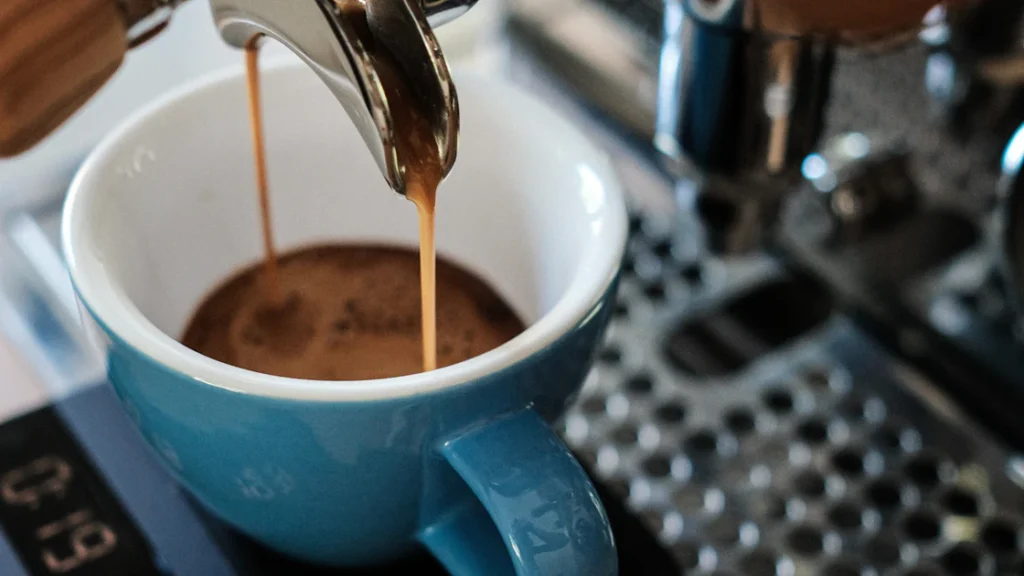
The pressure typically 9 bars- forces hot water through a densely packed puck of ground coffee, creating the distinctive crema and concentrated flavor profile that defines true espresso. Espresso brewing techniques represent a delicate balance between science and skill, where measurements matter but intuition and experience also play crucial roles.
The significance of mastering espresso brewing techniques lies in the reproducibility factor. When you understand the mechanics of extraction, you can diagnose problems quickly and adjust accordingly. A shot that tastes sour indicates under-extraction; one that tastes bitter suggests over-extraction.
These indicators tell you whether to adjust grind size, dose, tamp pressure, or water temperature. Professional baristas spend years perfecting espresso brewing techniques because they recognize that consistency determines success in specialty coffee establishments. Home enthusiasts who invest time in learning these techniques enjoy daily café-quality shots without the café prices.
The Science Behind Espresso Extraction
The extraction process at the heart of espresso brewing techniques involves dissolving soluble compounds from ground coffee into hot water. Espresso machines achieve this through pressure application, which forces water into the coffee grounds and extracts flavor compounds, oils, and other desirable elements. The ideal extraction window typically ranges from 25 to 30 seconds, with the goal of extracting approximately 18-22% of the coffee’s mass as dissolved solids. Espresso brewing techniques that fall outside this window produce either under-extracted shots lacking complexity or over-extracted shots tasting harsh and unpleasant.
Temperature stability represents another crucial component of successful espresso brewing techniques. Water that’s too cool fails to extract sufficient flavor compounds, while water that’s too hot burns the coffee and creates acrid, unpalatable shots. Quality espresso machines maintain water temperature within a 2-3 degree Celsius range, preventing the temperature fluctuations that compromise extraction. Understanding these scientific principles helps explain why certain adjustments work and others fail, transforming espresso brewing from mystery into manageable methodology.
How Espresso Brewing Techniques Connect to Machine Type
Different espresso machine categories require slightly different approaches to espresso brewing techniques, though core principles remain universal. Semi-automatic machines give operators full control over shot timing, requiring active engagement and decision-making throughout the brewing process. Super-automatic machines handle grinding, dosing, and tamping internally, simplifying espresso brewing techniques for beginners but reducing customization options. Manual lever machines demand superior tactile sensitivity and understanding of pressure dynamics, making them ideal for advanced practitioners of espresso brewing techniques who appreciate the interaction between hand control and machine response.
Manual lever machines represent the purest expression of espresso brewing techniques because they require the operator to manage pressure manually throughout the shot. This direct connection between technique and result provides immediate feedback that helps practitioners develop intuition about water flow, coffee resistance, and optimal pressure application. Regardless of your machine type, the fundamental espresso brewing techniques—proper grinding, appropriate dosing, correct tamping, and precise timing—apply universally, though implementation details vary based on equipment capabilities.
How Do You Master the Core Components of Quality Espresso?
Grinding: The Foundation of Espresso Brewing
Proper grinding represents the first critical step in espresso brewing techniques that directly impacts extraction quality. Espresso demands an exceptionally fine, consistent grind that creates appropriate resistance to 9 bars of pressure. The grind must be fine enough to restrict water flow, forcing proper contact and extraction, yet not so fine that it causes channeling or excessive pressure buildup that damages equipment. Most espresso grinders offer specific settings for espresso, typically between 0.5 and 2.0 millimeters, though individual machines and beans require fine-tuning.
Consistency in particle size separates excellent espresso grinding from mediocre results. Inconsistent grinds contain particles ranging from powder to pebbles, creating uneven water flow. Water channels through larger particles while bypassing smaller ones, resulting in under-extraction overall despite some particles being over-extracted. Burr grinders—whether flat or conical—outperform blade grinders for espresso work because they produce uniform particle sizes essential for proper espresso brewing techniques. Investing in a quality burr grinder ranks among the most impactful equipment purchases you can make for improving your espresso brewing techniques.
Temperature considerations in grinding sometimes receive insufficient attention in discussions of espresso brewing techniques. Friction from grinding generates heat that can raise coffee temperature by 5-10 degrees Celsius, potentially degrading volatile aromatic compounds. Using cooler beans, grinding immediately before brewing, and grinding in short pulses rather than continuous operation all minimize thermal damage. This attention to detail separates conscientious practitioners of espresso brewing techniques from casual users who simply grind and brew without considering secondary variables.
Dosing: Establishing the Coffee Foundation
Dosing—the amount of ground coffee loaded into the portafilter—establishes the foundation for all subsequent espresso brewing techniques. Standard single shots use 7-9 grams of coffee, while double shots typically require 14-20 grams, though these ranges vary based on individual machine baskets and personal preferences. The relationship between dose and yield (the amount of liquid espresso produced) directly influences extraction time and flavor profile. Espresso brewing techniques fundamentally depend on achieving proper ratio between input coffee and output liquid, typically targeting 1:2 (18 grams in, 36 grams out) or 1:2.5 (18 grams in, 45 grams out).
Weighing your dose precisely using a scale represents a non-negotiable element of advanced espresso brewing techniques. Visual estimation and the “full portafilter” method introduce inconsistency that compounds across multiple shots. Digital scales accurate to 0.1 grams cost under fifty dollars and provide the measurement accuracy essential for reproducible espresso brewing techniques. Recording your doses and results in a brewing journal helps identify patterns and correlations between dose changes and flavor outcomes, accelerating your development of intuition about proper dosing for different beans and equipment.
Tamping and Pressure: Ensuring Even Extraction
Tamping—the compression of ground coffee in the portafilter basket—represents one of the most misunderstood aspects of espresso brewing techniques. Inconsistent tamping creates uneven density within the coffee puck, allowing water to channel through weak spots and bypass other areas. This channeling compromises extraction uniformity, producing shots that taste inconsistent and unbalanced. Proper espresso brewing techniques demand level, even tamping applied with consistent pressure, typically 30 pounds of force, perpendicular to the ground coffee surface.
Developing consistent tamping technique requires practice and attention to ergonomics. Your wrist should remain straight throughout the tamp, with pressure applied vertically rather than at angles that create tilted pucks. Some practitioners prefer using a lever-operated tamper that provides consistent pressure without relying on hand strength estimation. Others develop such refined muscle memory through repeated practice that hand tamping becomes second nature. Regardless of method, the objective remains identical: create an evenly compressed puck with uniform density that allows water to extract coffee compounds consistently throughout the entire shot, a foundational component of espresso brewing techniques that directly impacts final quality.
What Variables Control Your Espresso Shot Quality?
Water Temperature and Its Influence on Extraction
Water temperature exerts profound influence on every aspect of espresso brewing. Temperatures between 90-96 degrees Celsius represent the optimal range for most espresso brewing, though some practitioners prefer specific temperatures within this window based on bean origin and roast level. Single-origin, light-roasted coffees often benefit from slightly cooler water around 90-92 degrees, which highlights nuanced flavor notes without excessive extraction of bitter compounds. Darker roasts and blends typically perform better with slightly hotter water around 94-96 degrees, which facilitates extraction of the deeper flavors developed during roasting.
Temperature stability matters as much as absolute temperature when executing proper espresso brewing techniques. As water flows through the group head and into the portafilter, it loses heat through various pathways. Machines with PID (Proportional-Integral-Derivative) temperature controllers maintain consistent water temperature within a single-degree range, crucial for shot-to-shot consistency that defines quality espresso brewing. Machines without PID controllers experience temperature fluctuations that compromise consistency, though various techniques exist to minimize temperature variation, such as running water through the group head before inserting the portafilter to stabilize temperature.
Pressure Dynamics and Flow Rate Management
Pressure, measured in bars, determines how forcefully water passes through your coffee puck. Standard espresso machines maintain approximately 9 bars of pressure, a specification established through decades of experimentation that represents the optimal pressure for extraction quality and safety. Espresso brewing techniques that work effectively rely on this consistent pressure application to generate proper resistance, which slows water flow to optimal rates. A properly executed espresso brewing process typically lasts 25-30 seconds from the moment water contacts coffee to the final drops exiting the spout.
Flow rate, measured in milliliters per second, indicates how rapidly espresso extracts. Proper espresso brewing techniques maintain flow rates between 1.5 and 2.5 milliliters per second during the mid-shot phase, with slower initial flow rates and potentially faster later stages. Excessively fast flow indicates under-extraction—water rushed through the puck without extracting sufficient flavor compounds, producing sour, thin shots. Excessively slow flow suggests over-extraction—water spent too much time in contact with grounds, pulling out bitter compounds and creating harsh, unpleasant shots. Achieving optimal flow rate depends primarily on grind size and tamping consistency, the two variables you manipulate when espresso brewing techniques need adjustment.
Understanding Pre-Infusion and Its Benefits
Pre-infusion represents an advanced component of modern espresso brewing techniques that many machines now offer. This process delivers water to the coffee puck at low pressure before ramping to full 9-bar pressure, allowing water to evenly saturate the entire puck before forcing through it at high pressure. Pre-infusion creates more uniform extraction because all coffee grounds receive simultaneous water contact, reducing the likelihood of channeling that occurs when high-pressure water finds the path of least resistance through an unevenly saturated puck.
Typical pre-infusion phases last 5-10 seconds at pressures around 1-3 bars, then ramp to full pressure as the pump engages. This technique proves particularly beneficial when working with lighter roasts, which require more thorough extraction, or when using larger doses that benefit from extended water contact. Many modern machines automate pre-infusion as a standard feature, while others offer manual pre-infusion through lever manipulation or restricted flow control. Espresso brewing techniques incorporating pre-infusion generally produce more consistent results with reduced channeling and improved extraction uniformity across the coffee puck, particularly valuable when dialing in new beans or equipment.
What Equipment Considerations Affect Your Espresso Brewing Success?
Selecting the Right Portafilter and Basket Configuration
Portafilters and baskets profoundly influence your ability to execute quality espresso brewing techniques. Single-spout baskets, double-spout baskets, and naked (bottomless) portafilters each have distinct characteristics affecting extraction and feedback. Single and double-spout baskets have traditional spouts that direct espresso into the cup, masking subtle extraction problems that become obvious with naked portafilters. Naked portafilters expose the bottom of the coffee puck, allowing you to observe water flow patterns and identify channeling instantly. This visual feedback accelerates skill development and helps baristas rapidly diagnose brewing problems.
Basket size directly correlates with dose recommendations and extraction characteristics. Single baskets typically accommodate 7-9 grams, while double baskets handle 14-20 grams. Professional-grade machines often include triple baskets designed for larger doses. Using the incorrect basket size for your intended dose creates problems: undersized baskets force excessive tamping pressure and restrict flow, while oversized baskets don’t generate sufficient resistance and produce weak, under-extracted shots. Matching basket size to your typical dose represents a foundational decision in setting up your equipment to support consistent espresso brewing techniques. Many enthusiasts maintain multiple basket sizes to accommodate different brewing preferences and bean characteristics.
Grinder Selection and Its Critical Impact on Quality
Perhaps no single equipment decision impacts your espresso brewing techniques more than grinder selection. Inconsistent grinds from poor-quality grinders make proper espresso extraction nearly impossible, no matter how perfectly you execute other techniques. Burr grinders—whether flat-burr or conical-burr designs—produce uniform particles essential for even water flow and consistent extraction. Flat burrs create slightly more uniform particle sizes, while conical burrs typically produce marginally more heat during grinding. Both designs work well when properly constructed and adjusted.
Grinder adjustment mechanisms require careful attention throughout your espresso brewing practice. Micro-adjustments of half-clicks often produce meaningful changes in extraction time and flavor. Dialing in a new grinder involves systematically adjusting settings while monitoring extraction time and tasting results, a process that may require 10-20 shots to achieve optimal settings. Some advanced practitioners maintain detailed grind setting logs, recording exact dial positions for different beans and conditions. This data accelerates future dialing-in processes and demonstrates how environmental factors like humidity and ambient temperature affect optimal grind settings, revealing the environmental sensitivity of espresso brewing techniques that casual practitioners often overlook.
Mastering the Variables: Water Quality and Temperature Control
One of the most overlooked aspects of espresso brewing techniques is the role of water quality and temperature stability. Many home baristas invest thousands in grinders and machines but neglect the foundation: the water that comprises 98% of their espresso. Water hardness, mineral content, and purity directly affect extraction rates, crema formation, and overall flavor clarity. Using filtered or properly mineralized water can transform your shots from flat and bitter to vibrant and balanced.
Temperature fluctuations are equally critical. Even a 1–2°C variance can shift extraction dramatically. Commercial machines with PID (Proportional-Integral-Derivative) controllers maintain precision within 0.5°C, while entry-level machines may swing 5°C or more between shots. This is why thermal stability matters more than raw wattage when evaluating espresso machines for serious enthusiasts.
Understanding Water Chemistry for Optimal Extraction
Water chemistry isn’t just academic—it’s practical. Espresso extraction works best with water that contains 75–250 parts per million (ppm) of dissolved minerals. Distilled water extracts too quickly and tastes flat. Hard tap water (300+ ppm) over-extracts and leaves mineral buildup inside your machine. The sweet spot depends on your coffee beans and roast level, but using a TDS meter to measure total dissolved solids takes guesswork out of the equation.
If your local water is problematic, three solutions exist: use bottled water specifically blended for espresso (like Volvic or similar low-mineral options), invest in a quality home filtration system (Brita filters work surprisingly well for home baristas), or use a water mineralization kit designed for espresso machines. Upgrading your water quality often produces results comparable to a $500 machine upgrade and costs under $50.
Temperature Stability and Shot Consistency
Temperature profiling has become central to modern espresso brewing techniques. The ideal extraction happens between 90–96°C, but different brewing methods favor different zones. Lighter roasts often extract better at 93–94°C, while darker roasts may benefit from 94–96°C. Machines with adjustable thermostats or multiple boiler systems give you control; single boiler machines require strategies like cooling flushes or waiting for temperature swings.
A simple technique called the “temperature surfing” method helps single-boiler users: run water through the group head for 10 seconds to cool it, then immediately pull a shot when the boiler restarts. Advanced espresso brewing techniques involve using machine-specific charts that map boiler pressure to actual group temperature. The Rocket Espresso and Lelit machines include such documentation—use it. This knowledge separates competent shots from exceptional ones.
Avoiding Common Pitfalls and Espresso Myths
The espresso world is rife with myths passed down by baristas, YouTubers, and equipment manufacturers. Some advice improves shots; other tips actively harm extraction. Understanding the difference protects you from wasting coffee and money on unnecessary adjustments. Real espresso brewing techniques are grounded in physics and chemistry, not tradition or aesthetic preference.
One persistent myth: “darker roasts are easier to extract.” Actually, darker roasts are more porous and over-extract more easily. They require faster shots (shorter contact time) and sometimes slightly cooler temperatures. Another false belief: “tamping pressure must be exact.” Tamp pressure matters far less than tamp evenness. A consistent 20-pound tamp beats an inconsistent 40-pound effort every time. These distinctions matter when troubleshooting shot quality.
The Myth of the Perfect Tamp and Tamper Obsession
Countless baristas obsess over tamper weight and technique, yet tamp consistency matters far more than tamp force. A level tamp with even pressure beats a heavy, angled tamp every single time. The goal is to compress grounds into a uniform density—anything 15–40 pounds achieves this if applied flat and straight. Some baristas use 10 pounds; others use 30. The espresso brewing techniques that work involve finding your baseline and repeating it identically every shot.
Many people waste money upgrading from aluminum to stainless steel tampers or buying precision tampers costing $100+. While quality tools matter, a basic aluminum tamper used correctly outperforms an expensive tamper used inconsistently. What actually deserves investment: a distribution tool (WDT—Weiss Distribution Technique tool) or a leveling device that ensures your tamp is truly flat. These $15–30 investments improve consistency more than a $150 tamper.
Misconceptions About Grind Size and Espresso Channeling
Channeling—where water bypasses grounds and carves paths through the puck—is blamed for nearly every poor espresso shot. While channeling does happen, it’s often not the culprit. Inconsistent grind size (boulders mixed with fines), uneven distribution, and improper tamping all contribute more than a few air pockets. This is why modern espresso brewing techniques emphasize distribution tools and WDT needles before relying solely on tamper adjustments.
Another misconception: “finer grinds always mean more body.” Too-fine grinds over-extract, becoming bitter and astringent. The right grind size for your beans, roast, and water creates balance between sweetness, body, and clarity. Lighter roasts often need slightly finer grinds; darker roasts need coarser ones. Rather than chasing a single “perfect” grind size, learn to read your shot’s visual and taste cues, then adjust incrementally. This diagnostic mindset underlies all advanced espresso brewing techniques.
Choosing the Right Machine and Gear for Your Goals
Selecting an espresso machine involves matching your skill level, budget, and shot volume goals to the right equipment category. Entry-level machines ($150–400) teach fundamentals. Mid-tier machines ($400–1,500) offer better temperature stability and ergonomics. Prosumer machines ($1,500–3,500) rival commercial equipment in build quality and consistency. Understanding these tiers prevents both overspending and underinvesting in gear that won’t grow with your skills.
Before buying, answer three questions: How many shots will you pull daily? What’s your budget? Do you want steam capability? These answers narrow your options dramatically. A person pulling ten shots daily has different needs than someone making one cappuccino each morning. Espresso brewing techniques vary slightly across machine types, so equipment choice influences the learning path ahead.
Entry-Level and Manual Machines for Beginners
Gaggia Classic Pro, Breville Barista Express, and Flair presses represent different entry-level philosophies. The Gaggia Classic Pro ($100–150) is all-manual—you control everything, learn fundamentals, and upgrade parts over time. The Breville ($400) automates some decisions, making consistency easier but leaving less room for experimentation. The Flair ($30–100) requires no electricity and teaches pressure application directly.
Beginners benefit from machines teaching cause-and-effect visibly. A manual machine shows exactly how tamp pressure affects flow rate. Semi-automatic machines hide variables behind automation. Start with transparency, then add convenience as your skills solidify. Pairing entry-level machines with a quality burr grinder (Baratza Sette, Wilfa Svart, or Niche Zero—$100–300) matters infinitely more than the machine itself. Poor grinding undermines even expensive machines.
Mid-Tier and Prosumer Machines for Consistency Seekers
Once you’ve mastered espresso brewing techniques on basic equipment, machines like the Rancilio Silvia, Lelit Victoria, or Gaggia Klassik Vivaldi ($500–1,200) offer PID temperature control and larger boilers. These reduce guesswork, improve repeatability, and handle higher shot volume without temperature crashes. The jump from manual to PID control often produces noticeably better consistency because temperature variables are minimized.
Prosumer machines (Rocket Espresso Appartamento, Lelit Bianca, Gaggia Evoluzione) ($1,500–3,000) add dual boilers, pressure gauges, pre-infusion, or flow control—features that aren’t essential but refine already-solid technique. They’re investments for people who’ve plateaued on mid-tier machines and want deeper control. Avoid jumping straight to prosumer equipment; master fundamentals first, then upgrade when you’ve exhausted your current machine’s capabilities.
Grinder Selection: Non-Negotiable Investment
A mediocre espresso machine with an excellent grinder produces better shots than an excellent machine with a poor grinder. Burr quality and uniformity determine whether your espresso brewing techniques succeed. Blade grinders (cheap, $20–50) create wildly inconsistent particle sizes, making extraction impossible to control. Conical burr grinders (Baratza Encore—$35) work for French press but lack consistency for espresso. Flat burr grinders ($100+) provide the uniformity espresso demands.
Top espresso grinders (Baratza Sette 270, Wilfa Svart, Niche Zero, Fellow Ode, Eureka Mignon) range $100–400 and handle both espresso and filter coffee excellently. The Sette 270 ($140) offers micro-adjustments ideal for espresso dialing-in. The Niche Zero ($500) produces exceptionally uniform grinds but requires larger budgets. Invest based on your shot volume: one cappuccino daily doesn’t justify a $500 grinder, but pulling five shots does. Pairing investment in both machine and grinder creates a foundation where espresso brewing techniques truly flourish.
Frequently Asked Questions
What are the main espresso brewing techniques used by professionals?
Professionals use dose-by-weight (measuring grounds precisely), distribution tools to even puck density, consistent tamping, pre-infusion to saturate grounds gently, and temperature profiling. Modern espresso brewing techniques also involve understanding water chemistry, pressure dynamics, and individual bean characteristics. Mastery requires controlling multiple variables simultaneously rather than perfecting one single step.
How does water temperature affect espresso extraction?
Water temperature controls extraction rate and flavor balance. Higher temperatures (94–96°C) extract faster, bringing out bitter notes if overdone. Lower temperatures (90–92°C) extract more slowly, favoring acidity and clarity. The optimal range depends on roast level and bean origin. Even 2°C changes noticeably affect taste, which is why espresso brewing techniques emphasize temperature stability through PID control or thermal monitoring.
Can I improve my espresso shots without buying expensive equipment?
Absolutely. Master fundamental espresso brewing techniques first: dose consistency, even distribution, level tamping, and proper grind adjustment. Many improvements cost nothing (learning WDT, perfecting tamping technique, dialing in properly) or minimal money (buying a distribution tool, testing water quality, upgrading to filtered water). Technique optimization often produces results rivaling expensive equipment upgrades.
What does “dialing in” mean in espresso preparation?
Dialing in means adjusting grind size until your espresso shots reach target parameters: 25–30 seconds extraction time, proper flavor balance, and desired body. It’s systematic—if shots run too fast, grind finer; if too slow, grind coarser. Modern espresso brewing techniques involve adjusting dose and grind simultaneously while maintaining consistent tamping and distribution. Dialing in is ongoing; different beans and seasonal humidity changes require readjustment.
Why do some espresso brewing techniques emphasize pre-infusion?
Pre-infusion applies low pressure for 5–10 seconds before full pressure, allowing grounds to absorb water gradually. This reduces channeling, promotes even extraction, and often improves flavor clarity and sweetness. Pre-infusion particularly helps lighter roasts and single-origin beans where flavor subtlety matters. It’s not essential on basic machines but becomes increasingly valuable as you refine technique and tackle more challenging coffee.
How important is tamper pressure in espresso making?
Tamper pressure (the force applied) matters less than tamp consistency and levelness. Most espresso brewing techniques work fine with 15–40 pounds of pressure if applied flat and identically each shot. What matters: avoiding an angled tamp, ensuring even distribution before tamping, and repeating your baseline every time. Advanced practitioners focus on distribution evenness rather than experimenting with tamper force variations.
What’s the difference between espresso brewing techniques for single-origin and espresso blends?
Single-origins demand more precise technique because their flavor profiles are narrow and distinctive—temperature, timing, and grind size adjustments matter significantly. Espresso blends are formulated for forgiving extraction windows, making them beginner-friendly. Single-origins require careful dialing in and tasting to optimize; blends often pull acceptable shots across a wider grind range. Advanced espresso brewing techniques often develop through single-origin exploration.
For more detail, read our guide on The Double Chamber Moka Pot: Brewing Coffee with Style.
For more detail, read our guide on Grind x Sage Barista Touch™ Impress Coffee Machine: Elevating Your Home Brewing Experience.
For more detail, read our guide on A Comprehensive Guide to Brewing Rich Espresso.
For more detail, read our guide on Mocaf Electric Coffee Grinder Suitable for Every Brewing Method.
For more detail, read our guide on Philips Baristina Espresso Machine: A Revolution in At-Home Brewing.
Final Thoughts
Espresso brewing techniques represent the intersection of art, science, and reproducible process. From understanding water chemistry to perfecting distribution, from choosing the right grinder to reading shot visual cues—each element contributes to the final cup. Mastering these techniques isn’t about memorizing rigid rules; it’s about understanding the variables, developing diagnostic skills, and iterating toward consistency. Whether you pull shots on a $150 manual machine or a $3,000 dual-boiler prosumer setup, the fundamentals remain constant: precise measurement, even puck preparation, temperature awareness, and systematic troubleshooting.
Your path forward involves selecting gear appropriate to your current skill level, then systematically improving technique before upgrading equipment. Most home baristas reach exceptional shot quality within six months to two years using sub-$1,000 setups paired with dedicated practice. The investment in learning espresso brewing techniques pays dividends in every cup. Coffee culture thrives because espresso offers infinite room for refinement—there’s always a variable to explore, a technique to sharpen, or a bean that challenges your skills. Embrace that learning curve, stay curious, and remember that great espresso emerges from consistency, not perfection.