
| Coffee beans and origins determine everything from flavor profile to acidity and body. The world’s finest coffees come from specific geographic regions—primarily Africa, Central America, and Southeast Asia—where altitude, climate, and soil create unique characteristics that define how your espresso tastes in the cup. |
Understanding coffee beans and origins is essential for anyone serious about espresso, pour-overs, or French press brewing. Where your coffee grows shapes everything about its flavor journey—from the moment it’s harvested to the second you pull that perfect shot.
I’ve spent years sourcing beans, dialing in machines, and tasting across regions, and I can tell you that origin matters as much as your equipment.
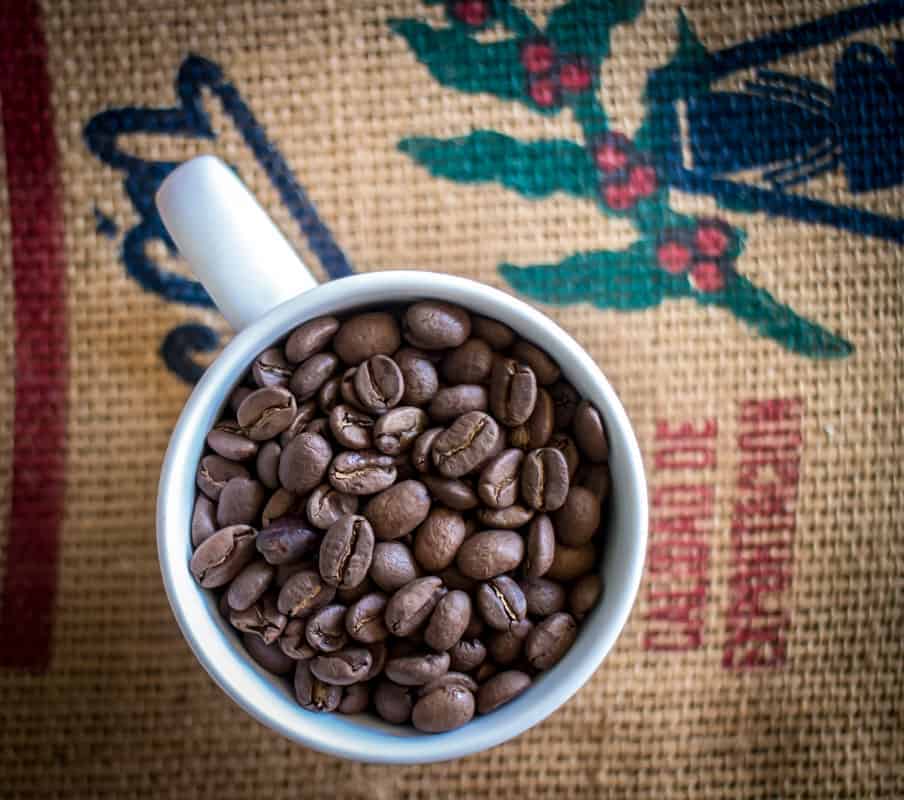
The relationship between coffee beans and origins isn’t just marketing talk. It’s rooted in actual agricultural science. Altitude, rainfall, soil composition, and temperature all influence how the cherry develops on the plant. A bean grown in the volcanic highlands of Ethiopia will taste completely different from one grown in the misty mountains of Colombia—even if they’re the exact same species.
This comprehensive guide walks you through the world’s major coffee-producing regions, explains how origin affects flavor, and shows you how to choose beans that’ll make your equipment shine. Whether you’re dialing in a new espresso machine or exploring single-origin pour-overs, this is everything you need to know.
What Are Coffee Beans and Origins: The Foundation
The Role of Geography in Flavor Development
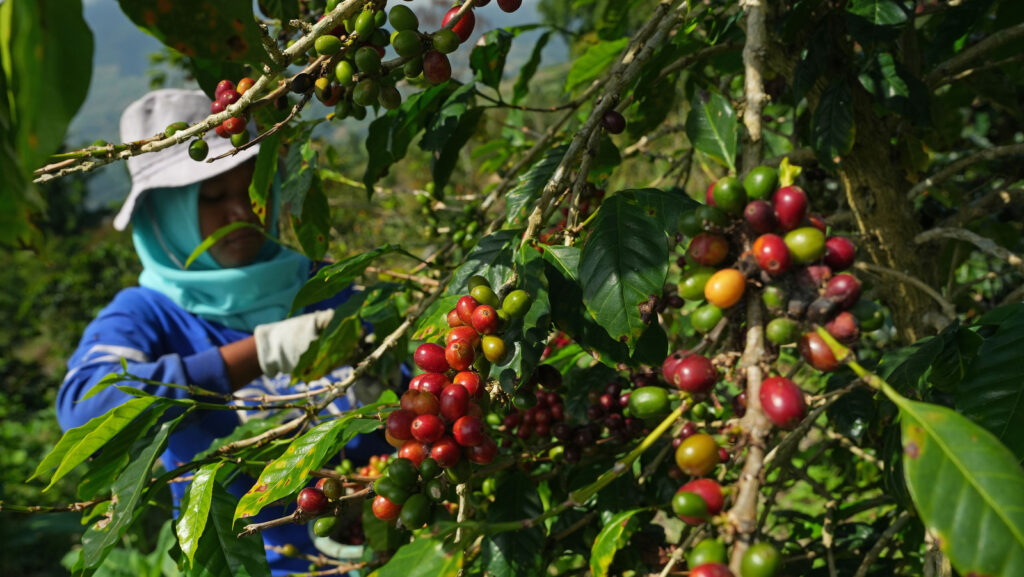
Coffee beans and origins are inseparable because geography literally shapes what ends up in your cup. The altitude where coffee grows is the single biggest factor affecting flavor. Higher elevation means slower cherry maturation, which allows more complex sugars and acids to develop. That’s why Ethiopian coffees grown at 1,800+ meters taste so different from lower-altitude Brazilian beans.
Temperature fluctuations between day and night at high altitudes create stress on the plant, which concentrates flavors. Rainfall patterns determine how much water the roots absorb during different growth stages. Even the angle of sunlight matters—equatorial regions get intense, consistent light that develops different compounds than the seasonal variation you see in higher latitudes.
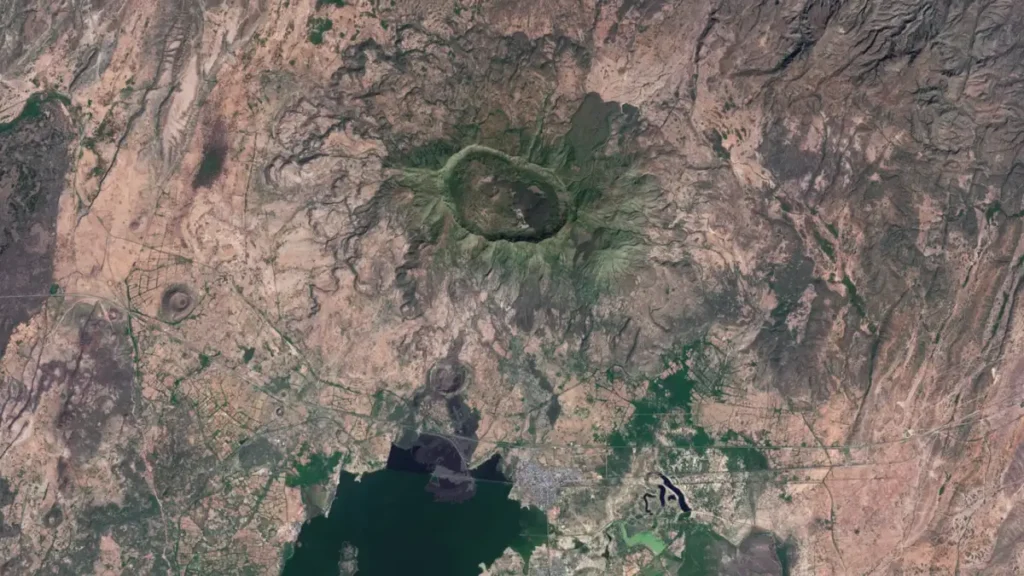
Soil composition is equally critical. Volcanic soil in regions like Kenya, Ethiopia, and Guatemala naturally contains minerals that enhance acidity and complexity. Clay-based soils in Brazil tend to produce fuller-bodied, lower-acid beans. You can’t replicate these conditions elsewhere—which is why authentic coffee origins stay true to their regions.
Climate Zones and Altitude Ranges
The “Bean Belt” (between 23.5°N and 23.5°S latitude) is where commercial coffee grows. Within this zone, altitude becomes the defining variable. Let’s break down what altitude means for flavor:
- Low Altitude (0-1,000m): Sweet, mellow, full-bodied with low acidity. Common in Brazil and parts of Indonesia.
- Mid-Altitude (1,000-1,500m): Balanced complexity with moderate acidity. Found across Central America and parts of Africa.
- High Altitude (1,500-2,000m): Bright acidity, floral notes, complex fruit flavors. Ethiopian and Colombian highlands.
- Very High Altitude (2,000m+): Intense acidity, sharp fruit profiles, wine-like characteristics. Rare, premium coffees from Kenya and Peru.
Arabica vs. Robusta: Species and Origin Differences
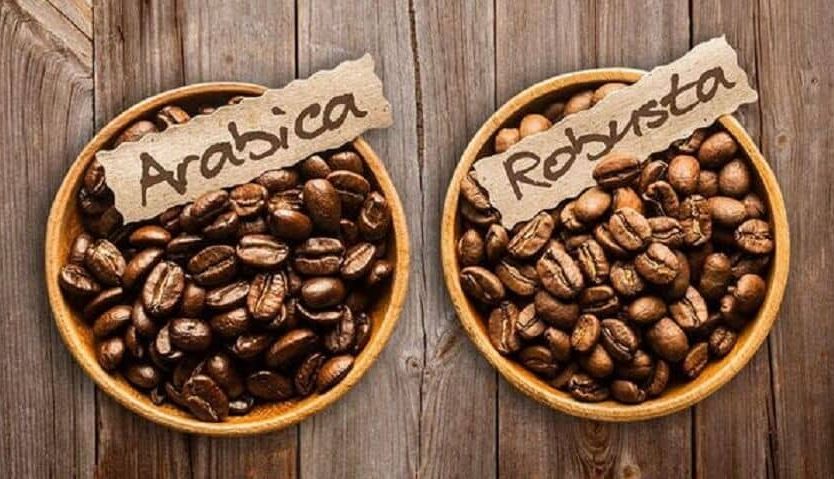
Two main species dominate global coffee production: Arabica (about 60% of global supply) and Robusta (about 40%). These aren’t just different beans—they come from different regions and serve different purposes in your cup.
Arabica grows at higher altitudes (800-2,200m), requires more care, and takes longer to mature. You’ll find Arabica origins in Ethiopia, Colombia, Central America, and parts of East Africa. It’s what specialty coffee shops use for espresso and single-origin brews. Robusta thrives at lower altitudes (200-800m) and grows in Southeast Asia (Vietnam, Indonesia, Uganda). It’s higher in caffeine, lower in acidity, and you’ll typically find it in espresso blends and instant coffee.
For espresso machines and quality brewing, you’ll almost always want Arabica. The complexity and balanced acidity make it more interesting. But understanding both species helps you read bags and predict what you’re getting.
Coffee Beans and Origins Across Africa: The Birthplace
Ethiopia: The Original Source
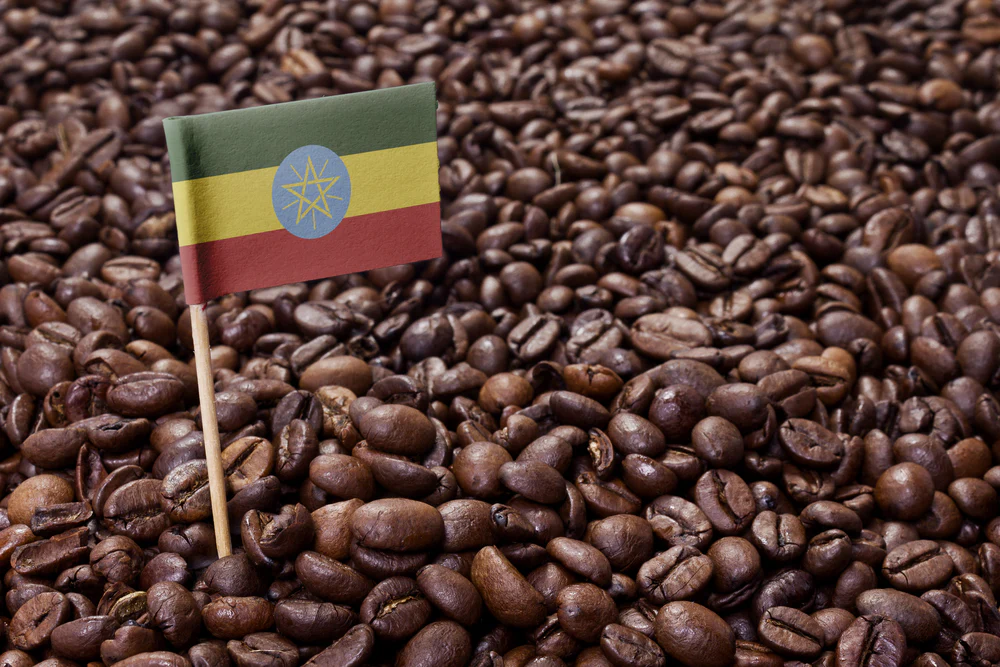
Ethiopia is where it all started. Coffee grew wild here for centuries, and Ethiopian coffees remain some of the most distinctive and sought-after in the world. When we talk about coffee beans and origins, Ethiopia deserves its own discussion because it’s fundamentally different from everywhere else.
Ethiopian coffee comes in two main processing styles: washed and natural. Washed Ethiopian coffees (often from regions like Yirgacheffe and Sidamo) show bright berry acidity, floral complexity, and tea-like body. Natural-process Ethiopians (common in Harrar) taste jammy, full-bodied, and wildly fruity—sometimes with notes of blueberry and fig that seem almost unreal.
The altitude in Ethiopia’s coffee regions ranges from 1,500 to 2,200 meters, and the volcanic soil adds mineral complexity. When you’re pulling shots with Ethiopian beans on your espresso machine, expect intense aromatics and fruit-forward flavor. They’re challenging to dial in because the acidity is so pronounced, but when you nail it, they’re spectacular.
Kenya: High Altitude Excellence
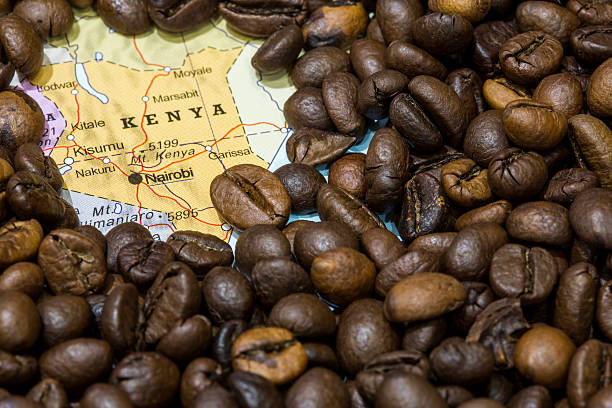
Kenyan coffees grow in the highlands around Mount Kenya and in regions like Nyeri and Kirinyaga, often at altitudes above 1,600 meters. The elevation and volcanic soil create some of the brightest, most complex coffees outside Ethiopia.
Expect wine-like acidity, black currant and citrus flavors, and a medium body that works beautifully in espresso. Many Kenyan coffees are washed-process, which emphasizes their acidity and clarity. Kenya AA (the top grade) is particularly prized—the designation refers to bean size, and larger beans tend to have more developed flavors.
Rwanda, Uganda, and West Africa
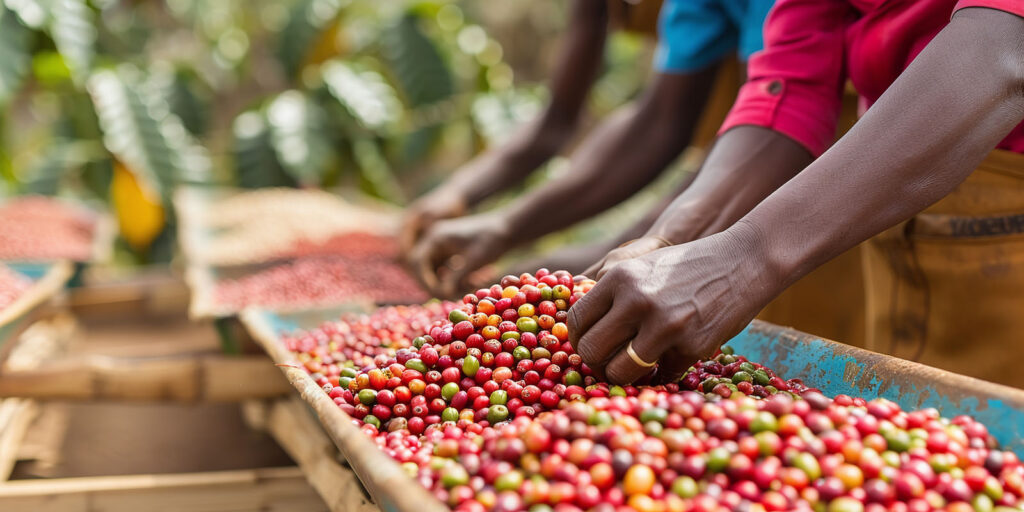
Rwanda has emerged as a serious origin in the last two decades, producing clean-washed coffees with balanced acidity and chocolate notes. The country’s altitude (1,400-2,000m) and careful processing create excellent espresso material.
Uganda grows both Arabica and Robusta, though specialty coffee focuses on their high-altitude Arabica from regions like Elgon and Bugisu. These coffees show moderate acidity with nutty, chocolate characteristics.
West African origins like Côte d’Ivoire are primarily Robusta-focused and used in blends, but they’re worth understanding because they contribute body and crema to espresso blends.
Understanding Coffee Beans and Origins in the Americas
Colombia: Diversity and Consistency

Colombia produces more Arabica than any country except Brazil, and Colombian coffees demonstrate remarkable consistency. The country has three major mountain ranges running north to south, each creating distinct microclimates. What makes Colombian coffee beans and origins particularly valuable for espresso is their balanced profile—medium-high acidity, smooth body, and chocolate undertones.
Different regions show different characteristics. Huila (southern Colombia) tends toward darker, earthier profiles. Geisha varieties from Panama (technically Central America, but similar profile) command premium prices for their floral, complex nature. Supremo (larger bean size) and Excelso (smaller) are Colombian grades similar to Kenya’s system.
The major coffee-producing regions in Colombia sit between 1,000 and 2,200 meters, where consistent rainfall and volcanic soil create year-round growing seasons. This is why you can find fresh Colombian coffee almost anytime—it’s harvested in multiple cycles annually.
Central America: Guatemala, Honduras, and Costa Rica
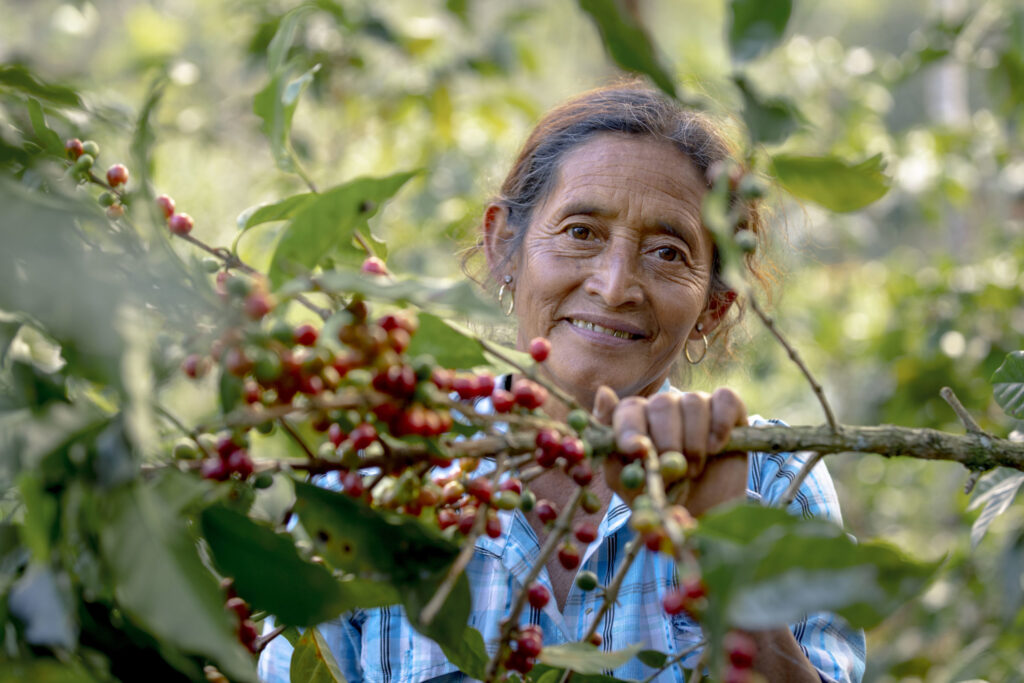
Guatemala produces some of the world’s finest high-altitude Arabica, particularly from volcanic regions like Antigua and Huehuetenango (grown at 1,500-2,000m). Guatemalan beans show spice, chocolate, and subtle fruit, making them incredibly versatile for espresso blends.
Honduras has grown into a major producer, offering good-value coffees with balanced acidity and nutty sweetness. Costa Rica focuses on quality over quantity, producing washed coffees with balanced profiles and honey sweetness from regions like Tarrazú.
All Central American origins benefit from volcanic soil and consistent altitude-driven growing conditions. They’re excellent for dialing into espresso machines because they’re forgiving—they rarely show the sharp acidity of East African coffees or the heaviness of Brazilian beans.
Brazil: The Smooth Giant
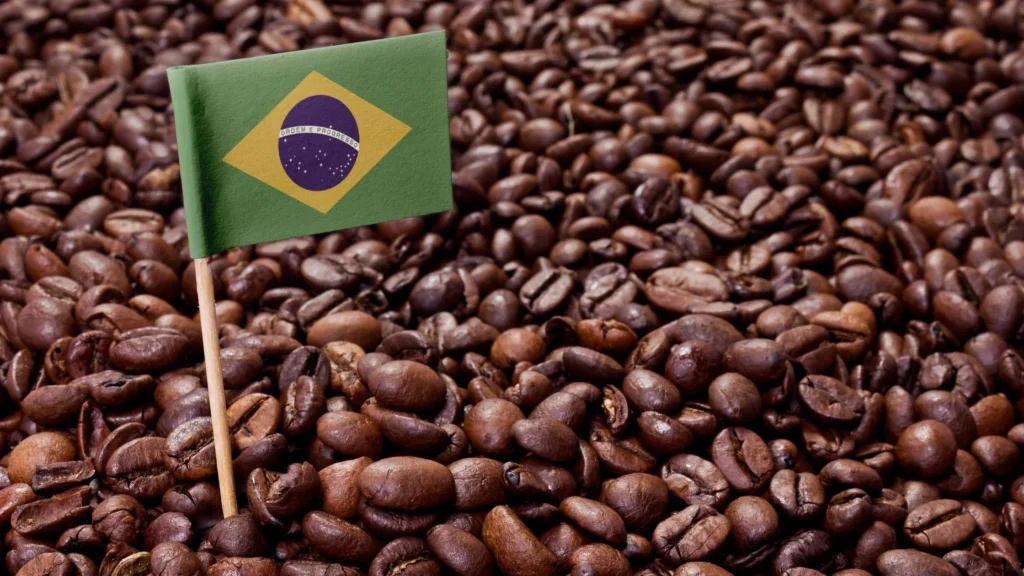
Brazil produces about one-third of the world’s coffee, and Brazilian coffee beans and origins are fundamentally different from higher-altitude coffees. Most Brazilian coffees grow at lower altitudes (600-1,200m) with a climate dominated by distinct wet and dry seasons.
This creates naturally sweeter, fuller-bodied coffees with lower acidity and prominent chocolate, caramel, and nutty notes. Natural-process Brazilians (dried with the fruit still on) taste almost dessert-like. They’re ideal for espresso blends because they contribute body, sweetness, and crema stability.
Regions like Minas Gerais, São Paulo, and Espírito Santo each have distinct styles, but all share that characteristic sweetness. If you want approachable, chocolate-forward espresso, Brazilian beans are your answer. They’re also price-friendly, which is why they anchor many commercial blends.
Asian and Pacific Coffee Beans and Origins
Indonesia: Bold, Earthy Character
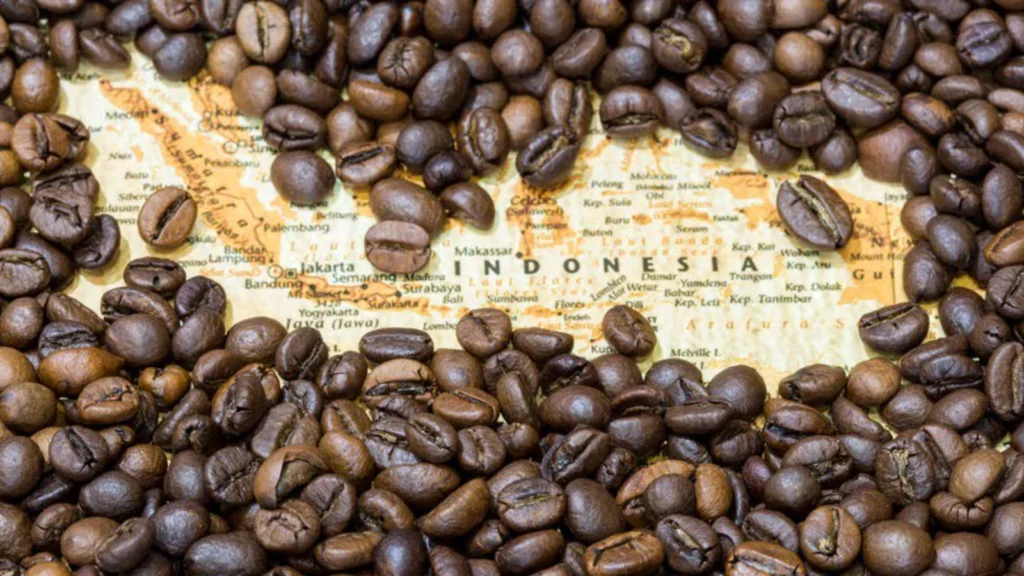
Indonesian coffee beans and origins show distinctive traits because of the unique processing methods and altitude. Most Indonesian coffee grows below 1,500 meters in wet, tropical climates. But here’s what’s interesting: Indonesia uses “wet-hulled” or “semi-washed” processing (called giling basah locally) that’s completely different from washed or natural processing elsewhere.
This creates coffee that’s heavier-bodied, earthier, and less acidic than African or Central American equivalents. You’ll taste herbal, woody, sometimes smoky notes. Sumatra, Sulawesi, and Java are major regions. These coffees are sometimes considered less “complex” than high-altitude African coffees, but that’s unfair—they’re just different. In espresso blends, they provide body and earth.
Robusta is also huge in Indonesia, particularly in Sumatra and Sulawesi. Robusta contributes crema and earthy body to espresso blends, which is why it’s valuable in commercial applications despite lower quality perception.
Vietnam: The Robusta Powerhouse
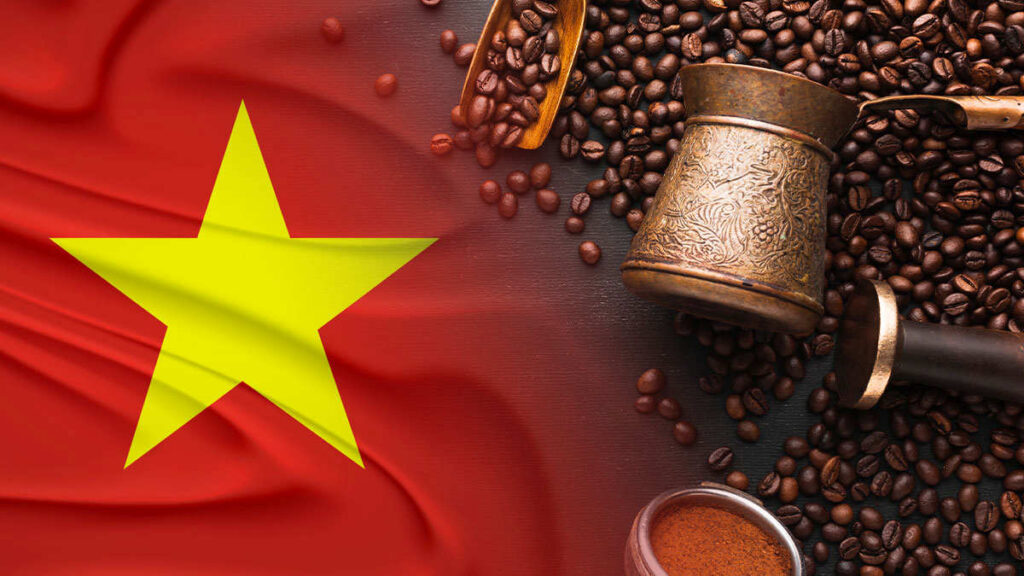
Vietnam is the world’s largest Robusta producer, primarily from the Central Highlands region. Vietnamese coffee is usually lower-grade Robusta used in instant coffee and budget espresso blends. But higher-quality Vietnamese coffees are emerging, showing dark chocolate and earthy notes with intense body.
If you see Vietnamese coffee on a specialty bag, it’s likely a higher-altitude Arabica or carefully processed Robusta. These are interesting for blending but rarely used alone in specialty espresso.
Papua New Guinea and Other Pacific Origins
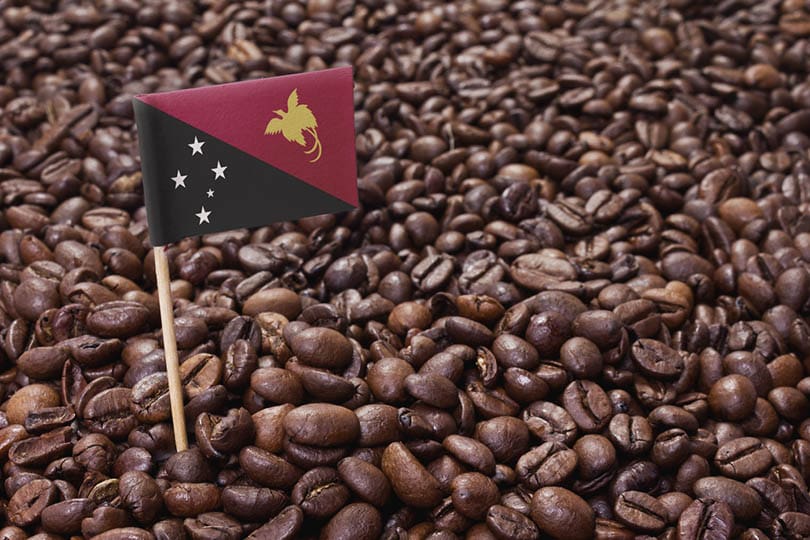
Papua New Guinea grows Arabica at 1,400-1,800 meters with earthy, spicy characteristics. The volcanic soil creates similar profiles to Indonesian coffees. East Timor, India, and other Pacific origins contribute to global supply but rarely appear in specialty espresso bags.
How Origin Affects Espresso Performance and Flavor
Acidity Levels by Origin
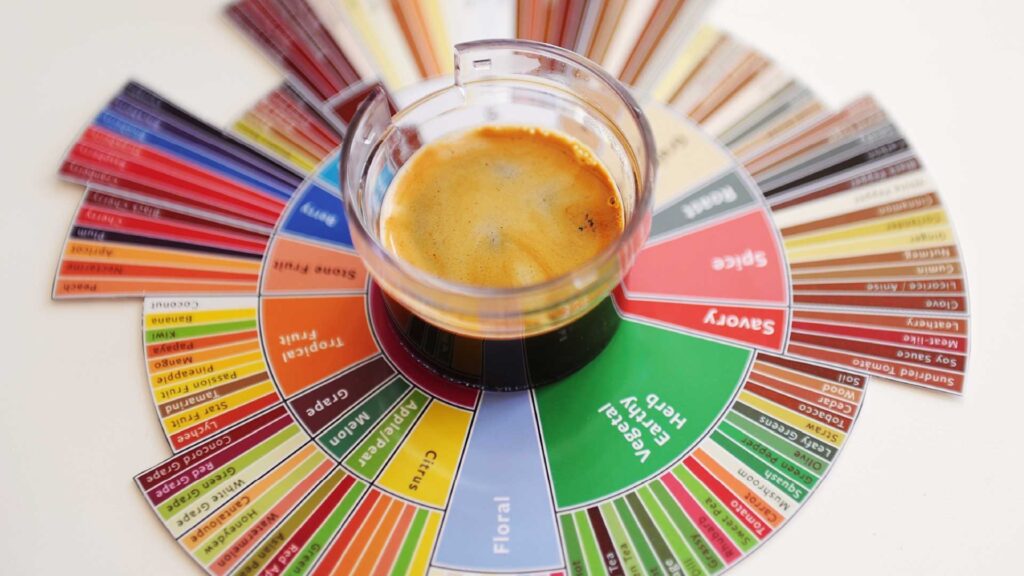
Acidity is often misunderstood—it doesn’t mean sour or harsh. In coffee tasting, acidity refers to brightness and liveliness. High-altitude African origins (Ethiopia, Kenya) naturally develop more acidity because the cooler climate slows ripening. Low-altitude origins (Brazil, Indonesia) develop less acidity, creating sweeter, fuller profiles.
When you’re dialing in your espresso machine, this matters tremendously. Ethiopian beans might need longer extraction times or lower temperatures to balance their acidity. Brazilian beans might need shorter shots to avoid becoming muddy and over-extracted. Understanding your origin’s natural acidity profile helps you dial faster and taste better.
Body, Sweetness, and Mouthfeel Variations
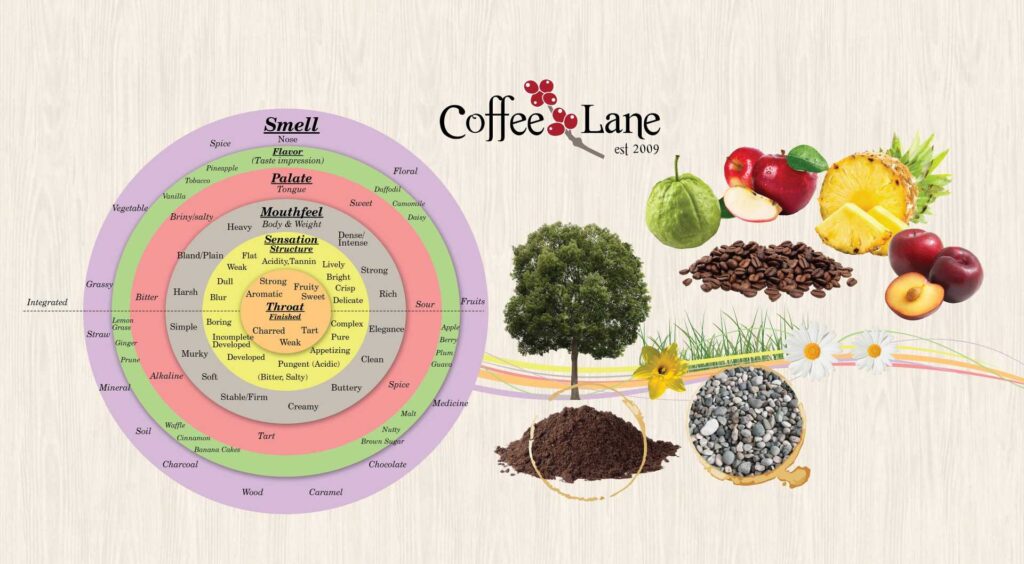
Origin directly determines how heavy or light your espresso tastes. Low-altitude Brazilian and Indonesian coffees develop more body-creating compounds (sugars and lipids) during slower fermentation in wet climates. High-altitude African coffees develop more acids and aromatics, creating a lighter body and a more delicate mouthfeel.
This is why Brazilian beans work beautifully in espresso blends (they add sweetness and body) while Ethiopian beans shine as single-origin pulls (the complexity and acidity stand alone). If you’re pulling single-origin shots on your machine, choose beans with a body appropriate to your taste preferences.
Crema Formation Across Origins
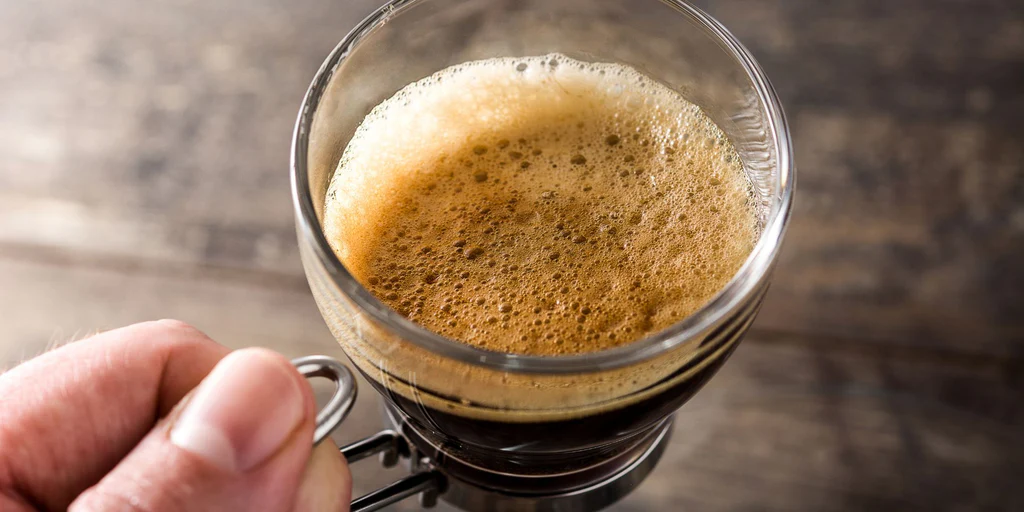
Crema—that golden layer on top of your espresso—forms from emulsified oils and gases. Origin influences crema quality because different altitudes and processing methods create different oil content. Natural-processed coffees from Brazil and Ethiopia develop more oils (more crema). Washed coffees from high altitudes develop less (less crema).
This doesn’t mean less crema equals worse espresso—it’s just different. But if you love that thick, luxurious crema head, you’ll want naturally-processed or lower-altitude beans. Blends that include Brazilian or Indonesian coffees are specifically designed to create excellent crema.
Processing Methods That Vary by Origin
Washed Processing: African and Central American Standard
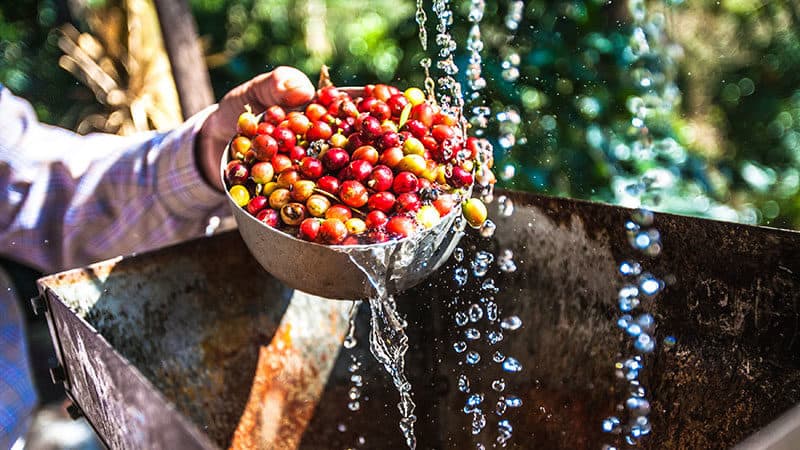
Washed processing is dominant in East Africa (Ethiopia, Kenya), Central America (Guatemala, Costa Rica), and Colombia. The method involves removing the fruit before drying, leaving only the bean. This creates cleaner, brighter flavors because the bean ferments less.
Washed coffees tend toward higher acidity and more pronounced origin characteristics. Ethiopian washed coffees taste floral. Kenyan washed coffees taste fruity. Guatemalan washed coffees taste spicy. The processing doesn’t mask origin—it highlights it.
Natural Processing: Ethiopian and Brazilian Specialty
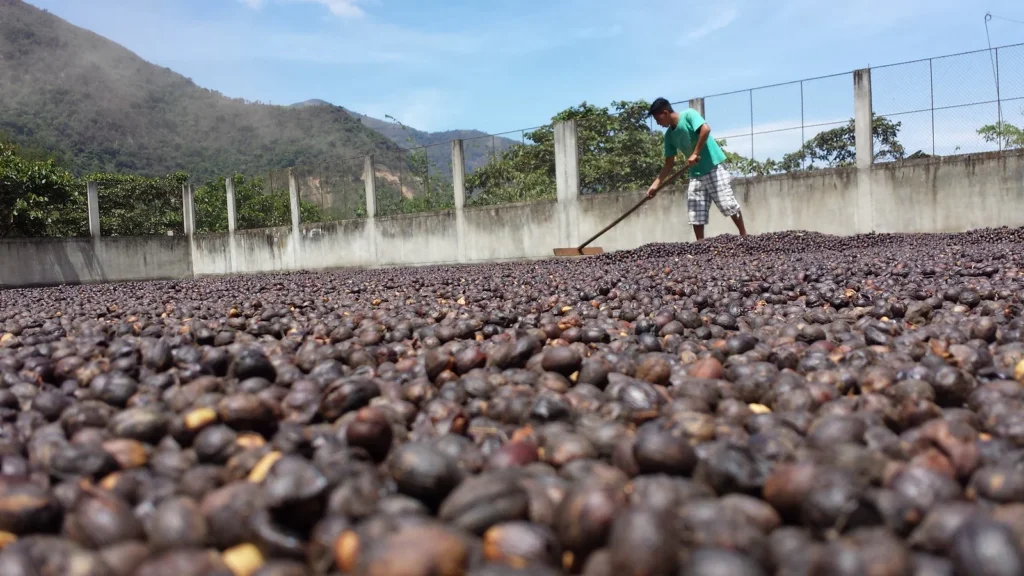
Natural (or “dry”) processing dries the entire cherry with the bean inside. This extends fermentation time, creating deeper, sweeter, sometimes funkier flavors. Ethiopian natural coffees are famous for jammy blueberry notes. Brazilian naturals taste like chocolate and caramel.
Natural coffees show more variation between lots because the fermentation process is harder to control. But when they’re good, they’re spectacular. They’re heavier on espresso machines and can be harder to dial.
Honey Processing: Central American Innovation
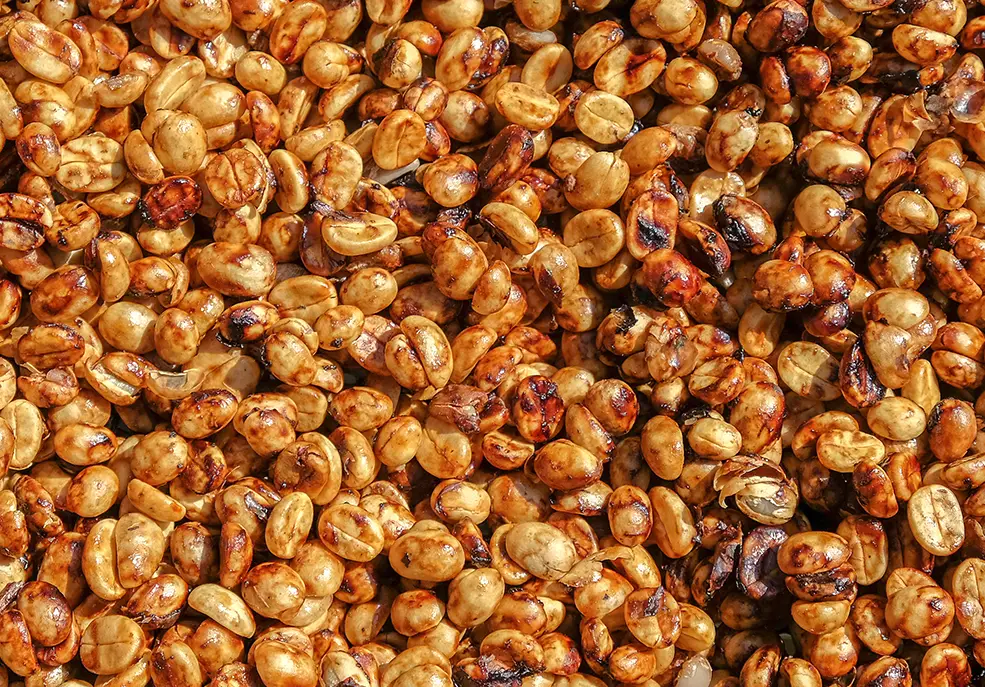
Honey processing (or “pulped natural”) is somewhere between washed and natural. The fruit is removed, but some mucilage stays during drying, creating fermentation that’s longer than washed but shorter than natural. Costa Rican and Honduran coffees often use this method, creating balanced sweetness and acidity.
Choosing Coffee Beans Based on Origin for Your Equipment
Single-Origin Selection for Espresso Machines
When you’re pulling single-origin shots on your espresso machine, origin choice determines your tasting experience. Here’s a practical framework:
| Origin Profile | Best Origins | Espresso Characteristics | Grind & Temperature Notes |
|---|---|---|---|
| Bright, Fruity | Ethiopia, Kenya | High acidity, light body, floral aromatics | Slightly finer grind, lower temps (88-90°C) |
| Balanced, Versatile | Colombia, Central America | Moderate acidity, medium body, chocolate | Medium grind, standard temps (90-92°C) |
| Sweet, Full-Bodied | Brazil, Indonesia | Low acidity, heavy body, dessert notes | Coarser grind, higher temps (92-94°C) |
Start here, then adjust based on your machine and personal taste. Ethiopian beans on a machine with low temperature stability might become too bright—bump the temperature or use longer pre-infusion. Brazilian beans might get muddy—try shorter shots or cooler temps.
Building Blends: Origin Combinations

Espresso blends intentionally combine origins to create balanced profiles. A classic approach: use a Brazilian base for body and sweetness, add a Colombian or Central American origin for balanced acidity, and use a small percentage of African coffee for complexity. This creates something greater than any single origin alone.
If you’re buying pre-made blends, look at the origin breakdown. More expensive doesn’t always mean better—it means the roaster sourced specific lots to achieve a particular flavor goal. A well-designed blend with lower-cost origins can taste better than a poorly-balanced expensive blend.
Single-Origin Recommendations by Equipment Type
- Super-automatic machines: Choose forgiving, balanced origins like Colombian or Brazilian. Skip the bright African coffees—the machine won’t do them justice.
- Automatic machines: Go for anything except the most challenging origins (very high-altitude, natural-processed). Colombian and Central American work perfectly.
- Semi-automatic machines: This is where you can explore. Start with Colombian, then try Ethiopian or Kenyan if your machine has good temperature stability and you’re comfortable dialing in.
- Manual lever machines: High-end single-origins shine here. You have complete control over pressure and extraction, which lets you handle anything from delicate Ethiopian to heavy Brazilian.
Reading Coffee Bags: What Origin Information Tells You
Country, Region, and Microlot Specificity
Bag labels show increasing specificity in specialty coffee. A bag might say “Brazil” (very generic), “Minas Gerais, Brazil” (better), “Poços de Caldas, Minas Gerais” (more specific), or “Poços de Caldas, Minas Gerais, Fazenda Santa Maria, Lot 7” (very specific).
Higher specificity usually means higher quality because the roaster (and likely the origin producer) invested in traceability and quality control. A single-microlot coffee from a named farm typically tastes more interesting than a regional blend.
Altitude, Processing, and Tasting Notes

Good bags tell you altitude (1,800-2,000m, for example), processing method (washed, natural, honey), and expected flavor notes. Altitude helps you predict acidity and brightness. Processing tells you whether to expect clarity (washed) or depth (natural). Tasting notes give you flavor expectations—not promises, but educated guesses.
Use this information to match origins to your equipment and preferences. Love fruity? Ethiopian or Kenyan. Love chocolate and sweetness? Brazilian or Indonesian. Love balanced? Colombian or Central American.
Certifications and Their Meaning

You’ll see Fair Trade, Rainforest Alliance, and Single-Origin certifications. These indicate sourcing practices and environmental standards, not necessarily flavor quality. They matter if ethical sourcing matters to you, but they don’t predict how the coffee tastes.
Frequently Asked Questions
Does origin matter more than roast level for espresso?
Both matter, but origin determines your ceiling. A excellent origin roasted poorly will disappoint. A mediocre origin roasted perfectly will still be mediocre. Start with good coffee beans and origins, then pay attention to roast quality. That’s the right priority.
Why do some origins cost significantly more than others?
Price reflects altitude, processing difficulty, traceability, yield per plant, and supply. High-altitude origins require more labor and care. Natural-processed coffees need more infrastructure and expertise. Limited microlots from famous origins command premiums. Plus, market demand drives price—fancy Ethiopian costs more because everyone wants it.
Can I taste the origin in espresso, or does it get lost?
You can absolutely taste origin in espresso when it’s dialed properly. A well-pulled Ethiopian espresso should show fruity acidity. A properly extracted Brazilian should show chocolate sweetness. If origin characteristics disappear, you’ve either under-extracted (too fast), over-extracted (too slow), or chosen an origin that doesn’t work with your equipment.
What’s the difference between single-origin and blend for espresso?
Single-origin shows one place’s unique character—higher risk of clashing with your palate, but rewarding if you like that specific flavor. Blends combine origins to smooth rough edges and create balanced complexity. Neither is better; it’s personal preference and what your machine can handle.
How fresh should coffee beans and origins be before pulling espresso?
Espresso works best 2-4 weeks after roasting. This is when origin character shines through without being masked by intense CO2 release (too fresh) or staleness (too old). Buy in quantities you’ll use within 3-4 weeks, and store in an airtight container away from light and heat.
Can I use the same grind size for all origins on my espresso machine?
Not ideally. High-acidity origins (Ethiopia, Kenya) usually need slightly finer grinds and shorter extraction times. Low-acidity origins (Brazil) need slightly coarser grinds and longer extraction times. Minor adjustments make enormous differences—typically 0.5-1.0 second shot time variation between origins.
What’s the best origin for espresso beginners?
Colombian or Central American coffees are most forgiving. They’re balanced enough to tolerate dialing errors, flavorful enough to taste good, and reasonably priced. Once you’re comfortable dialing, explore brighter African coffees or heavier Brazilian coffees. Start in the middle, then move toward extremes as you improve.
Final Thoughts
Understanding coffee beans and origins transforms how you approach espresso. You’re no longer just pulling shots; you’re exploring global agriculture, climate science, and human craftsmanship condensed into a tiny cup. Every origin brings distinct character shaped by altitude, rainfall, soil, and tradition. Whether you’re dialing in an expensive machine or learning on entry-level gear, respecting origin helps you make better choices about what to buy and how to extract it.
The best espresso comes from matching three things: quality coffee beans and origins appropriate to your taste preferences, equipment that matches the origin’s requirements, and technique that respects what the farmer and roaster created. Start by understanding where your beans came from, what that geography means for flavor, and how your machine can highlight those characteristics. That foundation—understanding coffee beans and origins—is what separates casual coffee drinkers from people who actually care about what’s in their cup. Make it matter.