
| Coffee culture refers to the social rituals, traditions, and values surrounding coffee consumption across different regions and communities. It encompasses everything from daily brewing habits and café aesthetics to specialty preparation methods and the communal experience of sharing coffee with others. Understanding coffee culture helps you appreciate the beverage beyond taste and connect with centuries of global traditions. |
The story of coffee culture stretches across continents, centuries, and countless coffee cups. It’s more than just drinking a beverage—it’s about ritual, community, and the pursuit of the perfect brew. Whether you’re a casual morning coffee drinker or someone passionate about espresso machines and brewing techniques, understanding coffee culture enriches every sip you take.
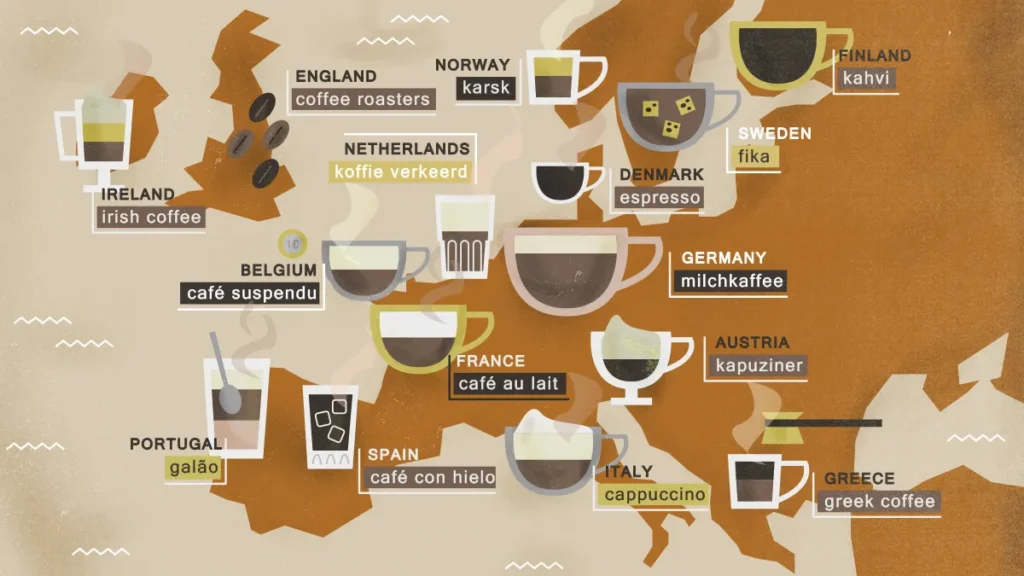
This guide explores the traditions, practices, and innovations shaping how the world enjoys coffee in 2026.
What Is Coffee Culture and Why Does It Matter?
Coffee culture isn’t a modern invention. It’s a phenomenon that’s been developing for over 500 years, starting in Ethiopia and spreading through the Arab world, Europe, and eventually across the globe. Today, coffee culture represents billions of dollars in commerce, millions of specialty cafés, and countless individual traditions in homes worldwide.
What makes coffee culture significant is its ability to create connections. A café isn’t just a place to buy caffeine—it’s a third space between home and work where people meet, create, and communicate. In Turkey, coffee ceremonies are spiritual experiences. In Italy, espresso isn’t rushed—it’s savored in under a minute at a counter with friends. In Scandinavia, coffee is woven into the social fabric so deeply that “fika” (Swedish coffee break) is considered essential to workplace culture.
Understanding your local coffee traditions and exploring global ones transforms you from someone who simply drinks coffee into someone who participates in a worldwide community united by shared passion.
The Economic Impact of Coffee Culture
Coffee is the second-most traded commodity globally after oil. The specialty coffee market—driven by coffee culture enthusiasts—has grown exponentially. Premium espresso machines, high-end grinders, and specialty beans now represent a multi-billion-dollar industry. This economic reality reflects how deeply coffee culture influences purchasing decisions, careers, and business innovation.
Coffee Culture as Social Identity
How you take your coffee has become part of your personal identity. Your preference for pour-over, French press, or espresso signals values, lifestyle choices, and community belonging. Coffee culture allows individuals to express themselves through their brewing method, café choice, and consumption rituals.
The Rise of Third-Wave Coffee
Modern coffee culture emphasizes quality, sustainability, and direct relationships with producers. Third-wave coffee movements prioritize single-origin beans, precise brewing temperatures, and understanding how altitude, soil, and weather affect flavor profiles. This shift represents a maturation of coffee culture toward craftsmanship and transparency.
Global Coffee Culture: Traditions Across Continents
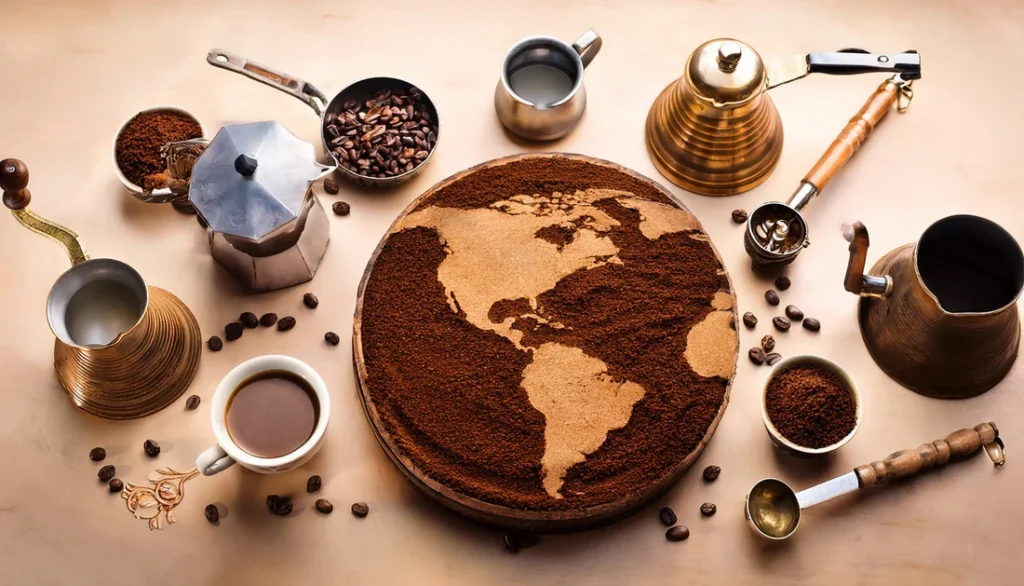
Coffee culture looks dramatically different depending on where you are. Each region has developed unique traditions reflecting local history, economics, and social values. Exploring these differences reveals how universal the love of coffee is, yet how locally specific its expression becomes.
Italian Coffee Culture and Espresso Tradition
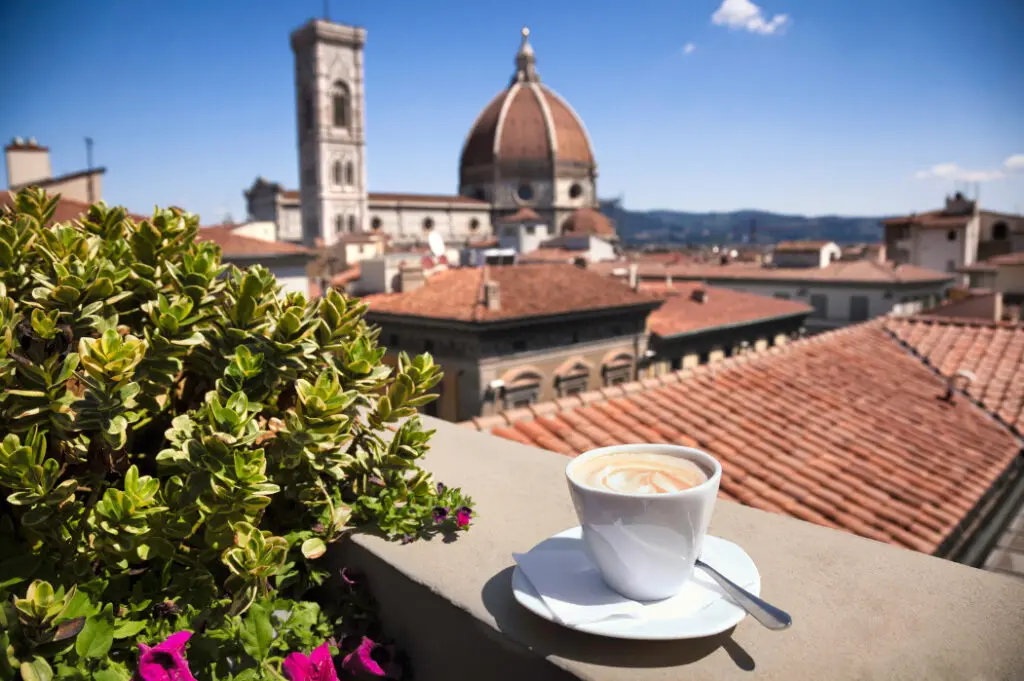
Italy’s relationship with coffee, particularly espresso, defines modern coffee culture globally. The Italian approach emphasizes speed, quality, and social ritual. An Italian espresso isn’t consumed leisurely at a table—it’s a quick, intense experience at the counter. Is espresso stronger than coffee? Yes, and Italians have perfected the balance between strength and flavor that makes espresso distinct. A traditional Italian coffee bar serves espresso so consistently that locals order “un caffè” knowing exactly what they’ll receive.
Italian coffee culture extends beyond espresso. The cappuccino (espresso with steamed milk and foam) is traditionally a breakfast drink, never consumed after 11 a.m. in authentic Italian culture. The macchiato is espresso “marked” with just a touch of milk. These distinctions reflect how codified Italian coffee traditions are.
Turkish and Middle Eastern Coffee Ceremonies
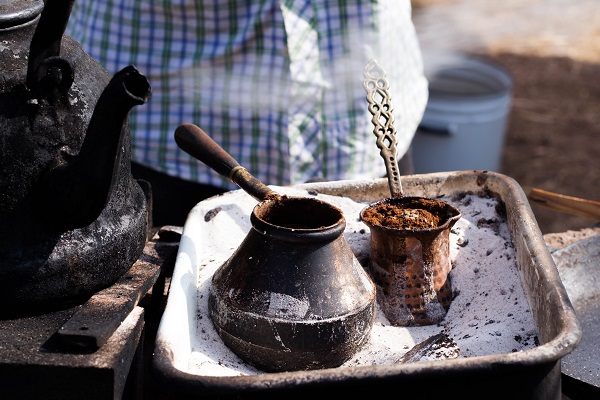
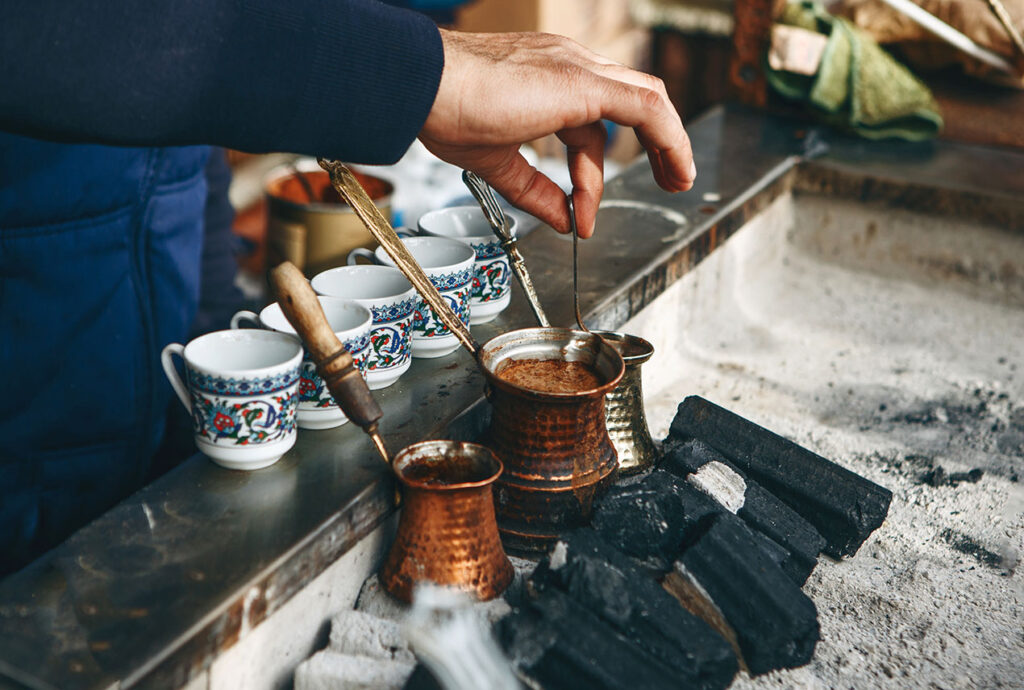
Turkish coffee culture represents one of the oldest continuous coffee traditions. Turkish coffee isn’t just a beverage preparation—it’s a ceremony. The process involves a special copper pot called a cezve or ibrik, finely ground coffee, and specific heating techniques. The coffee is served in small cups, often with cardamom, and the preparation is as important as the consumption.
Turkish coffee culture emphasizes hospitality and community. Serving coffee to guests is a gesture of respect. The practice of reading coffee grounds (tasseography) adds spiritual and social dimensions to coffee consumption that extend beyond flavor or caffeine content.
Scandinavian Coffee Culture and Fika
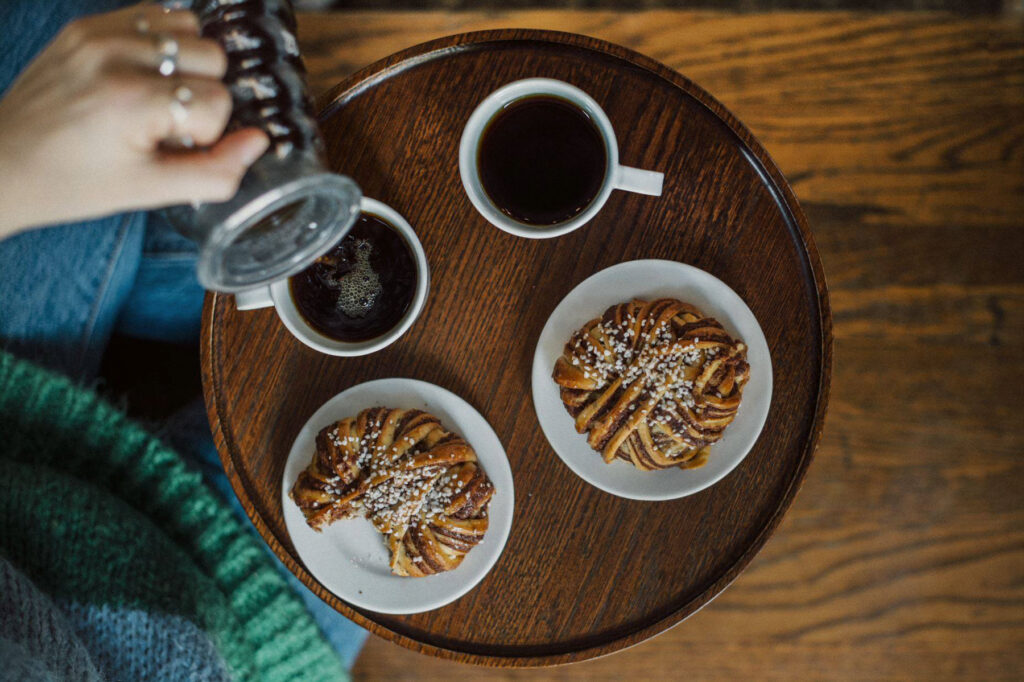
Scandinavia has developed a unique approach to coffee culture centered on the concept of coziness and community. “Fika”—the Swedish word for coffee break—represents mandatory social time in workplaces. During fika, colleagues pause work to share coffee, pastries, and conversation. This institutionalized coffee break reflects how coffee culture supports mental health and workplace cohesion.
Scandinavian coffee culture emphasizes quality and consistency. These countries consume more coffee per capita than almost anywhere else globally, yet maintain standards that prevent coffee from becoming routine. Coffee is celebrated, not taken for granted.
Ethiopian Origins and Modern Ethiopian Coffee Culture
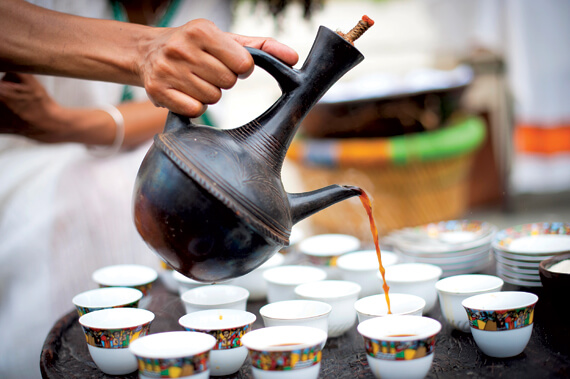
Ethiopia, coffee’s birthplace, maintains unique coffee traditions despite global commercialization. The Ethiopian coffee ceremony involves roasting green beans over an open flame, grinding them by hand, and brewing in a traditional pot called a jebena. This ceremony can last hours and represents Ethiopian hospitality, community bonding, and spiritual practice.
Modern Ethiopian coffee culture balances ancient traditions with contemporary specialty coffee movements. Single-origin Ethiopian beans have become highly prized in specialty coffee circles, commanding premium prices and intense devotion from coffee enthusiasts.
Coffee Culture Around the World: Regional Expressions
Beyond the major traditions, coffee culture manifests uniquely in hundreds of communities. Understanding these regional variations prevents a narrow view of coffee culture and reveals how adaptable the tradition is across different contexts.
Latin American Coffee Culture
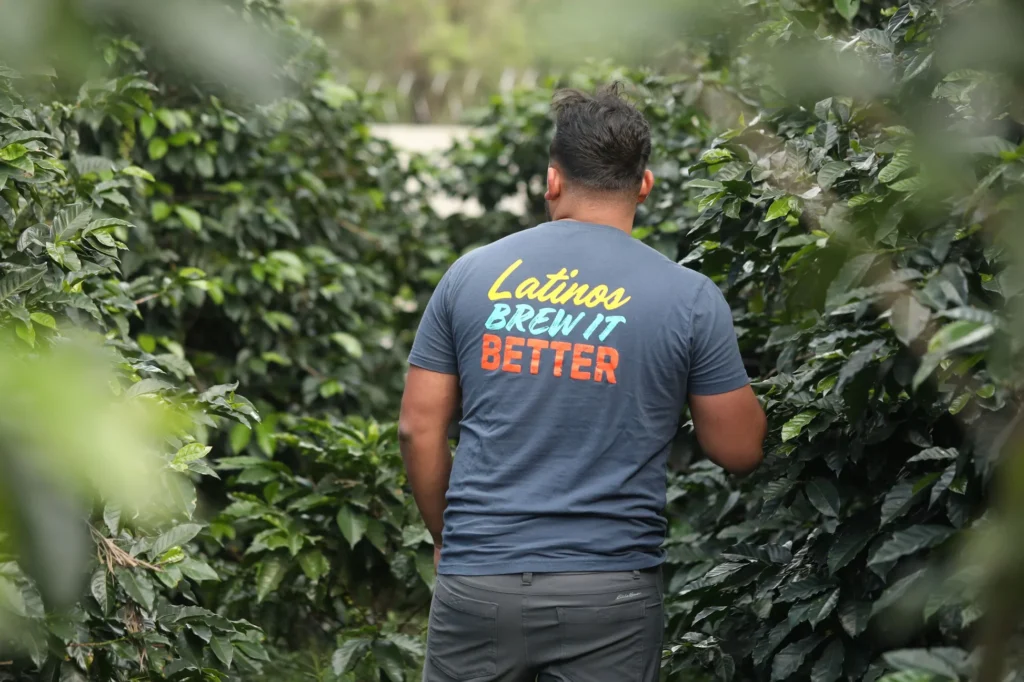
Latin America produces the majority of the world’s coffee, yet coffee culture in producing countries differs from consuming countries. In Colombia, Guatemala, and Honduras, coffee isn’t primarily about café culture—it’s about livelihood, family tradition, and agricultural heritage. However, as specialty coffee grows, younger generations in coffee-producing regions are developing their own local coffee culture, opening third-wave cafés and competing in international barista competitions.
Australian and New Zealand Coffee Culture
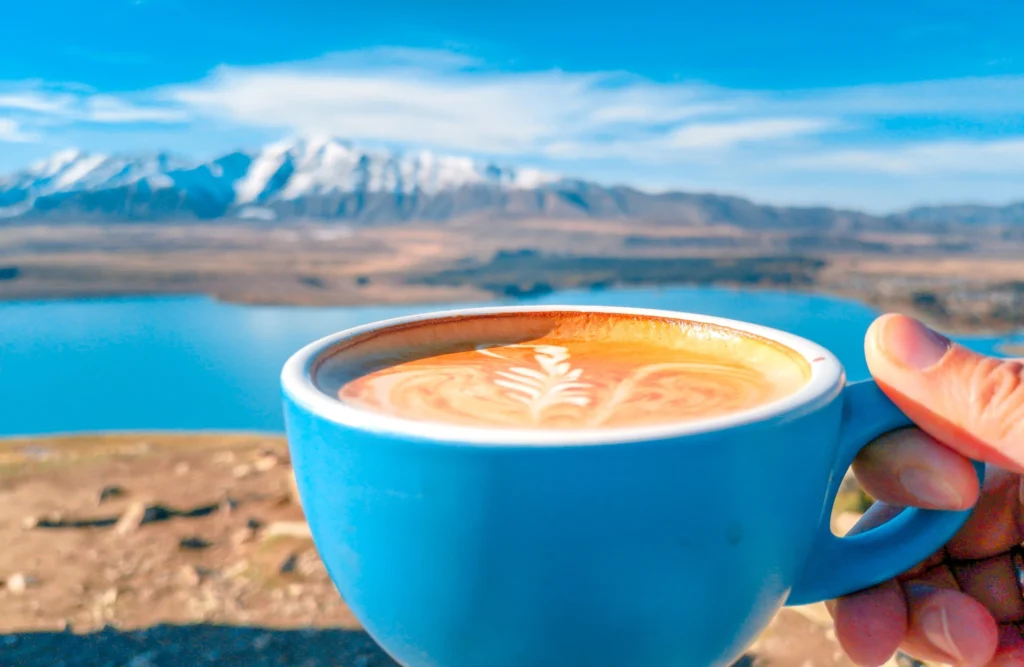
Australia and New Zealand have developed a distinctive specialty coffee culture, particularly around flat whites and milk-based espresso drinks. Australian coffee culture emphasizes skilled baristas, precise milk steaming, and strong café communities. The Australian approach to coffee culture influenced North American specialty coffee movements significantly.
Japanese Coffee Culture
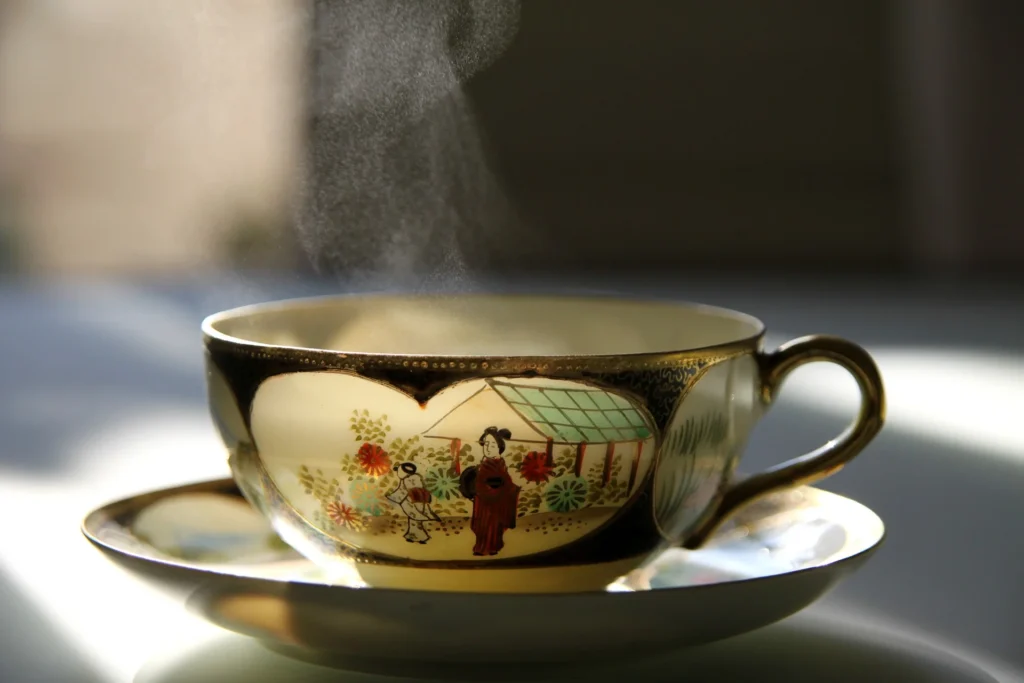
Japan’s coffee culture reflects broader cultural values of precision, aesthetics, and respect for craftsmanship. Japanese pour-over techniques, specialty equipment like Hario V60 drippers, and meticulous attention to water temperature and brewing ratios represent how Japan elevated filter coffee to an art form. Japanese kissaten (traditional coffee houses) maintain deliberate, contemplative atmospheres supporting coffee culture as a meditative practice.
The Evolution of Coffee Culture: From Traditional to Modern
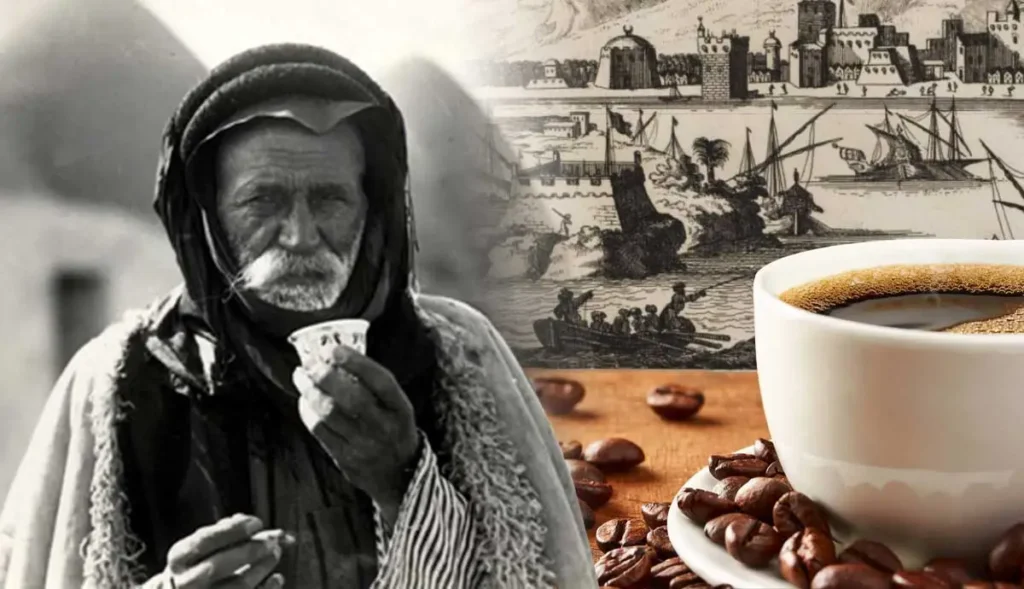
Coffee culture hasn’t remained static. It’s evolved dramatically, particularly in the last 20 years. Understanding this evolution helps you appreciate where coffee culture stands today and where it’s heading.
First and Second Wave to Third Wave
Coffee historians identify three waves in modern coffee culture. The first wave (mid-20th century) made coffee convenient and accessible—think instant coffee and basic drip machines. The second wave (1990s-2000s) brought espresso bars, specialty drinks, and chains like Starbucks that made quality more available. How strong is espresso compared to regular coffee became a common question as espresso culture exploded.
The third wave, beginning around 2005, shifted focus to coffee quality, producer relationships, and brewing precision. Third-wave coffee culture values understanding coffee’s origin, roast level, and optimal brewing parameters. This wave emphasizes that coffee quality starts with the farmer, not the barista.
Specialty Equipment and Home Coffee Culture
Modern coffee culture increasingly centers on home brewing. Consumers invest in grinders, espresso machines, and specialty equipment that were previously accessible only to cafés. The rise of home espresso culture has created demand for better machines, leading to innovations in espresso machine technology and design. How to become an espresso machine technician has become a viable career path as more people purchase quality equipment requiring expertise.
This shift democratizes coffee culture, allowing individuals to pursue coffee passion without depending on local café quality. However, it also raises entry costs, potentially creating accessibility issues in coffee culture participation.
Sustainability and Ethical Coffee Culture
Contemporary coffee culture increasingly emphasizes sustainability and ethics. Direct trade relationships, fair trade certification, and regenerative agriculture practices reflect how coffee culture values have expanded beyond flavor. Modern consumers participate in coffee culture partly to support farmers and environmental stewardship.
Understanding Espresso Culture Within Coffee Culture
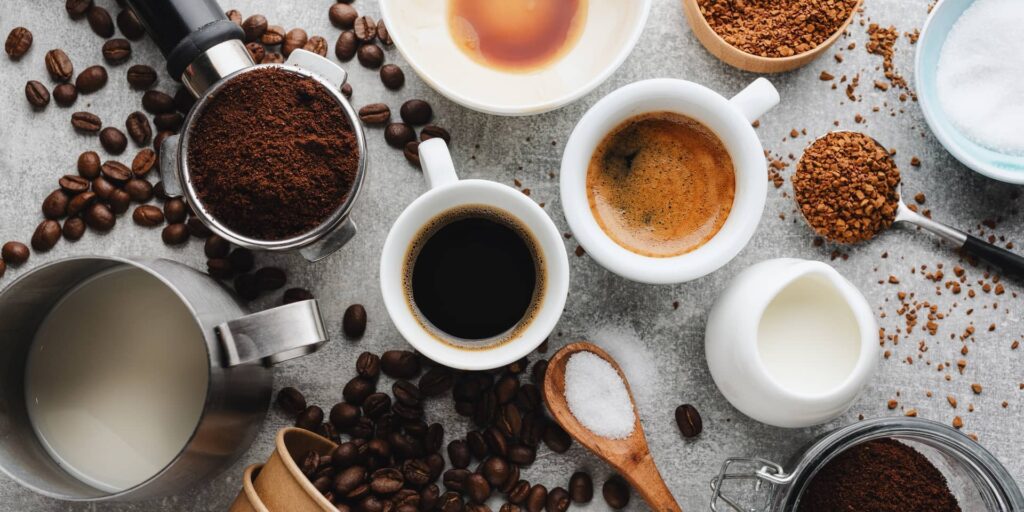
Espresso deserves special attention within the broader coffee culture discussion. Espresso represents a distinct subculture with specific techniques, terminology, and passionate adherents. For many coffee enthusiasts, espresso culture IS their entry into broader coffee culture.
The Espresso Machine as Cultural Symbol
The espresso machine represents coffee culture’s intersection with technology and artistry. Modern espresso machines are engineering marvels requiring an understanding of pressure, temperature stability, and mechanical precision. Is espresso healthy? It is a question many espresso enthusiasts consider seriously. The answer involves understanding how espresso’s concentrated nature affects caffeine intake and health impacts—topics central to espresso culture discourse.
Espresso Shot Knowledge
Espresso culture includes specific knowledge about shot composition. How much caffeine is in a Starbucks espresso shot? represents a common question that reveals how standardization and mass production have influenced espresso culture. While single espresso shots contain roughly 63-75mg of caffeine, commercial variations significantly affect actual intake, making informed consumption part of espresso culture literacy.
Barista Craft and Espresso Expertise
Espresso culture depends on barista expertise. Pulling perfect espresso shots requires understanding grind consistency, tamping pressure, water temperature, and extraction time. Baristas occupy central positions in coffee culture, functioning as educators, craftspeople, and community ambassadors. The rise of espresso-focused barista competitions globally reflects espresso culture’s prestige within broader coffee movements.
Coffee Culture and Community Building
Beyond individual consumption, coffee culture creates communities. Cafés serve as gathering spaces where strangers become regulars, ideas get exchanged, and relationships develop. This communal dimension differentiates coffee culture from mere beverage consumption.
Cafés as Third Places
Sociologists recognize cafés as “third places”—social spaces distinct from home (first place) and work (second place). Coffee culture’s vitality depends on these third places existing. During the COVID-19 pandemic, when cafés closed, people recognized how essential coffee culture’s social spaces were to mental health and community cohesion. The recovery of café culture reflected how deeply coffee culture satisfies human needs for belonging and routine.
Online Coffee Communities
Digital technology has expanded coffee culture beyond physical spaces. Online communities dedicated to specific espresso machines, coffee roasters, and brewing techniques connect global enthusiasts. Reddit communities like r/coffee boast hundreds of thousands of members sharing knowledge, asking questions, and celebrating coffee culture through digital means.
Coffee Events and Competitions
International coffee competitions—World Barista Championship, World Cup Tasting, World Latte Art Championship—have elevated coffee culture’s visibility. These events celebrate coffee culture globally while inspiring local participation. Local latte art competitions, coffee festivals, and tasting events create entry points for community members to engage with coffee culture.
Developing Your Personal Coffee Culture
Understanding global coffee culture is interesting, but meaningful engagement happens when you develop personal coffee culture practices. This involves intentional choices about where you source coffee, how you brew it, and how you approach coffee consumption.
Choosing Your Brewing Method
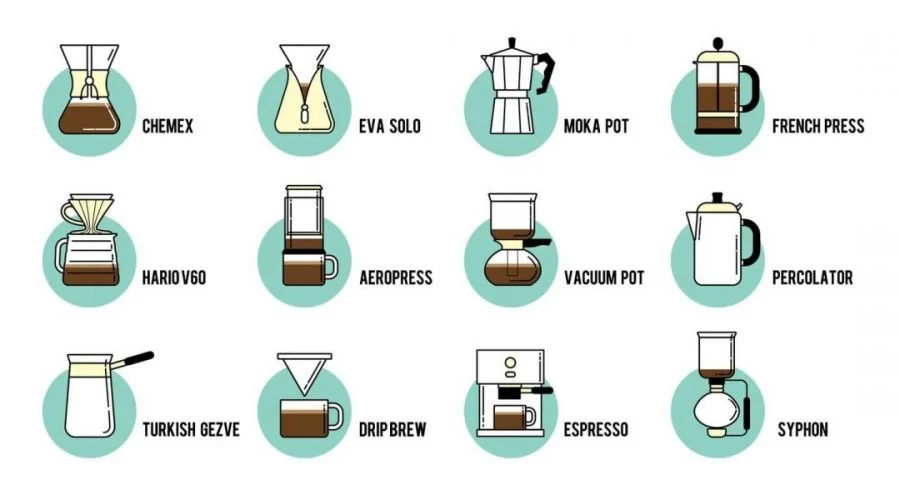
Your brewing method reflects and shapes your personal coffee culture. Pour-over enthusiasts develop different relationships with coffee than espresso devotees or French press practitioners. Each method requires different equipment investments, skill development, and time commitments. Choosing consciously creates intentionality in your coffee culture.
Bean Selection and Origin Understanding

Engaging deeply with coffee culture involves learning about origins, roast levels, and flavor profiles. Understanding how Ethiopian Yirgacheffe differs from Colombian Huila or Hawaiian Kona creates appreciation for coffee’s complexity. Many specialty roasters provide detailed information about their coffee’s sourcing, processing methods, and optimal brewing parameters—educational resources supporting coffee culture development.
Equipment Investment and Skill Development
Building a personal coffee culture often involves equipment investment. Quality grinders, brewing devices, and eventually espresso machines allow you to execute proper technique. However, coffee culture emphasizes that equipment without knowledge is a wasted investment. Developing skills in grinding, tamping, water temperature management, and extraction timing deepens coffee culture participation.
Creating Coffee Rituals
Personal coffee culture thrives when you establish intentional rituals. This might mean morning quiet time with pour-over coffee, afternoon café visits where you taste different single-origins, or weekend espresso experimentation. Rituals transform coffee from necessity to meaningful practice, central to what coffee culture ultimately represents.
Frequently Asked Questions
What exactly defines coffee culture?
Coffee culture encompasses the social rituals, traditions, values, and practices surrounding coffee consumption across communities. It includes café environments, brewing methods, consumption customs, social interactions, and the broader meanings people attach to coffee beyond its caffeine content. Coffee culture varies significantly across regions and reflects local histories, economies, and values.
How has coffee culture changed in recent years?
Modern coffee culture has shifted from convenience-focused (first wave) to quality-focused (third wave). There’s increased emphasis on single-origin beans, sustainable sourcing, specialty equipment, and understanding coffee’s complexity. Home coffee culture has grown dramatically, and digital communities now connect global enthusiasts. Sustainability and ethical sourcing have become central to coffee culture values.
Why is Italian espresso culture so influential?
Italy perfected espresso technology and consumption culture, creating traditions that spread globally. Italian espresso culture emphasizes quality, consistency, proper technique, and social rituals around coffee consumption. The standardization of espresso preparation and the establishment of café counter culture in Italy became blueprints that influenced coffee culture worldwide, making Italian traditions foundational to global coffee movements.
Can I develop coffee culture at home without visiting cafés?
Absolutely. Home coffee culture is thriving and completely valid. You can develop expertise in bean selection, grinding, brewing precision, and equipment maintenance entirely at home. However, café visits expose you to professional techniques and diverse coffee experiences worth incorporating. Many coffee culture enthusiasts combine home brewing with selective café visits, creating hybrid approaches supporting deep engagement.
What’s the relationship between specialty coffee and coffee culture?
Specialty coffee and coffee culture are deeply interconnected. Specialty coffee movements prioritize quality, sustainability, and understanding coffee’s origins—values central to modern coffee culture. However, coffee culture existed long before specialty coffee emerged. Specialty coffee represents one significant contemporary expression of coffee culture rather than its entirety, though it’s currently the most visible and influential expression.
How does coffee culture affect café design and atmosphere?
Coffee culture directly shapes café design. Cafés function as third places where atmosphere supports community gathering and conversation. Design elements—lighting, seating arrangements, music, décor—are carefully chosen to create welcoming environments supporting coffee culture’s social dimensions. The rise of minimalist, industrial, or vintage-inspired café designs reflects how coffee culture values express through physical space.
Is coffee culture sustainable long-term?
Coffee culture’s sustainability depends on addressing environmental and economic challenges in coffee production. Climate change threatens coffee-growing regions, while farmer economics remain precarious. However, growing awareness within coffee culture about sustainability issues is driving change. Direct trade relationships, regenerative agriculture adoption, and consumer demand for ethical sourcing suggest coffee culture is evolving to support its own long-term viability and producer welfare.
Final Thoughts
Coffee culture represents far more than daily caffeine consumption. It’s a global phenomenon connecting diverse communities through shared rituals, values, and passion for quality. Understanding coffee culture transforms how you approach coffee, whether you’re a casual morning drinker or a dedicated espresso enthusiast. The traditions developed across centuries in Ethiopia, Turkey, Italy, and countless other regions continue evolving today, influenced by technology, sustainability concerns, and individual creativity.
Your participation in coffee culture—whether through choosing a local specialty roaster, investing in quality equipment, developing home brewing skills, or simply being intentional about how you consume coffee—contributes to this living tradition.
Coffee culture thrives because countless individuals make conscious choices to engage meaningfully with coffee rather than treating it as a mere commodity. In 2026 and beyond, coffee culture will continue evolving, shaped by the choices, values, and passions of people like you who recognize that the best part of waking up is the entire experience surrounding that perfect cup.