
Welcome, fellow coffee enthusiasts! If you’ve ever found yourself staring at your espresso machine, wondering why your shots aren’t quite hitting the mark, you’re not alone. The secret to a perfect espresso lies in mastering the coffee grind size of your beans. Too coarse, and your espresso is weak and sour. Too fine, and it’s a bitter, over-extracted mess. Finding that sweet spot is a delicate balance, but fear not – we’re here to guide you through the process.
⚡ Quick Answer
For perfect espresso, your grind size should be fine like powdered sugar – not too coarse which creates weak, sour shots, and not too fine which leads to bitter over-extraction. Start with a fine setting on your grinder and adjust based on your extraction time: if your shot pulls too fast, go finer; if it’s too slow or bitter, go slightly coarser. The key is finding that sweet spot where water flows through the grounds in 25-30 seconds for a balanced, café-quality espresso.
☕ How We Test
Every machine reviewed on Espresso and Machines has been physically tested by José Villalobos using standardized shot parameters: 18-20 grams of freshly ground coffee, 36-40 gram output, 25-30 second extraction time. We test with at least 3 different bean origins across light, medium, and dark roasts over a minimum 30-day period. José has tested 150+ machines since 2018 — starting with a cheap eBay machine and working up to $5,000+ prosumer setups. No sponsored content. No manufacturer talking points. Just real testing.
📊 Key Facts
- Fact: Perfect espresso extraction should take 25-30 seconds for a balanced, café-quality shot
- Fact: Espresso grind size should be fine like powdered sugar for optimal extraction
- Fact: If your espresso shot pulls too fast, you need a finer grind setting
- Fact: If extraction is too slow or bitter, adjust to a slightly coarser grind setting
In this guide, we’ll explore the ins and outs of grind sizes, the importance of a good grinder, and the step-by-step process to dial in your perfect shot. By the end, you’ll have the knowledge and confidence to brew espresso that’s not just good, but café-quality. So grab your beans, warm up your machine, and let’s get grinding!
What is Grind Size?
Before we delve deeper into the world of espresso alchemy, let’s start with the basics. What exactly is grind size, and why does it matter?
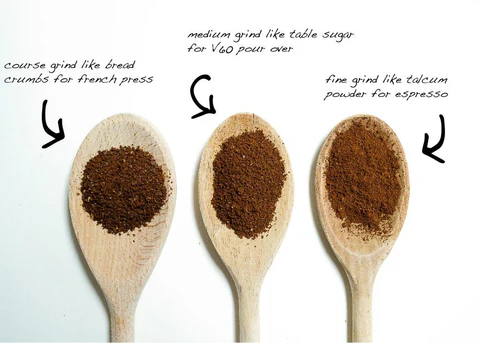
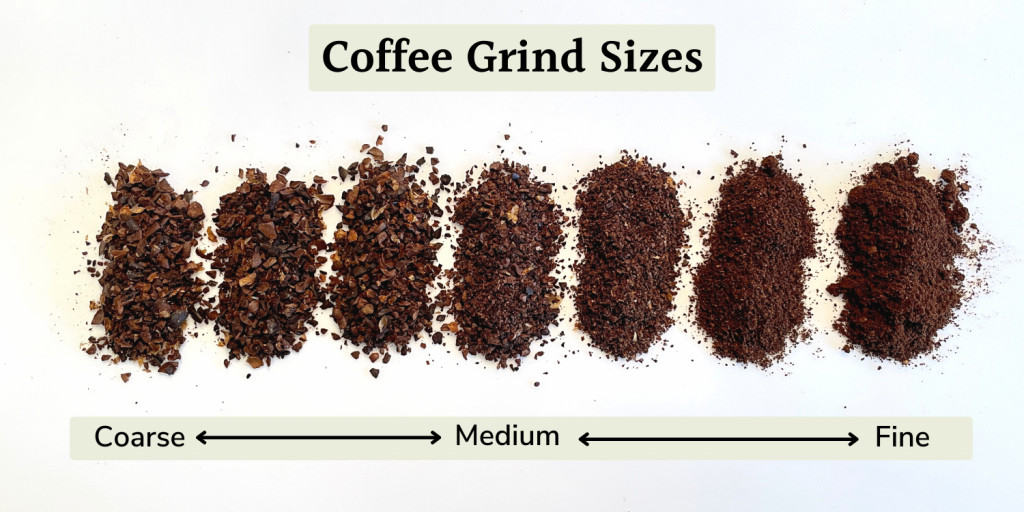
Grind size refers to how finely or coarsely your coffee beans are ground. It’s like the canvas for your espresso masterpiece, setting the stage for the flavors to shine. Think of it as the difference between flour and sugar – one is fine and powdery, while the other is coarse and granulated.
But why should you care? Well, my fellow coffee enthusiast, the grind size dictates how water interacts with your coffee during the brewing process. It’s the gatekeeper of flavor extraction. Too fine, and you’ll end up with a bitter, over-extracted mess; too coarse, and your espresso will taste weak and watery.
1. Understanding Grind Size
The grind size is crucial because it affects the extraction process. Too coarse, and your espresso will be under-extracted, resulting in a weak and sour taste. Too fine, and you’ll over-extract, leading to a bitter and overpowering flavor.
2. Choosing the Right Grinder
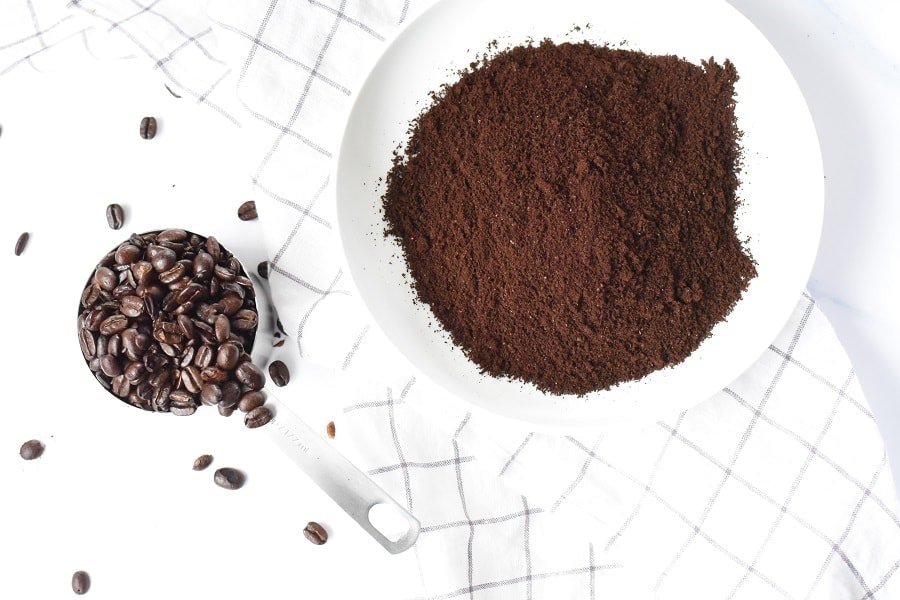
Investing in a good grinder is non-negotiable. Burr grinders are preferred over blade grinders for their consistency and precision. Conical burr grinders, in particular, are favored for home use due to their efficiency and ease of cleaning.
3. Dialing in Your Grind
Start with a medium-fine setting and adjust based on your espresso shot’s extraction time and flavor profile. Here’s a quick guide:
- Under 25 seconds: Too coarse. Make the grind finer.
- Over 30 seconds: Too fine. Make the grind coarser. Aim for a balanced extraction time of 25-30 seconds for a double shot.
4. Consistency is Key
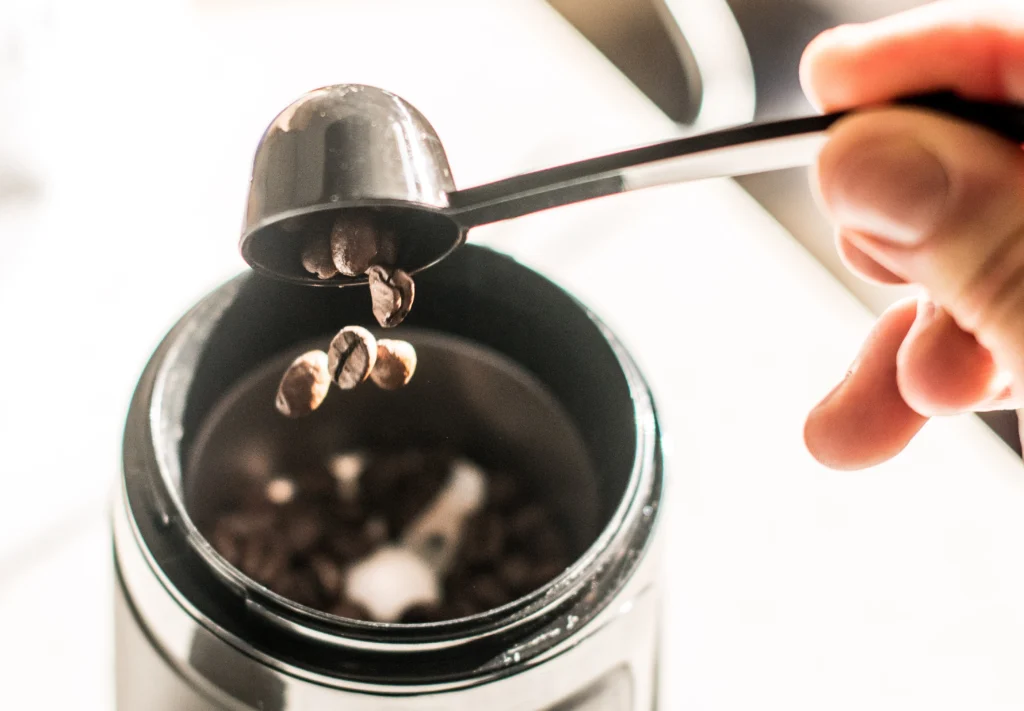
Ensure each grind is consistent. This involves regularly cleaning your grinder and using freshly roasted beans, ideally within 5-30 days of roasting for optimal freshness and flavor.
Steps to Perfect Espresso
- Weigh Your Beans: Measure out 14-18 grams of coffee beans for a double shot. Precision is key, so use a digital kitchen scale to ensure consistency.
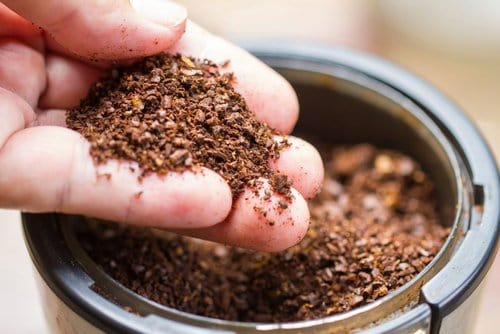
- Grind Your Beans: Set your burr grinder to a fine setting. The grind should be consistent, resembling table salt or powdered sugar. This fine grind is crucial for proper extraction.
- Distribute and Tamp: Evenly distribute the ground coffee in the portafilter. Use a tamper to press the grounds with about 20-30 pounds of pressure. A level tamp ensures even water flow through the coffee during extraction.
- Brew: Insert the portafilter into your espresso machine and start the extraction process. Aim for an extraction time of 25-30 seconds. This timeframe ensures a balanced shot with optimal flavor.
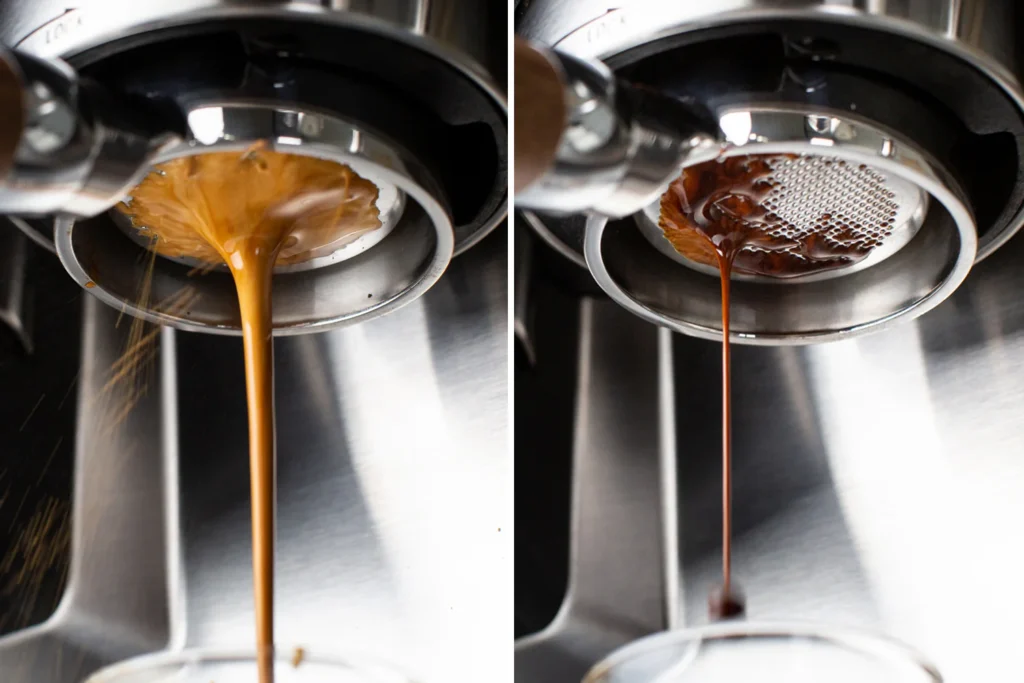
- Adjust as Needed: If your espresso pulls too quickly or slowly, adjust the grind size slightly. A faster pull indicates the grind is too coarse, while a slower pull means it’s too fine. Experiment until you achieve the perfect balance.
Experiment and Enjoy
Every espresso machine and bean variety may require slight adjustments. Don’t be afraid to tweak your grind size, brewing time, and other variables until you find your perfect shot. Tasting and adjusting is part of the journey to mastering espresso.
Key Considerations For Successfully Nailing Your Grind Size
Alright, coffee comrades, you’ve made it through the intricate steps of grind size mastery, and you’re well on your way to espresso excellence. But before we wrap up this espresso odyssey, let’s take a moment to explore some key considerations that didn’t quite fit into the earlier steps. These are the coffee gems that can elevate your brew to the next level.

- Consistency is Your Friend: Whether you’re using a fancy espresso machine or a humble hand grinder, consistency in grind size is paramount. It ensures that every shot is a mirror image of the last one. Invest in a quality grinder and maintain it regularly.
- Bean Variety Matters: Different coffee beans can have different grind size requirements. Experiment with various beans to discover how their unique flavors interact with grind size. Some might shine with a finer grind, while others prefer a coarser setting.
- Temperature Matters Too: Don’t forget about water temperature. Espresso is finicky, and using water that’s too hot or too cold can affect your shot. Aim for around 200°F (93°C) for the best results.
- Taste, Taste, Taste: Your taste buds are your best guides. Continuously taste your shots and make adjustments accordingly. It’s like being a coffee detective, hunting for the perfect flavor profile.
- Dose Wisely: The amount of coffee you use (the dose) also plays a role in your shot. Be consistent with your dosing and adjust it if your shot is consistently off the mark.
Troubleshooting Common Issues
- Sour Taste: If your espresso tastes sour, the grind is likely too coarse. Adjust your grinder to a finer setting and try again.
- Bitter Taste: A bitter taste usually means the grind is too fine. Coarsen the grind slightly to improve the flavor balance.
- No Crema: Lack of crema can be due to inconsistent grind size or stale beans. Ensure your grind is uniform and use freshly roasted beans to achieve that lovely golden layer on top of your espresso.
Conclusion
Getting the grind size right is fundamental to brewing the perfect espresso. From choosing the right grinder to dialing in the perfect setting, each step is crucial. By following these guidelines and being willing to experiment, you can enjoy a consistently excellent espresso. Happy brewing, and may your coffee always be rich, balanced, and delicious!
Disclosure: Our blog contains affiliate links to products. We may receive a commission for purchases made through these links. However, this does not impact our reviews and comparisons. We try our best to keep things fair and balanced, in order to help you make the best choice for you.