
Your espresso machine buying guide complete starts here. Whether you’re a complete beginner or an experienced home barista looking to upgrade, choosing the right espresso machine is one of the most important decisions you’ll make in your coffee journey. This comprehensive guide walks you through every aspect of the buying process, from understanding machine types to identifying your actual needs, comparing brands, and avoiding costly mistakes.
Disclosure: As an Amazon Associate I earn from qualifying purchases. When you click affiliate links and buy something, I may earn a commission at no extra cost to you. I only recommend products I’ve personally tested.
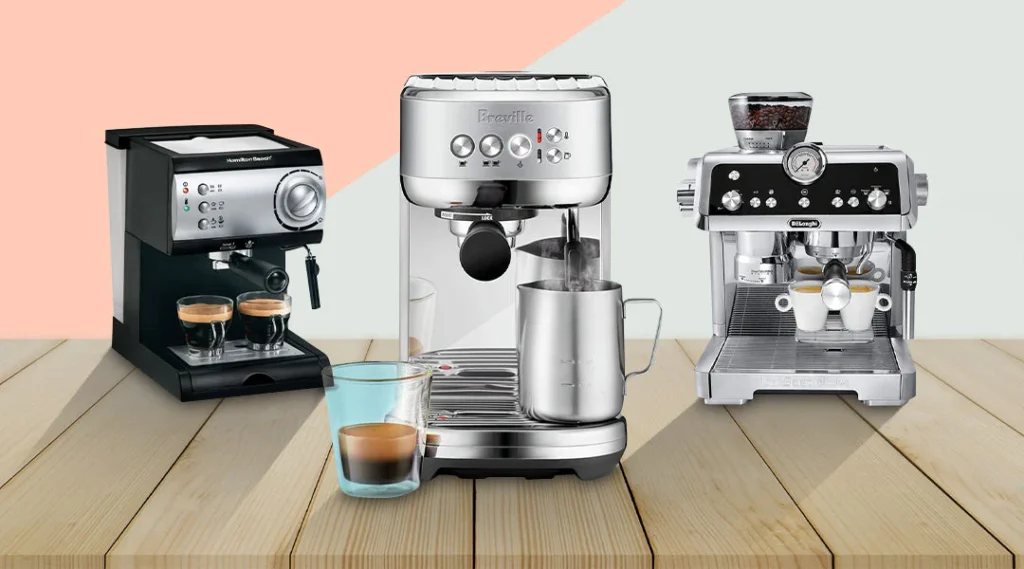
I’ve tested dozens of espresso machines over the years, and I’ve learned that there’s no one-size-fits-all answer. The best machine for someone pulling 50 shots a week looks completely different from the best machine for someone who wants one perfect cup on Sunday morning. That’s why this espresso machine buying guide completely breaks down every variable so you can make an informed decision that you won’t regret.
Let’s get straight to it. By the end of this guide, you’ll understand machine types, key specifications, price-to-performance ratios, and exactly how to match a machine to your lifestyle and goals.
Understanding the Main Types of Espresso Machines
Before diving into brands or budgets, you need to understand how espresso machines actually work and what separates one category from another. Your espresso machine buying guide complete foundation starts with recognizing that all espresso machines share one core function: they push hot water through ground coffee under pressure. The method and consistency with which they do that vary dramatically.
Manual Lever Machines: Total Control and Craft
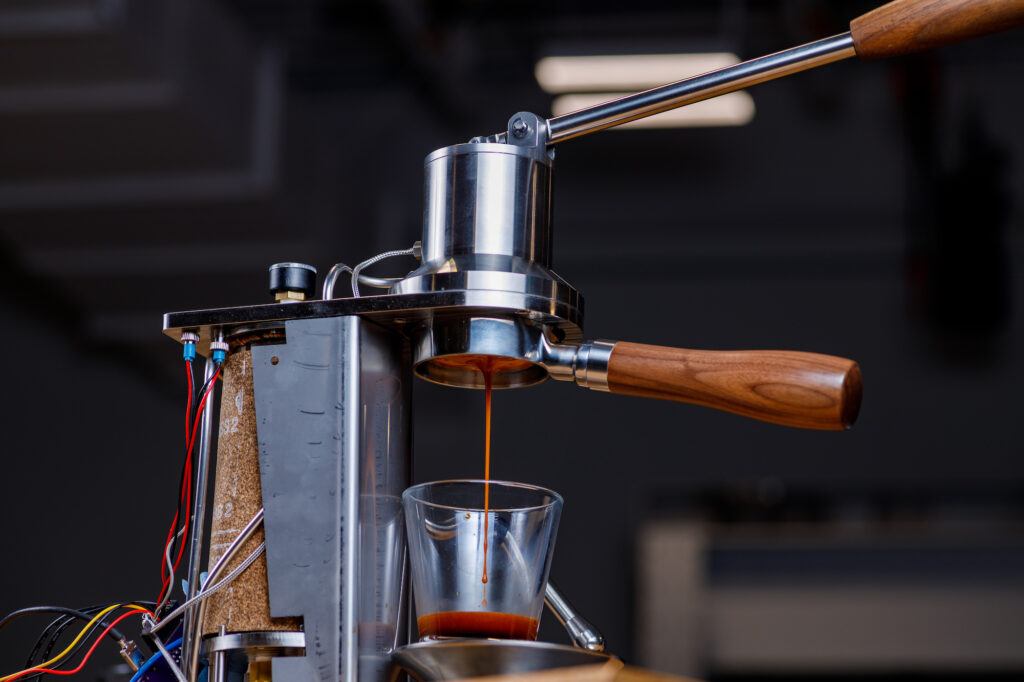
Manual lever machines are the purists’ choice. You physically pull a lever to generate pressure, which means you’re controlling nearly every variable of extraction. This requires skill and creates a meaningful hands-on experience that many coffee lovers absolutely love.
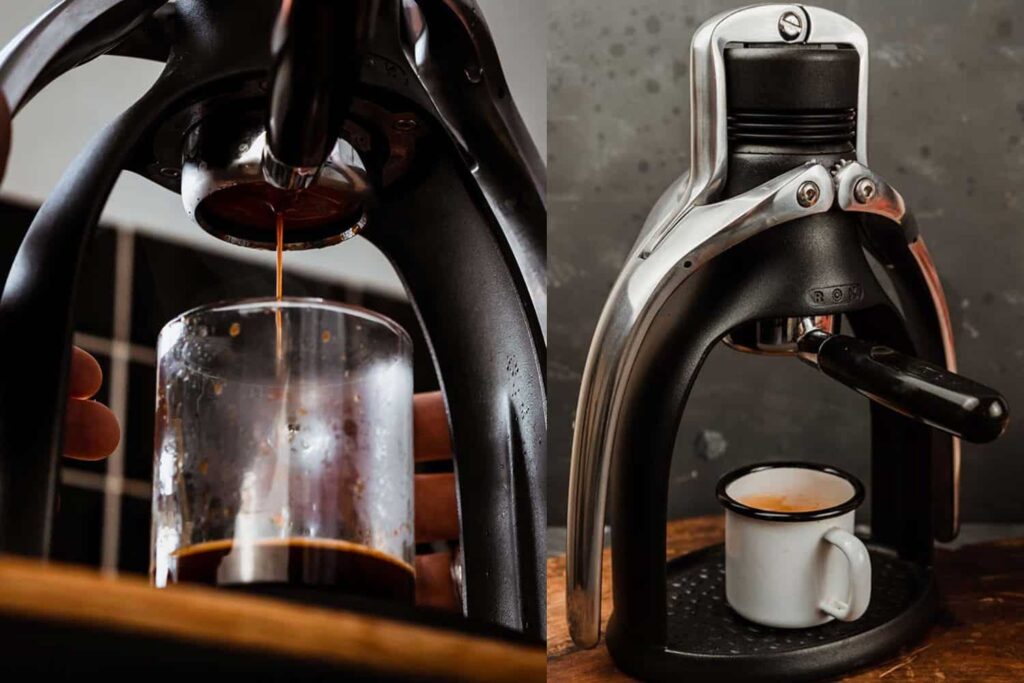
The learning curve is steep, but the reward is profound control. You can adjust pressure mid-shot, feel the resistance change as the puck saturates, and really understand what’s happening. Machines like the Flair or ROK sit at the budget-friendly end, while lever espresso machines from manufacturers like La Marzocco can cost thousands.
Downsides? Inconsistency comes easily until you develop muscle memory, and it’s genuinely tiring if you’re making multiple shots daily. You’ll also need upper body strength and a stable work surface. Manual machines are fantastic for the enthusiast who sees espresso-making as a meditative ritual rather than a quick caffeine delivery system.
Pump-Driven Semi-Automatic Machines: The Sweet Spot
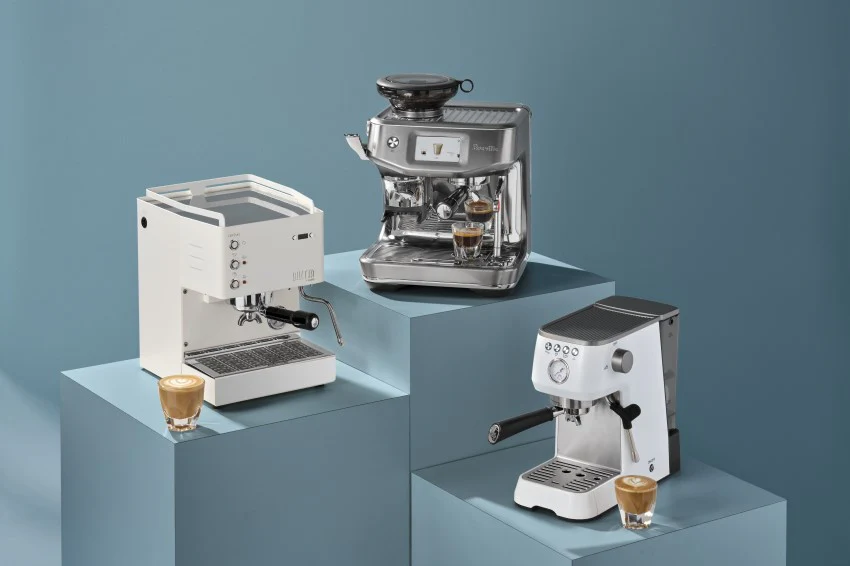
Semi-automatic machines represent where most home espresso drinkers land. You load the portafilter, tamp the coffee, press a button, and the machine’s internal pump delivers consistent 9 bars of pressure. You decide when to start and stop the shot, which gives you control without requiring constant physical effort.
This category is huge. You’ve got entry-level machines at $200-400, mid-range workhorses at $400-800, and premium home machines pushing $2000+. They’re reliable, relatively quiet, and produce genuinely excellent espresso when dialed in properly. Most specialty coffee shops use semi-automatic machines because they balance consistency with flexibility.
The tradeoff is that you’re dependent on your tamp technique and grind consistency. If your tamp is uneven or your grind varies, your shots will suffer. It’s a learnable skill, though, and mastering it gives you real barista-level capability.
Super-Automatic and Automatic Machines: Convenience Over Control
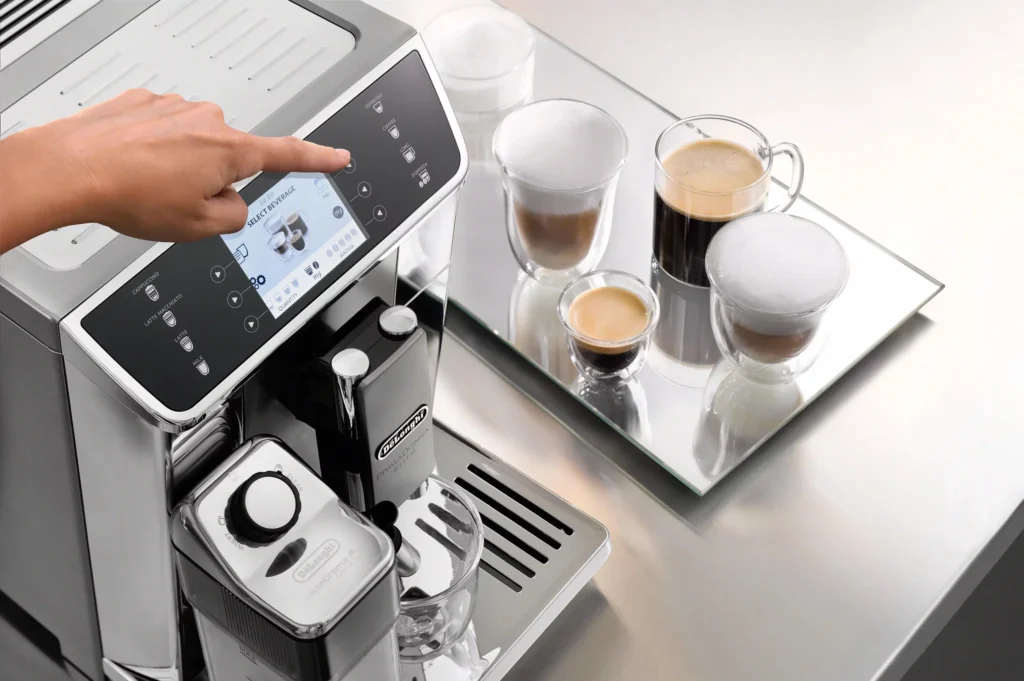
Super-automatic machines do nearly everything for you. You pour beans into the hopper, press a button, and 30 seconds later, you’ve got an espresso. Some even steam milk automatically. Automatic machines (one step down) still require you to tamp and load, but the machine handles water temperature and pressure.
These are incredibly convenient if you prioritize speed and consistency over involvement. They’re popular in offices and busy households. The tradeoff is that you’re locked into whatever flavor profile the machine delivers. You can’t adjust tamp pressure, shot time, or other variables to chase that perfect cup.
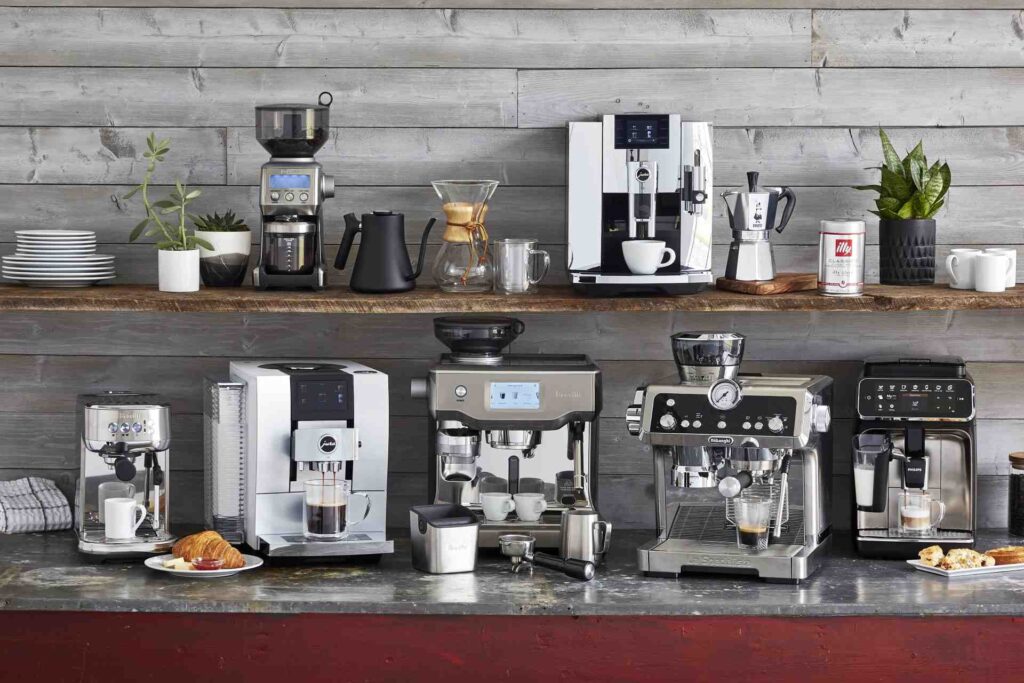
Quality varies wildly in this category. The cheapest super-automatics produce mediocre espresso, but premium ones like Jura machines genuinely compete on taste with traditional machines in the hands of someone who understands their specific programming.
What’s the Difference Between Pressure and Temperature Control?
Understanding pressure and temperature is crucial for any complete assessment of an espresso machine buying guide. These two variables, more than anything else, determine shot quality, and different machine categories handle them differently.
Pressure: Why 9 Bars Matter (and When They Don’t)
Espresso requires pressure—specifically, about 9 bars of pressure to extract properly. This pressure forces hot water through the coffee grounds, pulling out solubles that create flavor. Without adequate pressure, you get under-extracted, sour espresso. With too much pressure applied carelessly, you get a choking shot that’s slow and bitter.
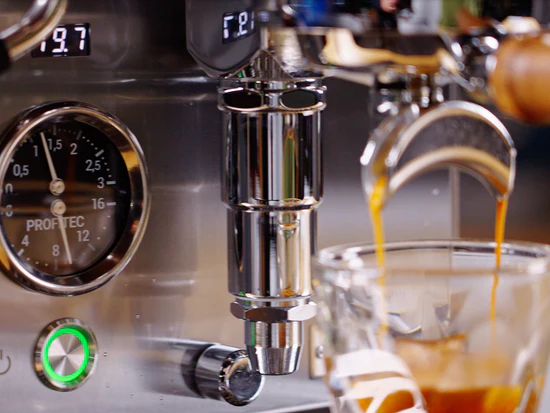
All legitimate espresso machines deliver 9 bars or close to it. This is non-negotiable. If a machine claims less than 8 bars, it’s not really espresso—it’s a strong coffee approximation. The difference between a machine that hits 8 bars consistently and one that varies between 7 and 11 bars is enormous, though casual users might not notice immediately.
Entry-level machines often have pressure variation issues. As the machine heats up or the pressure gauge accuracy drifts, the actual pressure changes. Better machines have pressure-stabilizing mechanisms that hold 9 bars rock-solid regardless of internal temperature fluctuations.
Temperature Control: Why Your Water Temperature Matters
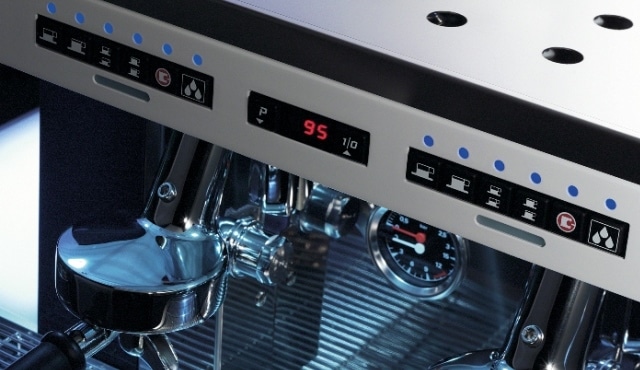
Water temperature during extraction affects flavor extraction rate. Too cold (under 88°C), and you get under-extracted sourness. Too hot (over 96°C), and you get harsh, bitter, over-extracted shots. The ideal range is typically 90-94°C, though light roasts sometimes benefit from cooler water and dark roasts from slightly hotter water.
Different machine types handle temperature differently. Single-boiler machines must choose: brew temperature or steam temperature. They typically optimized for steaming, leaving brew temperature slightly off. Dual boiler machines have separate boilers for each function, maintaining perfect brew temperature while keeping steam ready.
PID (proportional-integral-derivative) temperature controllers actively manage heating elements to maintain exact temperature setpoints. Machines with PID are significantly more expensive but deliver dramatically better consistency. For a home user making 2-3 drinks daily, the improvement is noticeable but maybe not worth a $400 premium. For someone making 10+ drinks, it’s essential.
Grouphead Design and Heat Stability
The grouphead is where your portafilter connects to the machine, and its thermal design dramatically affects consistency. Some group heads are massive copper pieces that retain enormous amounts of heat, while others are aluminum and heat up or cool down more quickly.
High-mass group heads provide excellent temperature stability during multiple shots in quick succession. This matters if you’re making espresso for multiple people or doing back-to-back drinks. Low-mass group heads heat up faster when you first turn on the machine, which is nice if you’re only making one or two drinks.
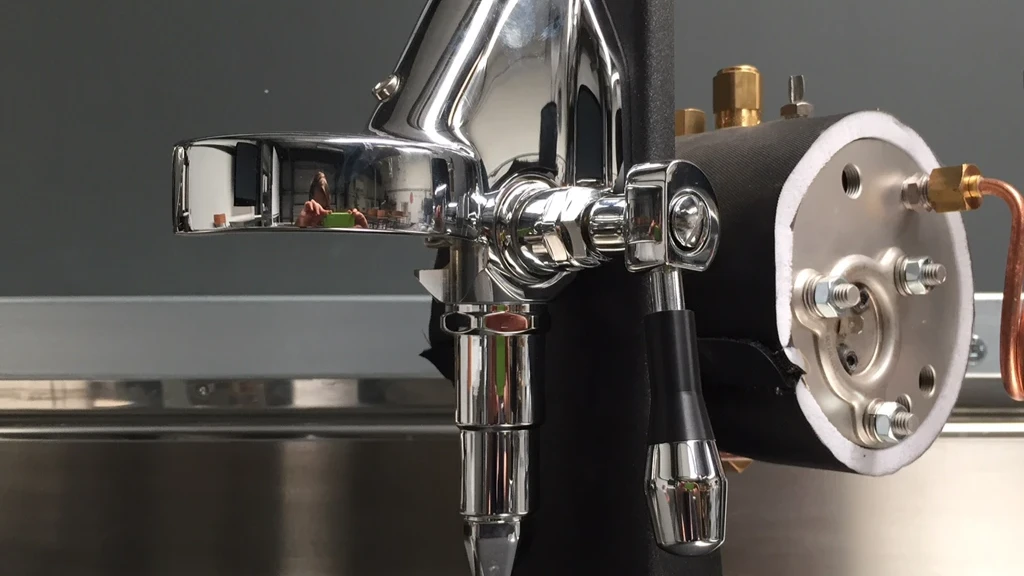
Saturation is also critical. When you first pull a shot, water flowing through the grouphead absorbs some heat, cooling it slightly. Well-designed machines account for this through temperature management or grouphead design. Cheaper machines don’t, which means your first shot tastes different from subsequent shots.
How Much Should You Actually Spend on an Espresso Machine?
Price is often the first conversation in any espresso machine buying guide complete, but it shouldn’t be the only one. That said, budget absolutely constrains your options, so let’s be realistic about what different price points deliver.
Budget Machines ($200-500): Where It Gets Tricky
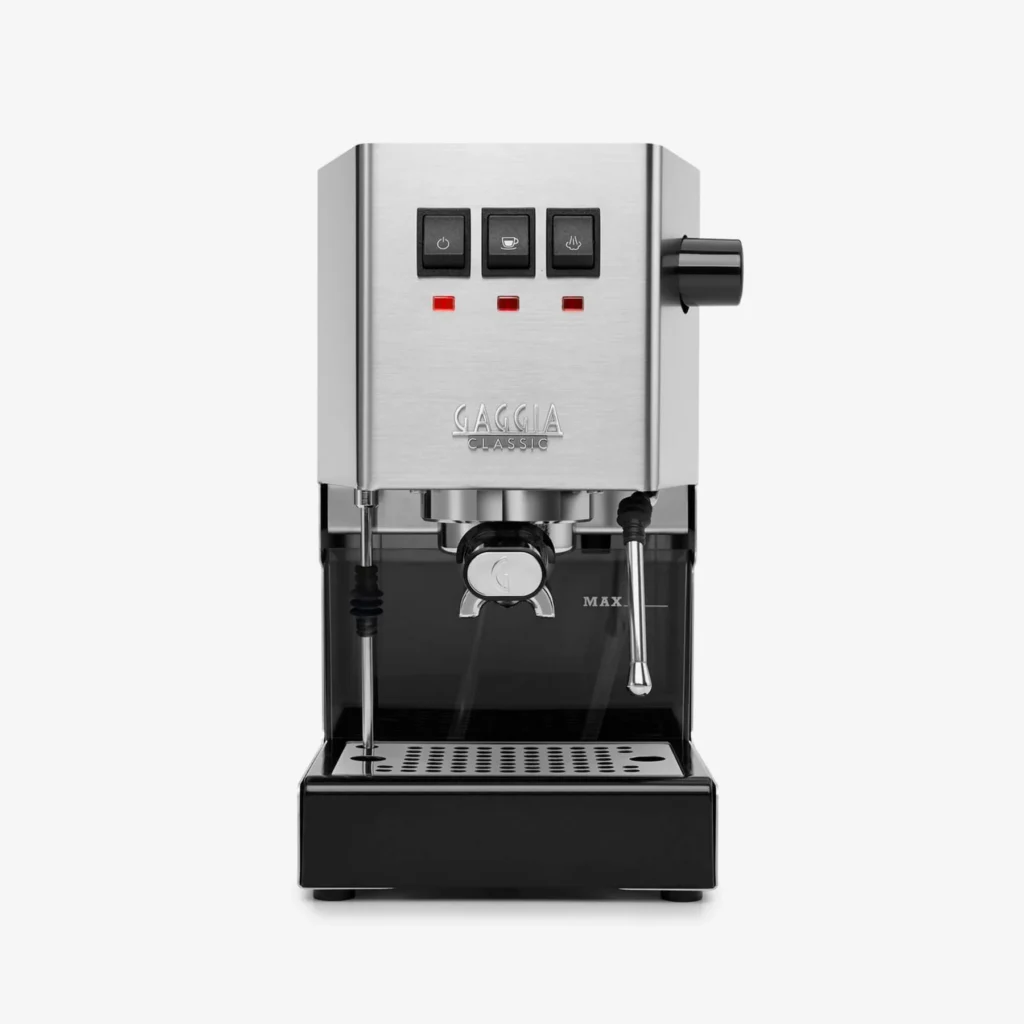
At this price point, you’re looking at machines like the Gaggia Classic Pro, Mr. Coffee espresso makers, or basic Breville models.
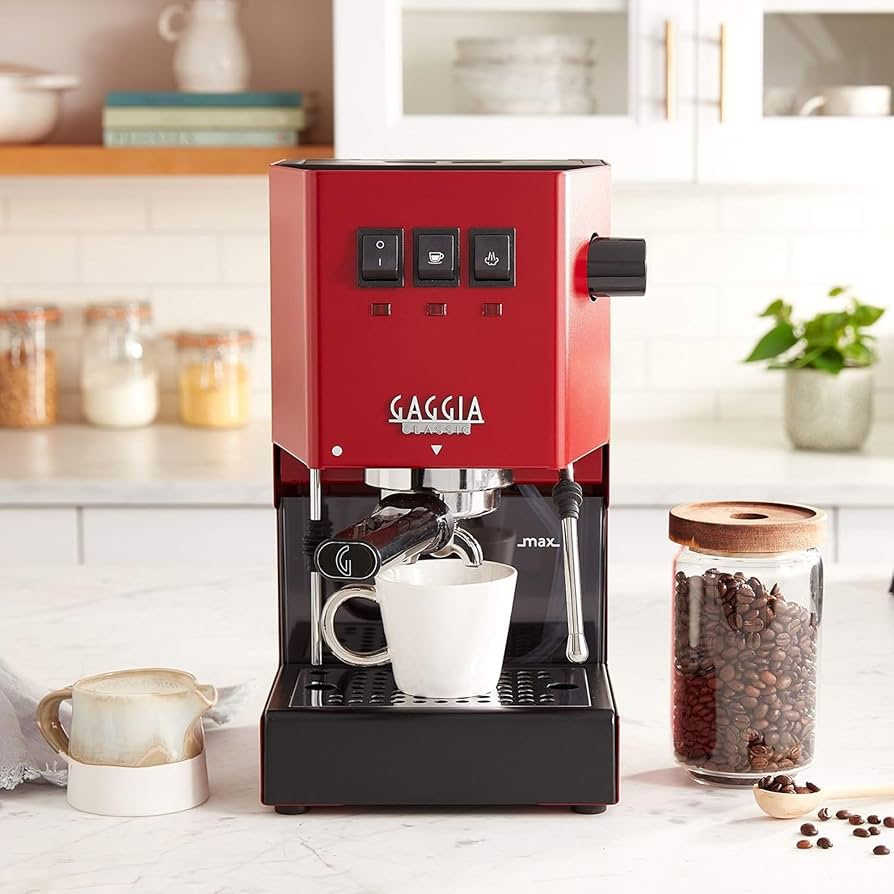
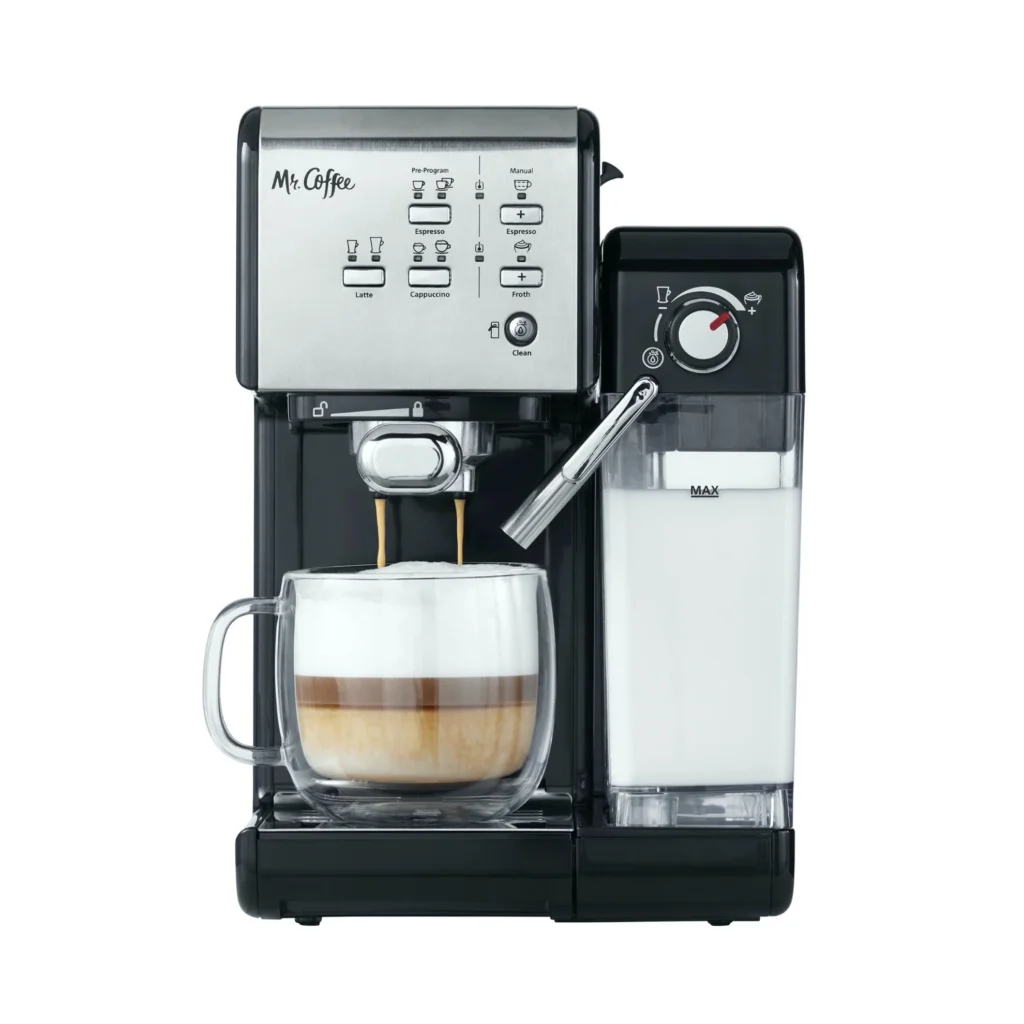
Here’s the honest truth: you can pull decent espresso from these machines. The Gaggia Classic especially has a devoted following of budget hackers who mod their machines and produce genuinely good shots.
What you’re sacrificing is consistency, durability, and user experience. Budget machines often have plastic components that degrade, inconsistent pressure delivery, and minimal temperature control. They heat up unevenly, and pulling your second shot of the morning tastes different from the first.
If you’re in this price range, prioritize machines with metal group heads, reliable pump systems, and proven track records. The Gaggia Classic Pro and Roka Clickmaster offer surprisingly good value. Budget machines work best if you’re going to invest time learning the machine’s quirks.
Mid-Range Machines ($500-1500): The Sensible Sweet Spot


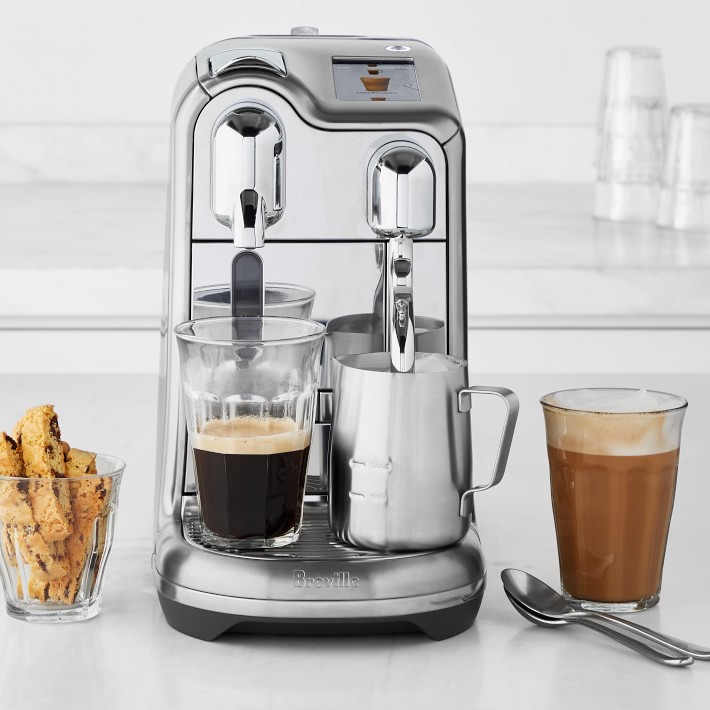
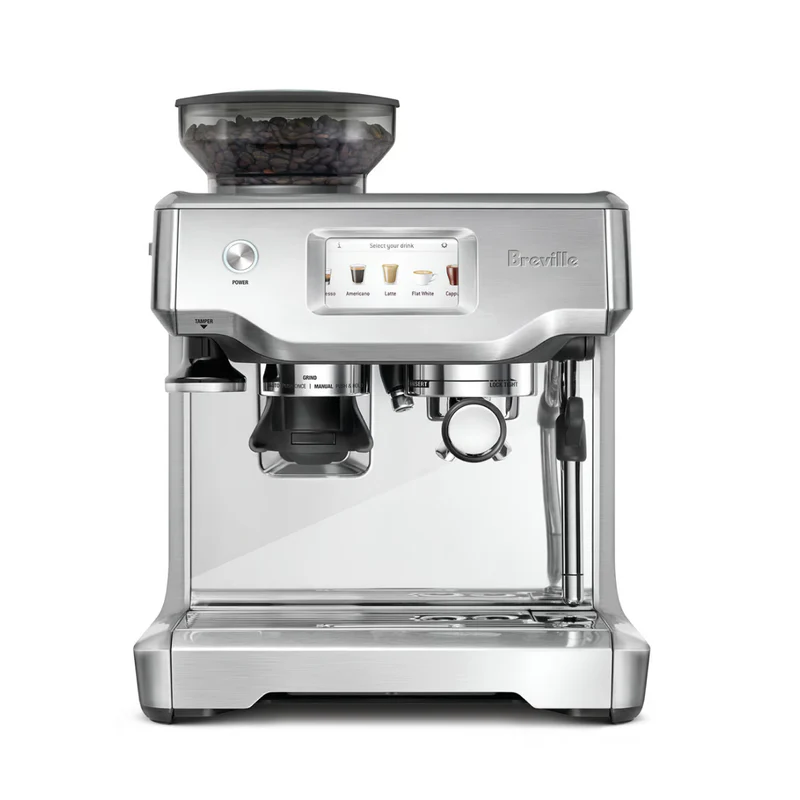
This is where I’d personally start unless money is tight or you want something super specialized. Mid-range machines include models from Rancilio, Lelit, Gaggia (their better lines), and Breville’s mid-tier offerings. You’re getting genuinely reliable machines with decent temperature management and pressure consistency.
At this level, you get metal group heads, reliable pumps, straightforward maintenance, and enough thermal stability to pull consistently good shots day after day. You might not get a PID or dual boiler, but you get enough control to dial in excellent espresso.
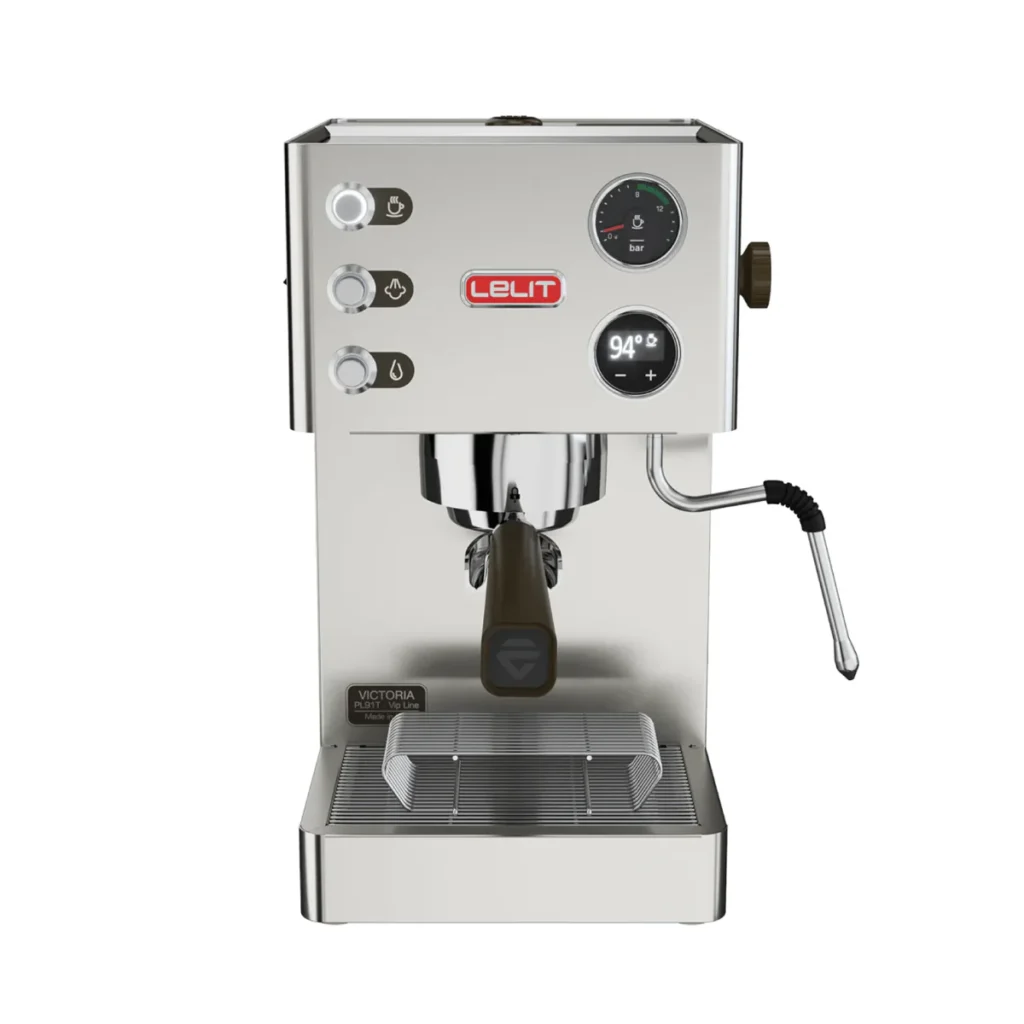
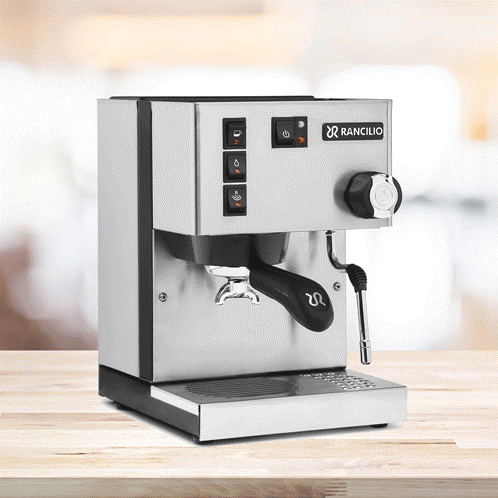
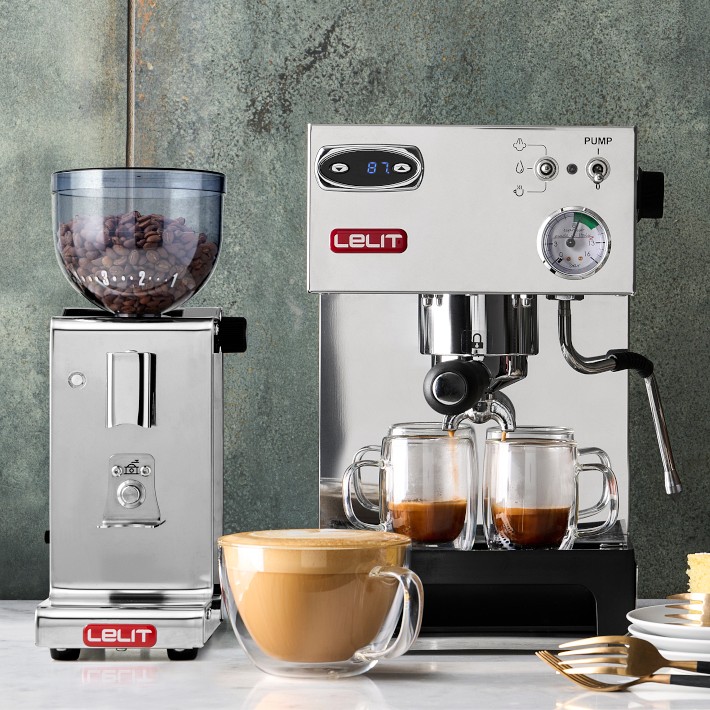
Machines like the Lelit Victoria or Rancilio Silvia sit around $700-900 and punch way above their price in capability. These machines are used by enthusiasts for years and often resold for 60-70% of the original price, which says something about durability and satisfaction. The learning curve is real, but once you understand the machine, you’re pulling cafe-quality espresso.
Premium Machines ($1500-3500): Going Serious
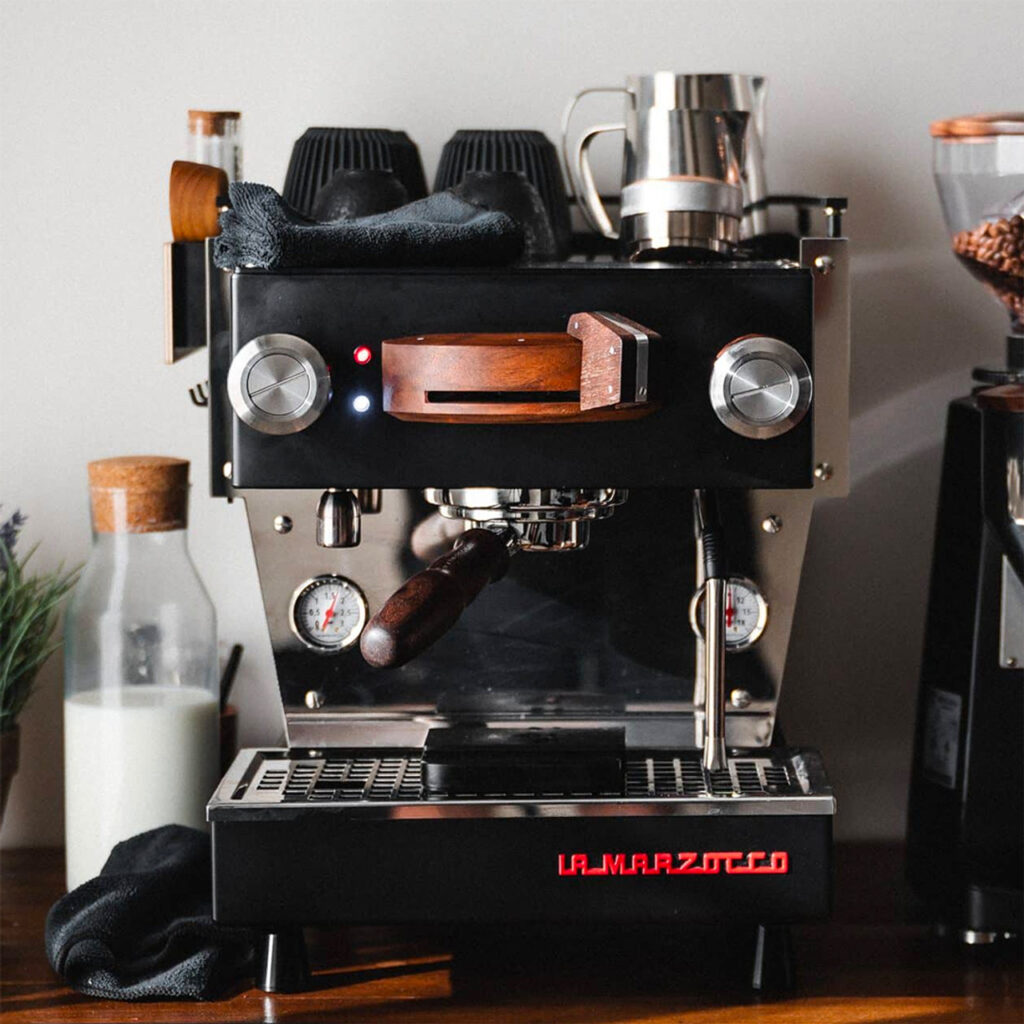
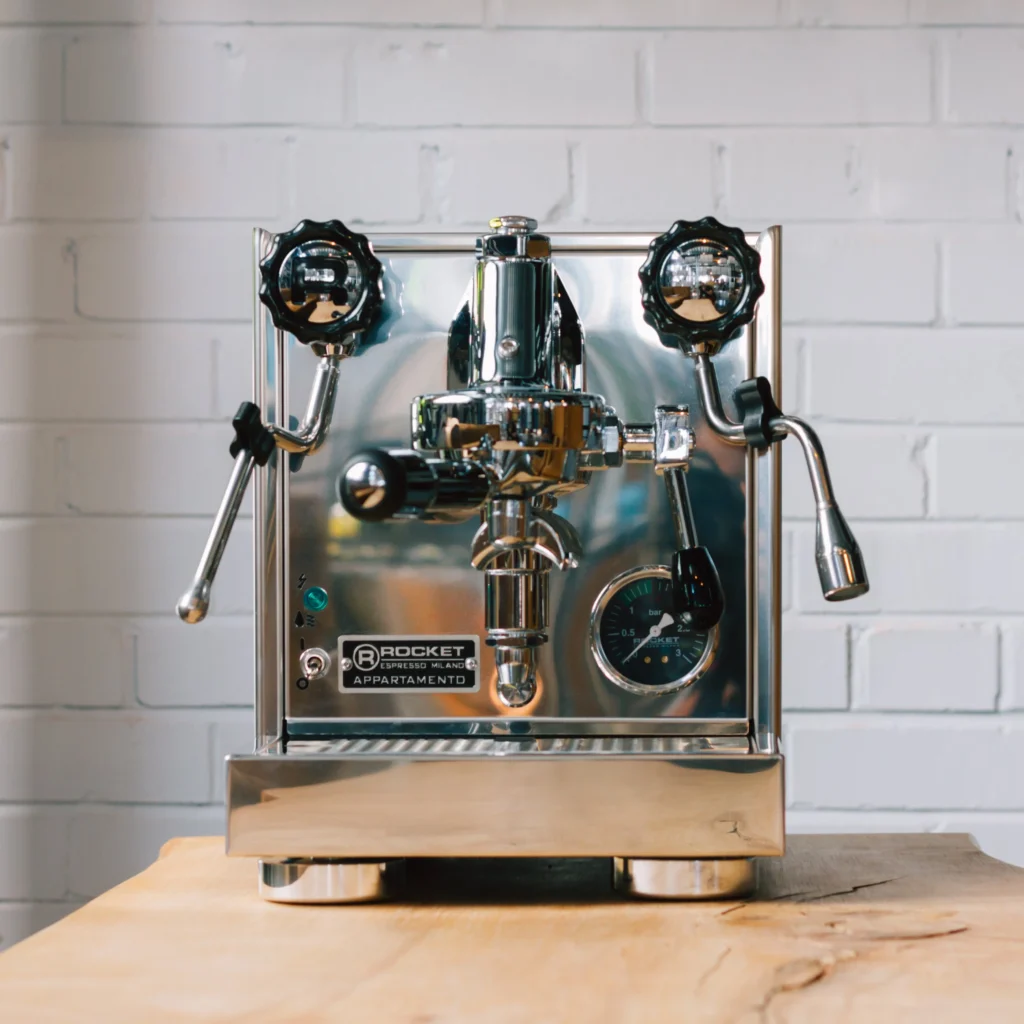
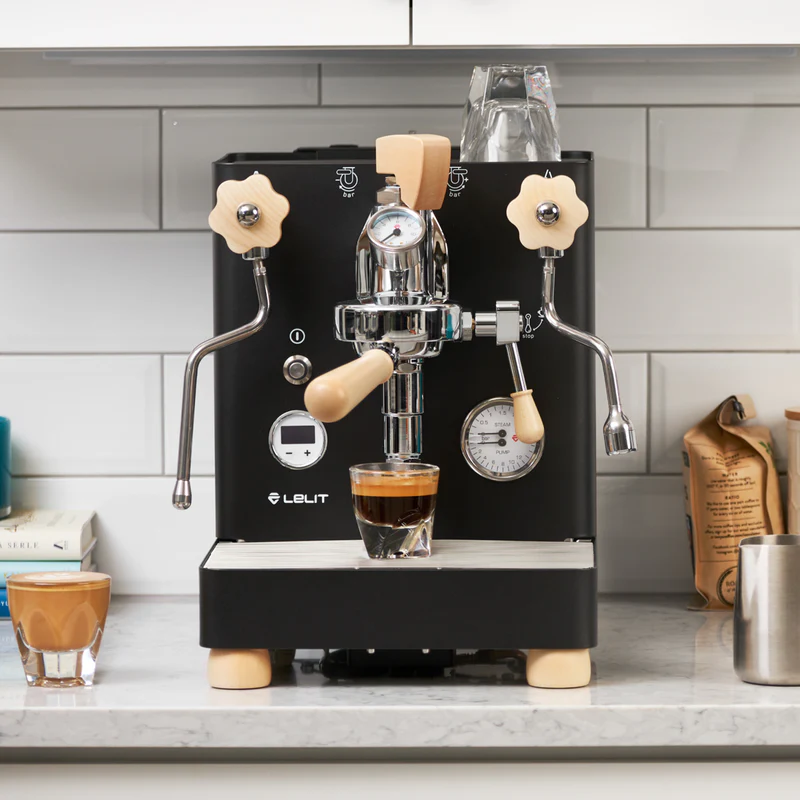
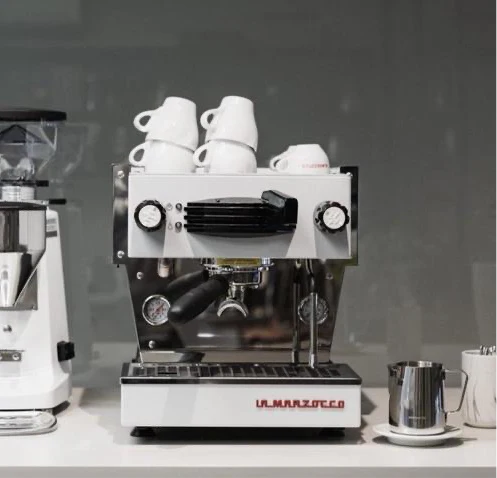
Premium home machines are where you get dual boilers, PID temperature control, pre-infusion, or manual lever action. Machines from La Marzocco’s Linea Mini, Rocket Espresso, or Lelit’s top-tier machines sit here. You’re paying significantly more, but you’re getting professional-grade consistency and often beautiful design.
At this price point, the investment makes sense if you’re making 15+ drinks per week or if espresso-making is a core hobby. The machines are more forgiving if you make small mistakes, deliver more consistent shots, and last for decades. Resale value remains strong because these machines hold up.
But be honest with yourself: if you’re only making 4-5 espressos weekly, you might be buying features you won’t fully utilize. Mid-range machines deliver 85% of the capability at 40-50% of the cost for casual users.
Professional/Prosumer Machines ($3500+): The Deep End
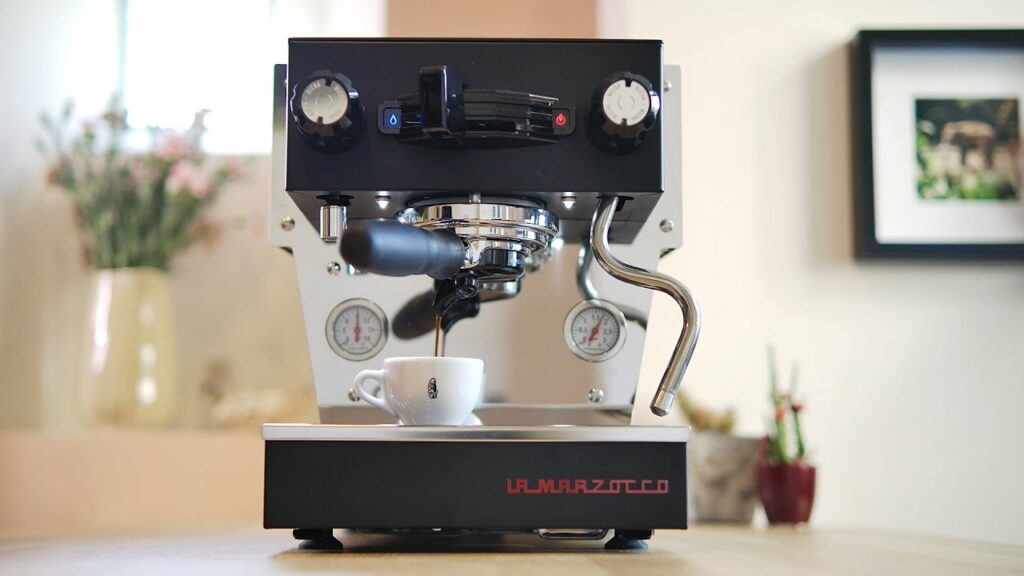
At this level, you’re looking at machines originally designed for cafes, scaled down for home use. These machines have multi-boiler systems, advanced pre-infusion, manual lever options, or specialized features. They’re genuinely beautiful pieces of equipment that become kitchen centerpieces.
Only consider this tier if espresso is a legitimate passion and daily ritual. These machines require serious counter space, professional plumbing or water systems, and your kitchen redesign might be necessary. But if this is you, machines like the La Marzocco Linea Micra are absolutely worth the investment.
What Additional Equipment Do You Actually Need?
A complete espresso machine buying guide complete must address the hidden costs and hidden necessities that buyers often overlook. The espresso machine itself is just one part of the setup.
Grinder: The Most Important Accessory You’ll Buy
You cannot dial in espresso without a good grinder. This is the single most important accessory, and it’s not close. Your espresso grinder has more impact on shot quality than your machine does, once you move past entry-level machines.
Espresso demands consistency that regular blade grinders absolutely cannot deliver. You need a burr grinder with fine adjustment capability.
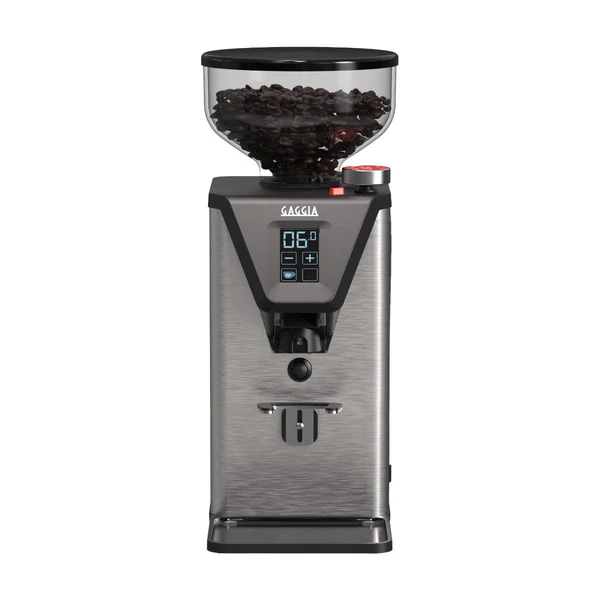
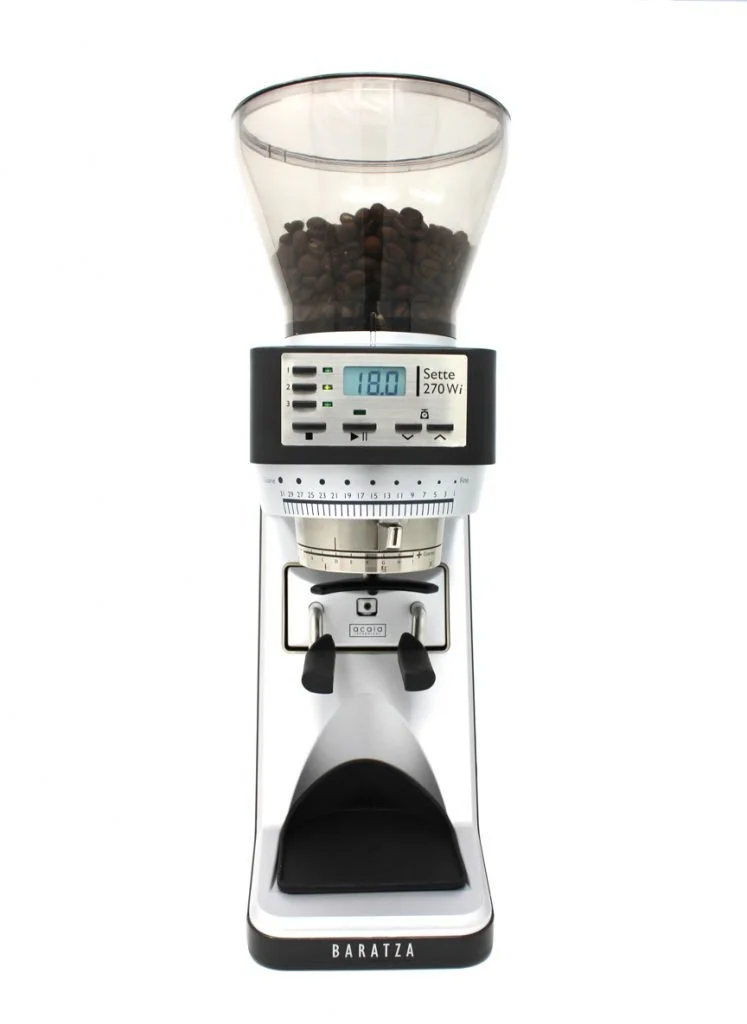
Budget recommendation: Baratza Sette 270 ($140-160) or Gaggia MDF ($90-120). These are legitimate espresso grinders that beat out many machines in their price range.
If you’re buying a $1000+ machine, your grinder should be $500+. Machines like the Eureka Mignon Specialita ($170-200) or Fellow Ode ($299) are solid mid-range options. High-end choices include the Niche Zero or Eureka Mignon Notti, which deliver professional consistency.
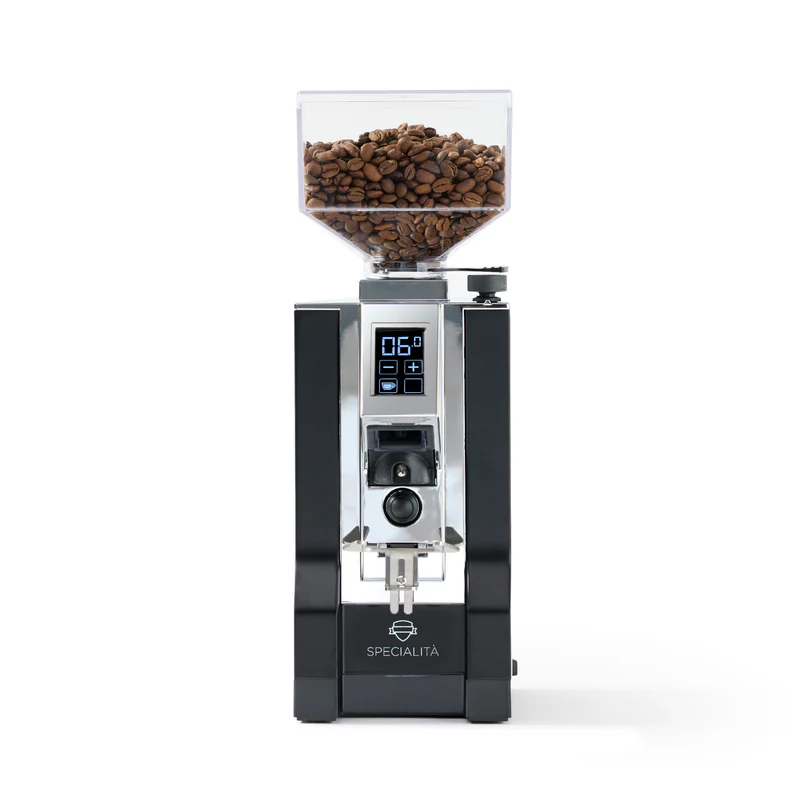
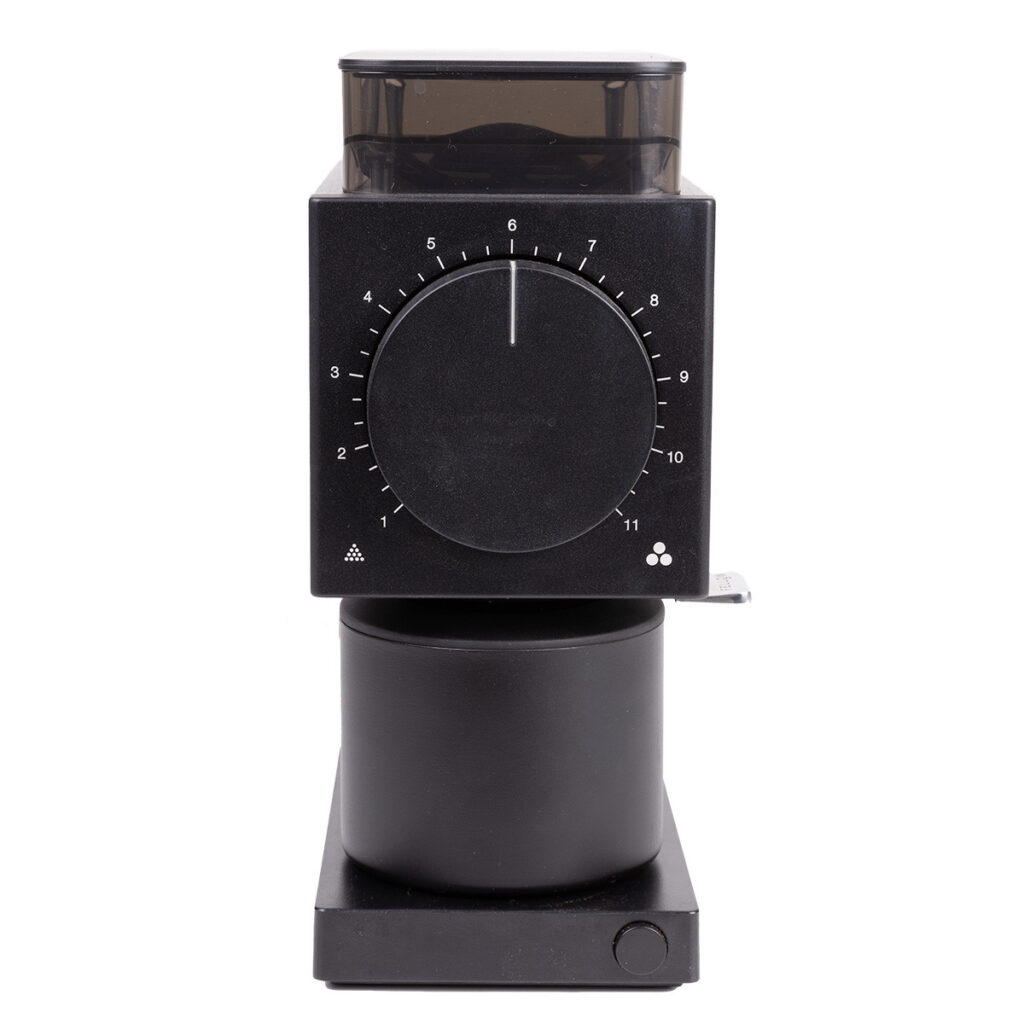
Don’t skip the grinder. Seriously. I’ve watched beginners buy $800 machines and $100 grinders and get frustrated with results, then upgrade the grinder and suddenly think their machine is incredible. The grinder is that critical.
Scales: Precision Changes Everything
Espresso relies on ratios. A typical shot pulls 18-20g of coffee into 36-40g of liquids (1:2 ratio), but that varies by bean, roast, and preference. You need a scale to dial this in properly, and you need it to be accurate to 0.1g increments.
Hario V60 scales or Acaia Pearl scales work beautifully, but they’re expensive.
- Budget option: Timemore Chestnut C2 ($50-80).
- Mid-range: Acaia Pearl ($300+). The Pearl is genuinely excellent and professionally used, but the Timemore performs 95% as well for 20% of the cost.
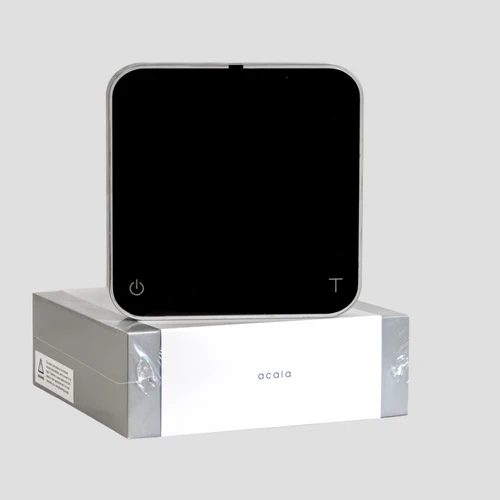
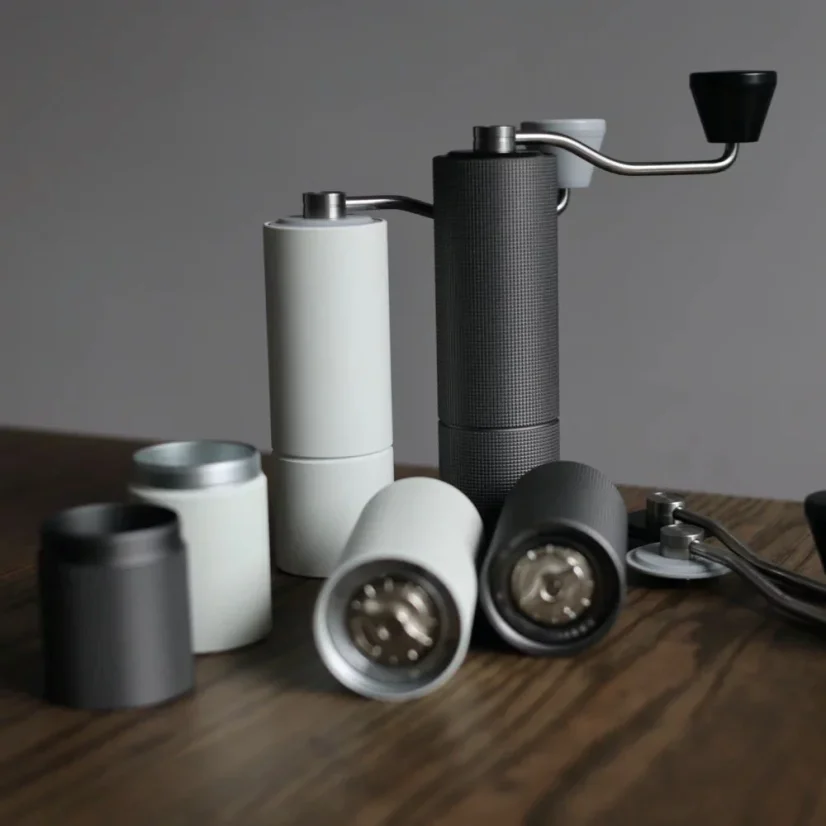
A simple kitchen scale won’t cut it—espresso needs response time and accuracy that kitchen scales lack. Invest $50-150 here, and you’ll wonder how you ever dialed in espresso without one.
Tamping Tools and Accessories
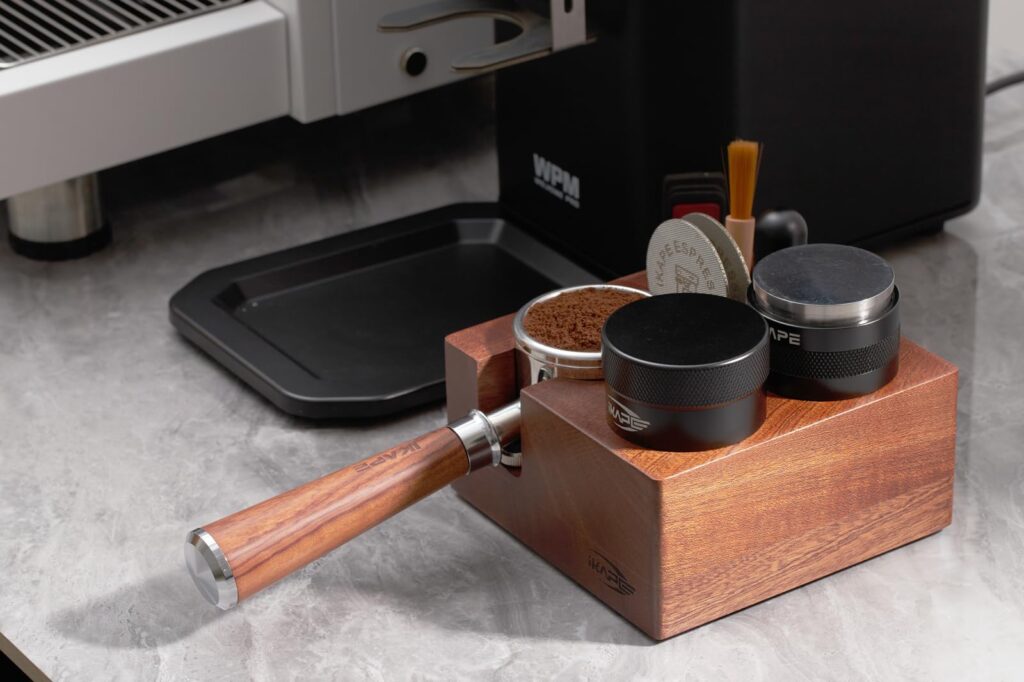
You need a proper tamper. Flat-bottomed tampers are standard and cost $20-80, depending on material and quality. You also need a distribution tool (WDT—Weiss Distribution Technique tool, or even a paperclip works) to break up clumps before tamping.
A knock box ($30-60) for spent pucks, a group head brush ($10), and cleaning supplies round out the essentials. Portafilter baskets and group seals wear out and need replacement every 1-2 years. Budget $100-150 annually for consumables.
Nice-to-haves include a PID thermometer ($40) if your machine doesn’t have one, a shower screen ($20) to ensure even water distribution, and espresso cups ($15-30 per pair). None of these are essential, but they improve the experience.
Which Brands Actually Deliver on Their Promises?
When you’re reading an espresso machine buying guide, you want brand recommendations grounded in actual experience. Here’s what I’ve learned about testing machines from across the market.
Reliable Budget-Friendly Brands
Gaggia has earned respect for machines like the Classic Pro that punch above their weight. They’ve been making espresso machines since 1902, and that heritage shows. Parts are available, the community is helpful, and the machines are hackable.
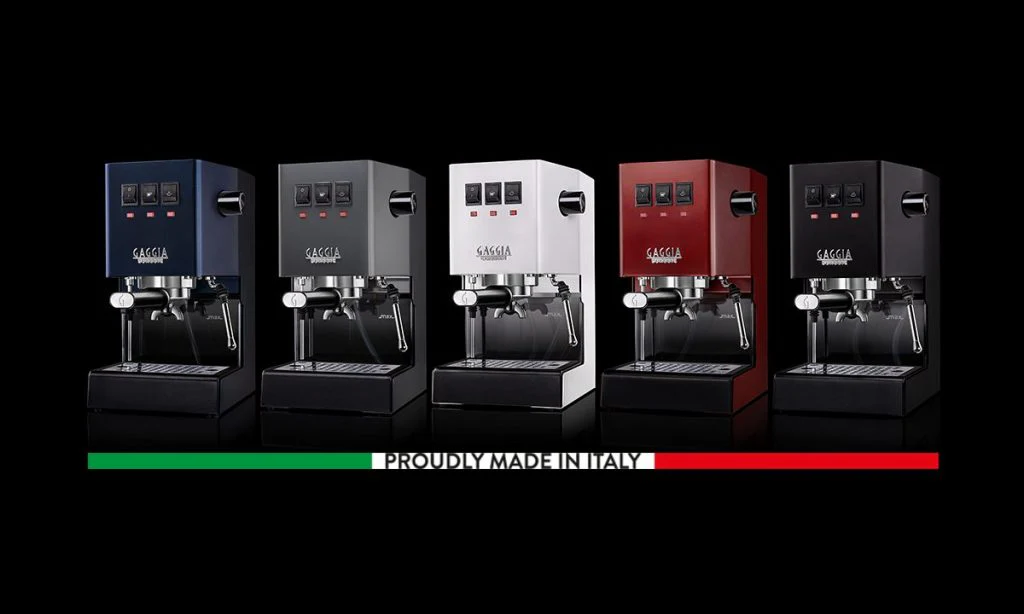
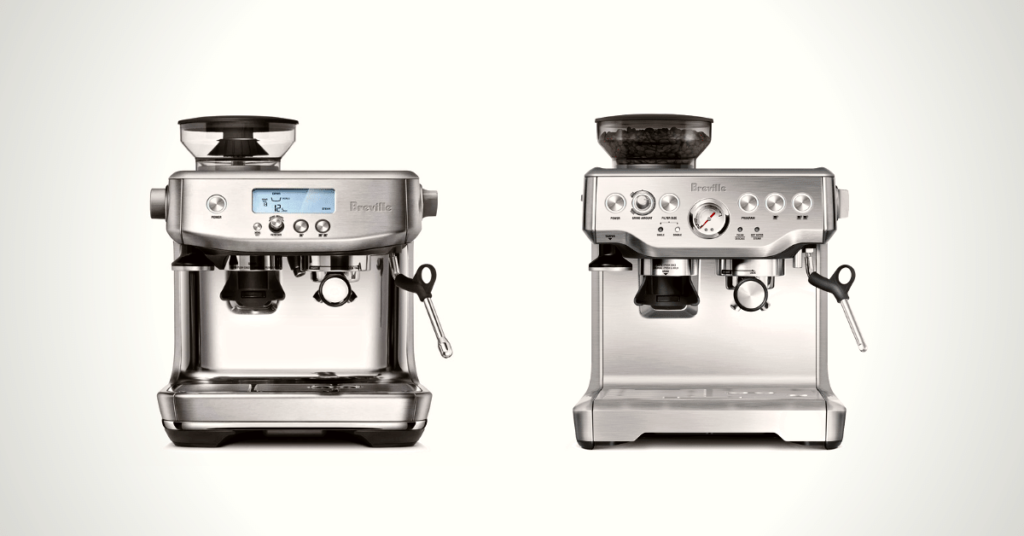
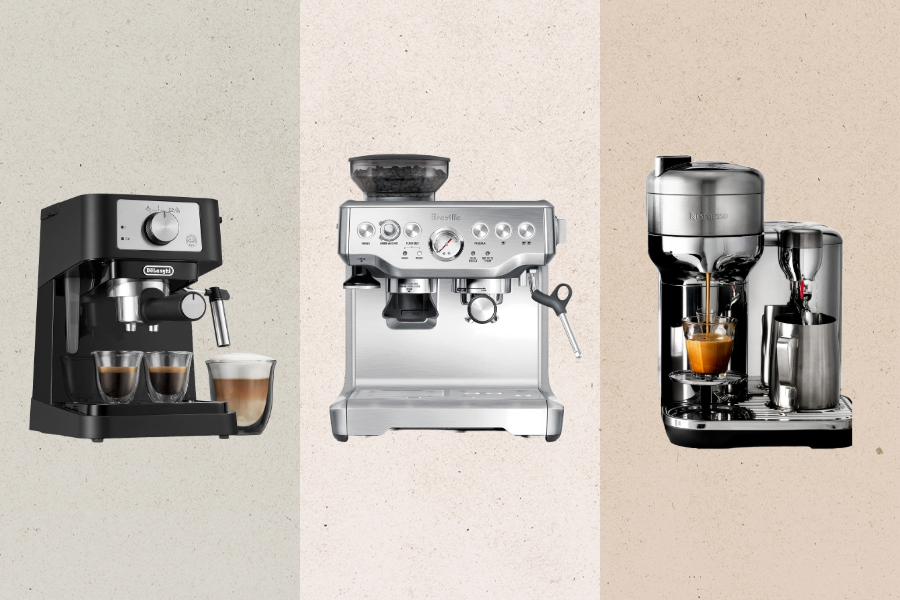
Breville delivers a polished user experience and solid engineering. Their machines aren’t the most manually adjustable, but they work reliably and look good doing it. Resale value holds up decently. Their Barista Express is a gateway drug for many home espresso enthusiasts.
Roka makes simple, durable machines. The Rokatzky or their manual machines are stripped-down and honest. What you see is what you get, without marketing hype. They’re popular in specialty coffee communities.
Mid-Range Brands Worth Serious Consideration
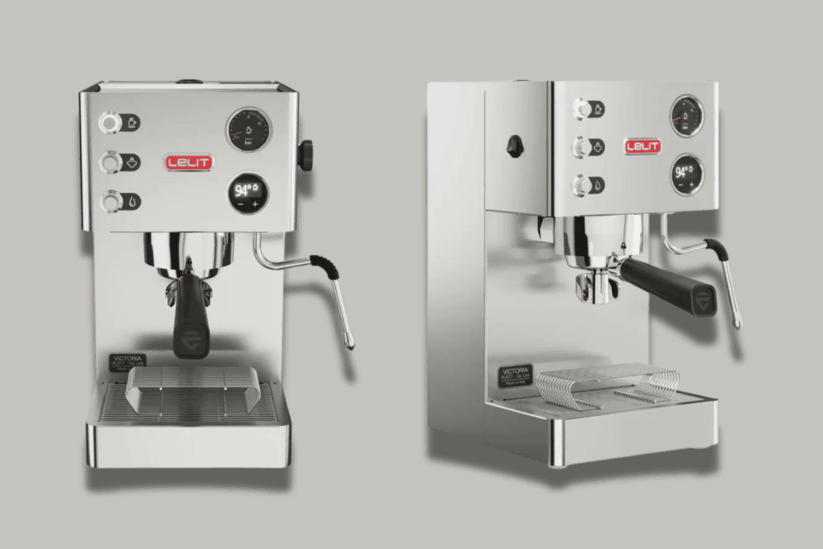
Lelit is outstanding for value. Their machines feature real engineering: proper temperature control, solid construction, and thoughtful design. The Lelit Victoria gives you thermocoil heating and actual usable pre-infusion at a price point where competitors offer neither.
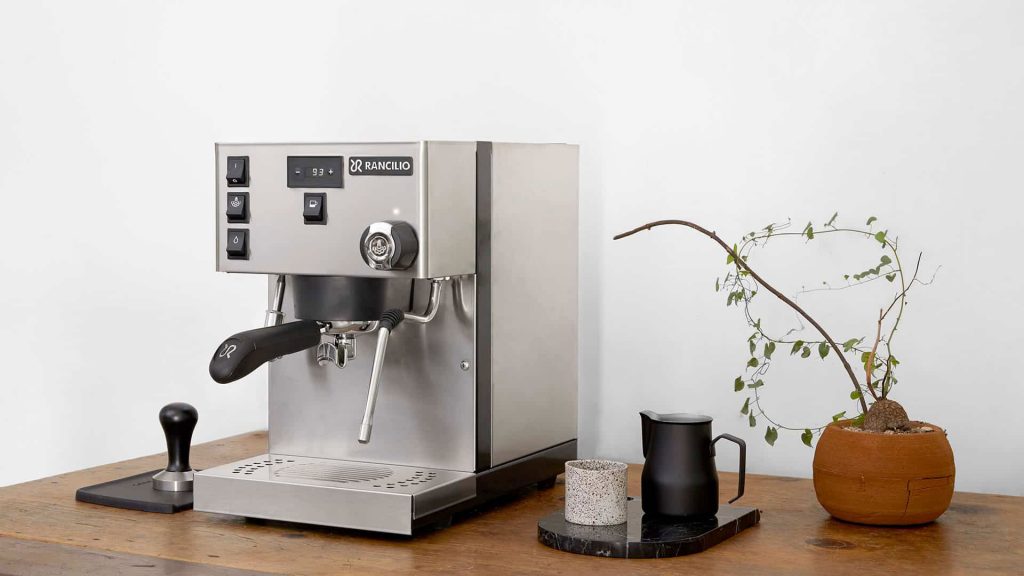
Rancilio is an Italian manufacturer with decades of cafe experience. The Silvia is an icon for good reason—it’s simple, thermal-stable, and produces genuinely excellent shots in the hands of someone who understands it. It’s not for everyone (no PID, requires understanding), but it’s absolutely respected.
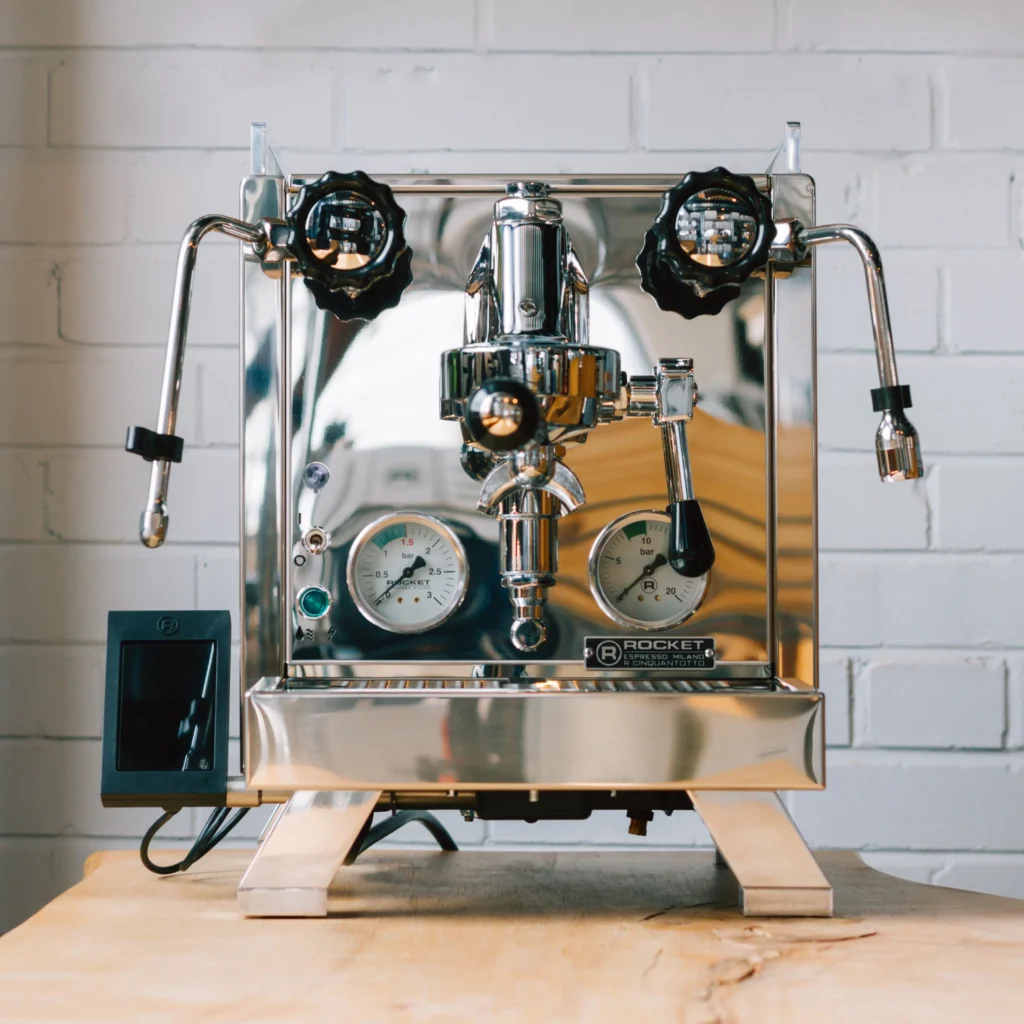
Rocket Espresso offers Italian engineering and beautiful design. Their machines are solidly made and feature good temperature management. They’re more expensive than Lelit at similar feature levels, but the craftsmanship and design justify premium pricing for some buyers.
Premium Brands That Justify Their Cost
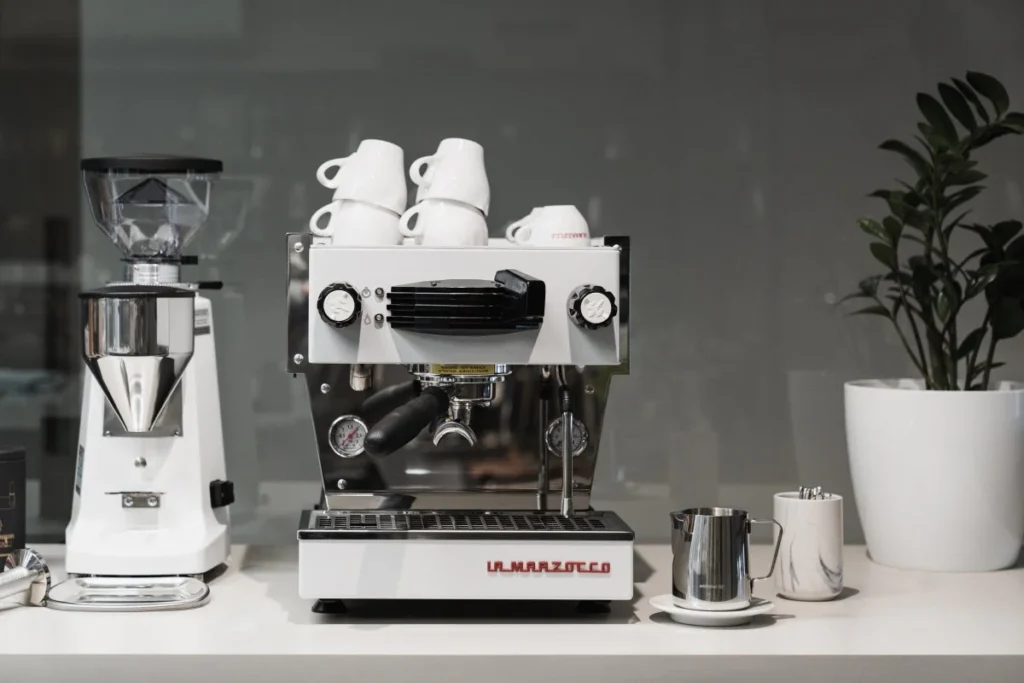
La Marzocco is the gold standard. Cafe owners worldwide use La Marzocco machines, and they make home versions that maintain that professional pedigree. Linea Mini and Linea Micra are beautiful, capable, and hold value incredibly well. Premium pricing reflects professional-grade engineering and decades of cafe espresso expertise.
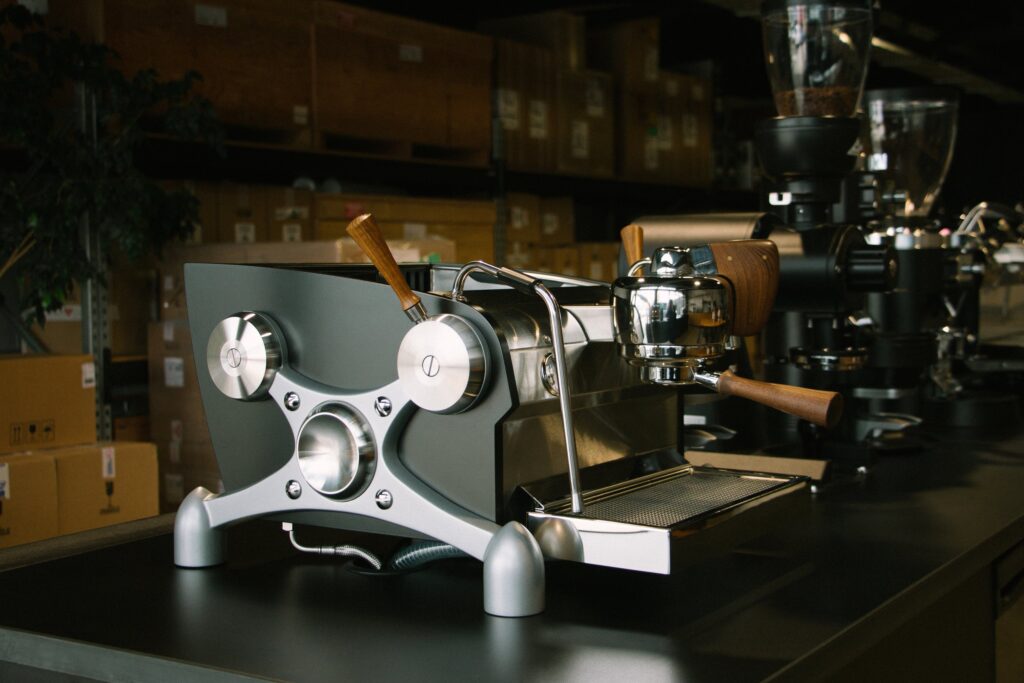
Slayer machines feature innovative flow control and are beloved by specialty coffee professionals. Their home machines are newer to the market but are earning a strong reputation among enthusiasts willing to invest in the best.
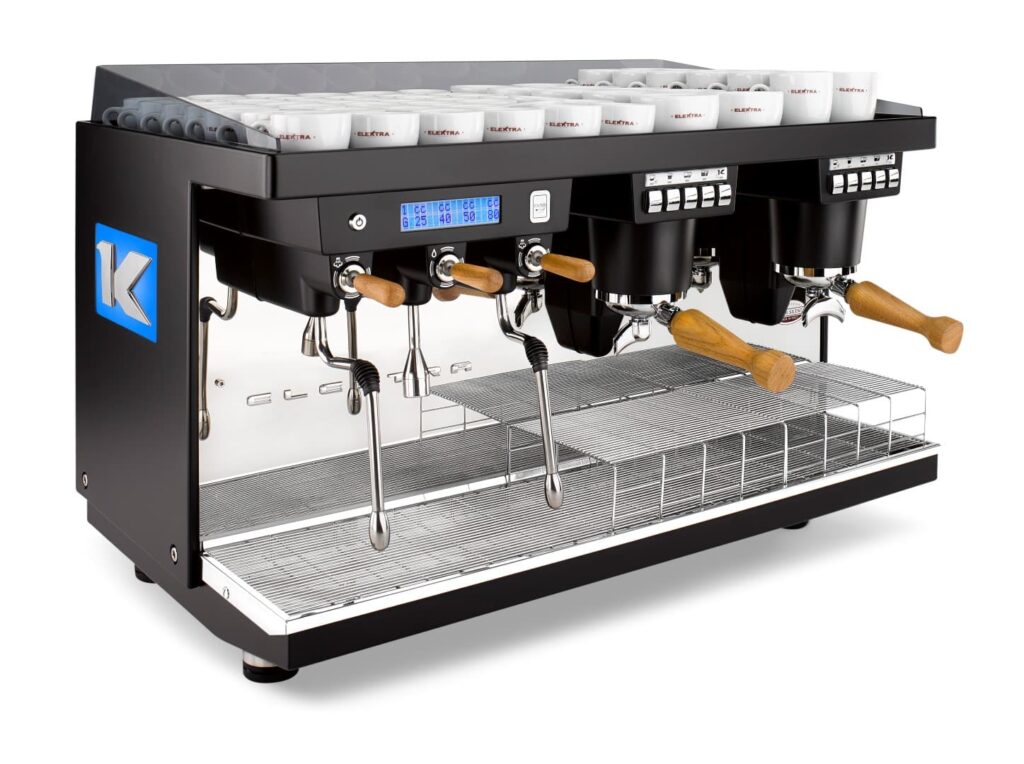
Elektra creates stunning lever machines that are more art than appliance. If you value manual control and beautiful design, Elektra machines are incredible (and expensive). They’re for espresso lovers, not espresso drinkers.
How Do You Actually Choose Between Machines You’re Considering?
You’ve read your espresso machine buying guide complete overview, narrowed down price range, and type—now comes the actual decision. This section cuts through comparison noise and gets to what matters.
Build Quality and Materials Assessment
Look for metal group heads, brass internal components, and solid construction. Plastic group heads are a warning sign. Visit the machine in person if possible—open it up, look at seals and welds, feel the weight and stability. Quality machines feel solid when you press on them.
Research user reports for failure modes. Some machines have known issues: portafilter fitting problems, recurring seal failures, or heating element issues. Reddit’s r/espresso and Home-Barista forums archive years of user experience. Spend an hour reading specific machine discussions.
Availability of replacement parts matters more than you’d think. Can you easily buy new group seals? Are baskets available? Is there a service center nearby if something breaks? Smaller brands might offer worse support than established players.
Understanding Real-World Maintenance and Learning Curve
Every machine requires understanding. Read the manual completely before buying if you can access it online. Does the temperature adjustment process make sense to you? Can you access group seals without special tools? Is cleaning straightforward or frustrating?
Machines vary wildly in user-friendliness. The Gaggia Classic requires real understanding and tinkering. The Breville Barista Express is intuitive immediately. Neither is objectively better—it depends on whether you want to tinker or want to coffee quickly.
Plan for a 2-4 week learning curve, even with good machines. Dialing in takes time. Your first week of shots will be worse than your fourth week. This is normal and expected. The machine’s role is to provide consistent conditions for learning, not to do the learning for you.
Long-Term Ownership: Resale Value and Future Upgrading
Machines in the $700-1500 range typically hold 50-70% of value after 3-5 years of use. Budget machines hold 30-40%. Premium machines often hold 70-80%. This matters if you think you might sell eventually.
Some machines become stepping stones—you own them for 2 years, then upgrade. Others are forever machines that you modify and improve over the years. Be honest about which type appeals to you. If you’re an upgrader, budget brands make sense. If you’re a long-term owner, invest more upfront in durability.
Consider future upgrades when choosing. Some machines accept PID upgrades, better baskets, or improved seals. Others are locked systems. If you might want to upgrade later, pick machines with upgrade paths.
Common Mistakes to Avoid When Buying an Espresso Machine
I’ve learned these lessons partly through experience and partly through watching others’ mistakes. When assembling your espresso machine buying guide complete strategy, avoid these pitfalls.
Mistake #1: Buying Without a Grinder or Buying the Wrong Grinder
I mentioned this before because it’s the single most common mistake. Someone buys a great machine and a $60 blade grinder. Then they struggle, get frustrated, and blame the machine. The machine was fine; the grinder was the bottleneck.
Decide now: your grinder budget should be 30-50% of your machine budget. If you’re spending $500 on a machine, spend $150-250 on a grinder. If you’re spending $1000, spend $300-500 on a grinder. This ratio ensures your bottleneck is operator skill, not equipment.
Mistake #2: Overestimating Your Daily Capacity
Enthusiasts buy dual-boiler prosumer machines, imagining they’ll be pulling shots constantly. Then reality hits—it’s actually kind of time-consuming, and you’re only making 4 drinks a week. The machine sits there, beautiful but underutilized.
Be brutally honest about your actual usage. Count current espresso drinks consumed weekly. Will that increase or stay stable? Most people overestimate by 50-100%. Recommend going down one tier from what seems reasonable.
Mistake #3: Prioritizing Looks Over Functionality
Machines are beautiful, and they live on your counter. Aesthetics matter—it actually does influence how much you use it. But functionality matters more. A machine you’ll use because it works perfectly beats a beautiful machine you’ll avoid because dialing in is frustrating.
Watch reviews from people with different experience levels. Beginners and experienced users often have different opinions. Find reviews from someone at your current skill level.
Mistake #4: Buying Without Understanding Your Water
Water quality dramatically affects espresso. Hard water can clog your machine and cause poor extraction. Soft water risks corrosion. Most machines perform best with moderately hard water (100-150 ppm) filtered for chlorine.
If you have hard water, you might need a softening system (adds expense and maintenance). If you have very soft water, you might need mineral additions. Before buying, know your water. Get it tested ($20-40 at a water testing lab or sometimes free at municipal water departments).
Mistake #5: Ignoring Community and Support
Machines with active communities offer huge advantages. Problems you encounter, others have solved. Mods are available. Help is accessible. Machines with no community support can feel isolating when things go wrong.
Check forums and subreddits before buying. Is there active discussion? Helpful moderators? Historical problem-solving? Or is it a ghost town? This actually predicts long-term satisfaction.
Comparison of Leading Machines by Price Tier
To make this espresso machine buying guide complete and actionable, here’s a snapshot comparison of legitimate contenders at different price points:
| Price Range | Machine | Type | Key Strength | Key Limitation |
|---|---|---|---|---|
| $200-350 | Gaggia Classic Pro | Single Boiler | Proven reliability, modifiable | No temperature control, inconsistent grouphead heat |
| $350-500 | Breville Barista Express | Semi-Auto | Integrated grinder, intuitive | Mediocre internal grinder, limited adjustability |
| $600-800 | Lelit Victoria | Thermocoil | Pre-infusion, proper temp control | Learning curve, no PID display |
| $700-900 | Rancilio Silvia | Single Boiler | Iconic build, thermal stability legend | No PID, requires understanding, steam priority |
| $1200-1500 | Lelit Bianca | Dual Boiler | Flow control, dual boiler precision | More complex, higher price |
| $1800-2200 | La Marzocco Linea Mini | Dual Boiler | Professional-grade, resale value | Premium pricing, overkill for casual users |
Frequently Asked Questions
Is a cheap espresso machine worth buying if I’m just starting out?
Budget machines like the Gaggia Classic Pro ($200-300) genuinely work if you’re willing to learn. The tradeoff is inconsistency and learning curve—you’ll struggle initially and pull worse shots than a better machine would produce. But you can absolutely learn espresso fundamentals and pull decent shots eventually. Only buy a budget if you’re genuinely budget-constrained; a $500-600 machine teaches espresso far more pleasantly.
How much does an espresso machine really cost to own beyond the initial purchase?
Budget $100-200 annually for consumables: group seals ($20-40), shower screens ($15-20), backflush seals ($20), cleaning supplies ($30-50), and occasional replacement baskets. Grinder burrs wear eventually, costing $50-150 every 2-3 years, depending on volume. If you have hard water, water systems add $100-300 upfront. Major repairs are rare with quality machines, but can run $200-500 if needed. Average annual cost: $150-250 for maintenance and consumables.
Should I buy a super-automatic or stick with semi-automatic?
Semi-automatics teach you espresso-making skills and give you control to dial in flavor. Super-automatics deliver consistency without involvement. For espresso lovers who care about dialing in, semi-automatics win. For people who want excellent espresso without learning, premium super-automatics (Jura, Saeco) offer surprising quality. Budget super-automatics are genuinely mediocre—avoid those entirely.
What’s the difference between single-boiler and dual-boiler machines?
Single-boiler machines have one heating system serving both brewing and steaming, requiring compromises—usually favoring steam temperature over brew precision. Dual boiler machines maintain separate optimized temperatures for brewing and steaming simultaneously. Dual-boiler machines are more expensive, heat up faster, and let you brew and then steam milk without waiting. A single boiler works fine if you’re patient or not making lattes regularly.
How do I know if a machine’s pressure gauge is accurate?
Pressure gauges can mislead. The actual pressure inside the group head might differ from the gauge reading. Professional machines get checked with sophisticated instruments. For home machines, trust track records more than gauges—if users consistently pull good shots, the pressure is probably right. A quick test: brew at the gauge’s reading and taste. Over-extracted bitter taste suggests over-pressure; under-extracted sour taste suggests insufficient pressure.
Can I use tap water in my espresso machine, or do I need special water?
Tap water works if it’s of decent quality. Very hard water clogs machines and causes mineral buildup, requiring frequent descaling. Very soft water can corrode internal components. Ideal water is moderately hard (100-200 ppm total dissolved solids), often filtered for chlorine. If your water is terrible, filter it—even a simple Brita pitcher improves it. Distilled water alone isn’t recommended because machines need some minerals.
How long does it take to learn to pull good espresso shots?
Most people can pull an acceptable espresso (you’d drink it) within 1-2 weeks. Dialing in properly—hitting consistent target flavor—takes 4-8 weeks of active practice. Real mastery, where you understand how grind, tamp, temperature, and dose interconnect and can adjust variables strategically, takes 3-6 months of regular pulling. This timeline assumes your equipment is halfway decent and you’re learning actively, not just making coffee.
Final Thoughts
Your espresso machine buying guide’s complete journey ends with a decision, but your espresso journey begins there. The machine you choose matters, but honestly, your commitment to learning matters more. A $600 Lelit with 50 hours of intentional practice will consistently outperform a $2000 La Marzocco operated by someone who just turns it on and hopes.
That said, the right machine absolutely matters. It’s the difference between learning being pleasant and learning being frustrating. Pick based on honest assessment of your budget, your actual daily usage, and what type of interaction you want with espresso-making. Do you want a ritual and hands-on experience? Pick a machine that requires engagement. Do you want consistent results with minimal thinking? Choose accordingly.
Invest in a good grinder, invest in a scale, invest in learning time. Don’t buy the most expensive machine you can afford unless you genuinely need its capabilities. The sweet spot for most home espresso enthusiasts sits in the $500-1200 range: enough quality to avoid frustration, enough complexity to feel like learning, enough cost to prevent buyer’s remorse.
And finally, enjoy the process. Espresso-making is genuinely fun once you get past the initial difficulty. Welcome to the community of people who care deeply about pulling a good shot. We’re glad you’re here.