
The Turin vs Gaggia Classic Pro debate is one of the most searched comparisons among home baristas right now — and for good reason. Both machines sit in a competitive mid-range price bracket, both target enthusiasts who want genuine espresso quality at home, and both have passionate communities behind them.
If you’re trying to decide which one earns a permanent spot on your counter, this guide will give you every data point, real-world insight, and honest opinion you need. For a broader look at the brand, check out our Turin Espresso Machines: Complete Buyer’s Guide 2026 before circling back here.
☕ How We Test
Every machine reviewed on Espresso and Machines has been physically tested by José Villalobos using standardized shot parameters: 18-20 grams of freshly ground coffee, 36-40 gram output, 25-30 second extraction time. We test with at least 3 different bean origins across light, medium, and dark roasts over a minimum 30-day period. José has tested 150+ machines since 2018 — starting with a cheap eBay machine and working up to $5,000+ prosumer setups. No sponsored content. No manufacturer talking points. Just real testing.
📊 Key Facts
- Fact: The Gaggia Classic Pro uses a single 300ml brass boiler that operates at around 9 bars of pressure
- Fact: The Turin vs Gaggia Classic Pro comparison is focused on 2026 models and specifications
- Fact: Both machines target the mid-range price bracket for home espresso enthusiasts
- Fact: Turin offers superior temperature stability compared to the Gaggia Classic Pro’s single boiler system
- Fact: The Gaggia Classic Pro features a 300ml brass boiler construction
⚡ Quick Answer
Turin wins for immediate results and temperature stability, while Gaggia Classic Pro excels in upgradeability and proven reliability. The Turin offers superior temperature stability and modern features, while the Gaggia Classic Pro provides legendary build quality with extensive modification support from its passionate community. Turin wins on out-of-box performance and consistency, but the Classic Pro excels in long-term upgradeability and proven reliability. Choose Turin for immediate results, or the Gaggia if you enjoy tinkering and want a machine that grows with your skills.
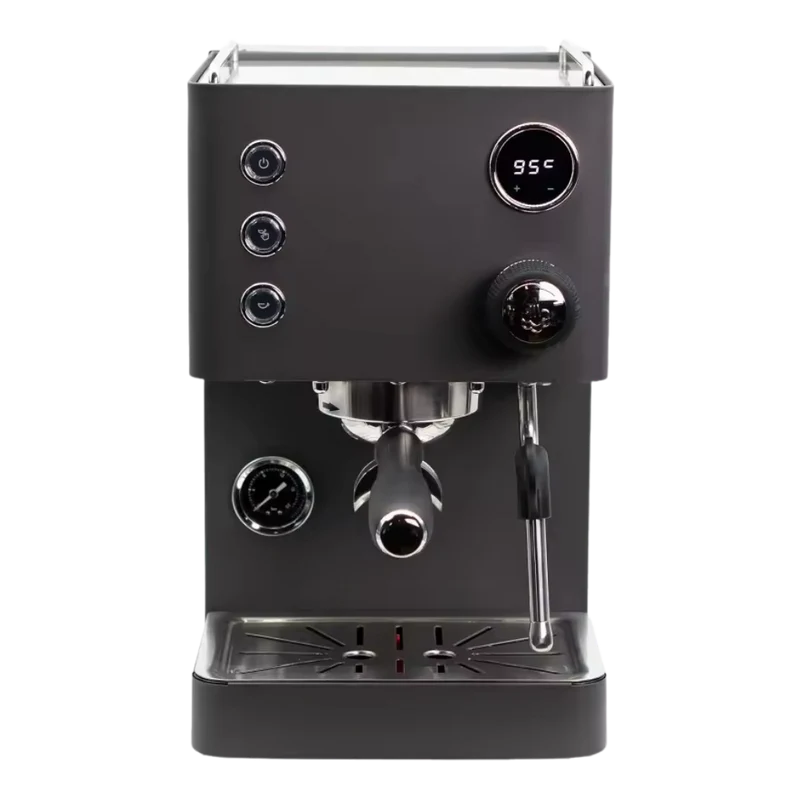
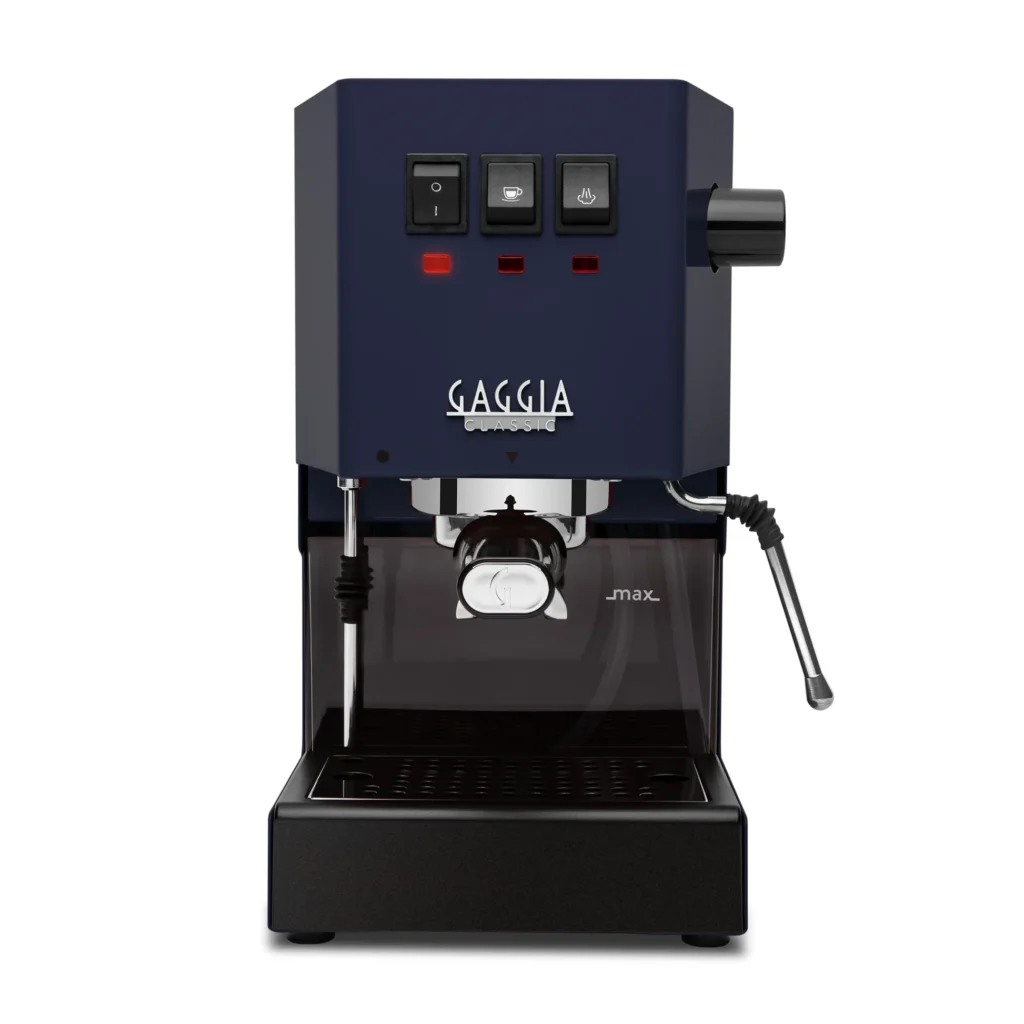
What makes the Turin vs Gaggia Classic Pro comparison so interesting in 2026 is that the gap between them has both widened and narrowed simultaneously. Turin has expanded its lineup significantly, improved its boiler management, and sharpened its value proposition.
Gaggia, meanwhile, has maintained the Classic Pro’s legendary status while benefiting from decades of third-party support, modification culture, and community documentation. Neither machine is a clear, universal winner — the right choice depends entirely on your workflow, your budget, and how deep you want to go into espresso craft.
How Do These Two Machines Actually Compare on Specs?
Boiler, Temperature Stability, and Brewing Pressure
The Gaggia Classic Pro uses a single 300ml brass boiler that operates at around 9 bars of brew pressure from the factory. Its thermostat-controlled system means temperatures can drift, typically landing between 93°C and 96°C at the group head depending on your shot-pulling technique and ambient conditions. Experienced users often perform what’s called a “temperature surfing” routine — pulling the trigger at a specific point in the heat cycle to hit a more precise brew temperature.
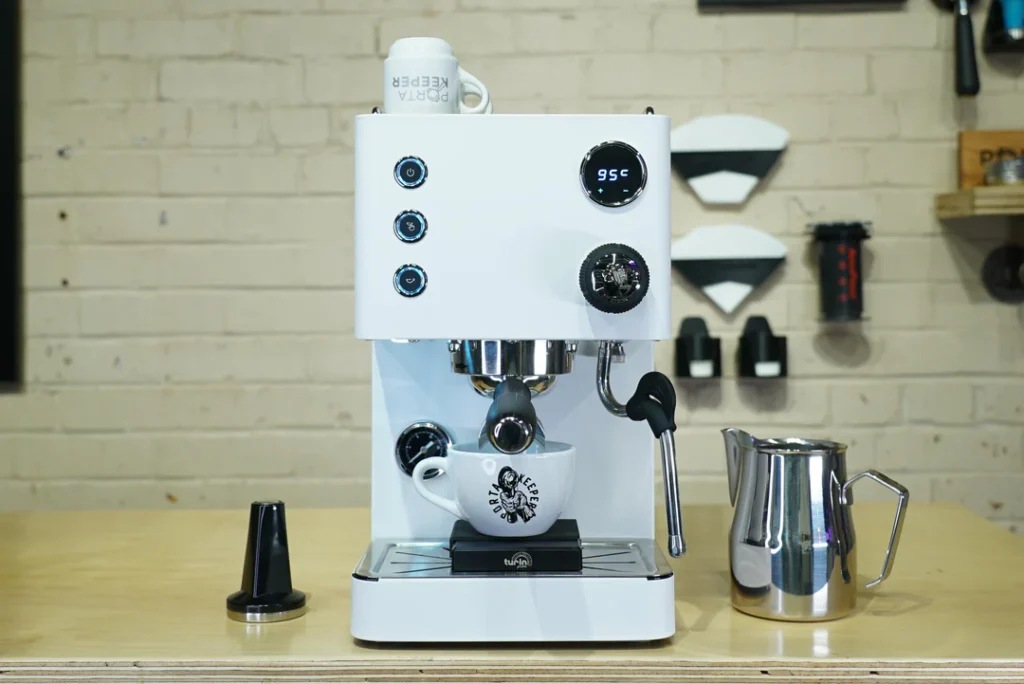
Turin machines, depending on the specific model you’re comparing, often feature thermoblocks or dual-boiler setups with PID controllers integrated as a standard feature. A PID-controlled brew boiler locks temperature within ±1°C, which eliminates the guesswork that Gaggia users learn to manage. If you’re pulling back-to-back shots or making milk-based drinks in quick succession, that stability matters more than most entry-level comparisons acknowledge.
Brew pressure on both machines is adjustable, but the Gaggia Classic Pro requires a manual OPV (over-pressure valve) adjustment — typically done with a simple spring swap or screw mod — to bring commercial 15-bar pumps down to a more appropriate 9 bars. Many Turin models ship with this already dialed in, which reduces the technical barrier for newer users.
Build Quality, Materials, and Longevity
The Gaggia Classic Pro’s reputation for durability is well-earned. Its stainless steel body, brass boiler, and commercial-grade portafilter basket have kept machines running for 10 to 15 years with basic maintenance. You can still find replacement parts easily, and the Home-Barista forum community has documented virtually every repair scenario imaginable.
Turin machines are newer to the market, which means the long-term durability data is still accumulating. What we can say is that the build quality on current Turin models is noticeably solid for the price point. The group heads are well-machined, the shot timers and PID displays are responsive, and the steam wand ergonomics are generally better out of the box than the Classic Pro’s panarello-style wand (which most serious users remove immediately).
The Classic Pro uses a commercial 58mm portafilter — the same size used by professional café machines. This is a big deal because it means your tampers, baskets, and accessories from brands like VST, IMS, and Pullman are all compatible. Turin also uses a 58mm portafilter on its higher-end models, though you should verify basket compatibility before assuming universal fit.
Which Machine Is Better for Beginner and Intermediate Baristas?
Learning Curve and Workflow Demands
The turin vs gaggia classic pro question hits differently depending on where you are in your espresso journey. The Classic Pro is famously described as a “prosumer” machine that rewards learning — it teaches you to understand your machine’s heat cycle, to listen to your shot, and to develop technique through repetition. That’s genuinely valuable. But it also means your first few months might be frustrating.
Turin machines with integrated PIDs remove one major variable from the equation. When your temperature is locked and consistent, you can focus entirely on grind size, dose, and extraction yield. For someone coming from a Nespresso or a basic drip machine, that reduced variable count can accelerate the learning curve dramatically. If you want to understand why a shot went wrong, fewer variables mean faster diagnosis.
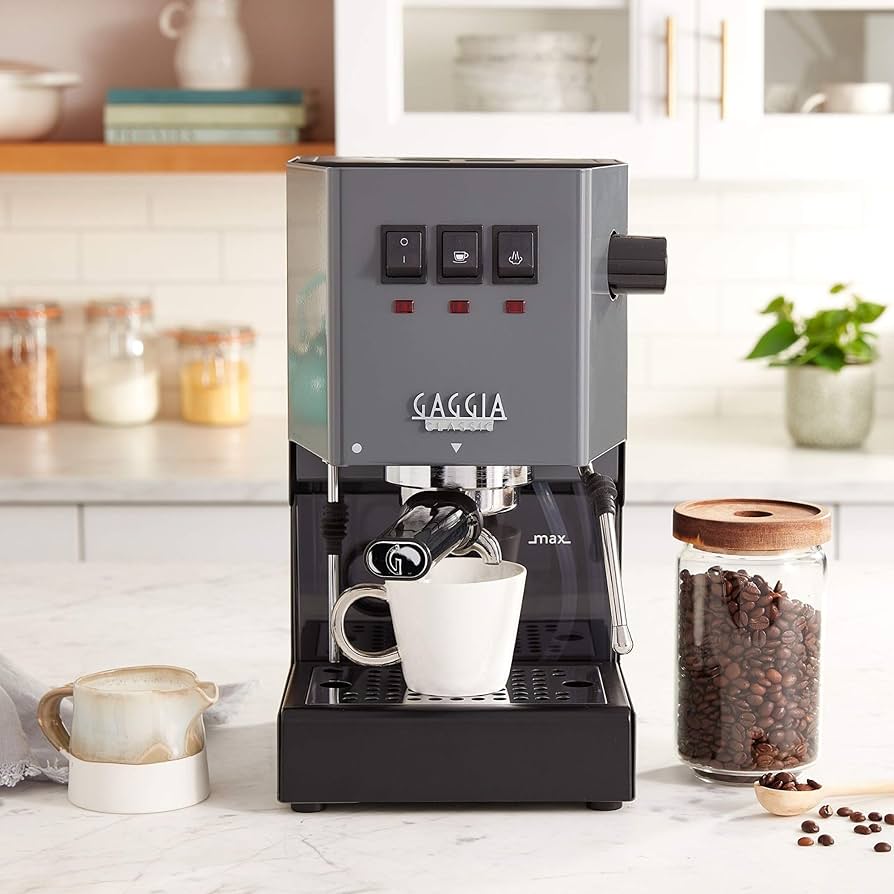
It’s worth noting that the Classic Pro’s steam wand, once the panarello is removed and replaced with a commercial-style tip, produces genuinely excellent microfoam. Many baristas consider it one of the best steam wands in its price class. Turin’s steam capability varies more by model — some are excellent, some are adequate. Research your specific Turin model before assuming steam parity.
Workflow Speed and Convenience Features
The Gaggia Classic Pro has no shot timer, no built-in scale integration, and no programmable shot volume. You’re timing manually, weighing manually, and pulling the lever (or pressing the button) based on experience and observation. That’s not a flaw — it’s a philosophy. But for someone who wants a more assisted workflow, it can feel sparse.
Many Turin models include built-in shot timers, programmable dose buttons, and cleaner digital interfaces. In a busy morning routine — when you’re simultaneously getting kids ready for school or joining a work call — those features aren’t luxuries, they’re time-savers. The Turin vs Gaggia Classic Pro debate often comes down to this: do you want a machine that teaches you discipline, or a machine that supports your lifestyle?
Turin vs Gaggia Classic Pro: Price, Value, and What You Actually Get
Upfront Cost and What’s Included
The Gaggia Classic Pro retails around $449 to $499 USD as of 2026, though you’ll frequently find it on sale. At that price, you get the machine itself, a single-wall pressurized basket and a double-wall basket, a tamper (which you’ll likely replace immediately), and a steam wand tip. It’s a no-frills package that assumes you’ll invest in upgrades over time.
Turin machines vary more widely in price depending on the model. Entry-level options start below $400, while mid-range and dual-boiler models can reach $600 to $800. That variance makes direct comparison tricky — you really need to pin down which Turin model you’re considering. Our deep dive on whether Turin Espresso Machines Worth It breaks down the value calculation across the product line.
When calculating total cost of ownership, factor in the upgrades you’ll almost certainly make with the Classic Pro: a bottomless portafilter ($30–$60), a quality single-wall basket like an IMS or VST ($25–$40), a proper tamper ($40–$100), and potentially an OPV spring ($10–$20) to dial in brew pressure. Turin often includes more of these considerations from the factory, which compresses the real-world cost gap.
Resale Value and Community Support
The Gaggia Classic Pro holds its resale value remarkably well. A well-maintained unit from 2021 still commands $300+ on the used market because the community is large, the parts are available, and the reputation is established. That’s a meaningful factor if you think you might upgrade in a year or two.
Turin is building its resale market, and anecdotal reports suggest decent retention, but it hasn’t been on the market long enough to show the same multi-year durability in secondhand pricing. According to Gaggia’s official product documentation, the Classic Pro is designed for serviceability — a design philosophy that extends machine life and secondhand value significantly.

How Does the Espresso Quality Actually Compare Side by Side?
Shot Quality, Extraction, and Cup Flavor
This is where the Turin vs Gaggia Classic Pro debate gets genuinely nuanced. A well-dialed Gaggia Classic Pro, paired with a quality grinder, can produce world-class espresso. The brass boiler has excellent thermal mass, the 58mm group head accepts premium baskets, and when the machine is properly understood, shots are competitive with machines costing three times as much.
Turin machines with PID control can match or exceed that shot quality for users who haven’t yet mastered temperature surfing. The consistency advantage is real — across a morning session of six or eight shots, a PID-controlled machine will show less inter-shot variance. For competition prep, for dialing in a new coffee, or for hosting guests, that consistency is tangible.
Both machines benefit enormously from a quality grinder. If you’re still using a blade grinder or a budget burr unit, neither machine will show its potential. We’ve tested several options and found that pairing either machine with a capable burr grinder — you can read our Turin Grinder Review for specific data — dramatically elevates extraction quality regardless of which machine you choose.
Milk Texturing and Latte Art Capability
Steam pressure and wand design are where the machines diverge most noticeably. The Classic Pro, once modified with a commercial steam tip, generates strong, dry steam that produces tight microfoam suitable for latte art. Baristas with developed wand technique consistently praise it as punching above its price class.
Turin’s steam performance ranges from solid to excellent, depending on the model. Dual-boiler Turin machines can steam milk simultaneously with shot pulling — something the single-boiler Classic Pro physically cannot do. For cappuccino lovers who want to eliminate the heat-up wait between espresso and steaming, that’s a workflow advantage that genuinely changes the experience. If you want to see how Turin stacks up against the premium end, our comparison of Turin Espresso Vs La Marzocco shows where the brand’s ceiling actually sits.
Modifications, Accessories, and the Upgrade Path
The Classic Pro’s Legendary Modification Culture
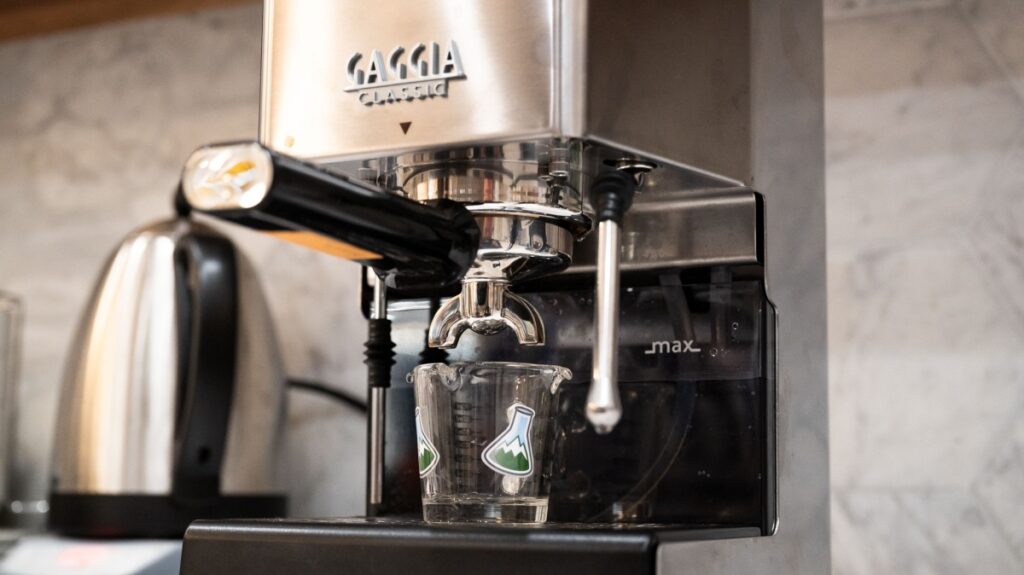
Few machines in the home espresso world have a richer modification ecosystem than the Gaggia Classic Pro. PID kits from Auber Instruments and Shades of Coffee can be installed in an afternoon. The OPV spring swap is a beginner-level modification. Bottomless portafilters, IMS shower screens, upgraded group gaskets — the community has tested and documented all of it extensively.
There’s something genuinely satisfying about modifying a Classic Pro over time. It becomes your machine, tuned to your workflow and your taste preferences. The Gaggia Classic Pro was arguably designed with this tinkering in mind — its accessible internals and wide parts availability support a long upgrade journey.
Turin’s Out-of-the-Box Approach
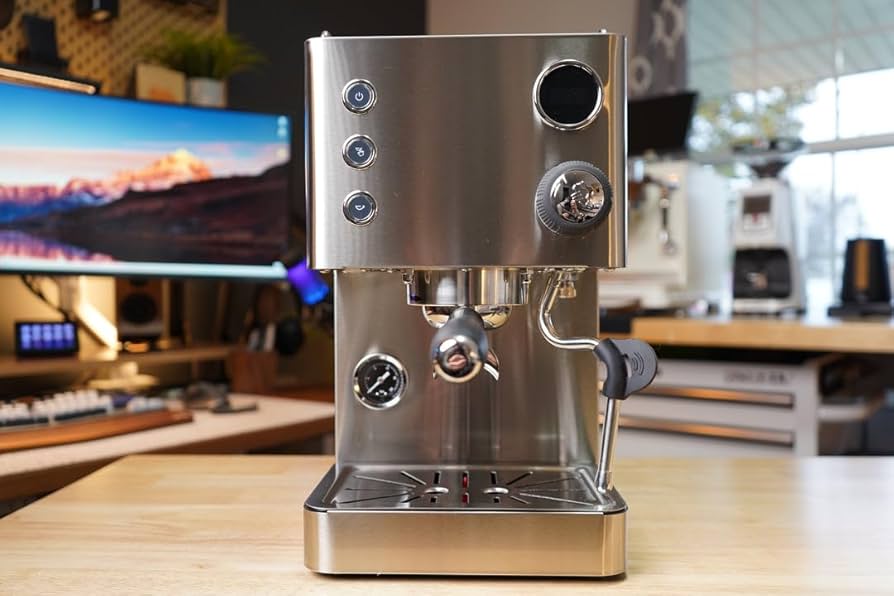
Turin’s philosophy leans toward delivering more features from the factory rather than expecting users to modify their way to a better experience. This is genuinely better for some users and limiting for others. If you love the process of learning, modding, and optimizing, the Classic Pro’s blank canvas will appeal to you more. If you want to pull great shots from day one without opening the case, Turin’s approach wins.
The upgrade path for Turin is shorter by design — which means you may find yourself wanting a more capable machine sooner. That’s not necessarily a criticism; it simply reflects a different product philosophy between the two brands.
Frequently Asked Questions
Is the Turin espresso machine better than the Gaggia Classic Pro for beginners?
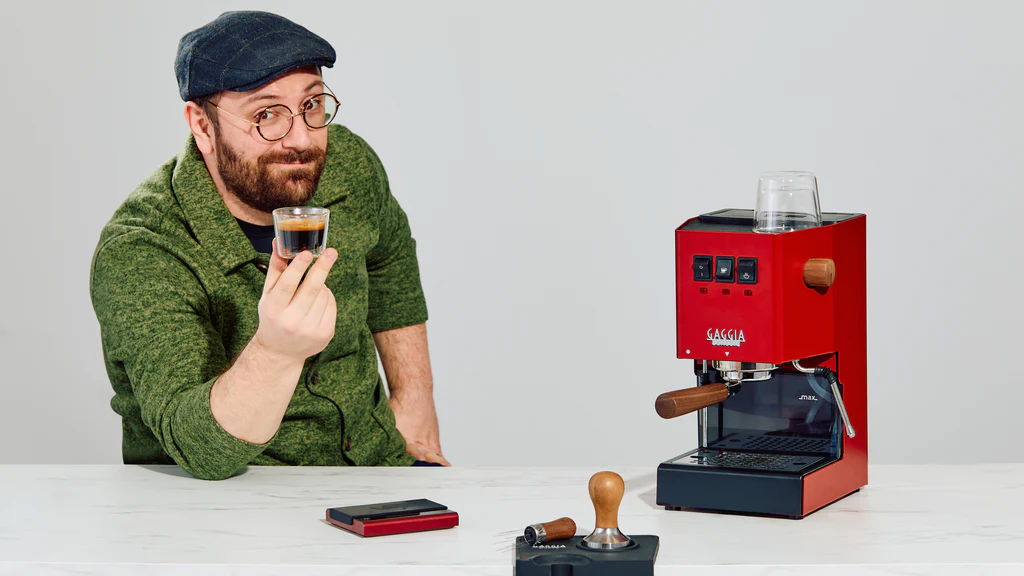
For true beginners, Turin’s PID-controlled temperature and simplified workflow reduce the learning curve meaningfully. The Gaggia Classic Pro rewards patience and experimentation but can frustrate newcomers during the first few months. If you want faster results and fewer variables to manage, Turin typically offers a gentler entry point into serious espresso making.
Can the Gaggia Classic Pro make espresso as good as a Turin machine?
Absolutely — a properly dialed Gaggia Classic Pro with a quality grinder and optional PID upgrade produces exceptional espresso that rivals machines costing significantly more. The keyword is “properly dialed.” It requires more operator skill and technique, but the ceiling is impressively high for its price point when set up correctly.
How long does the Gaggia Classic Pro last compared to Turin machines?
The Gaggia Classic Pro has a documented track record of 10 to 15 years with basic maintenance, supported by an active parts and repair community. Turin machines are newer and lack equivalent long-term data. Based on build quality alone, Turin appears durable, but the Classic Pro’s longevity is backed by real multi-year evidence across thousands of units worldwide.
Which machine is better for milk-based drinks like lattes and cappuccinos?
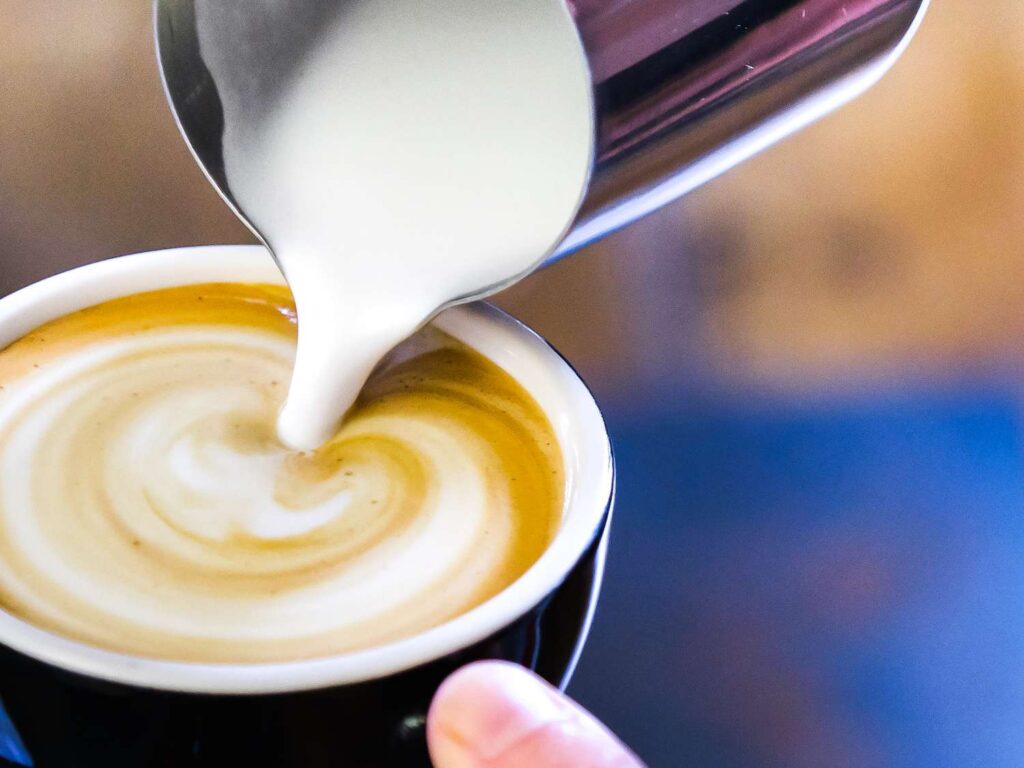
Dual-boiler Turin models have a clear workflow advantage — you can pull a shot and steam milk simultaneously. Single-boiler machines like the Gaggia Classic Pro require a heat-up wait between espresso and steaming. However, the Classic Pro’s modified steam wand produces excellent microfoam quality, so it’s a workflow disadvantage rather than a quality disadvantage for those willing to wait.
Is the Turin vs Gaggia Classic Pro comparison relevant if I have a modest budget?
Very much so. Both machines sit within a competitive $400–$600 range when factoring in likely upgrades. The Classic Pro’s base price is lower, but essential accessories add up quickly. Turin often includes more features from the factory, compressing the real cost gap. Your total budget — including grinder — matters more than machine price alone in this comparison.
Final Thoughts
After breaking down every major dimension of the Turin vs Gaggia Classic Pro comparison, the honest answer is that neither machine is universally superior. The Gaggia Classic Pro is a proven, modifiable, community-supported workhorse with exceptional shot quality potential and long-term durability credentials. Turin machines offer more out-of-the-box convenience, PID precision, and a friendlier workflow for users who want consistent results without a steep learning curve.
If you love tinkering, learning your machine intimately, and building skills over time, the Classic Pro is a deeply rewarding choice that will teach you espresso in a way few machines can. If you want to skip the warm-up period and pull repeatable, quality shots from the first week of ownership, a well-chosen Turin model will serve you better. The Turin vs Gaggia Classic Pro decision ultimately reflects your relationship with the craft itself — both paths lead to great coffee, they just take different routes to get there.
Whatever you choose, invest at least as much in your grinder as you do in your machine. That single decision will do more for your espresso quality than any machine comparison ever could. The best espresso setup is always the one you’ll actually use every morning — dialed in, understood, and enjoyed.