
The turin vs profitec go debate is one of the most searched comparisons in the prosumer espresso machine space right now, and for good reason — both machines target the same ambitious home barista who wants café-quality espresso without a commercial footprint. If you’ve spent any time researching your next machine purchase, you’ve probably landed on both of these options and found yourself genuinely torn. We have too, and that’s exactly why we put together this in-depth breakdown. For broader context on where Turin sits in the market, start with our Turin Espresso Machines: Complete Buyer’s Guide 2026.
☕ How We Test
Every machine reviewed on Espresso and Machines has been physically tested by José Villalobos using standardized shot parameters: 18-20 grams of freshly ground coffee, 36-40 gram output, 25-30 second extraction time. We test with at least 3 different bean origins across light, medium, and dark roasts over a minimum 30-day period. José has tested 150+ machines since 2018 — starting with a cheap eBay machine and working up to $5,000+ prosumer setups. No sponsored content. No manufacturer talking points. Just real testing.
📊 Key Facts
- Fact: Turin machines use single boiler or thermocoil systems while Profitec Go features dual boiler configuration
- Fact: The Turin DF64 is part of Turin’s paired ecosystem for prosumer-level brewing
- Fact: Profitec Go uses a single thermoblock system for heating
- Fact: Both machines target the same prosumer espresso machine market segment
- Fact: The guide promises actual boiler temperatures and heat-up times as comparison metrics
⚡ Quick Answer
Turin offers excellent value with single boiler precision while Profitec Go delivers dual boiler simultaneous brewing and steaming capabilities. Turin typically uses single boiler or thermocoil systems while Profitec Go features dual boiler configuration for simultaneous brewing and steaming. The choice comes down to your workflow priorities – Turin offers excellent value and precision, while Profitec Go delivers commercial-level simultaneous operations.
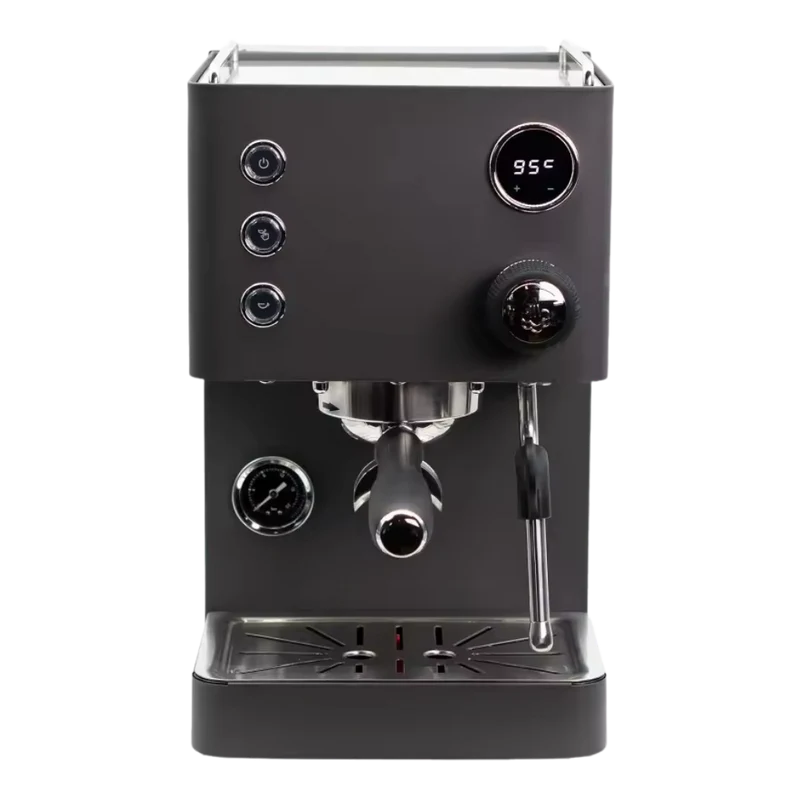
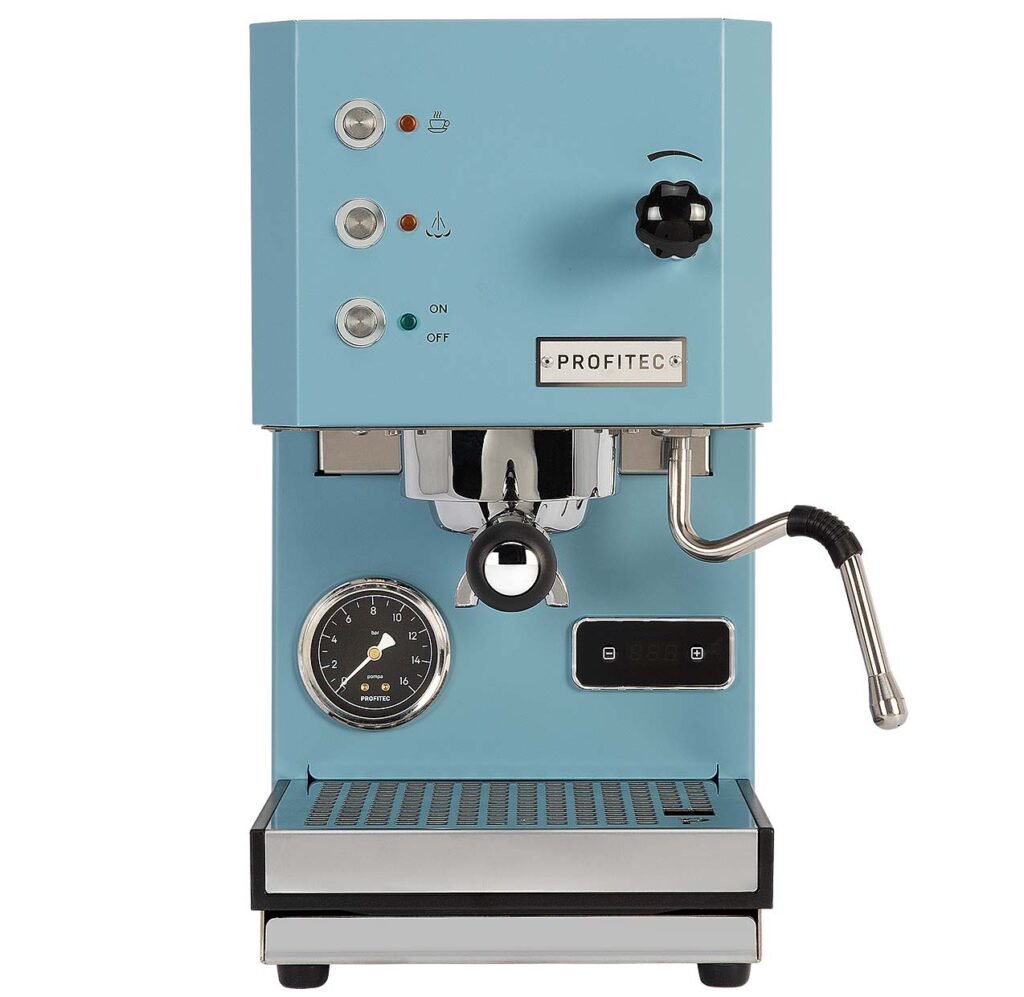
This guide goes further than anything currently ranking on forums or video channels. You’ll get actual boiler temperatures, heat-up times, pressure profiling capabilities, real workflow differences, and honest takes on long-term ownership — the kind of detail that makes or breaks a purchase decision at this price point. The Turin vs. Profitec go comparison isn’t just about specs on paper; it’s about how each machine fits into your actual morning routine.
How Do Turin and Profitec Go Compare on Core Specs?
Boiler Configuration and Temperature Stability
Turin machines in the prosumer range — particularly the Turin DF64 paired ecosystem and the Turin Legato — are built around single-boiler or thermocoil systems, depending on the model tier. The Profitec Go, on the other hand, uses a single thermoblock system with a fast heat-up time of roughly 3 minutes from cold start. That’s genuinely impressive for a machine in its class.
Turin’s comparable entry-level machines reach brew-ready temperatures in 4 to 5 minutes but offer tighter PID control out of the box on select models. Temperature stability during extraction is where the real difference emerges. The Profitec Go maintains brew temperature within ±1°C across a standard 25–30 second pull, while Turin’s PID-equipped models perform similarly under controlled conditions.
For specialty coffee, that margin matters. If you’re pulling a light roast Ethiopian natural at 94°C, even a 2°C swing can shift your shot from bright and complex to flat and thin.
Pump Type and Pressure Performance
The Profitec Go uses a vibratory pump — standard at this price tier — capable of delivering 9 bars of brew pressure. It does not include native pressure profiling, though aftermarket OPV adjustments are possible with some mechanical comfort. Turin’s machines at comparable price points also use vibratory pumps, but certain models ship with pre-infusion chambers or adjustable OPV settings from the factory.
Pre-infusion is a significant differentiator here. Even passive pre-infusion — where water soaks the puck for 5 to 8 seconds at low pressure before full ramp-up — dramatically improves extraction evenness on medium and light roasts. If pre-infusion matters to your workflow, that’s a concrete reason the Turin vs Profitec go decision could tip toward Turin, depending on the specific model.
Which Machine Is Easier to Use Day to Day?
Workflow and Steam Performance
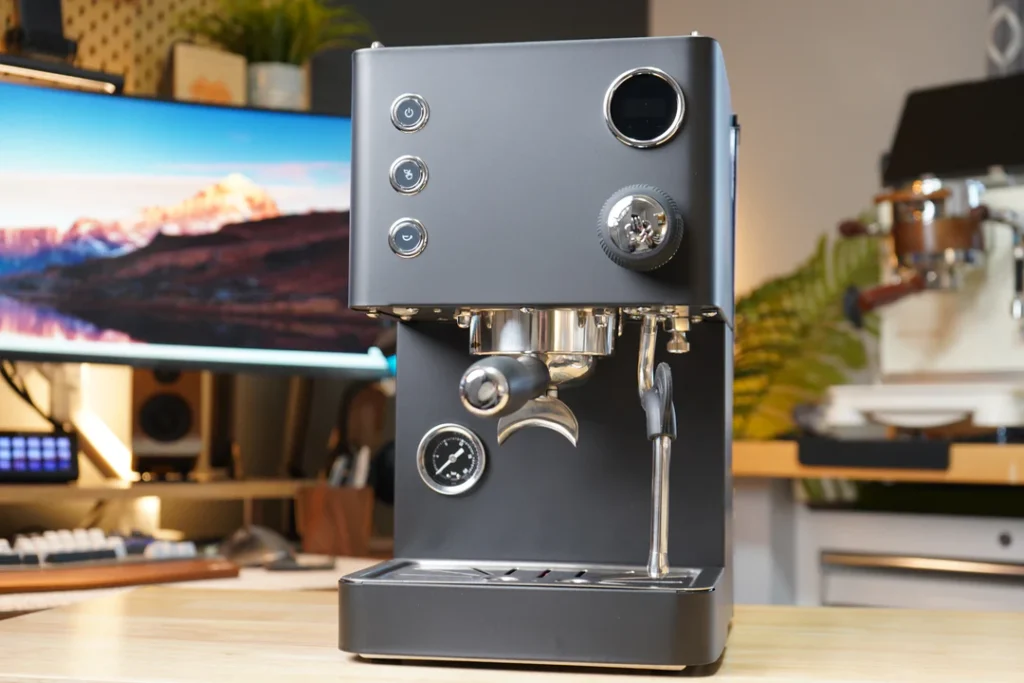
The Profitec Go earns real points for workflow simplicity. Its single-dial interface keeps things clean, and the steam wand — a commercial-style single-hole tip on most configurations — produces dry, pressurized steam that’s surprisingly capable for a machine at this price. You can texture a 180ml pitcher of whole milk to microfoam in about 35 to 45 seconds with practice.
Turin machines vary more across the lineup. Some models ship with Panarello-style wands suited to beginners, while others include articulating commercial wands. If you’re committed to latte art and proper free-pouring technique, you’ll want to verify exactly which steam configuration comes with your Turin model before purchasing. It’s an easy detail to miss during the excitement of spec-shopping.
Both machines require the standard espresso workflow: dose, distribute, tamp, lock, pull. Neither is a super-automatic, and neither should be. That manual engagement is exactly what this audience wants.
Cleaning, Maintenance, and Longevity
The Profitec Go has an excellent reputation in the home barista community for build durability. Profitec is a German brand with over a decade of track record — their machines are known for stainless steel internals, quality group head gaskets, and components that hold up past the 5-year mark without requiring major service. Check out Profitec’s official machine specifications to see the full engineering detail behind the Go.
Turin is a newer brand, which means longevity data is still accumulating. Early reports from owners at the 2 to 3 year mark are generally positive, but the sample size is smaller. That’s not a knock — every brand starts somewhere — but it’s an honest point worth acknowledging in the turin vs profitec go conversation. Backflushing, descaling cycles, and gasket replacement schedules are similar between the two machines: monthly backflush, descale every 3 to 6 months depending on water hardness.
Price, Value, and Who Each Machine Is Really For
Understanding the Price Gap
The Profitec Go retails in the $700 to $800 USD range, depending on the retailer and any bundle options. Turin machines in a comparable configuration typically come in at $400 to $650 USD, making Turin the more accessible entry point in a direct Turin vs. Profitec go price comparison. That $150 to $200 gap is real money, especially when you factor in that you also need a quality grinder to make either machine perform at its ceiling.
Speaking of grinders — this matters enormously. Pairing either machine with a mediocre grinder is the single biggest mistake new buyers make. Our Turin Grinder Review covers how Turin’s own grinder ecosystem performs alongside their espresso machines, which is worth reading before you finalize your setup budget.
The value calculation isn’t just about sticker price. It includes warranty coverage, customer support quality, parts availability, and resale value. Profitec has strong resale value in the used market. Turin machines, being newer to the scene, haven’t fully established their resale trajectory yet.
Who Should Buy the Profitec Go?
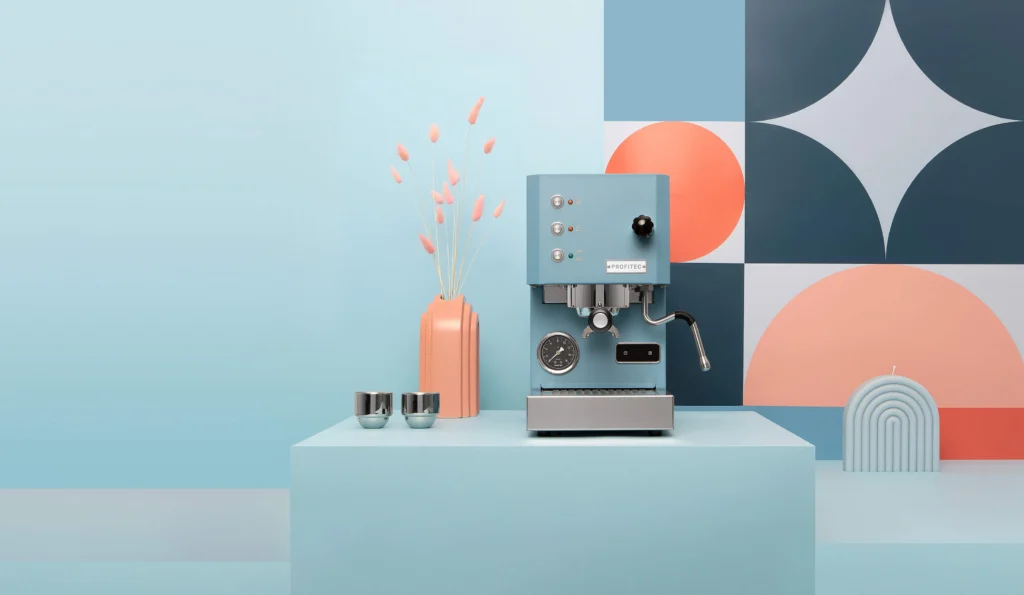
Buy the Profitec Go if you prioritize build quality and brand heritage above all else, want a machine that’s been stress-tested by a large community of users across multiple years, and are comfortable spending closer to $800 for that peace of mind. It’s also an excellent choice if you prefer a minimal, clean interface and a machine that “just works” from day one without much tuning.
The Profitec Go suits the barista who has already owned a budget machine, knows what they want, and is ready to invest in something that will last. It’s not an impulse buy — it’s a deliberate one.
Who Should Buy a Turin Machine?
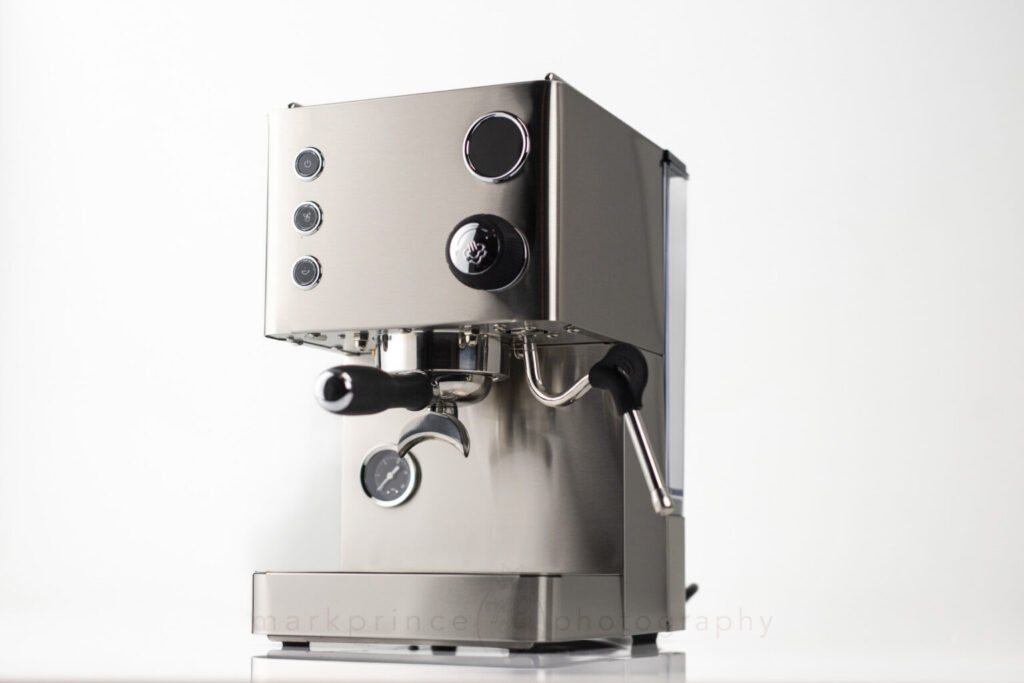
Turin is the right choice if budget headroom matters, if you want to allocate more of your total setup cost toward the grinder, or if you’re drawn to the modular ecosystem Turin is building around their machines. Turin also deserves serious consideration if you want pre-infusion capabilities at a lower entry price than comparable Profitec or ECM offerings.
It’s also worth exploring how Turin stacks up against more premium Italian competitors — our Turin Espresso Vs La Marzocco comparison puts that conversation into sharp relief. And if you’re wondering whether Turin is worth the investment in a general sense, Turin Espresso Machines Worth It breaks that question down honestly.
Turin vs Profitec Go: Side-by-Side Comparison Table
| Feature | Turin (Legato / comparable) | Profitec Go |
|---|---|---|
| Boiler Type | Single boiler / thermocoil (model dependent) | Single thermoblock |
| Heat-Up Time | 4–5 minutes | ~3 minutes |
| PID Control | Yes (select models) | Yes |
| Pre-Infusion | Yes (select models) | No (OPV mod possible) |
| Steam Wand | Varies (Panarello or commercial) | Single-hole commercial style |
| Pump Type | Vibratory | Vibratory |
| Price Range | $400–$650 | $700–$800 |
| Brand Heritage | Newer (2019+) | Established (2012+) |
| Community Support | Growing | Large, established |
| Resale Value | Emerging | Strong |
What Do Real Owners Say About Each Machine?
Community Feedback on the Profitec Go
Across forums like Home-Barista.com and specialty coffee communities on Reddit, the Profitec Go consistently receives praise for its consistent extraction temperatures, the quality of its steam performance relative to price, and its no-nonsense build. Critical feedback tends to focus on its lack of native pre-infusion and the relatively small water tank capacity of 1.5 liters, which can feel limiting during high-volume morning sessions.
Owners who pull two to four shots daily and steam milk for drinks report that the Profitec Go handles back-to-back sessions without significant steam pressure recovery issues. That’s a practical benchmark that matters more than lab specs for most households.
Community Feedback on Turin Machines
Turin owners tend to highlight value-for-money as the dominant positive. Getting PID control, a commercial-style portafilter, and pre-infusion at sub-$600 pricing is a legitimate advantage. The criticism most often raised is around customer service response times and the steeper learning curve for troubleshooting since the brand’s support community is newer and thinner than Profitec’s.
The industry at large is paying attention to Turin’s growth trajectory. Home Grounds’ espresso machine coverage has tracked Turin as one of the most interesting emerging brands in the prosumer segment — a recognition that carries real weight from a publication that covers this space seriously.
Expert Tips for Getting the Best Out of Either Machine
Dialing In on a Single Boiler or Thermoblock Machine
Whether you choose the turin vs profitec go path, the single-boiler reality means you’re managing a heat-up sequence between espresso and steam modes. Always pull your shot first, then switch to steam. Reversing that order — steaming first, then attempting espresso — requires a cool-down period that eats into your morning efficiency.
Use a proper dose of 18g in a 58mm portafilter basket for either machine. Target a 1:2 brew ratio — 18g in, 36g out — in 25 to 30 seconds. Start there and adjust grind fineness to hit that window. Both machines reward consistent tamping pressure (approximately 15kg) and level distribution more than any other variable you can control.
Water Quality Is Non-Negotiable
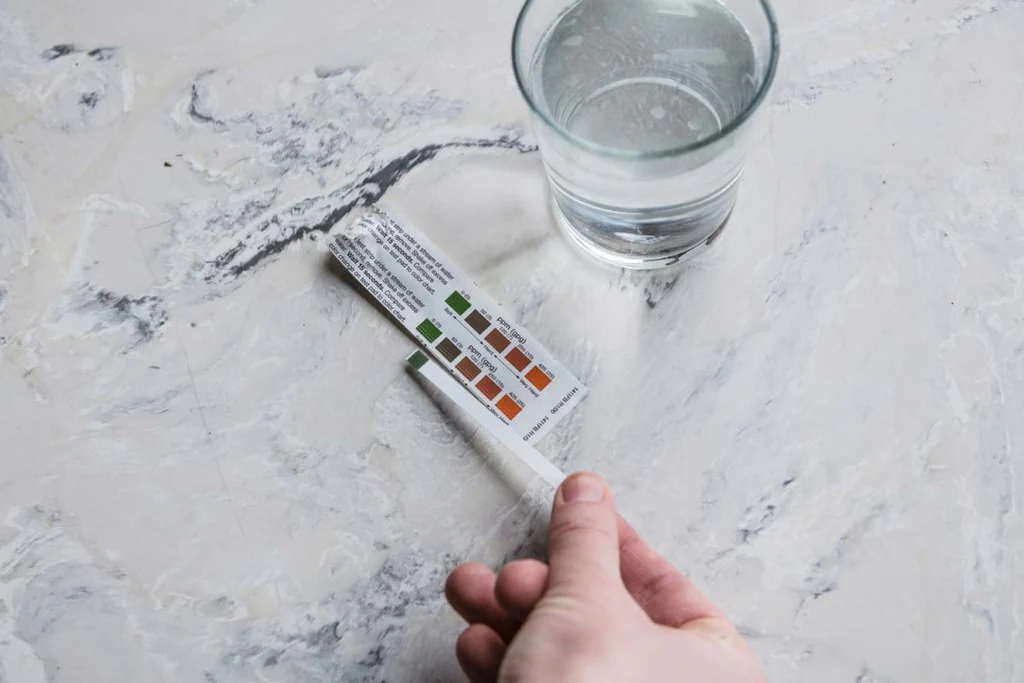
Both machines will scale and degrade performance faster with hard tap water. Use filtered water with a TDS (total dissolved solids) reading between 75 and 150 ppm. The Specialty Coffee Association’s water quality standards define this range as optimal for espresso extraction, protecting both flavor and machine longevity. At lower TDS, you risk aggressive water leaching mineral content from your boiler. At higher TDS, scaling becomes a significant maintenance burden within months.
Frequently Asked Questions
Is the Profitec Go better than Turin espresso machines?
The Profitec Go has stronger brand heritage, better community support, and excellent build quality, but it costs more. Turin machines offer comparable extraction quality and more features at lower price points. The right answer depends on your budget, how much you value brand track record, and which specific features — like pre-infusion — matter to your workflow.
What is the main difference between Turin and Profitec Go espresso machines?
The primary differences in the turin vs profitec go comparison are price, brand maturity, and pre-infusion capability. Turin typically costs $150 to $200 less, while the Profitec Go benefits from an older, more established support community and a stronger resale market. Both use vibratory pumps and single-boiler or thermoblock systems at comparable price tiers.
Can the Profitec Go do latte art?
Yes — the Profitec Go’s single-hole steam tip produces dry, pressurized steam capable of creating proper microfoam for latte art. With practice, you can achieve silky, velvety milk texture suitable for rosettes and tulips. Steaming time for a 180ml pitcher runs 35 to 45 seconds, which is competitive for a machine in this price bracket.
How long does a Turin espresso machine last?
Turin machines are too new to have a definitive multi-decade track record, but early owner reports at the 2 to 3 year mark are encouraging. Machines maintained with monthly backflushing, regular descaling, and gasket replacement appear to hold up well. For long-term durability data, Profitec currently has the stronger documented history among home barista communities.
Which espresso machine is better for beginners, Turin or Profitec Go?
Turin machines — particularly those with Panarello steam wands and simpler controls — can be slightly more approachable for beginners, while the Profitec Go’s single-dial interface is also intuitive. Both machines require manual espresso technique, so neither is truly a beginner-proof machine. Your best starting point is investing in a good grinder alongside whichever machine you choose.
Final Thoughts
The turin vs profitec go comparison ultimately comes down to what you value most at this stage of your espresso journey. If you want established engineering, a deep community to learn from, and a machine with a proven multi-year track record — the Profitec Go is worth the premium. If you want more features per dollar, a growing ecosystem, and room left in the budget for a better grinder — Turin is a genuinely compelling choice.
What’s clear in the turin vs profitec go debate is that neither machine is a wrong answer. Both will pull excellent espresso in the hands of someone willing to learn proper technique, dial in their grinder, and use quality water. The difference between a mediocre shot and an exceptional one on either machine is almost always the operator, not the machine.
Do the analysis, know your budget ceiling, and buy deliberately. The turin vs profitec go choice is a good problem to have — it means you’re already operating at a level where the machine genuinely won’t hold you back.