
When it comes to Nespresso’s compact OriginalLine machines, two models dominate the conversation: CitiZ vs Pixie.
Both are slim, stylish, and great for espresso, but there are key differences in design, durability, and usability that make one better depending on your kitchen setup and habits.
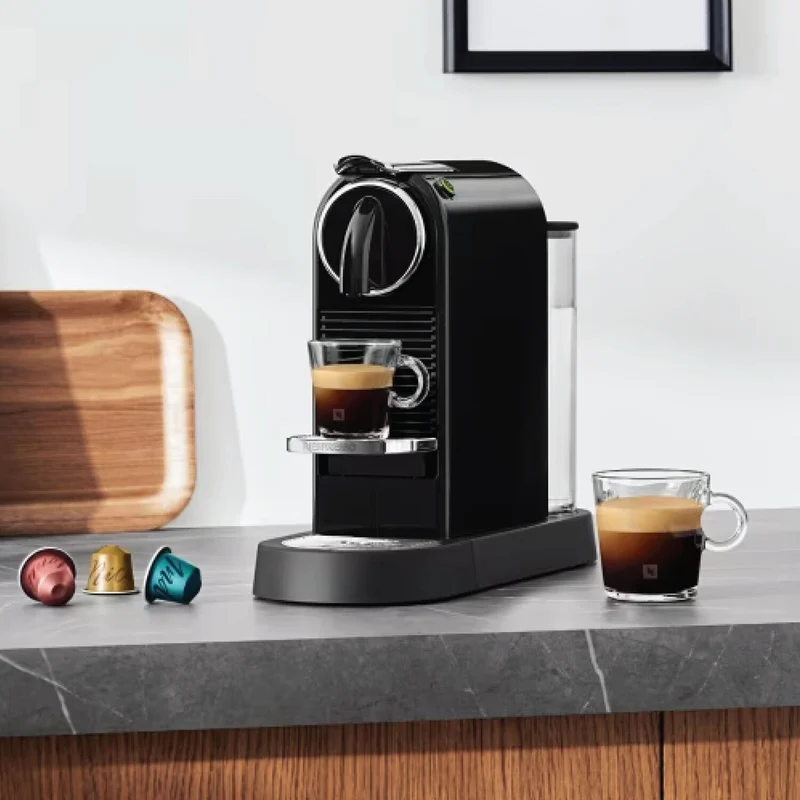
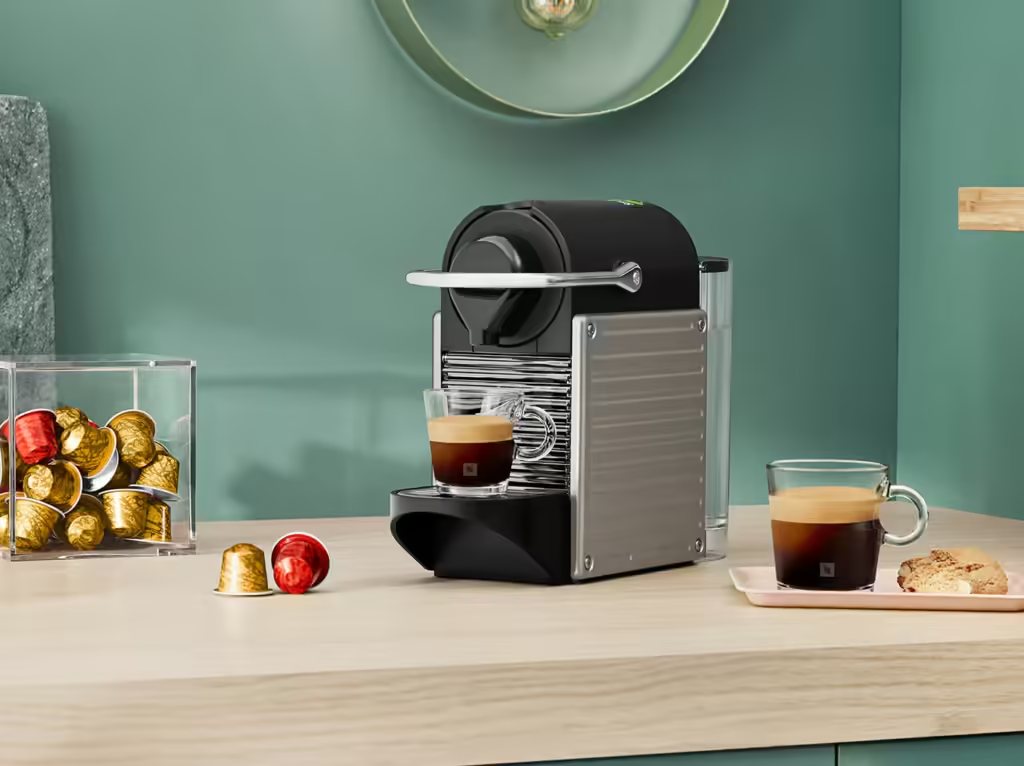
Let’s break down CitiZ vs Pixie side by side and help you decide which is best for you.
Quick Verdict
• Choose CitiZ if you want a slim machine with a larger water tank, optional milk frother, and retro-modern styling.
• Choose Pixie if you want a smaller, sturdier machine with aluminum side panels and a minimalist footprint.
Both brew identical espresso, so it comes down to design and convenience features.
Side-by-Side Comparison Table
| Feature | CitiZ | Pixie |
|---|---|---|
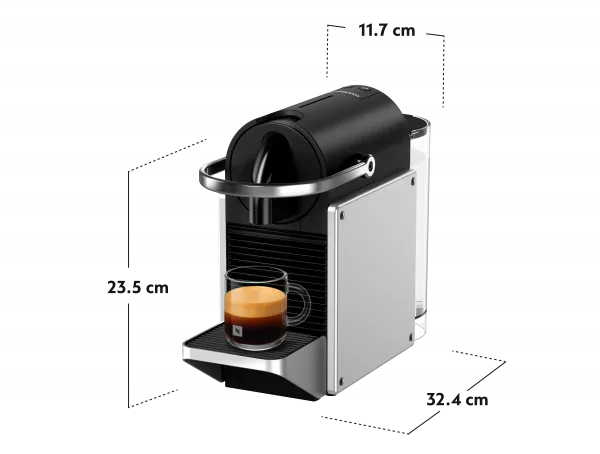
| Width | 5.1″ | 4.4″ |
| Depth | 14.6″ | 12.8″ |
| Height | 10.9″ | 9.3″ |
| Water Tank | 34 oz | 24 oz |
| Used Capsule Bin | 10–11 | 10 |
| Weight | 7.5 lbs | 6.6 lbs |
| Build | Plastic with chrome styling | Aluminum + plastic |
| Heat-Up Time | ~25 sec | ~25 sec |
| Price | $249 (with Aeroccino bundle) | $199 |
CitiZ Overview
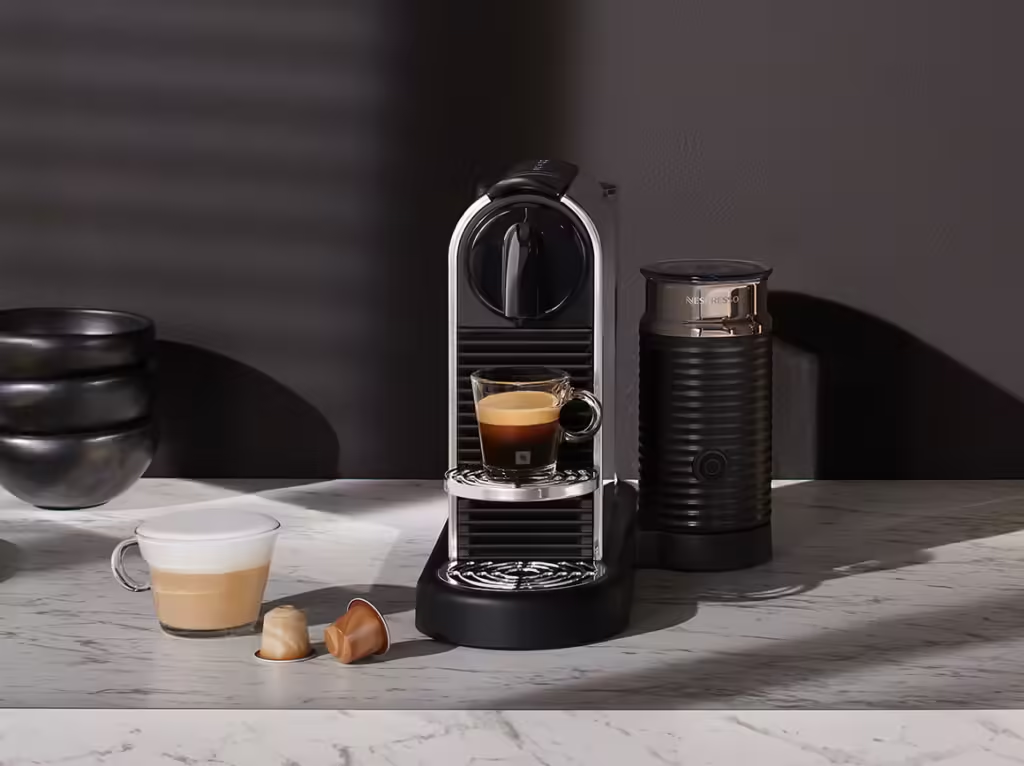
Strengths
• Larger 34 oz water tank = fewer refills.
• Stylish, retro-modern design that stands out on the counter.
• Optional CitiZ & Milk version with built-in Aeroccino frother.
• Slightly taller = fits larger mugs.
Weaknesses
• Bigger footprint (takes more counter space).
• Mostly plastic build—less rugged than Pixie.
• Pricier, especially with milk frother bundle.
Pixie Overview
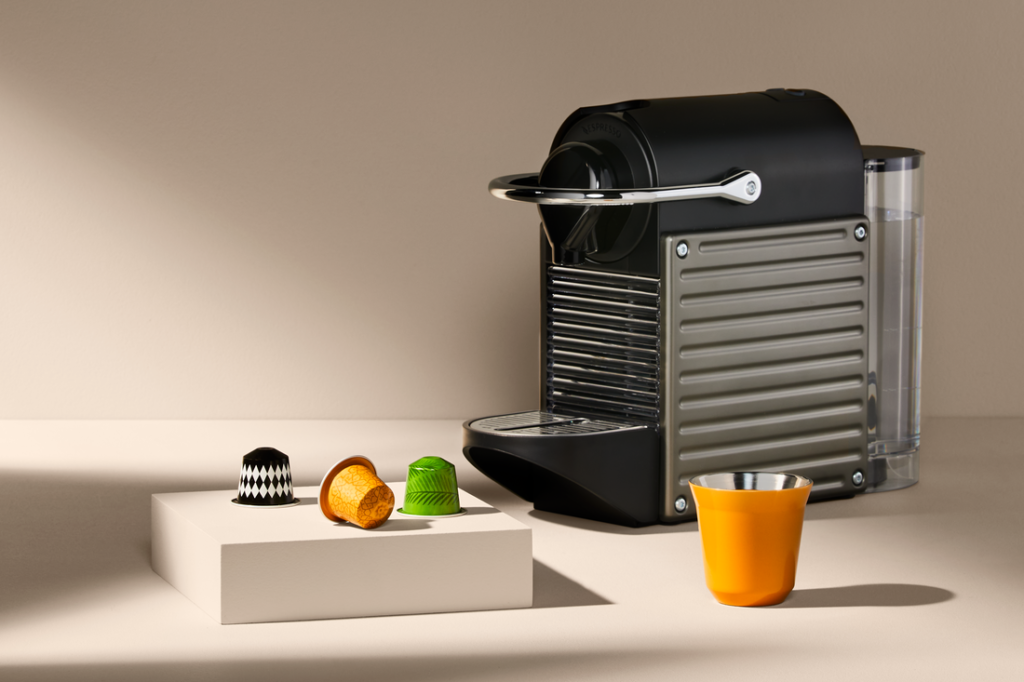
Strengths
• Slimmer and more compact (easier to tuck into small kitchens).
• Premium feel with aluminum side panels.
• LED water level indicators add usability.
• Lower price point than CitiZ.
Weaknesses
• Smaller 24 oz water tank.
• No built-in frother (Aeroccino sold separately).
• Slightly lower cup clearance.
Coffee Quality
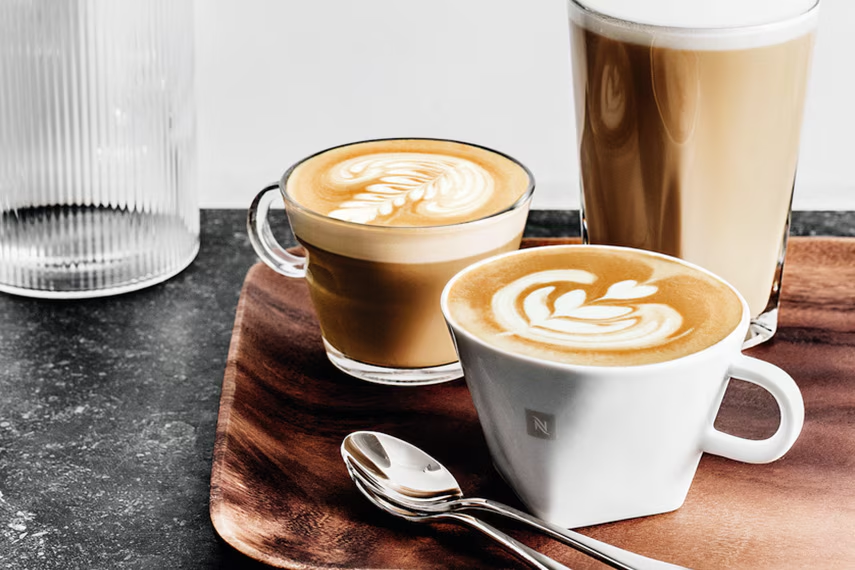
Both the CitiZ and Pixie use the OriginalLine 19-bar pump system and brew the same capsule sizes:
• Espresso (1.35 oz)
• Lungo (5 oz)
Both are also compatible with third-party pods, which is a huge cost saver compared to Vertuo machines.
Verdict: Espresso quality is identical—your choice is about design, size, and features.
Design & Size: Which One Fits Your Space?
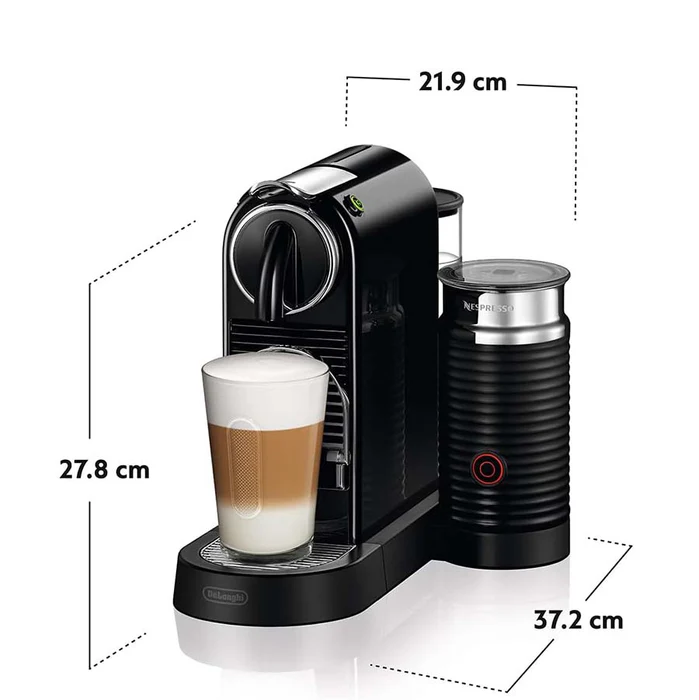
- CitiZ: Tall and slim, so it slides between your toaster and the wall like it was born there. Great for apartment counters or if you like the “modern Euro” look.
- Pixie: The name isn’t a joke. This thing is tiny. Shorter than CitiZ, super portable, and has a cool, industrial vibe—think “fancy coffee shop but make it tiny home.”
Water Tank & Capacity: Who Wins for Convenience?
- Pixie keeps it compact with a 24 oz tank. Perfect if you make one or two drinks a day, but you’ll be making a few extra trips to the sink if you’re fueling a house full of espresso fans.
- CitiZ gives you a 34 oz water tank, which means less refilling (and more sipping) between shots.
Style Points: What Matches Your Vibe?
- CitiZ is more “polished urbanite,” available in sleek colors. Looks great anywhere, fits most decor.
- Pixie is for the minimalist or the person who thinks, “I want something that looks like it belongs in an art gallery.” Brushed metal panels, tiny footprint, straight-up conversation starter.
Price: Does Spending More Actually Matter?
- Pixie tends to be the cheaper pick, but both go on sale often (watch for bundles with milk frothers).
- CitiZ sits higher up, but that bigger water tank and snazzy design might be worth it for coffee lovers who want style and substance.
Who Should Buy Each?

Buy CitiZ if:
• You want a larger water tank for multiple drinks per day.
• You like the retro-modern design and taller cup clearance.
• You want the option of an integrated Aeroccino bundle.
Buy Pixie if:
• You need the smallest possible footprint.
• You prefer aluminum durability over plastic.
• You want a lower price while still getting premium espresso.
Final Verdict
Both the CitiZ and Pixie are excellent compact Nespresso machines.
• The CitiZ wins if you want a bigger tank, built-in frother option, and stylish counter presence.
• The Pixie wins if you want a smaller, sturdier, and slightly more affordable model.
Our recommendation:
• For everyday households brewing multiple cups: CitiZ.
• For small apartments or minimalist kitchens: Pixie.
Disclosure: Our blog contains affiliate links to products. We may receive a commission for purchases made through these links. However, this does not impact our reviews and comparisons. We try our best to keep things fair and balanced in order to help you make the best choice for you.
Pod Ecosystem and Compatibility
Both the CitiZ and the Pixie belong to Nespresso’s OriginalLine. That matters more than the chassis difference. OriginalLine machines accept the small espresso-style aluminum pods Nespresso has sold since the original Essenza launched, plus a deep catalogue of third-party compatible capsules from brands like Starbucks by Nespresso, L’OR, Peet’s, and a wider universe of independent roasters.
Neither machine accepts Vertuo capsules. Vertuo is Nespresso’s larger-cup, barcode-read centrifusion line, and the pods are physically and technologically different. If you’ve been brewing 8-ounce coffees on a Vertuo Plus and are eyeing a CitiZ or Pixie as a downsize, expect a different experience: smaller cup sizes, espresso-forward extraction, and a much wider third-party pod selection at lower prices.
Both machines extract through the same 19-bar pump system Nespresso has standardized across its OriginalLine. The result is consistent crema and a familiar Nespresso flavor profile, regardless of which of these two you choose.
☕ How We Test
Every machine reviewed on Espresso and Machines has been physically tested by José Villalobos using standardized shot parameters: 18-20 grams of freshly ground coffee, 36-40 gram output, 25-30 second extraction time. We test with at least 3 different bean origins across light, medium, and dark roasts over a minimum 30-day period. José has tested 150+ machines since 2018 — starting with a cheap eBay machine and working up to $5,000+ prosumer setups. No sponsored content. No manufacturer talking points. Just real testing.
Heat-Up Time and Shot Consistency
Both machines warm up in about 25 seconds. That’s a small thing on paper and a meaningful thing at 7 a.m. on a Tuesday. Neither requires a long warm-up dance like a traditional espresso machine, and both will pull a usable shot from cold start without temperature wobble that’s perceptible in the cup.
Shot consistency between the two is essentially identical. The variables that change shot quality on either machine are the same: pod freshness, water hardness, and how recently the machine was descaled. Pod brand matters more than the machine when it comes to crema thickness and aroma. Both produce roughly 25 ml espresso shots and 110 ml lungos by default, with shot length programmable on each.
Cleaning, Descaling, and Daily Maintenance
Daily care on both machines is the same: empty the used-pod container, rinse the drip tray, top up the water tank. Used pods drop into a built-in container after extraction and need emptying every nine to fourteen pods, depending on the machine. The drip tray catches both the espresso splash and any rinse water.
Descaling cadence depends entirely on water hardness. Soft water (under 60 mg/L of calcium carbonate) means descaling every six months or so. Hard water can push the schedule to every two months. Both machines indicate when descaling is due via a blinking light pattern, and both use the same Nespresso descaling kit. The process takes about twenty minutes start to finish on either machine.
Skipping descaling is the single fastest way to shorten the life of either machine. Calcium buildup on the heating element reduces flow rate, alters extraction temperature, and eventually triggers warranty-voiding repairs. The maintenance is dull. The cost of skipping it is much worse.
Long-Term Ownership Costs
The purchase price is the small number. The pod cost is the big one. Original Nespresso pods sit in the $0.80–$1.10 range each. Compatible third-party pods can drop to $0.30–$0.50. At one drink per day, the annual pod cost difference between sticking with Nespresso pods and switching to third-party can exceed $250.
Both machines accept the same pods, so this calculation is identical for either. The real long-term cost question is not CitiZ versus Pixie. It’s whether you’ll lock in to Nespresso’s recycling program (which subsidizes the higher pod price with sustainability) or shop the third-party market.
Repair costs favor neither machine specifically. Out-of-warranty service for OriginalLine machines is rarely worth it; the typical move is replacement, not repair. Both have similar service lives — five to seven years of daily use under reasonable maintenance is a fair expectation.
Frequently Asked Questions
Can I use Vertuo pods in a CitiZ or Pixie?
No. Both machines are OriginalLine and only accept the smaller espresso-format Nespresso and compatible pods. Vertuo capsules are physically larger and use a different brewing technology.
Do third-party pods work in both machines?
Yes. Any pod labeled “Nespresso OriginalLine compatible” will work in either the CitiZ or the Pixie. Quality varies between third-party brands, but mechanical compatibility is universal across OriginalLine machines.
Can I make a regular cup of coffee with either machine?
Both pull espresso (around 25 ml) and lungo (around 110 ml). Neither produces a full mug of drip-style coffee. If you want an Americano-style drink, you can dilute the lungo with hot water in the cup, but neither is built to dispense an 8- to 12-ounce coffee directly.
Is milk frothing included on either model?
No. Both machines are espresso-only. To make cappuccinos or lattes you’ll need a separate milk frother, most commonly Nespresso’s own Aeroccino, which is sold separately or in bundle deals.
How loud are these machines?
Both produce a similar 60–65 decibel pump noise during the roughly 25-second extraction. Neither is library-quiet, but neither is louder than a typical kitchen appliance. The noise is brief.