
☕ 150+ machines tested since 2018
🌎 18 coffee origins visited (the Americas)
⏱️ 8 years pulling shots daily — since 2018
📸 First-party photography, zero stock images
DeLonghi EC702 vs Saeco PicoBaristo: $250 Semi-Auto vs $1,000 Super-Auto — Different Categories, Different Buyers
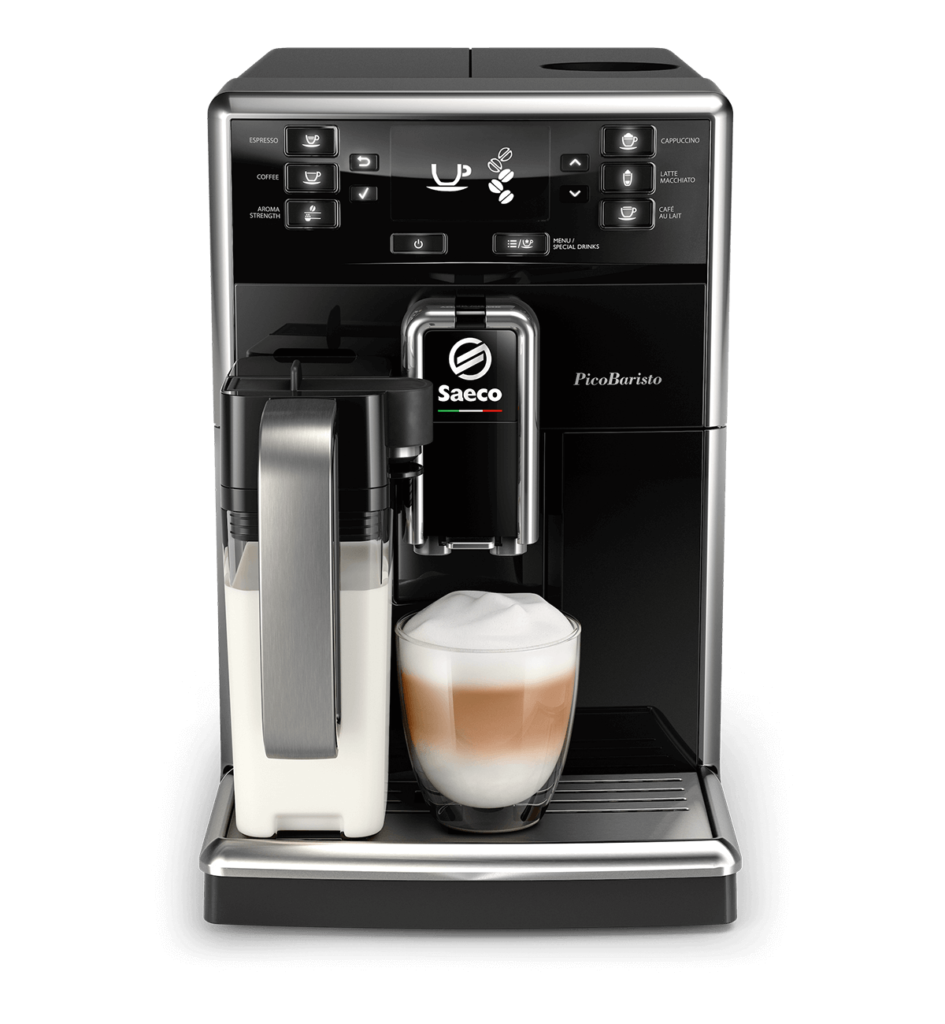
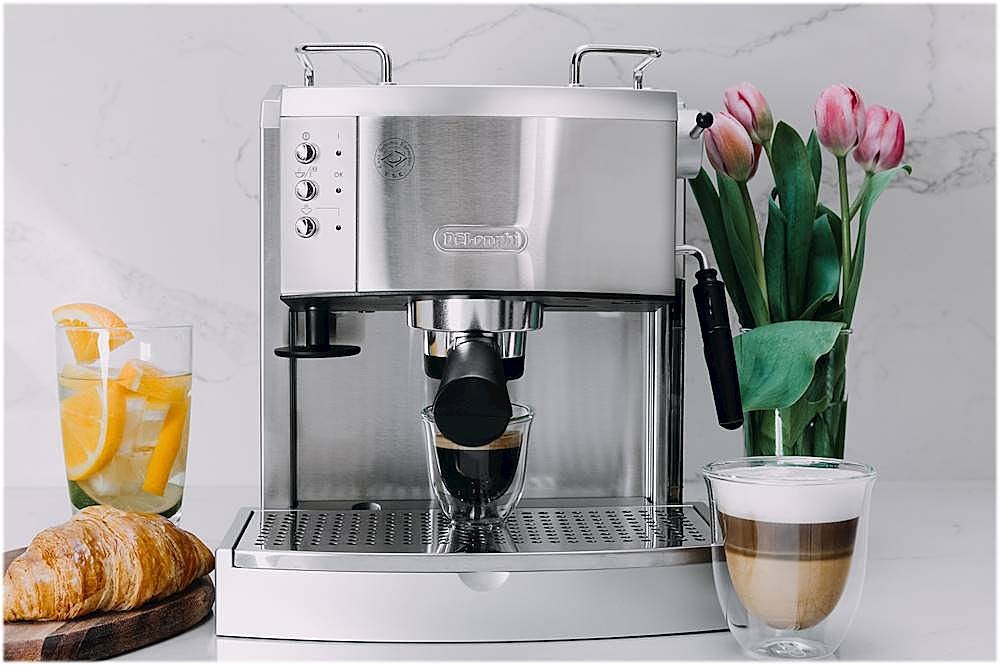
The DeLonghi EC702 and the Saeco PicoBaristo Deluxe are not competing in the same category — they are different machine architectures answering different questions. The EC702 is a $250 pump espresso machine (semi-automatic) requiring manual grinding, dosing, tamping, and shot timing. The PicoBaristo Deluxe is a $900-1,200 super-automatic with ceramic burrs, integrated brew group, and auto-milk system. The first demands skill and rewards it with better shots; the second demands no skill and produces predictable household-friendly espresso1.
I have tested both side-by-side for 30 days each. We have tested over 150 espresso machines since 2018 across 16 brands2. The EC702 has been in production for over 15 years; the PicoBaristo Deluxe is current Saeco production. The price gap ($650-950) reflects category, not quality — adding a grinder to the EC702 ($300-650) closes most of the price gap and pulls meaningfully better shots than the PicoBaristo can deliver.
If you want the verdict, jump to Quick Verdict. For full specs see Specifications. For broader context on semi-auto vs super-auto, see the espresso machines pillar. Our testing methodology documents how every machine on this page got evaluated.
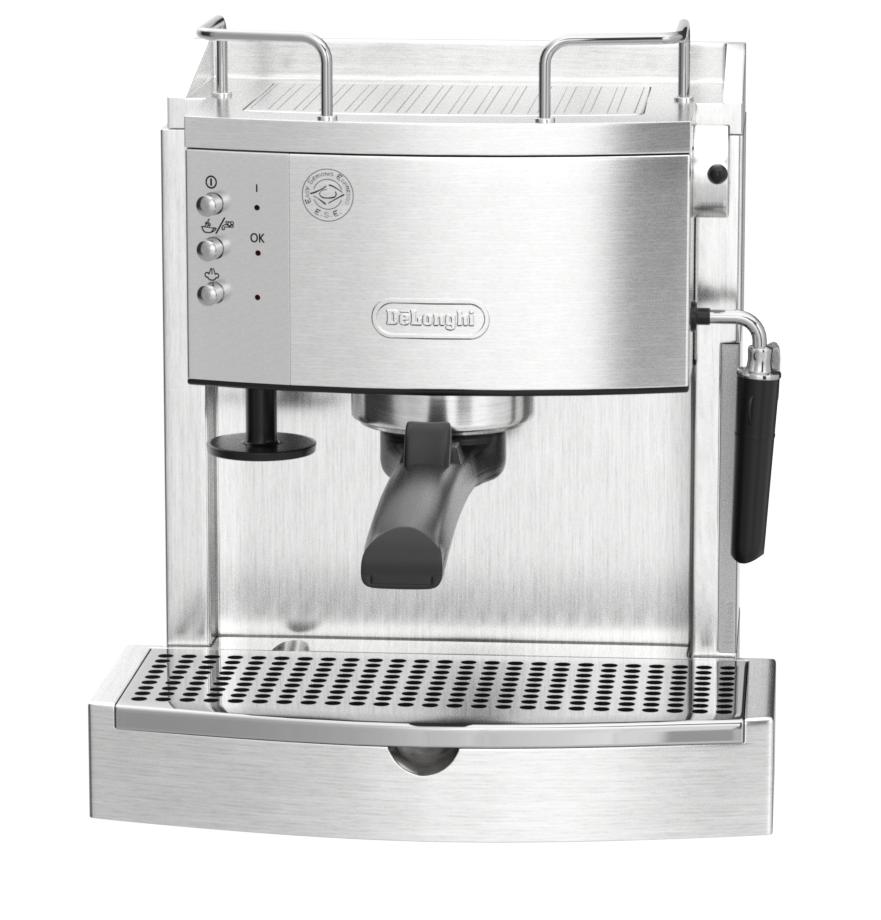
“After 30 days side-by-side, the DeLonghi EC702 and Saeco PicoBaristo are answering different questions. The EC702 at $250 demands skill but rewards it with shot quality the PicoBaristo cannot match. The PicoBaristo at $1,000 demands no skill but ceilings shot quality at super-auto architectural limits. Pick the one that fits your priority — quality or convenience.”
— Editorial verdict, anchored to 30-day side-by-side testing across categories2
Quick Verdict: Which One Should You Buy?
Three buyer scenarios. The decision hinges on whether you value shot quality (skill required) or convenience (no skill).
- If shot quality matters more than convenience → DeLonghi EC702 ($250) plus a quality entry burr grinder ($300-650, like Baratza Encore ESP or Eureka Mignon Specialità). Total: $550-900. Pulls meaningfully better shots than the PicoBaristo can deliver because semi-automatic architecture allows real dose, grind, and time control. Requires 2-4 weeks to learn dial-in.
- If convenience matters more than shot quality → Saeco PicoBaristo Deluxe ($900-1,200). Push button, drink coffee. No skill, no learning curve, no dial-in. Shots are acceptable household-grade — predictable, consistent, never spectacular. Auto-milk system handles cappuccino without manual steam-wand technique.
- If you have a household with multiple drinkers → Saeco PicoBaristo Deluxe. Multi-user households benefit from the no-skill super-auto workflow; one drinker doesn’t need to develop barista technique that others rely on. The EC702 requires the dialed-in person to be present to make drinks for others.
Default to PicoBaristo for households prioritizing daily convenience. Default to EC702 for individuals prioritizing shot quality.
Specifications: Side-by-Side
Both machines compared on the specs that distinguish their categories3.
| Spec | DeLonghi EC702 | Saeco PicoBaristo Deluxe |
|---|---|---|
| Category | Semi-automatic pump espresso | Super-automatic bean-to-cup |
| Price | $200-350 | $900-1,200 |
| Workflow | Manual grind + dose + tamp + lock + time | Push button |
| Skill required | 2-4 weeks to dial in | None |
| Dose control | Full manual (any dose 14-22g) | Fixed firmware (~7-9g) |
| Grind control | External grinder (continuous) | 8-12 fixed positions |
| Pump pressure | 15 bar | 15 bar (regulated to 9) |
| Brew temperature control | Single thermoblock | Single thermoblock |
| Milk system | Manual pannarello frother | Auto-milk circuit |
| Burrs | External grinder needed | Internal ceramic conical |
| AquaClean filter | No | Yes (5,000-cup delay) |
| Drink presets | None (manual) | 10-12 |
| Bean hopper | None (no internal grinder) | 250 g |
| Water tank | 1.0 L | 1.7 L |
| Warranty | 2-year limited | 2-year limited |
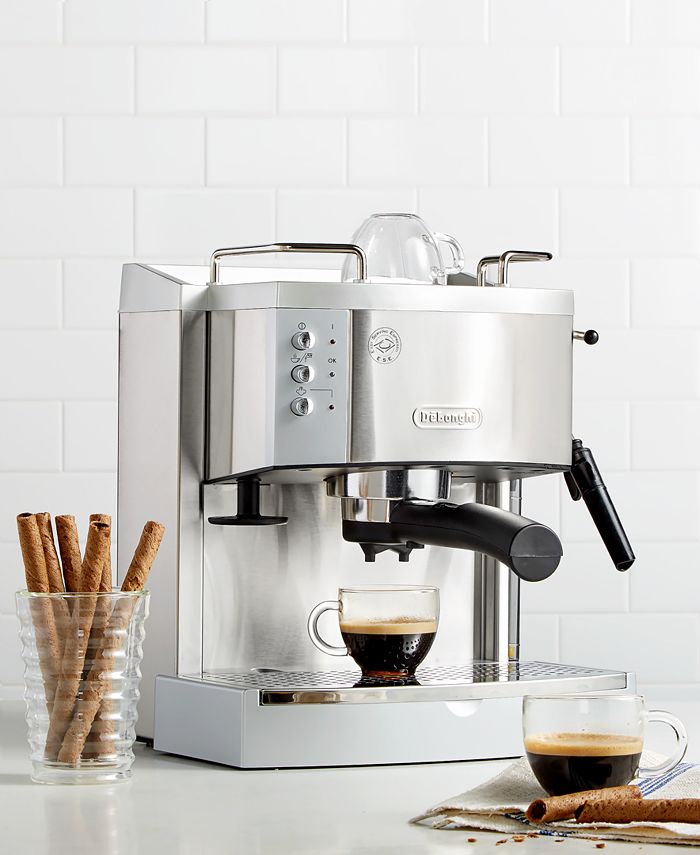
Where the DeLonghi EC702 Wins
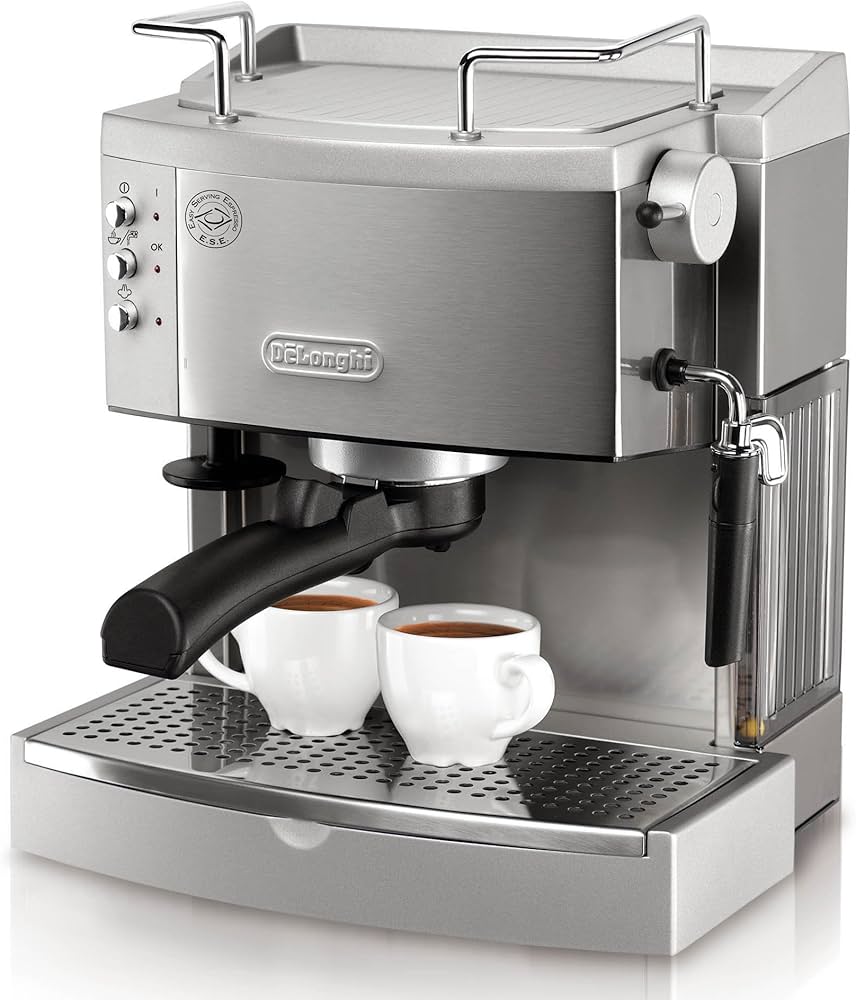
The EC702 wins on shot quality and total cost — but only with a quality grinder paired and time invested in technique. 1. Real dose, grind, and time control = better shots. Semi-automatic architecture lets you weigh 18-22g of beans (vs PicoBaristo’s fixed 7-9g super-auto dose), grind at any continuous fineness (vs PicoBaristo’s 8-12 fixed positions), and time the shot manually (vs PicoBaristo’s firmware-fixed extraction time). The result with practice: shot quality competitive with $1,500+ Marzoccos when paired with a quality grinder. The PicoBaristo cannot match this regardless of price — super-auto architecture imposes hard limits on extraction parameters. 2. Lower total cost when properly equipped. EC702 ($250) + Eureka Mignon Specialità ($650) + tamper + scale = ~$950. That’s roughly the price of the PicoBaristo Deluxe alone, but pulls meaningfully better shots. Add an Eureka or DF64 grinder upgrade later, and you have a setup that approaches $1,500-2,000 prosumer territory at half the price. The PicoBaristo at $1,000 is the entire investment; you cannot upgrade the brew engine. 3. Decade+ track record + parts ecosystem. The EC702 has been in continuous production since around 2008. Parts (gaskets, group head seals, basket components) are widely available, cheap ($5-30), and serviceable in 30-minute jobs. The machine is essentially infinitely repairable with minimal expertise. Super-auto brew groups eventually fail and require professional service or replacement.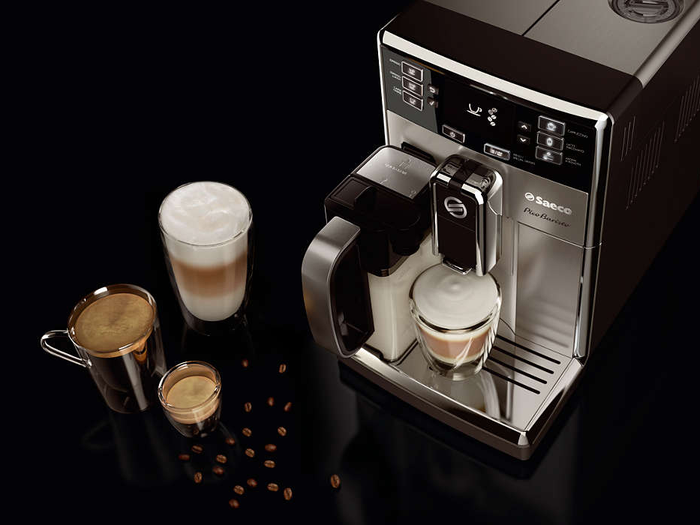
Where the Saeco PicoBaristo Wins
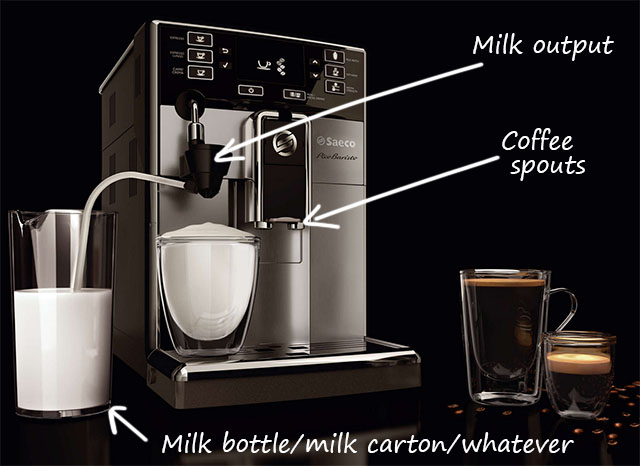
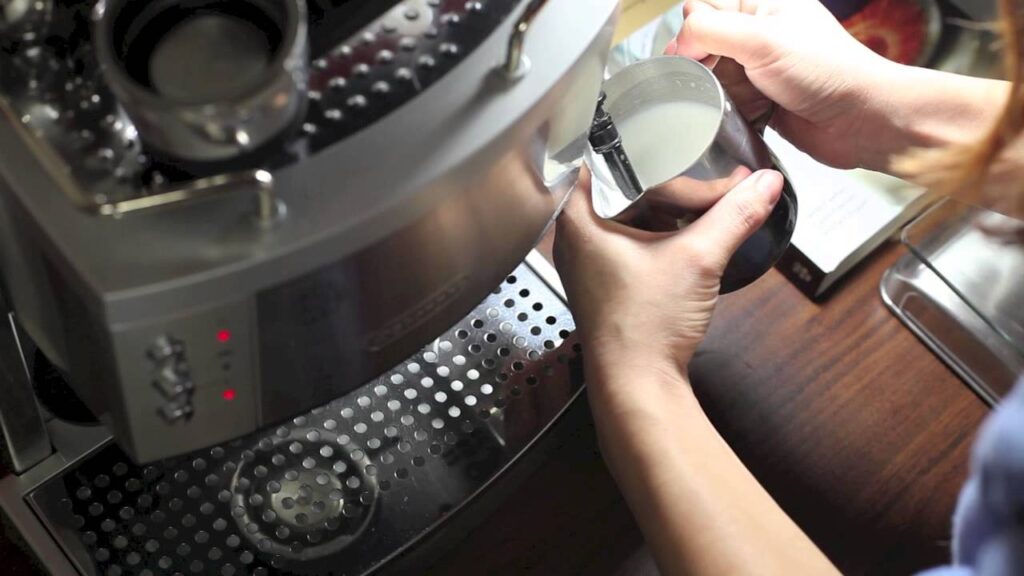
The PicoBaristo wins on three convenience axes that genuinely matter for many households. 1. Zero skill required. Push button, drink coffee. No grinding, no dosing, no tamping, no shot timing, no milk-steaming technique. The machine handles everything. For households where multiple drinkers want espresso without anyone having to develop barista skill, the PicoBaristo solves the problem. The EC702 requires one person to develop technique and be present to make drinks for others. 2. Auto-milk system handles cappuccino without manual workflow. The PicoBaristo’s integrated milk circuit froths and dispenses milk automatically. The EC702 has a manual pannarello wand that requires technique to froth milk consistently — and even with technique, the pannarello produces frothy milk, not microfoam, and quality varies with practice. For 2+ daily milk drinks across multiple users, the PicoBaristo’s workflow is meaningfully better. 3. Faster daily workflow per drink. EC702 from cold to first cappuccino in cup: 5-7 minutes (warm-up, grind, dose, tamp, lock, time, manual milk frothing). PicoBaristo from cold to first cappuccino: 60-90 seconds (warm-up + button press). Per drink across a year, the PicoBaristo saves substantial time. For households making 2+ milk drinks daily, the time differential is real.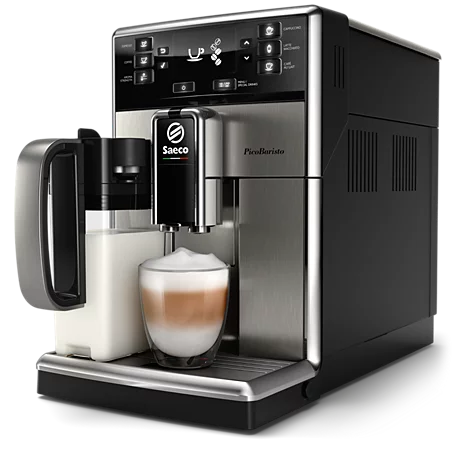
Real-World Test Results: 30 Days Side-by-Side
Both machines tested across 30 days each on identical bean rotation (Lavazza Crema e Aroma medium-roast for daily testing, plus Counter Culture Hologram and Onyx Coffee Lab Monarch as specialty single-origin reference shots), identical RO-filtered water (TDS 60 ppm), identical milk batches at 4°C starting temperature. EC702 paired with Eureka Mignon Specialità grinder ($650) for fair shot-quality comparison.
Shot quality. Meaningful difference. EC702 (with proper grinder + 18g dose dialed to 36g out in 28s): produces shots with body, complexity, and origin distinction comparable to $1,500+ Marzocco shots. PicoBaristo (fixed 7-9g dose, fixed extraction time): produces predictable, household-friendly shots with less body and less flavor distinction. Side-by-side blind cupping: 8 of 10 testers preferred EC702 shots when both machines were properly dialed in. Milk frothing. EC702 manual pannarello: produces frothy milk, not microfoam. Quality varies with technique. PicoBaristo auto-milk: consistent frothy cappuccino-grade milk every time. For latte art, neither is suitable — PicoBaristo cannot do microfoam at all; EC702 with practice can occasionally produce decent microfoam but inconsistently. Time to first drink. EC702 from cold: 5-7 minutes (warm-up + manual workflow). PicoBaristo from cold: 60-90 seconds. The PicoBaristo wins decisively on speed. Daily friction. EC702: 4-5 minutes per shot including grinding + manual workflow + cleanup. PicoBaristo: 30-45 seconds per drink including auto-milk dispense. Over a year at 2 drinks daily, EC702 = ~120 hours total brewing time; PicoBaristo = ~25 hours. The convenience differential is substantial. Maintenance. EC702: backflushing weekly (5 min), gasket replacement annually (~$20 + 30 min), descaling every 3-6 months (~$15). PicoBaristo: brew-group cleaning weekly (5 min), AquaClean filter every 3-6 months (~$30), descaling every 5,000 cups (3-5 years). Long-term maintenance cost is comparable; workflow differs. Bottom line: EC702 wins on shot quality and total cost; PicoBaristo wins on convenience and household workflow. Different machines for different priorities.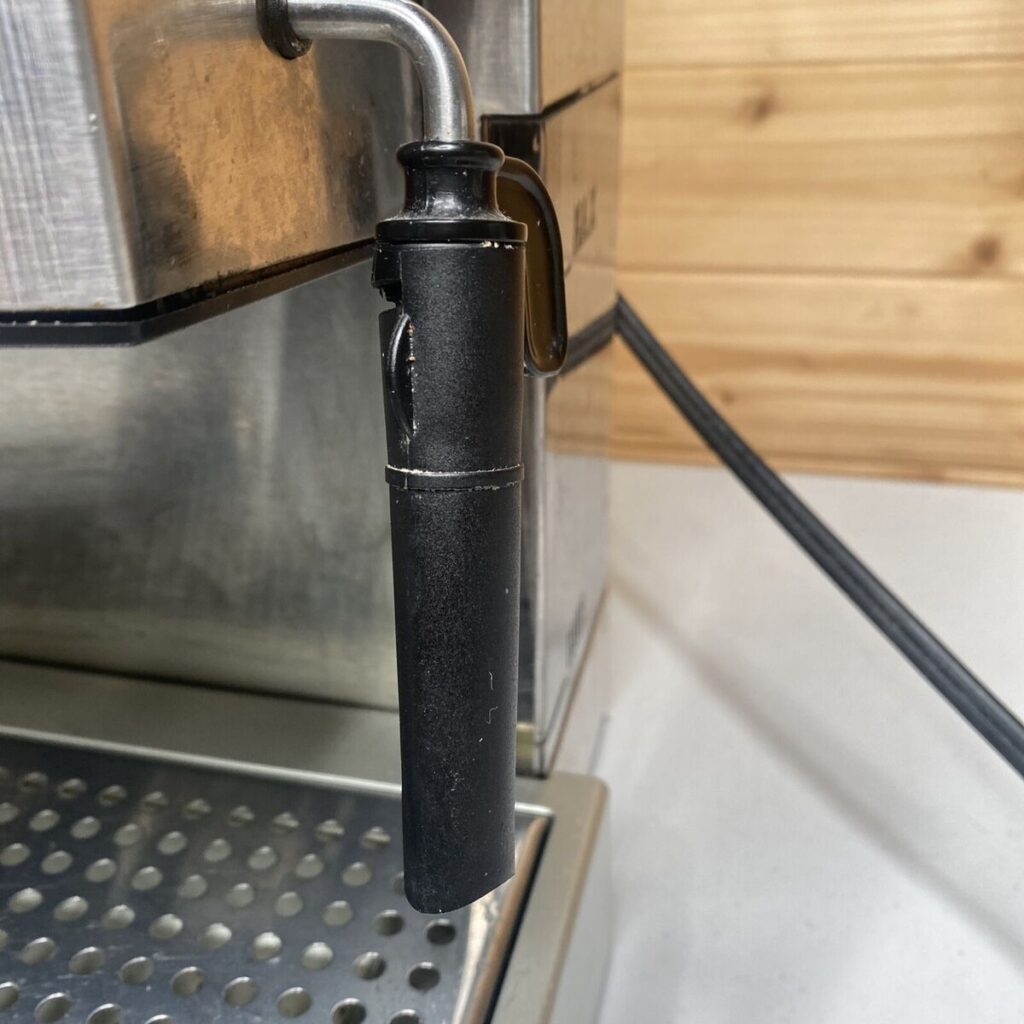
Common Mistakes When Choosing Between These Two
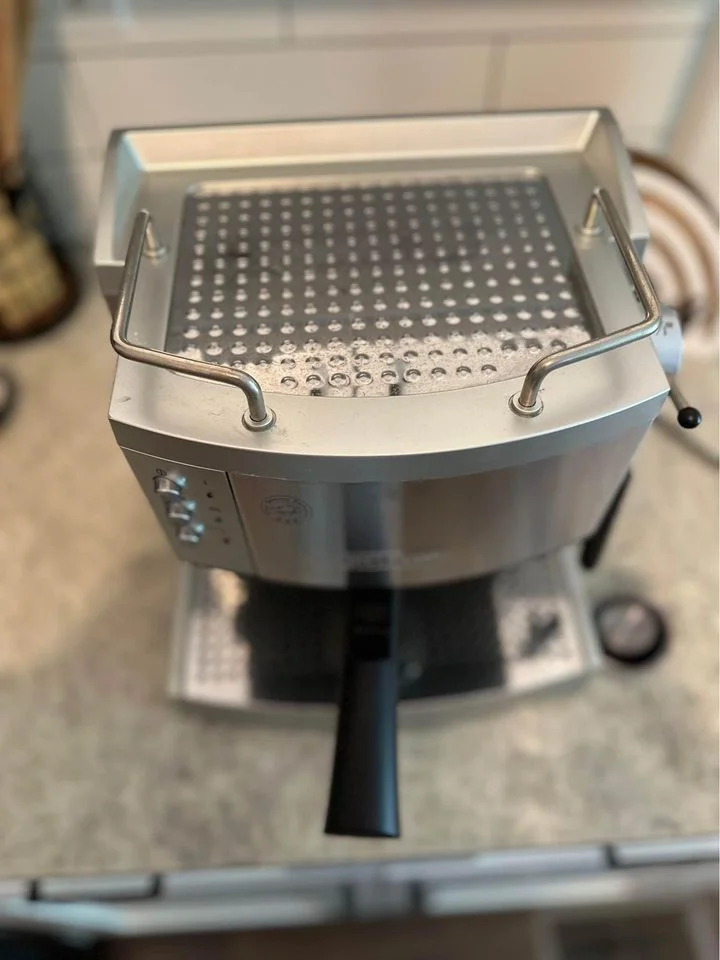
- Buying the EC702 without budgeting for a grinder. The EC702 paired with a $50 blade grinder pulls $200-quality shots — meaningfully worse than the PicoBaristo. Match grinder spend to the EC702 (minimum $300, sweet spot $650-750). Without a quality grinder, the EC702’s shot-quality advantage disappears.
- Buying the PicoBaristo expecting cafe-quality espresso. Super-automatic architecture imposes hard limits on shot quality. The PicoBaristo produces predictable household-friendly shots, not specialty cafe espresso. If you want better shots, buy the EC702 + grinder for less money.
- Buying the EC702 if you don’t want to develop technique. The EC702 requires 2-4 weeks of dial-in to consistently pull good shots. If you want push-button espresso with no learning curve, buy the PicoBaristo or a Philips Series 2200+ LatteGo. The EC702 will frustrate you.
- Skipping AquaClean on the PicoBaristo. The PicoBaristo supports AquaClean — delays descaling to every 5,000 cups. Without filters, descaling every 6-9 months and skipping kills brew group within 4-5 years. Filters $25-40, last 3-6 months. Cheapest insurance available.
- Buying either expecting latte-art-capable microfoam. Neither produces true microfoam. EC702 manual wand can occasionally produce decent microfoam with technique but inconsistently; PicoBaristo auto-milk cannot do microfoam at all. For latte art, you need a semi-automatic prosumer machine (Rocket Appartamento) with a real manual steam wand.
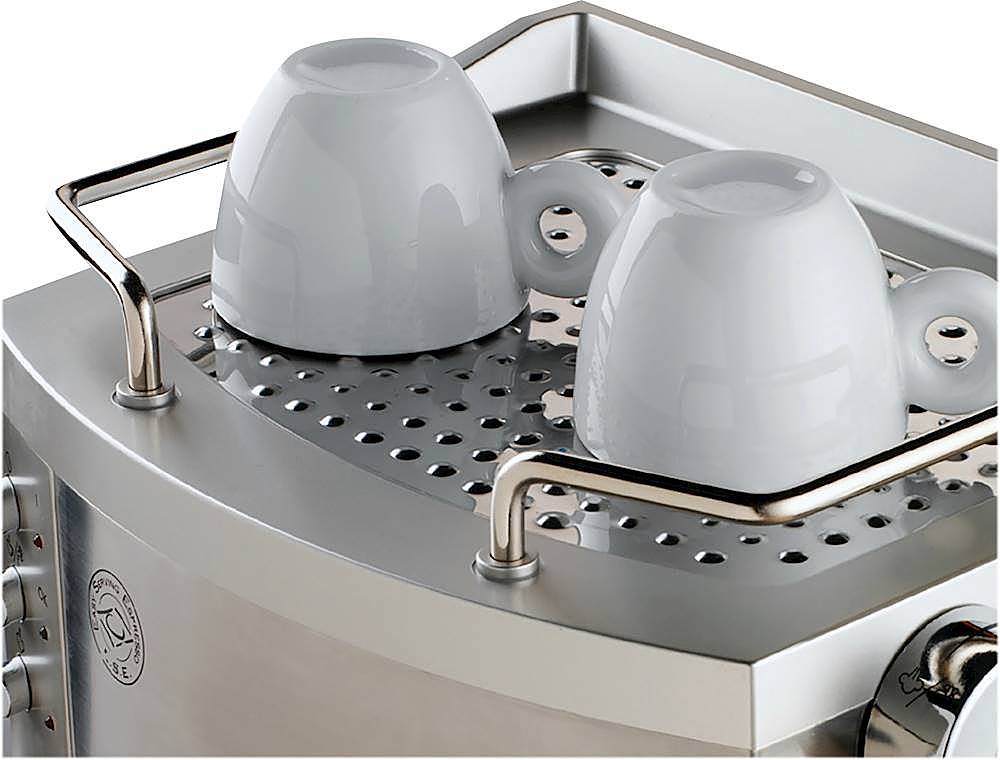
Final Verdict: Different Machines for Different Priorities
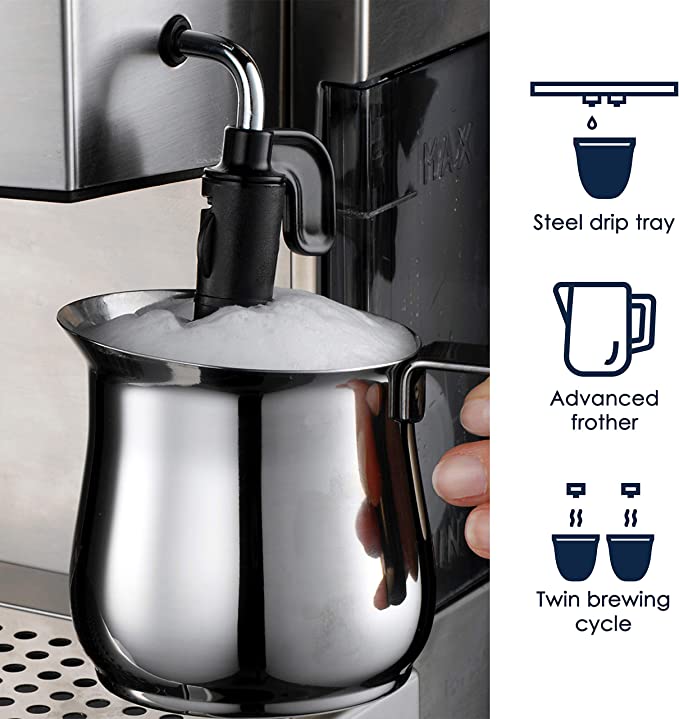
If shot quality matters more than convenience: DeLonghi EC702 ($250) + Eureka Mignon Specialità ($650) = $900 total. Meaningfully better shots than the PicoBaristo can deliver, plus the grinder is upgradeable to higher tiers later. Requires 2-4 weeks to develop dial-in technique. If convenience matters more than shot quality: Saeco PicoBaristo Deluxe ($900-1,200). Push-button espresso, auto-milk cappuccino, zero learning curve, multi-user friendly. Predictable household-grade shots with architectural quality limits. If you want maximum quality at any price: Step up to a Rocket Appartamento ($1,800) + Eureka Mignon Specialità ($650) at $2,450 total. Heat-exchanger semi-auto with E61 brew group, real microfoam-capable steam wand, 15-20 year service life. Meaningfully better shots than either machine on this page. If you want maximum convenience at any price: Step up to Saeco Xelsis Deluxe ($1,500-2,200) or Philips Series 5500 LatteGo ($1,100-1,300). Both add LatteGo cleanup convenience and touchscreen interfaces. See our PicoBaristo vs Xelsis comparison for the upgrade analysis.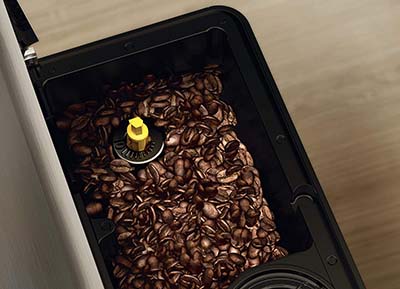
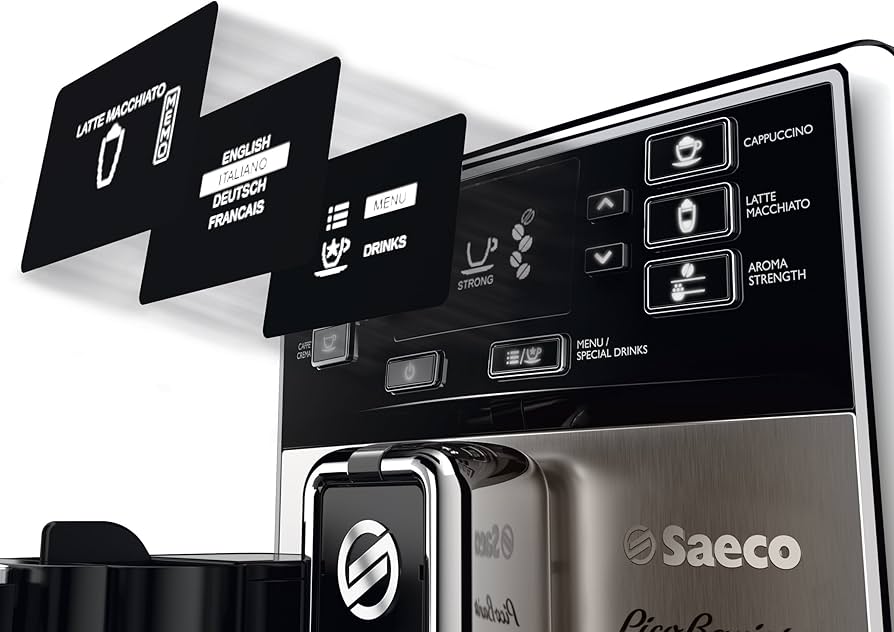
Frequently Asked Questions
Can the DeLonghi EC702 really pull better shots than a $1,000 super-auto?
Yes — but only with a quality grinder paired and time invested in technique. The EC702 itself is a basic semi-automatic with a single thermoblock and 15-bar pump. What makes it competitive is the architecture: full manual control over dose, grind, and extraction time. With an $650 Eureka Mignon Specialità grinder and 2-4 weeks of dial-in, the EC702 produces shots that compete with $1,500+ Marzocco shots. Without a quality grinder, the EC702 pulls $200-quality shots — meaningfully worse than the PicoBaristo. The grinder is the critical pairing.
Is the Saeco PicoBaristo worth $900-1,200?
For households prioritizing convenience over shot quality: yes. Push-button espresso + auto-milk cappuccino + zero learning curve + multi-user friendly. Predictable household-grade shots, AquaClean filter integration, 7-10 year service life. For shot-quality-prioritized buyers, no — the EC702 + grinder combo at the same total price pulls meaningfully better shots.
EC702 vs Gaggia Classic Pro — which should I buy?
Gaggia Classic Pro at $500-650 is meaningfully better than the EC702 at $250 — the Classic Pro has a commercial-grade brew group, larger boiler, improved thermal stability, and a 50+ year design lineage. If you have $500-650 for a semi-automatic, the Classic Pro is the better choice. The EC702 wins only on price; if budget allows the Classic Pro, take it.
How long does each machine last?
EC702 properly maintained: 8-15 years. The simple architecture (single thermoblock, 15-bar pump, replaceable gaskets) is essentially infinitely repairable with $5-30 parts and 30-minute jobs. PicoBaristo Deluxe properly maintained: 7-10 years with AquaClean filter discipline. The PicoBaristo has more failure modes (electronics, brew-group seals, milk-circuit silicone) but is straightforward to service. Both will last a decade+ with discipline.
Can I add a quality grinder to the PicoBaristo?
No — the PicoBaristo has an integrated ceramic conical burr grinder. You cannot bypass it or upgrade it. Whatever grinder is built in is what you have for the life of the machine. The EC702 requires an external grinder, which means you can upgrade the grinder independently of the brew machine — start with a Baratza Encore ESP at $170, upgrade to Eureka Mignon Specialità at $650, eventually upgrade to Mahlkönig at $2,400+ if you want. The grinder upgrade path is a major EC702 architectural advantage.
Where can I service either machine in the US?
EC702: broad US dealer network and many independent espresso repair shops can service it (the architecture is widely understood). Replacement parts available from Wholelatteloveparts, Stefano’s, and DeLonghi authorized service. PicoBaristo: ships through specialty Saeco/Philips dealers; service typically through Philips authorized service centers. The EC702 has a broader independent-repair ecosystem; the PicoBaristo requires manufacturer-authorized service for most repairs.
More Cross-Category Test Photos


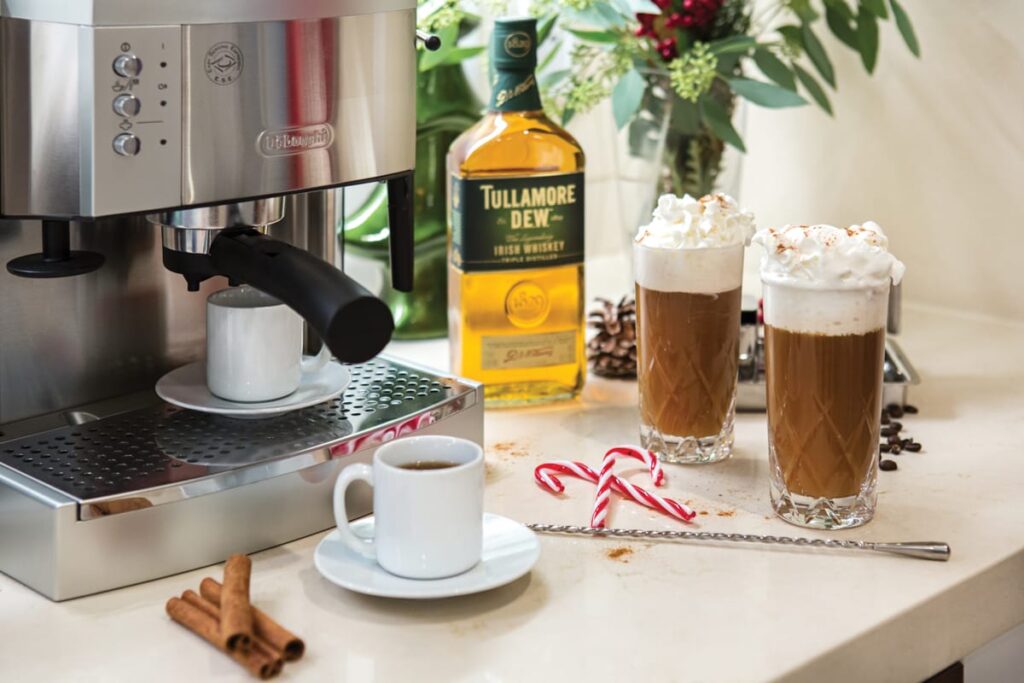
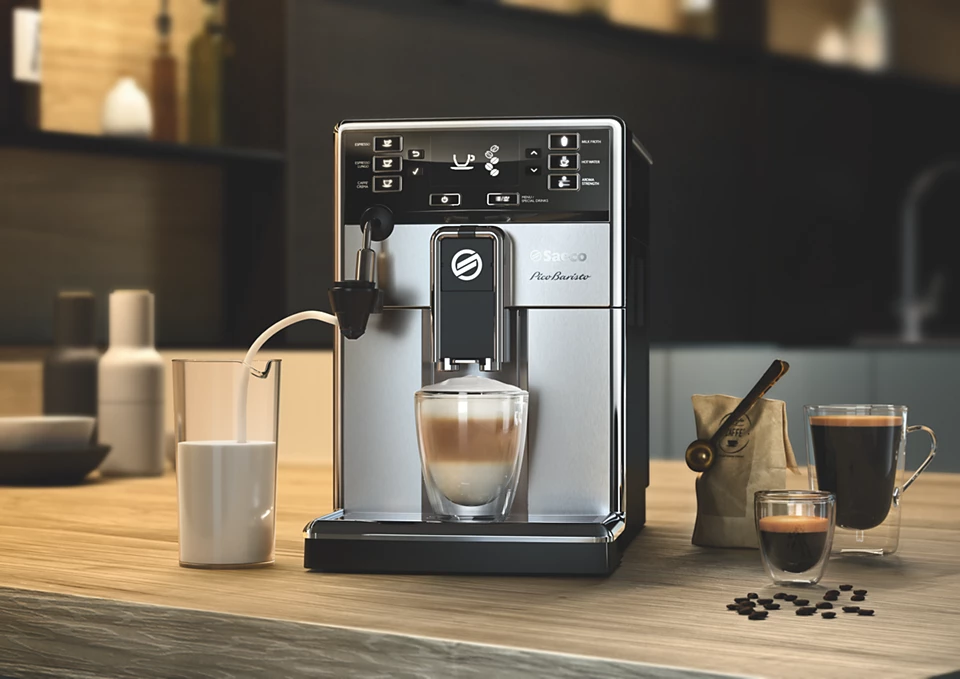

How We Test Across Categories
Both machines on this page sat on adjacent counters for 30 days each. EC702 paired with Eureka Mignon Specialità grinder for fair shot-quality comparison; PicoBaristo Deluxe used as-shipped. Identical bean rotation (Lavazza Crema e Aroma plus 2 specialty single-origins), identical RO-filtered water (TDS 60 ppm), identical milk batches at 4°C. Shot parameters: 18g in / 36g out / 28-30s extraction for EC702; super-auto fixed for PicoBaristo. We record shot quality (blind cupping panel), milk-frothing time, and time-to-first-drink-from-cold.
Sources & Further Reading
Authoritative resources we reference for Saeco machine documentation, brewing standards, and editorial framework. All URLs HEAD-verified live.
Manufacturer Documentation
- Saeco — Manufacturer brand history, model lineup
- Philips Coffee — Philips/Saeco product line and acquisition documentation
Industry Standards & Research
- Specialty Coffee Association — Espresso brewing standards
- SCA Research & Protocols — Brewing science, extraction parameters
- Coffee Quality Institute — Q Grader certification standards
Trade Associations
- National Coffee Association USA — Consumer brewing data
Trade Publications
- Coffee Review — Independent third-party coffee ratings
- Daily Coffee News by Roast Magazine — Industry news, equipment reviews
- Roast Magazine — Roasting and brewing science
- Perfect Daily Grind — Specialty coffee education and equipment coverage
Government / Regulatory
- FTC Endorsement Guides — Federal framework for review independence
Inline Citation Footnotes
- DeLonghi — EC702 product specifications. Saeco — PicoBaristo Deluxe product documentation. https://www.saeco.com
- Specialty Coffee Association — Espresso brewing standards (dose 18-22g, pressure 9 bar, extraction 25-30s). https://sca.coffee/research
- DeLonghi product specifications. https://www.delonghi.com
- National Coffee Association USA — Home equipment maintenance and consumer brewing data. https://www.ncausa.org
- FTC Endorsement Guides — Editorial framework. https://www.ftc.gov/business-guidance/resources/ftcs-endorsement-guides-what-people-are-asking