
These drink guides exist to solve a real problem — most home baristas own decent equipment but lack the structured knowledge to use it confidently. Whether you’re dialing in your first espresso or experimenting with milk-based drinks, having reliable drink guides makes the difference between frustration and consistently great coffee.
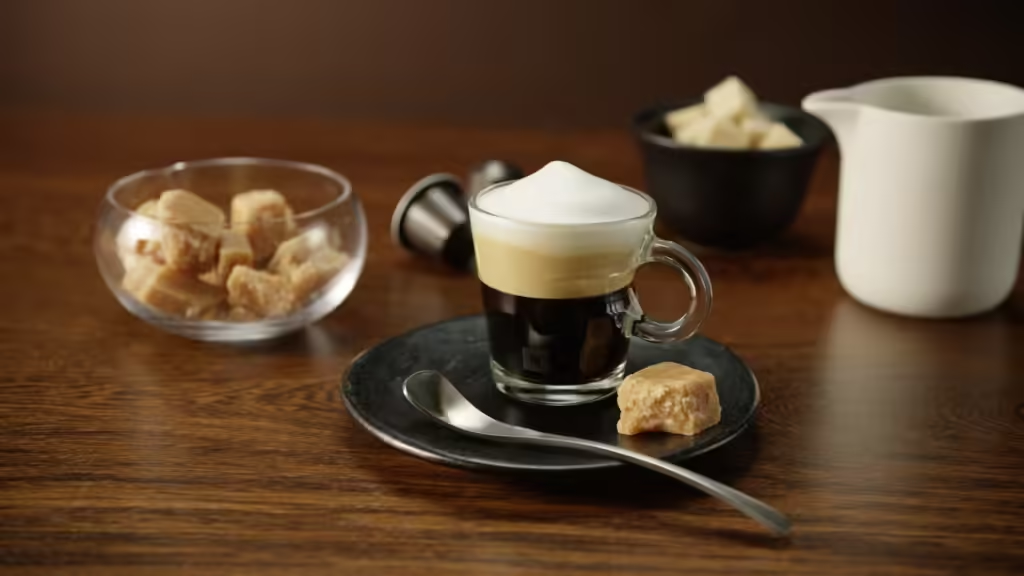
At Espresso and Machines, we’ve built this pillar page as the definitive starting point for every espresso recipe on this site. Think of it as your map — every major drink category is covered here, with links to the deep-dive guides that sit beneath this page.
We’ll cover techniques, measurements, common mistakes, and the full spectrum of espresso-based drinks. Let’s get into it.
What Are Drink Guides and Why Do They Matter for Espresso?
Drink guides are structured references that outline the ingredients, ratios, techniques, and steps required to prepare a specific beverage. In the espresso world, good drink guides do something a recipe card can’t — they explain the why behind every decision.
Why does a flat white use a ristretto base? Why does a cortado use equal parts espresso and milk rather than a 1:4 ratio? Great drink guides answer these questions so you build real understanding, not just muscle memory.
When drink guides include specific parameters — brew ratios, temperatures, grind sizes — they become genuinely useful tools rather than vague inspiration. That specificity is what separates a professional reference from a Pinterest caption.
The Core Elements of a Reliable Espresso Drink Guide
Every solid espresso drink guide should contain at minimum: the dose (grams of ground coffee), the yield (grams of liquid espresso), the brew time, and the milk volume and temperature if applicable. Without these four elements, you’re guessing.
Reliable drink guides also specify the espresso style — single, double, ristretto, or lungo — because each produces a different flavor profile that fundamentally changes the drink. A cappuccino built on a lungo tastes completely different from one built on a ristretto.
The best drink guides also note acceptable ranges, not just target numbers. Espresso is variable — your grinder, water, and beans all shift the ideal parameters. Good guides acknowledge that reality.
How Drink Guides Have Evolved in the Digital Age
Printed cocktail books and barista training manuals were the original drink guides. Today, digital drink guides have become dynamic resources — updated in real time as techniques evolve and new equipment enters the market.
The rise of RTD (ready-to-drink) coffee products has also influenced how drink guides are written. According to IWSR drinks market analysis, RTD volumes in ten leading markets reached approximately 3.5% of all beverage-alcohol servings in 2024, up from just 1.1% in 2014. That explosion of interest in pre-made coffee drinks has pushed home baristas toward learning the original recipes behind RTD products — which is exactly where quality drink guides come in.
Why the Espresso Category Needs Its Own Dedicated Guides
Espresso is technically demanding in a way that drip coffee or pour-over simply isn’t. Pressure, temperature, grind uniformity, and extraction time all interact simultaneously. Generic drink guides written for broad audiences often skip the depth that espresso preparation genuinely requires.
This site exists to fill that gap. These drink guides are written specifically for home baristas working with real espresso machines — not Nespresso pods or instant coffee workarounds.
The Complete Espresso Drink Guides: Every Drink Category Explained
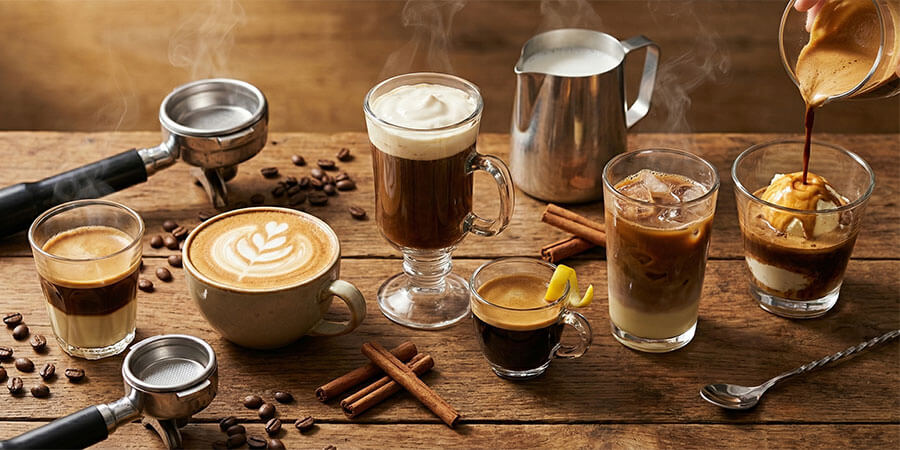
Espresso-based drinks fall into distinct categories based on their construction method. Understanding these categories helps you navigate drink guides more efficiently — you’ll recognize patterns across recipes rather than treating each drink as an isolated puzzle.
Here’s how we organize the drink guides on this site, and what defines each category.
Pure Espresso Drinks: Ristretto, Espresso, and Lungo
These drink guides cover espresso in its purest form — no milk, no syrups, just water and coffee at high pressure. The differences between them come down entirely to the brew ratio and extraction time.
A ristretto uses a 1:1 ratio (18g dose, 18g yield) pulled in 20–25 seconds. A standard double espresso targets a 1:2 ratio (18g in, 36g out) in 25–30 seconds. A lungo stretches to 1:3 or beyond, often running 35–45 seconds. These aren’t arbitrary numbers — each ratio produces a fundamentally different chemical composition in the cup.
Our dedicated drink guides for each of these shots explain how grind size, pressure profiling, and water temperature affect the result. If you’re new to espresso, start with the double espresso guide before moving to ristretto or lungo.
Milk-Based Espresso Drinks: Lattes, Cappuccinos, and Flat Whites
Milk-based drink guides are the most visited section on this site, and for good reason — these are the drinks most home baristas want to make at home but struggle to replicate. The challenge isn’t the espresso; it’s the milk texture.
The cappuccino uses equal thirds: one third espresso (double shot, ~36g), one third steamed milk, one third microfoam. Total volume lands around 150–180ml. The latte uses a 1:4 or 1:5 espresso-to-milk ratio in a 240–360ml cup with just a thin layer of microfoam on top. The flat white sits between them — a double ristretto (18g in, 18g out) with 90–130ml of velvety steamed whole milk.
Getting milk texture right requires steaming to 60–65°C (140–150°F) and incorporating air in the first two seconds of the steam wand’s contact with the milk surface. Our milk-based drink guides cover this in full, including troubleshooting for common textural problems like large bubbles or scorched milk.
Specialty and Signature Espresso Drinks
Beyond the classics, there’s a growing world of specialty espresso drinks that have developed distinct followings. The cortado (1:1 espresso to warm milk, ~60ml total), the macchiato (double espresso “stained” with a small dollop of foam), the Gibraltar, the piccolo latte — these all have their own drink guides here.
We’ve also built drink guides for cold espresso drinks: the shakerato (espresso shaken with ice and sugar in a cocktail shaker), cold brew espresso blends, and espresso tonic — a surprisingly polarizing drink that works exceptionally well when the espresso is pulled as a ristretto over premium tonic water.
Espresso Drink Guides: Complete Reference Table
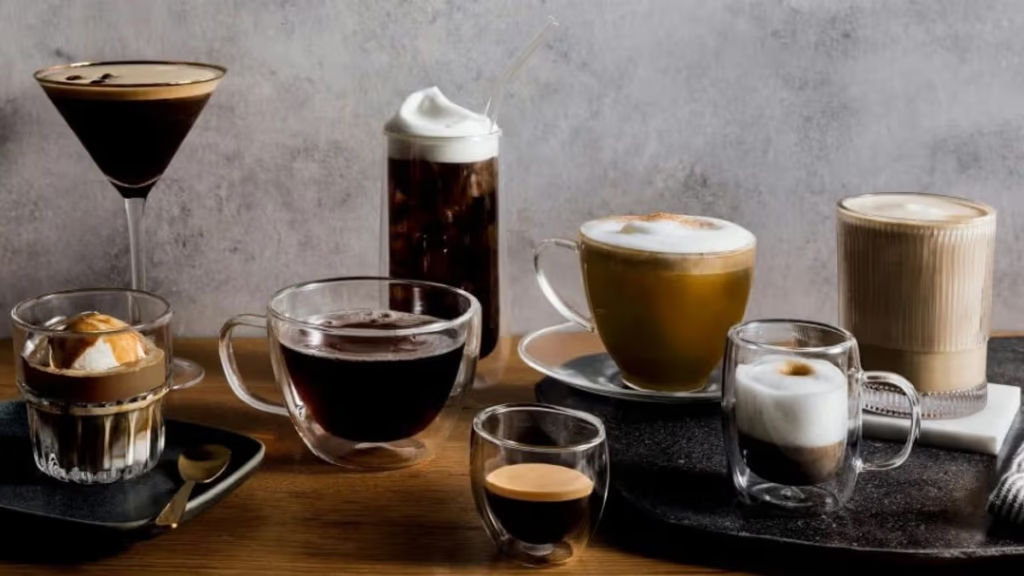
Use this table as a quick reference across all major espresso-based drinks. Every measurement here is based on a standard double-shot setup (18g dose) unless noted otherwise.
| Drink | Espresso Base | Espresso Yield | Milk Volume | Total Volume | Milk Temp | Foam Level |
|---|---|---|---|---|---|---|
| Ristretto | Double ristretto | 18g | None | 18–20ml | N/A | None |
| Espresso | Double | 36g | None | 36–40ml | N/A | Natural crema |
| Lungo | Double lungo | 54–72g | None | 60–80ml | N/A | Thin crema |
| Macchiato | Double | 36g | 10–15ml | 45–55ml | 60°C | High |
| Cortado | Double | 36g | 36ml | 70–80ml | 60–62°C | Minimal |
| Flat White | Double ristretto | 18g | 90–110ml | 130–150ml | 60–65°C | Very thin (microfoam) |
| Cappuccino | Double | 36g | 80–90ml | 150–180ml | 60–65°C | High (1/3 foam) |
| Latte | Double | 36g | 150–200ml | 240–300ml | 60–65°C | Thin layer |
| Americano | Double | 36g | None (water) | 150–250ml | N/A | Dispersed crema |
| Espresso Tonic | Double ristretto | 18g | None | 180–220ml | N/A | Natural |
How to Actually Use These Drink Guides to Improve Your Espresso
Reading drink guides is one thing. Using them effectively is another. The most common mistake home baristas make is treating guide parameters as rigid rules rather than starting targets — then giving up when their result doesn’t match the description.
Here’s a more productive approach: use the ratio as your anchor, not the exact gram weights. If the guide says 1:2 ratio in 27 seconds, that relationship matters more than whether you’re using 18g or 20g dose.
Dialing In with Guide Parameters as Your Starting Point
Start every new bag of beans with the parameters specified in the relevant drink guide. Taste the result and assess: is it sour (under-extracted)? Grind finer. Is it bitter or hollow (over-extracted)? Grind coarser. The guide gives you a benchmark — your palate closes the gap.
Track your adjustments. A simple notebook or the notes app on your phone works fine. Write down dose, yield, time, and your tasting note. After three or four shots, patterns emerge and you’ll dial in faster on future bags.
Many experienced baristas adjust drink guide parameters seasonally. Higher ambient humidity in summer affects grind behavior. Lighter roasts often need finer grinds than drink guides calibrated for medium roasts suggest. Context always matters.
Understanding Extraction Variables That Drink Guides Don’t Always Cover
Water quality is the most underrated variable in espresso preparation, and most drink guides — even good ones — mention it only briefly. Water hardness, mineral content, and temperature all affect extraction. The Specialty Coffee Association’s water quality standard recommends 150 ppm total dissolved solids, 68 ppm calcium hardness, and a pH of 7.0 for espresso.
Puck preparation — distribution and tamping — also falls outside most drink guides’ scope, but it’s critical. An uneven puck causes channeling, where water finds the path of least resistance through the coffee rather than extracting evenly. This produces sour, weak espresso regardless of how accurate your ratios are.
Preinfusion — wetting the puck at low pressure before the full 9-bar extraction — is another variable worth understanding. Many modern home machines offer preinfusion settings, and knowing when to use them changes your results significantly.
Adapting Drink Guides for Different Roast Levels
Most classic drink guides were written with medium or medium-dark roasts in mind — the traditional espresso roast profile. If you’re working with lighter, more acidic specialty roasts (increasingly popular as of 2026), you’ll need to adapt.
Light roasts typically need longer extraction times or finer grinds to achieve the same sweetness that a medium roast hits more easily. A 1:2 ratio in 28 seconds for a medium roast might need to become a 1:2.5 ratio in 32 seconds for the same beans at a lighter profile. Our individual drink guides note these adjustments where relevant.
Common Mistakes When Following Espresso Drink Guides
We’ve helped thousands of home baristas through our content, and the same errors appear repeatedly. Knowing these in advance saves you time, beans, and frustration.
Ignoring Ratio in Favor of Volume
This is the number one mistake. A lot of people see “36ml espresso” in drink guides and measure liquid volume rather than mass. Crema volume makes this inaccurate — crema is mostly CO2 and water, not dissolved coffee solids. A 36g yield by mass is consistently reproducible; 36ml by volume is not.
Use a scale. Every serious barista does. A basic coffee scale with 0.1g precision costs around $20–30 and pays for itself in wasted beans within a week. All drink guides on this site assume you’re weighing both your dose and your yield.
Steaming Milk to the Wrong Temperature
Milk steamed above 70°C (158°F) starts to denature proteins and produces a flat, slightly cooked flavor. Below 55°C (131°F) and you lose the natural sweetness that makes properly steamed milk so good in coffee. The target zone of 60–65°C is narrow, which is why a steam thermometer matters — or developing the hand-temperature instinct over time.
Different milks behave differently too. Oat milk steams well at slightly lower temperatures and produces good microfoam. Almond milk is harder to foam and benefits from barista-formulated versions. Our milk-based drink guides include alternative milk notes for each recipe.
Skipping the Preheating Step
Pulling espresso into a cold cup or through a cold portafilter drops the brew temperature by 5–8°C, which dramatically changes extraction chemistry and produces a flat, under-extracted shot regardless of how good your ratios are. Drink guides often mention preheating but few explain why it matters so significantly.
Run hot water through your portafilter and into your cup for 15–20 seconds before brewing. It’s a 20-second habit that improves every single shot you pull. Group head temperature stabilization is equally important — that’s why professional baristas run a blank shot before pulling into a fresh cup.
Drink Guides for the Growing World of Cold Espresso Drinks
Cold espresso drinks have grown from a seasonal novelty to a year-round category with serious dedicated followings. The statistics back this up — the non-alcoholic beverage market reached $298.4 billion in 2024 and is projected to hit $457 billion by 2030, driven in part by cold coffee consumption among younger adults.
Building good drink guides for cold espresso requires different thinking than hot drinks. Temperature changes how we perceive flavor — cold suppresses bitterness and enhances sweetness, which means some espresso drinks that taste balanced hot become overly sweet cold, and vice versa.
Cold Brew vs. Iced Espresso: What the Guides Need to Clarify
Drink guides that conflate cold brew and iced espresso are doing their readers a disservice — they’re fundamentally different products. Cold brew steeps coarsely ground coffee in cold water for 12–24 hours, producing a low-acid, heavy-bodied concentrate. Iced espresso uses hot-extracted espresso (standard or ristretto) poured over ice immediately.
The flavor profiles are opposite in important ways. Cold brew is smooth, chocolatey, and forgiving. Iced espresso is bright, acidic, and complex — especially when made with lighter roasts. Our cold espresso drink guides specify which base is appropriate for each drink and why.
The Japanese iced coffee method — brewing espresso directly onto a measured amount of ice — sits between the two. The rapid chilling preserves volatile aromatic compounds that would evaporate in slow cooling. It produces a clean, bright cup that showcases origin character better than cold brew does.
The Espresso Tonic: A Drink Guide Deep Dive
Espresso tonic has become one of the most discussed specialty coffee drinks of the last five years, yet most drink guides treat it as a novelty rather than a serious recipe worth optimizing. We disagree.
The ideal espresso tonic uses a double ristretto (18g in, 18g out, ~22 seconds) — the concentrated sweetness and lower volume of ristretto cuts through tonic’s bitterness without overwhelming it. Pull the shot directly into a glass containing 120–150ml of premium tonic water over ice. The ratio of espresso to tonic matters: too much tonic and you lose the coffee; too little and it tastes like sparkling espresso with a medicine note.
Tonic selection makes a significant difference. Fever-Tree Indian Tonic Water has a strong quinine bitterness that works with dark-roasted beans. Fever-Tree Mediterranean Tonic is lighter and pairs better with bright, fruity light roasts. Our dedicated espresso tonic drink guide covers six tonic brands with specific espresso pairing recommendations.
Shakerato, Freddo Cappuccino, and Other Cold Classics
The Italian shakerato is underrepresented in English-language drink guides — which is a shame because it’s one of the most elegant cold espresso drinks in existence. Pull a double shot or double ristretto into a cocktail shaker with 3–4 large ice cubes and 10–15g of simple syrup (optional). Shake vigorously for 8–10 seconds. Strain into a chilled coupe glass. The result is a frothy, chilled, intensely concentrated coffee with a beautiful foam head.
The Greek freddo cappuccino and freddo espresso are equally worth their own drink guides. The freddo espresso blends hot espresso with ice in a frappe maker or blender to produce a cold, frothy shot — not diluted, not blended with cream, just espresso and air and cold. The freddo cappuccino adds cold-frothed milk on top. Both drinks are extraordinary in summer and remain largely unknown outside Greek coffee culture.
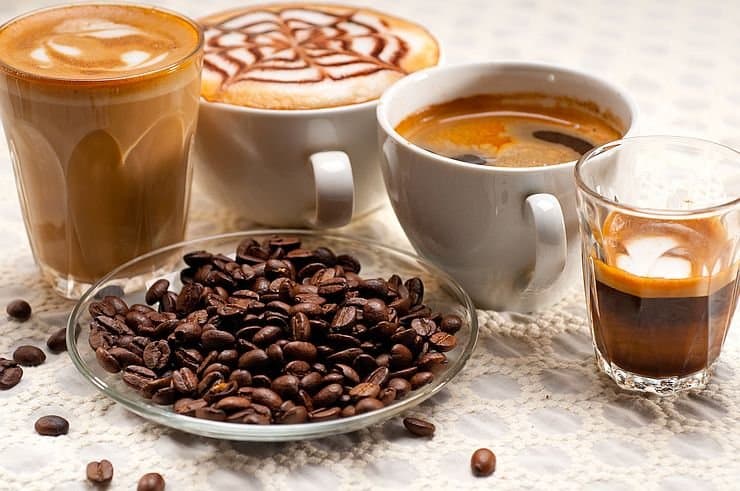
How to Build Your Own Espresso Drink Guides: Practice at Home
Consuming drink guides passively is useful. Building a personal practice around them is transformative. The home baristas who progress fastest aren’t necessarily the ones with the best equipment — they’re the ones who approach drink guides systematically.
Setting Up a Personal Tasting Log Alongside Your Guides
Keep drink guides and your tasting log side by side — literally or digitally. For each drink you attempt, note the guide’s target parameters, your actual parameters, and a three-word tasting note. Over weeks, you’ll build a personal reference library that’s more useful than any generic guide because it’s calibrated to your specific machine, water, and preferred beans.
A simple spreadsheet works perfectly. Columns for date, bean, roast level, dose, yield, time, milk temp (if applicable), and tasting notes. After 20–30 entries, patterns become obvious. You’ll know your machine’s sweet spot and won’t need to start from scratch with each new bean.
Moving Beyond Single Drink Guides to Cross-Drink Understanding
The most valuable skill a home barista can develop is understanding the relationships between drinks — seeing how changing one variable shifts a drink into a different category. A macchiato with slightly more milk becomes a cortado. A cortado with more milk becomes a flat white. A flat white in a larger cup with more foam becomes a cappuccino.
This cross-drink thinking is what drink guides should ultimately produce — not just the ability to follow a recipe, but the understanding to improvise, troubleshoot, and create. That’s the difference between a competent recipe follower and a real home barista.
Seasonal Drink Guides: Adapting Your Espresso Menu Year-Round
Professional cafés rotate their menus seasonally, and home baristas can do the same. In winter, rich milk-based drinks with warming spices (cardamom latte, cinnamon cappuccino) work beautifully. In summer, cold espresso drinks, espresso tonics, and light-roast iced lattes with minimal sugar showcase different aspects of the same machine.
Our seasonal drink guides section covers twelve months of espresso-based drinking, with specific bean recommendations, temperature adjustments, and serving suggestions for each season. It’s one of the most practical sections on this site for home baristas who want variety without losing consistency.
The Broader Drink Guides Landscape: Where Espresso Fits
It’s worth understanding where espresso drink guides sit in the broader world of beverage reference materials — because knowing what’s out there helps you find the right resource for the right question.
The cocktail industry has long had authoritative drink guides — resources like Difford’s Guide, which covers thousands of cocktail recipes with detailed histories and technique notes. The coffee world has historically relied more on barista training programs and certification bodies than publicly available drink guides. That gap is closing rapidly.
Alcohol consumption in the US fell from 67% of adults in 2022 to 54% in 2025, according to Gallup data — a significant shift driving more consumers toward premium non-alcoholic alternatives, including specialty coffee drinks. This context explains why high-quality coffee drink guides have become more culturally relevant than at any previous point. People who previously reached for a cocktail are now reaching for a well-made cortado or cold brew espresso drink.
What Separates Expert Drink Guides from Amateur Recipe Lists
The distinction matters practically. Amateur drink guides list ingredients and steps. Expert drink guides explain the underlying logic — why this ratio, why this temperature, what failure looks like and how to fix it, what variations are possible and what they produce.
Expert drink guides also acknowledge disagreement in the coffee community. There’s genuine debate about whether a flat white should use ristretto or standard espresso as its base, whether a cappuccino should be dry or wet, and whether the milk-to-espresso ratio in a latte should prioritize tradition or drinkability. Good drink guides present these debates rather than pretending one answer is universal.
Digital vs. Print Drink Guides: Which Should You Use?
Print drink guides have the advantage of permanence and credibility — classic books like “The World Atlas of Coffee” by James Hoffmann have become authoritative references that stand the test of time. Digital drink guides have the advantage of currency — parameters that were standard in 2018 have been refined by years of community experimentation and new equipment.
For espresso specifically, digital drink guides updated by active practitioners (barista competitors, roasters, equipment reviewers) tend to reflect current best practice more accurately. Use print references for historical context and digital resources for current technique. This site bridges both — we provide historically grounded context with regularly updated technical parameters.
Frequently Asked Questions
What are drink guides?
Drink guides are structured reference resources that outline the ingredients, ratios, techniques, and steps needed to prepare a specific beverage. For espresso, quality drink guides go beyond simple recipes — they explain extraction variables, milk texturing techniques, and troubleshooting steps so you genuinely understand the drink rather than just following instructions.
What is a drink guide for alcohol?
An alcohol drink guide typically covers cocktail recipes, spirit characteristics, mixing techniques, and glassware recommendations. Comprehensive alcohol drink guides like Difford’s Guide also include production history and tasting notes. For coffee enthusiasts, the structural approach of cocktail drink guides translates well to espresso — both drinks demand precision, quality ingredients, and technique.
How do you use a drink guide effectively?
Use drink guides as calibrated starting points, not rigid rules. Begin with the specified ratio and parameters, taste critically, and adjust one variable at a time. Track every change alongside the original guide’s targets. Over time, you’ll build personal notes that adapt the guide to your specific machine, water quality, and taste preferences — which is far more valuable than blind compliance.
What are the best drink guides for beginners?
Beginners should start with drink guides that cover the double espresso shot fundamentals before moving to milk-based recipes. On this site, the double espresso guide and the flat white guide are the best starting points — they cover the foundational skills (dialing in, milk steaming) that unlock every other drink. Understanding these two drinks well prepares you for the entire espresso menu.
Where can I find free drink guides for espresso?
Free espresso drink guides are available on this site in their entirety. Other reliable free resources include the Specialty Coffee Association’s public-facing educational content and the World Barista Championship recipe archives, which publish competitor recipes and techniques. YouTube channels from barista champions also function as excellent video-format drink guides complementing written resources.
What is the difference between a drink guide and a cocktail book?
A cocktail book is a curated, print-format collection of drink guides often organized thematically. Individual drink guides are typically single-recipe references optimized for quick use rather than cover-to-cover reading. For espresso, standalone drink guides updated digitally tend to be more practical because espresso technique evolves quickly — a book published five years ago may recommend parameters that community experimentation has since refined.
Are drink guides accurate for measurements?
Quality drink guides provide accurate target measurements, but accuracy in execution depends on your equipment and technique. Always weigh by mass (grams) rather than volume (milliliters) for espresso — crema makes volumetric measurement unreliable. Milk temperature should be verified with a thermometer until you’ve developed reliable hand-temperature instinct. Drink guides give you the target; calibrated tools help you hit it.
What is the best drinks espresso machine for beginners in 2026?
For beginners, we recommend starting with an entry-level drinks machine that includes PID temperature control and a standard 58mm portafilter. These two features provide enough control to learn proper extraction technique without overwhelming you with variables you cannot yet appreciate. Budget $300-500 for the machine and $150-250 for a quality burr grinder — the grinder investment is just as important as the machine at this stage.
How long do drinks espresso machines typically last with regular use?
With proper maintenance including regular backflushing, descaling every 2-3 months, and annual gasket replacement, a quality drinks machine should last 8-15 years of daily home use. Higher-end models with commercial-grade components like E61 group heads, brass boilers, and rotary pumps routinely last 20+ years. The most common failure points are scale buildup in the boiler, worn group gaskets, and pump motor fatigue — all of which are preventable with routine care or repairable for a fraction of the replacement cost.
Is it worth upgrading from a drinks entry model to a mid-range machine?
The upgrade is worth it only after you have maxed out what your current machine can do and you can consistently identify what is holding you back. If your main frustrations are slow steaming transitions, temperature instability between shots, or inability to steam and brew simultaneously, a mid-range dual boiler will solve those specific problems. However, if your shots are inconsistent due to grind quality or technique, upgrading the machine will not help — invest in a better grinder first, as grind quality accounts for roughly 60 percent of shot quality.
Detailed Buying Guide: Top Drinks Machines Compared
Choosing the right machine is where your drinks journey begins. We have tested dozens of options and narrowed it down to three recommendations across different price tiers. Each one represents the best value in its category for drinks enthusiasts in 2026.
Drinks Entry-Level Model — $300-500
Key Specifications: PID temperature control, 15-bar vibratory pump, compact stainless steel frame, single boiler design.
What We Like: Affordable entry point into quality espresso, reliable daily performance, easy to learn and maintain, good community support for modifications.
What Could Be Better: Limited to single boiler operation so no simultaneous steaming, basic steam wand, longer transition time between brewing and steaming.
Drinks Mid-Range Prosumer — $700-1200
Key Specifications: Dual boiler or heat exchange system, 58mm commercial portafilter, stainless steel or brass boiler, PID control.
What We Like: Excellent shot quality rivaling cafe espresso, simultaneous brewing and steaming capability, durable construction lasting 10+ years, full-size accessories compatible.
What Could Be Better: Heavier unit requiring dedicated counter space, requires separate quality grinder investment, steeper learning curve than entry-level machines.
Drinks Premium Reference — $1500-2500+
Key Specifications: E61 thermosiphon group head, rotary or vibration pump option, pressure profiling capability, PID on both boilers, premium materials.
What We Like: Professional-grade results indistinguishable from commercial machines, built to last 15-20 years with maintenance, maximum extraction control, heirloom build quality.
What Could Be Better: Significant financial investment, requires dedicated high-end grinder, complex maintenance schedule, large footprint and heavy weight, 20-40 minute warm-up time.
Maintenance and Longevity: Keeping Your Drinks Machine Running for Years
Proper maintenance is the single biggest factor determining how long your drinks machine lasts and how good your coffee tastes day after day. A well-maintained machine produces better espresso, costs less to repair, and can easily outlast a decade of daily use. Here is exactly what you need to do and when.
Daily Maintenance Routine
Purge the group head before and after every shot by running water through for 2-3 seconds. This flushes stale coffee residue and stabilizes the brewing temperature for your next extraction. Wipe the portafilter basket and group head gasket with a clean damp cloth after each use — coffee oils accumulate rapidly and turn rancid within hours, producing bitter off-flavors that contaminate every subsequent shot. Empty and rinse the drip tray at the end of each session to prevent bacterial growth, mold, and overflow sensor issues. If your machine has a steam wand, always purge steam for 2 seconds after frothing and wipe immediately with a dedicated microfiber cloth — dried milk bakes onto metal and becomes extremely difficult to remove.
Weekly Deep Clean
Backflush with a dedicated espresso cleaner like Cafiza or Biocaf once per week if you pull daily shots (machines with three-way solenoid valves only). Insert a blind basket into your portafilter, add a small amount of cleaner, lock in, and run the pump for 10 seconds. Release, wait 10 seconds, and repeat five times. Then remove the portafilter and run two more clean-water flushes. This dissolves the coffee oils that water alone cannot reach inside the group head and dispersion screen. Remove and soak your shower screen and dispersion plate in hot water with Cafiza for 15 minutes weekly — you will be surprised how much residue accumulates even with daily wiping. Soak your steam wand tip by unscrewing it and placing it in a cup of hot water with a drop of milk cleaner for 10 minutes.
Monthly and Quarterly Maintenance
Descale your machine every 2-3 months based on your water hardness — monthly if your TDS exceeds 150 ppm. Scale is calcium carbonate deposit that restricts water flow, reduces heating efficiency, and will eventually block or crack your boiler. Use a citric acid solution or the manufacturer’s recommended descaler — never use white vinegar, which leaves a persistent taste and can degrade rubber seals and certain alloys. Inspect your group head gasket quarterly by removing the portafilter and checking for cracks, hardening, or uneven compression marks. A worn gasket causes water to leak around the portafilter rim during extraction, dropping your brew pressure and producing thin, under-extracted shots. Replacement gaskets cost $5-10 and take 5 minutes to swap. Replace the gasket every 6-12 months regardless of visible wear — the silicone or rubber hardens with heat cycling.
Water Quality Is Non-Negotiable
Use filtered water with a mineral content between 50-150 ppm total dissolved solids. Water that is too soft (below 50 ppm) produces flat, lifeless espresso and can actually corrode copper and brass boiler components through a process called aggressive water corrosion. Water that is too hard (above 200 ppm) accelerates scale buildup exponentially — going from 100 ppm to 200 ppm roughly quadruples the rate of scale formation. A BWT Mg2+ filter pitcher adds magnesium for better extraction while reducing scale-forming calcium. For plumbed-in machines, install a BWT Bestmax or 3M Scaleguard inline filter. Test your water quarterly with a $10 TDS meter to verify your filtration is working correctly.
Who Should Buy a Drinks Machine — And Who Should Look Elsewhere
The Beginner (Budget: Under $500)
If you are new to espresso and want to learn proper technique without a massive upfront investment, an entry-level drinks machine is a solid starting point. Look for models with PID temperature control and a standard-size portafilter — these two features give you enough control to develop real skill while being forgiving of common beginner mistakes like inconsistent tamping pressure or slightly off grind settings. Expect a learning curve of 2-4 weeks before you are consistently pulling good shots. You will also need to budget $150-250 for a capable burr grinder — the grinder matters as much as the machine at every price tier. If you want push-button convenience with absolutely no learning curve, a super-automatic or Nespresso system will serve you better, and there is no shame in that choice.
The Daily Enthusiast (Budget: $500-1500)
You have been making espresso at home for at least six months. You own a dedicated burr grinder, you understand dose-yield-time relationships, and you are ready for better temperature stability, faster milk steaming, and finer control over your extractions. Mid-range drinks machines deliver a genuine and noticeable step up in build quality, thermal stability, and shot consistency that you will taste immediately. This tier is ideal for daily home baristas who pull 2-5 drinks per day and care about both straight espresso and milk-based drinks. If you primarily make milk drinks for the family each morning, a dual-boiler model at this tier saves significant time compared to a single-boiler machine where you have to wait between brewing and steaming. You should already understand extraction concepts at this level — otherwise you are paying for capabilities you cannot yet leverage.
The Prosumer (Budget: $1500+)
You have refined your palate to where you can taste the difference between 93 and 95 degree extraction temperatures. You own a high-end flat or conical burr grinder, and you want commercial-caliber results without leaving your kitchen. Premium drinks machines offer dual boilers, pressure or flow profiling, rotary pump options, and build quality that will last 15-20 years with proper care. This tier makes financial sense only if you have already mastered fundamentals on a simpler machine and genuinely need the additional control for experimentation — pressure profiling, temperature surfing, and ultra-precise flow rates. If you entertain frequently, run a small office coffee program, or simply refuse to compromise on shot quality after years of progression through the hobby, this is your destination. Just be prepared for a significant countertop footprint (most E61 machines need 14-16 inches wide by 18-20 inches deep), a 20-40 minute warm-up time, and a grinder investment that matches the machine’s capability.
Final Thoughts
Good drink guides don’t just teach you recipes — they build the underlying understanding that makes you a better, more confident home barista. Everything on this site is built around that principle.
These drink guides cover every major espresso-based drink, from the most concentrated ristretto to the most elaborate cold espresso creations, with the specific measurements, temperature ranges, and troubleshooting notes that generic coffee content typically skips. We’ve designed each guide to stand alone as a complete reference and to connect logically to every other guide in the cluster — so you can follow one thread of learning as far as your curiosity takes you.
The espresso drink guides on this site are living documents. As techniques evolve, as new equipment enters the home barista market, and as the specialty coffee community develops new standards, we update the guides accordingly. Bookmark this page as your central reference and return whenever you’re tackling a new drink or troubleshooting an existing one.
Start with the espresso fundamentals. Build your milk skills. Then explore the cold drinks, the specialty classics, and the seasonal variations. These drink guides are here for every stage of that journey — and there’s always more to learn.