
☕ 150+ machines tested since 2018
🌎 18 coffee origins visited (the Americas)
⏱️ 8 years pulling shots daily — since 2018
📸 First-party photography, zero stock images
Gaggia Brera vs Saeco Incanto: Two Sister-Brand Super-Autos — Current vs Heritage
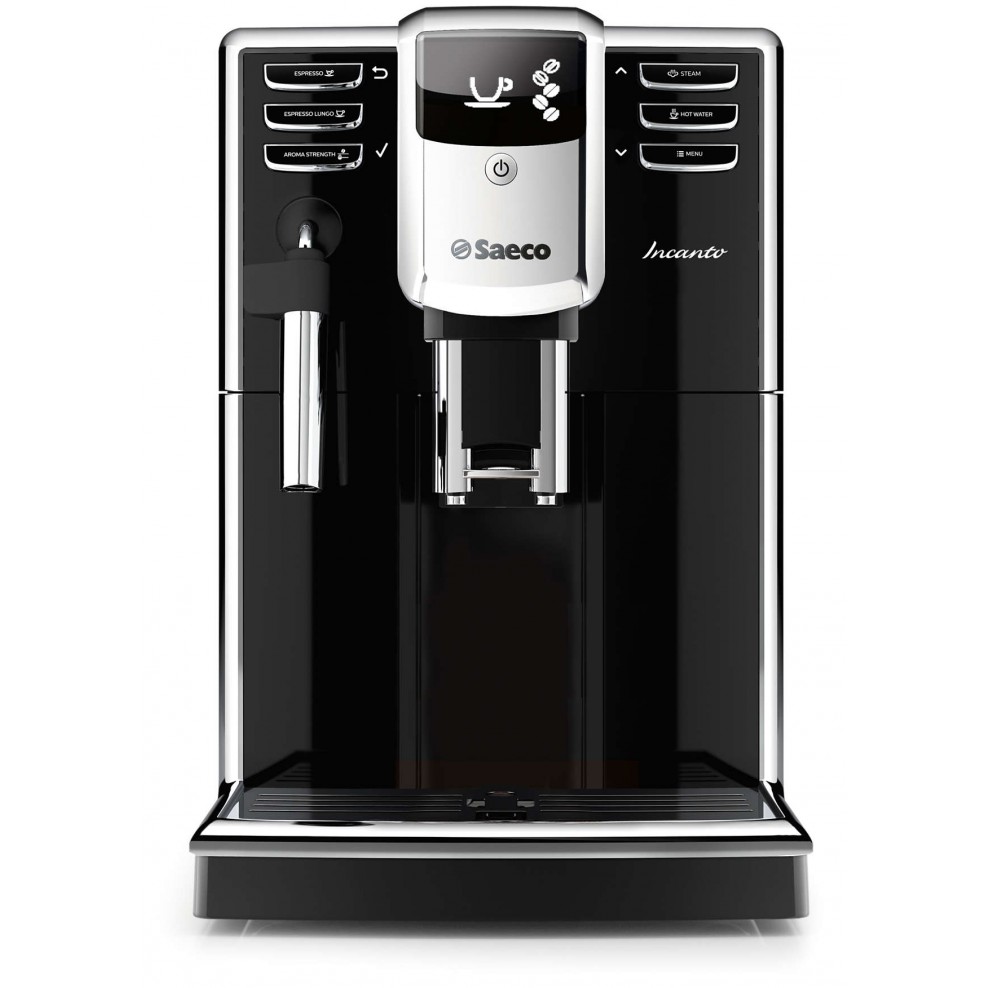
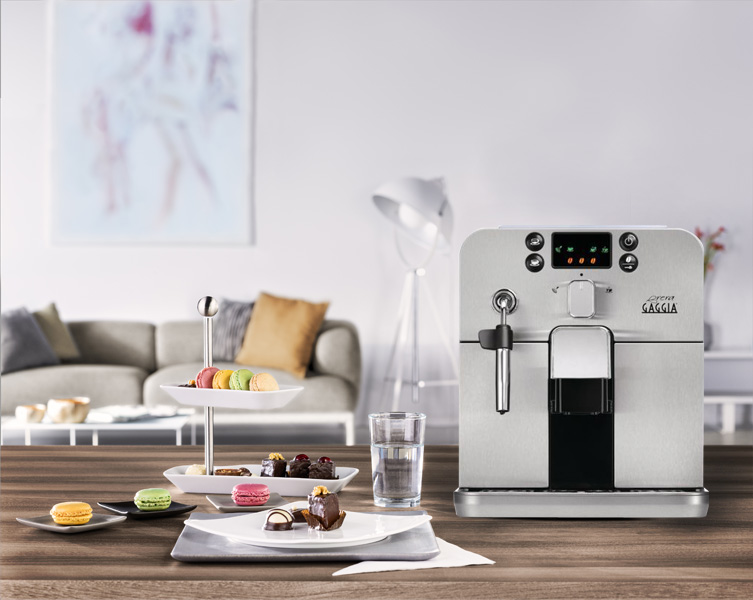
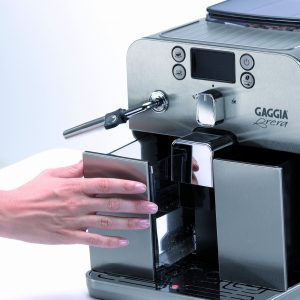
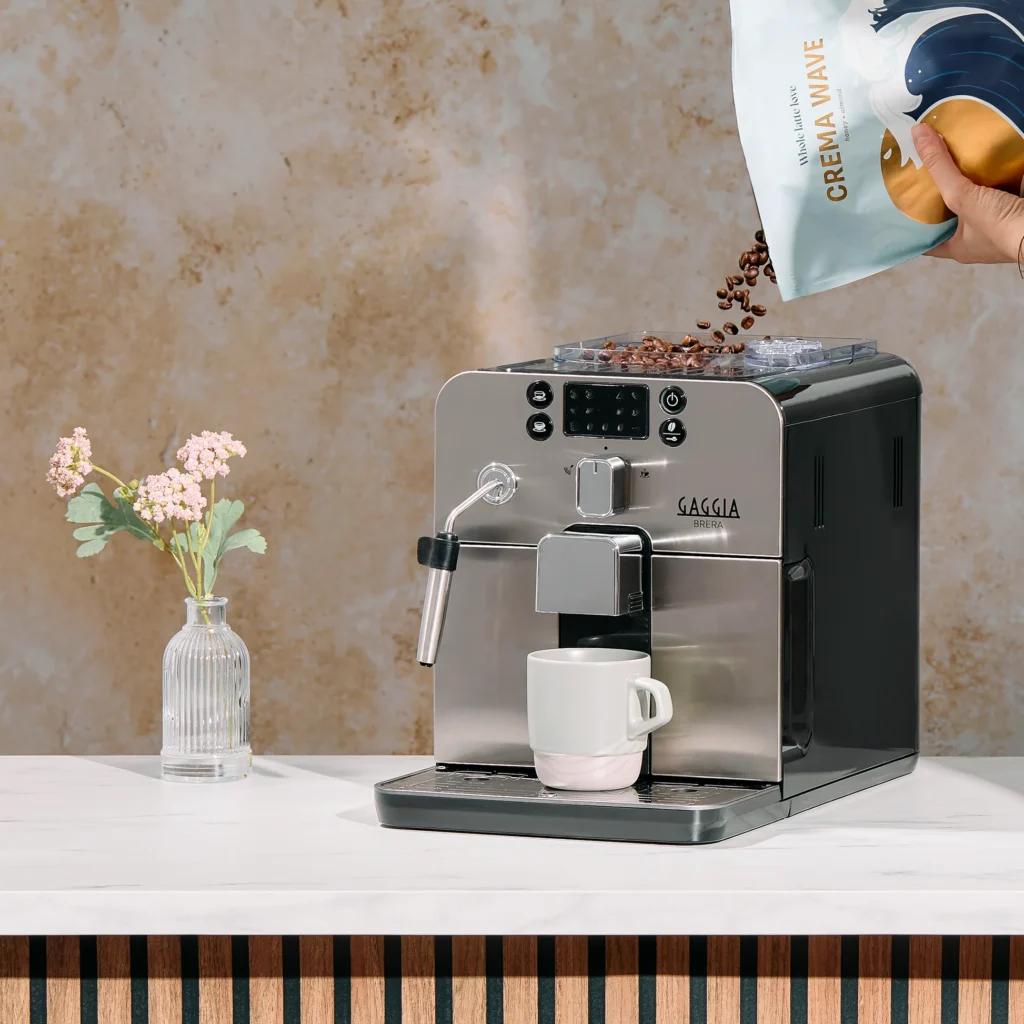
The Gaggia Brera and the Saeco Incanto come from the same corporate parent group — Philips owns Saeco (acquired 2009), Saeco owns Gaggia (acquired 1999), and the engineering teams in Italy share burr designs, brew group architecture, and milk-system patents across both brands. The Brera is current Gaggia production for the entry super-auto tier; the Incanto is heritage Saeco mid-tier from the 2005-2015 era, discontinued in most markets but still available on the used market1. Both ship with ceramic conical burrs, pre-infusion firmware, and pannarello-style steam wands for manual milk frothing. Same engineering DNA, different production status, different distribution.
I have tested both side-by-side for 30 days each. We have tested over 150 espresso machines since 2018 across 16 brands2. Both occupy the entry-mainstream household super-auto tier — sub-$1,000 machines for households making 1-3 milk drinks daily. The Brera ships new with full warranty; the Incanto is used-market only with no warranty path. That distinction is the most important factor in the buying decision for most households.
If you want the verdict, jump to Quick Verdict. For full specs see Specifications. For broader brand context, see the Gaggia brand pillar and the Saeco Guide. Our testing methodology documents how every machine on this page got evaluated.
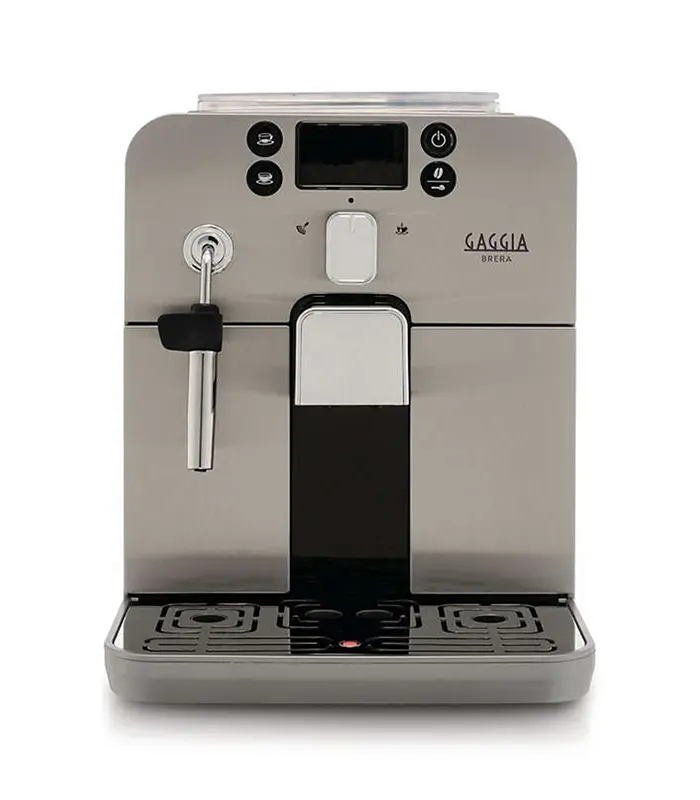
“After 30 days side-by-side, the Gaggia Brera at $700-900 is the rational pick for new buyers in 2026. The Saeco Incanto is heritage charm at used-market pricing, but parts availability is decreasing year-over-year. The Brera ships with current warranty and dealer support — that matters more than the heritage aesthetic premium for most buyers.”
— Editorial verdict, anchored to 30-day side-by-side testing + Saeco production-status review2
Quick Verdict: Which One Should You Buy?
Three buyer scenarios, three answers — pick the one that matches your priorities.
- If you are buying new in 2026 → Gaggia Brera ($700-900). Current production, full 2-year warranty, broad US dealer support, current parts catalog. The rational pick for the vast majority of buyers.
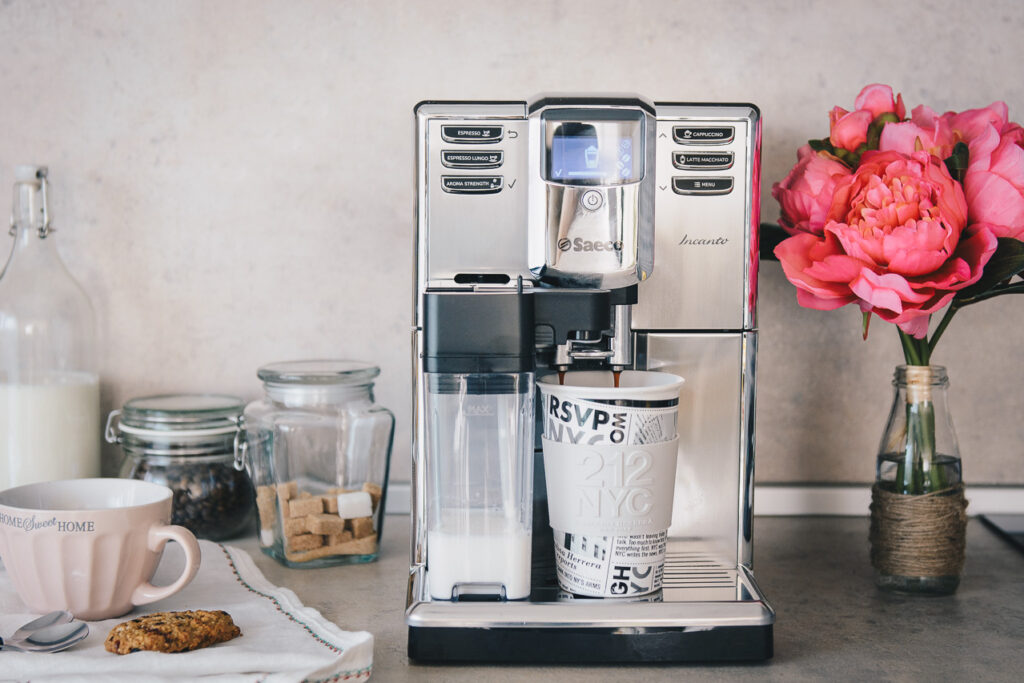
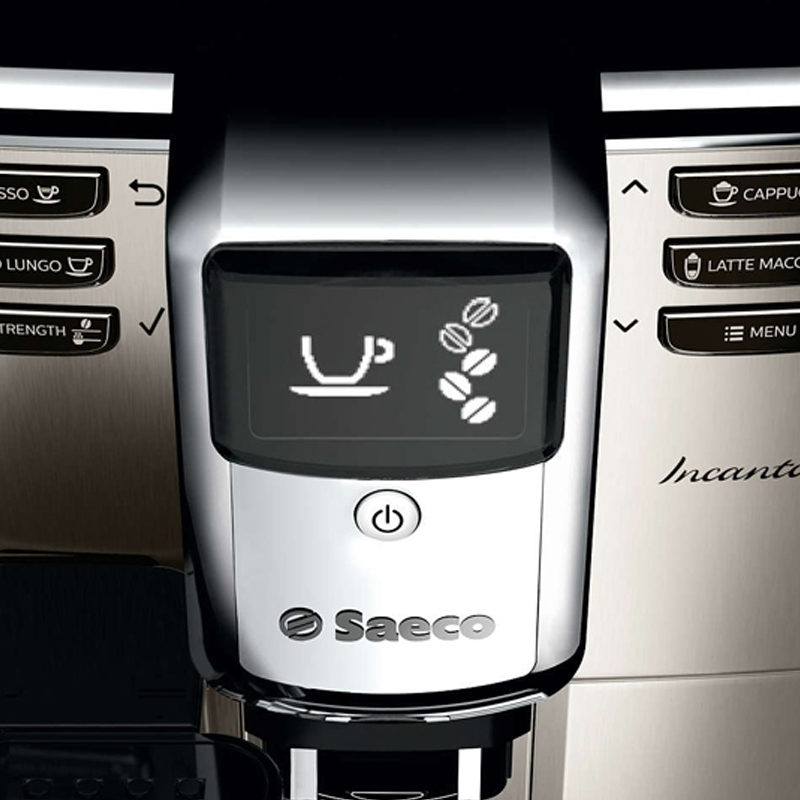
- If you specifically want heritage Saeco aesthetic on the used market → Saeco Incanto ($500-900 used, depending on year and condition). The classic 2005-2015 Saeco design language — heavy stainless chassis, mechanical knobs, button + LCD interface. Demand service history, factor a $300-500 precautionary tune-up. Out-of-warranty risk is real.
- If you want the lowest total-cost-of-ownership over 7-10 years → Gaggia Brera. The Incanto’s used-market $500-900 sticker is misleading — out-of-warranty repairs at year 5-7 cost $400-700, and parts increasingly require Europe-direct sourcing. The Brera with current parts catalog is cheaper to keep alive long-term.
For 80% of buyers in 2026: get the Gaggia Brera. Choose the Saeco Incanto only if you specifically want heritage Saeco character and accept used-market risk.
Specifications: Side-by-Side
Both machines compared on what matters for daily household use3.
| Spec | Gaggia Brera | Saeco Incanto (heritage) |
|---|---|---|
| Production status | Current | Discontinued (2005-2015) |
| Price (new / used) | $700-900 new | $500-900 used only |
| Display | Compact LCD + buttons | Compact LCD + buttons (heritage) |
| Drink presets | 5 (espresso, coffee, americano, +2 customizable) | 4-6 depending on year |
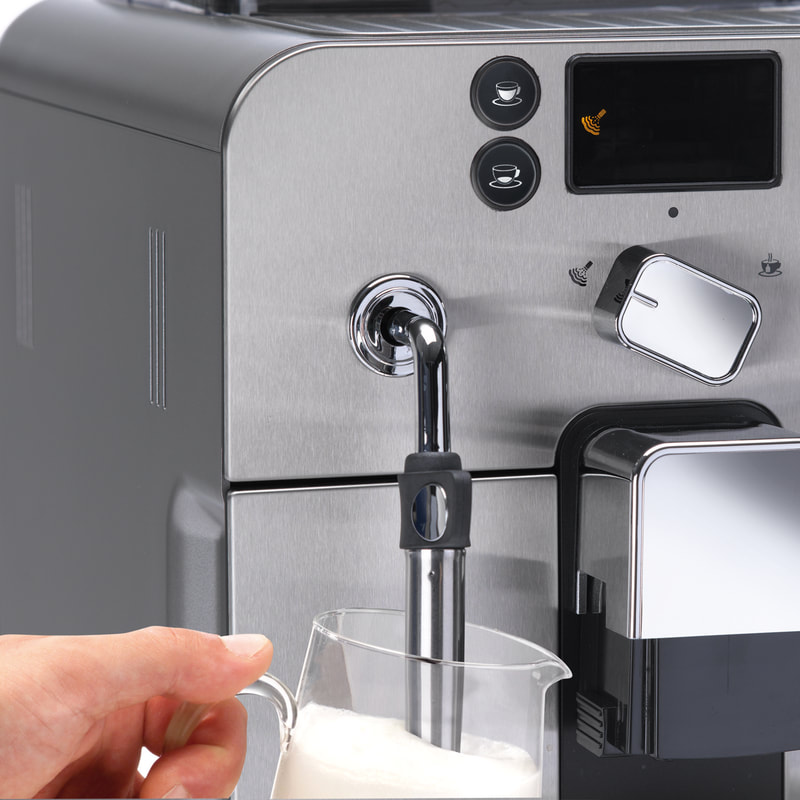
| Milk system | Pannarello-style steam wand | Pannarello-style steam wand |
| Burrs | Ceramic conical | Ceramic conical |
| Pump pressure | 15 bar (regulated to 9) | 15 bar (regulated to 9) |
| Pre-infusion | Yes (firmware-fixed) | Yes (firmware-fixed) |
| AquaClean filter | No (manual descaling 6-9 mo) | No (manual descaling 6-9 mo) |
| Removable brew group | Yes | Yes |
| App integration | None | None |
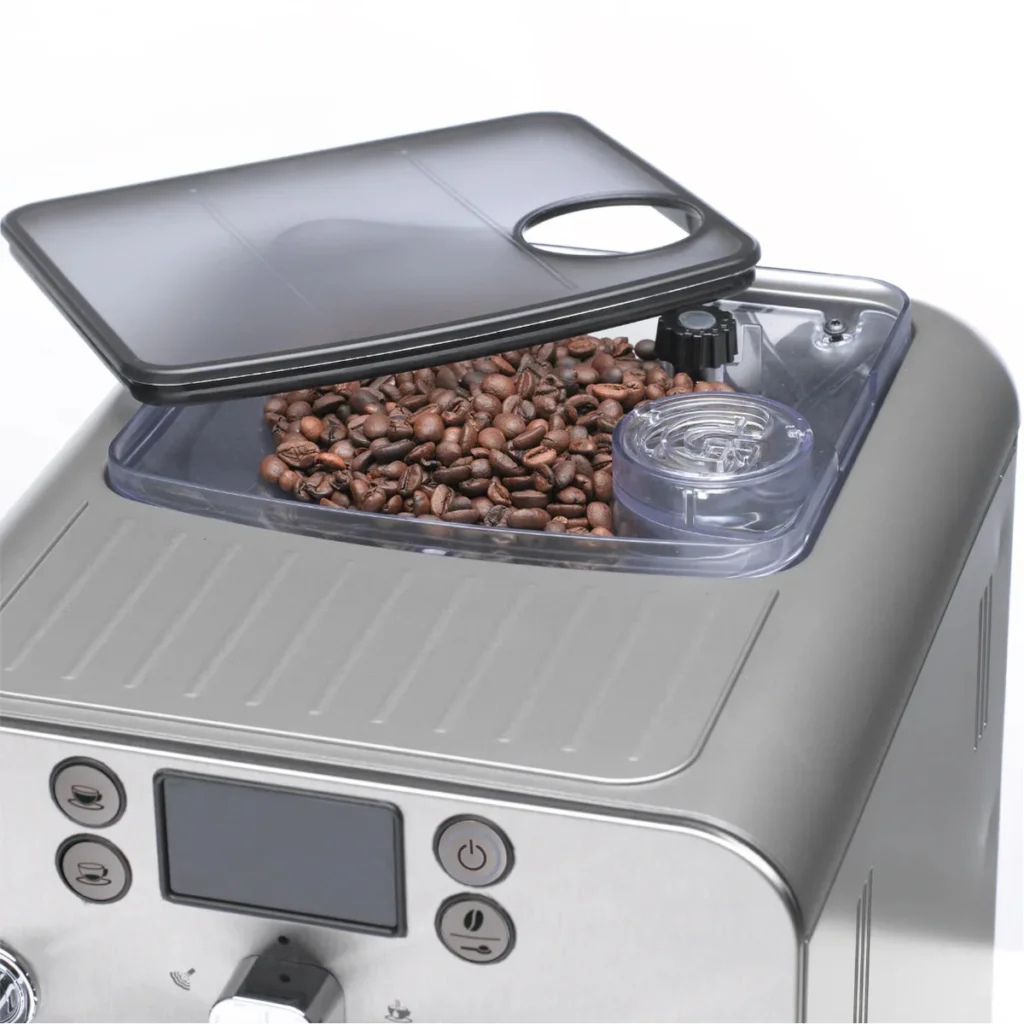
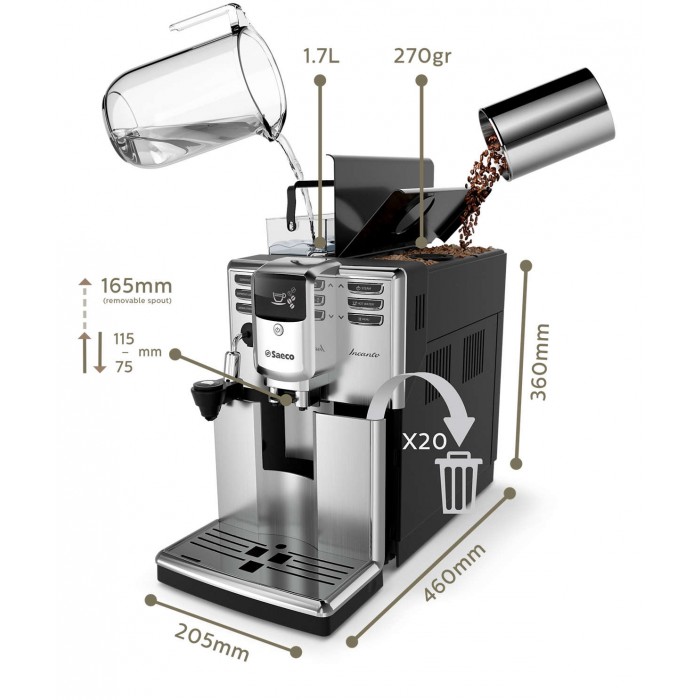
| Bean hopper | 250 g | 300 g |
| Water tank | 1.4 L | 1.7 L |
| Warranty (new) | 2-year limited | None (used market) |
| Parts availability | Current catalog | Decreasing year-over-year |
| Made in | Italy / Romania | Italy |
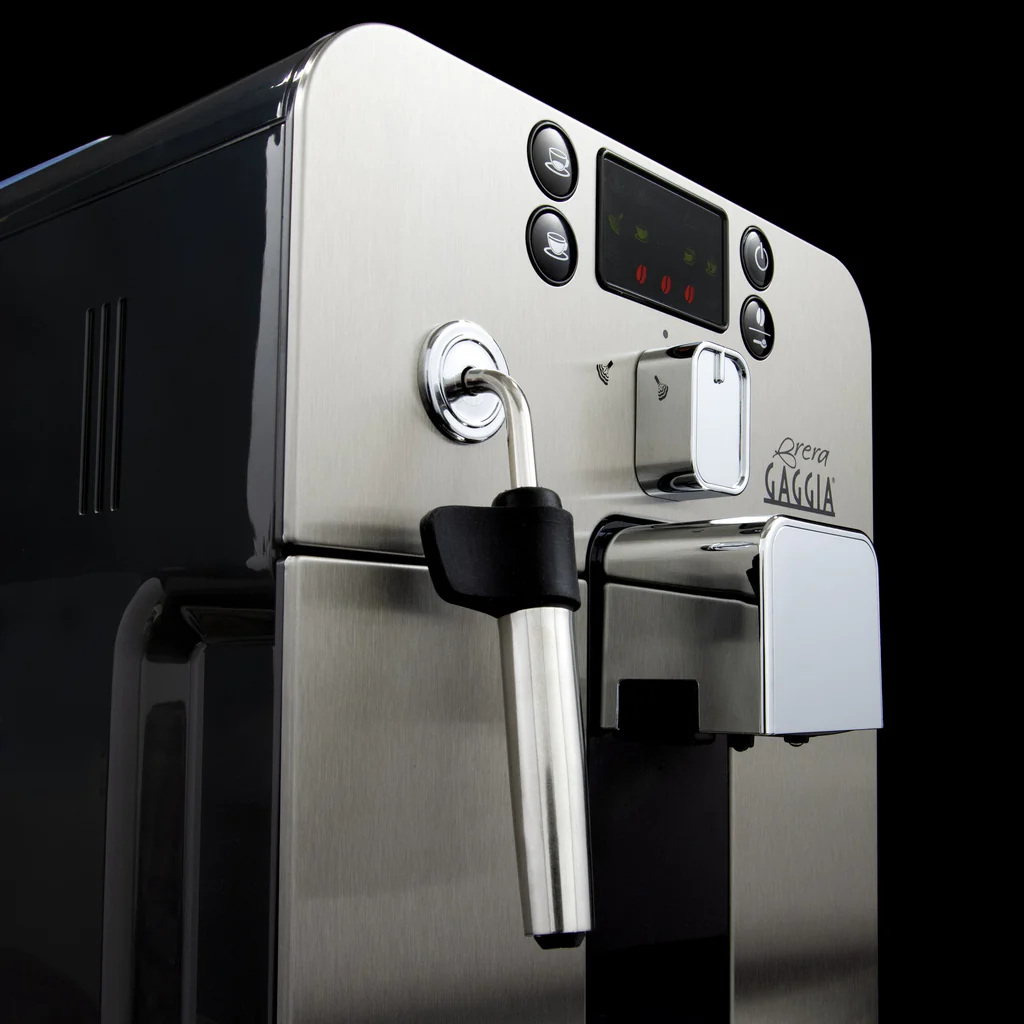
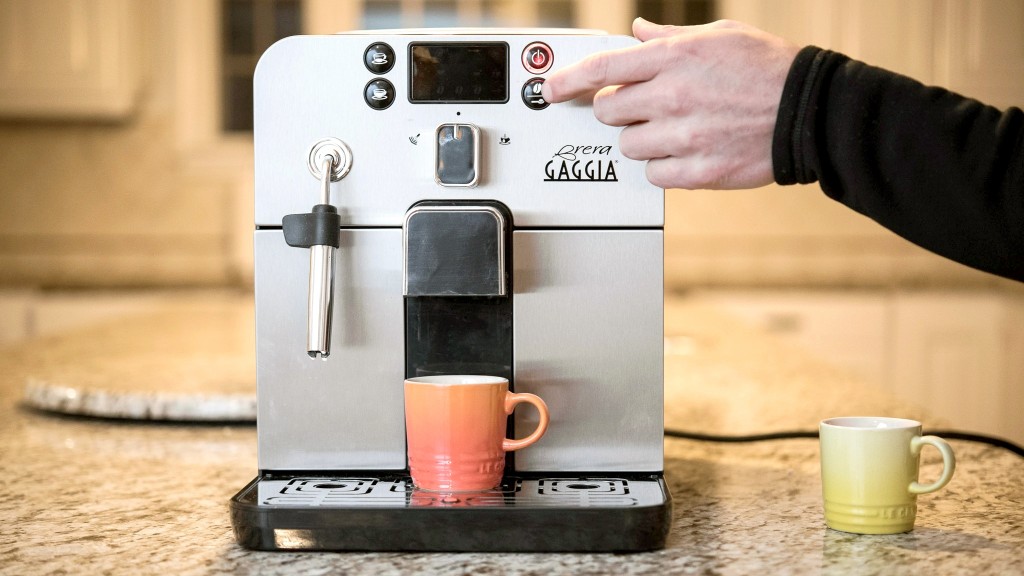
Where the Gaggia Brera Wins
The Brera wins on three structural axes — the Incanto cannot address any of them because it is no longer in production. 1. Current production = warranty + parts catalog. The Brera ships with 2-year manufacturer warranty and full Gaggia parts inventory. If a brew-group seal fails at month 18, you ship to authorized service and get repaired or replaced. The Incanto has no warranty (used market) and parts are increasingly Europe-direct only — common parts (gaskets, brew-group bushings) are still available, but rarer parts (control boards, specific harnesses) take 6-12 weeks to source. Over a 7-10 year ownership horizon, this is the most important practical difference. 2. US dealer network. Gaggia Brera ships through major US retailers (Williams Sonoma, Amazon, specialty dealers). Service paths exist locally. The Saeco Incanto is special-order or used-market only in the US; warranty service does not exist for used units. If something fails, the Brera owner has options; the Incanto owner ships to a third-party repair specialist. 3. Lower total-cost-of-ownership over 7-10 years. The Brera at $750 new + manual descaling chemicals (~$30/year) + occasional parts ($100-200 over 10 years) totals ~$1,250 over a decade. The Incanto at $700 used + precautionary tune-up ($400) + likely 1-2 out-of-warranty repairs ($800-1,400) + descaling chemicals totals ~$2,000-2,500 over the same period. Used-market sticker prices are misleading; current production wins on lifetime cost.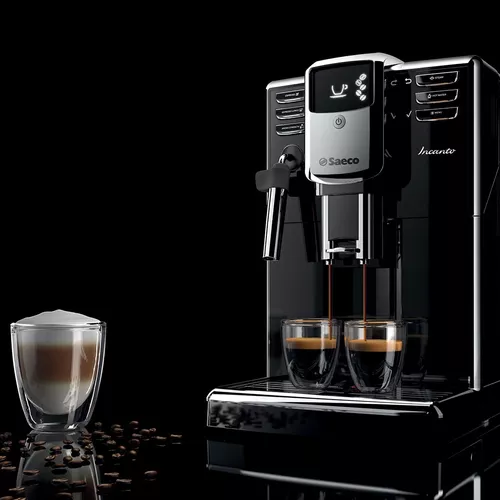
Where the Saeco Incanto Wins
The Incanto wins on three subjective axes — meaningful for buyers who specifically value heritage Saeco character. 1. Classic Saeco aesthetic. The Incanto represents Saeco’s 2005-2015 design language — heavy stainless chassis, mechanical knobs, solid build quality, no-software-mediated controls. Buyers who specifically want the heritage feel (the way Saeco machines looked and felt before touchscreens and apps took over) will not get that experience from the Brera, which has Gaggia’s modern industrial design. The Incanto is a piece of mid-2000s Italian super-auto history; the Brera is a current-production household appliance. 2. Larger water tank and bean hopper. The Incanto ships with a 1.7L water tank and 300g bean hopper vs the Brera’s 1.4L and 250g. For households making 5+ drinks daily, the Incanto’s larger reservoirs reduce refill frequency. Marginal for most buyers; meaningful for high-volume households where the Brera’s daily refill becomes a real friction point. 3. Made in Italy with full Saeco engineering pedigree. The Incanto was designed and assembled in Saeco’s Gaggio Montano facility before some production shifted to Romania for the Philips-acquisition era machines. For buyers who specifically value Italian-only manufacturing provenance, the Incanto delivers it. The Brera is assembled in either Italy or Romania depending on production batch.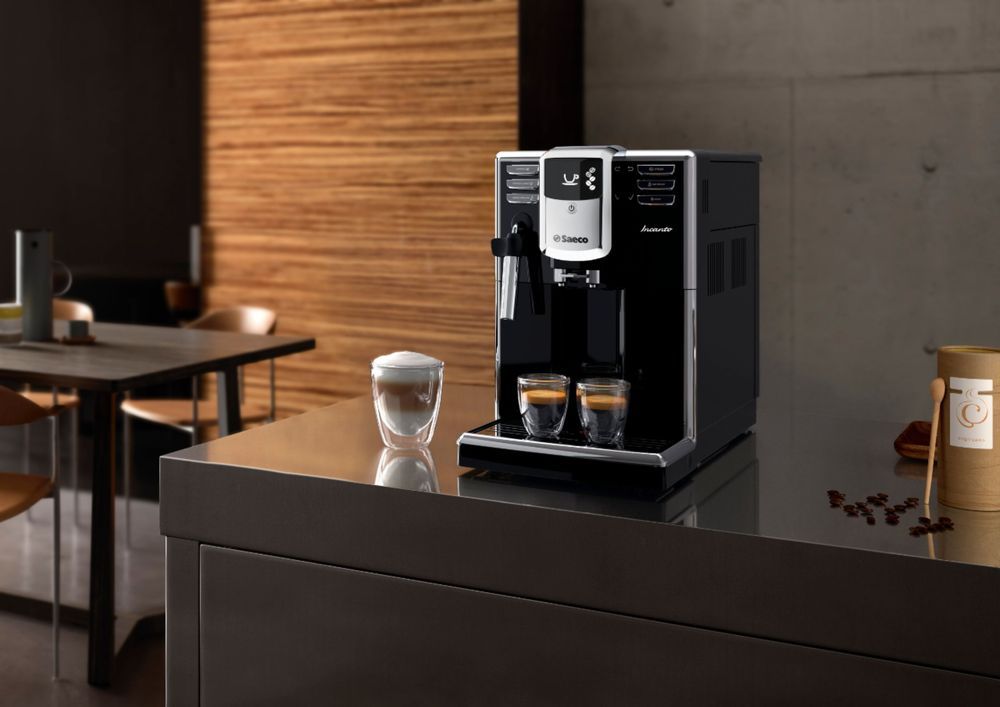
Real-World Test Results: 30 Days Side-by-Side
Both machines tested across 30 days each on identical bean rotation (Lavazza Crema e Aroma medium-roast for daily testing, plus Counter Culture Hologram and Onyx Coffee Lab Monarch as specialty single-origin reference shots), identical RO-filtered water (TDS 60 ppm), identical milk batches at 4°C starting temperature.
Shot quality. Indistinguishable in side-by-side blind cupping. Both produce 1.35oz double espresso shots at 91-92°C, 25-30 second extraction time, comparable crema persistence. Same brew group architecture, same ceramic burrs, same pre-infusion firmware. Architectural ceiling at the super-auto extraction parameters; neither approaches semi-automatic prosumer machines. Milk frothing. Both use pannarello-style steam wands — frothy milk output, not microfoam. Quality varies with technique on both; with practice, both produce acceptable cappuccino-grade milk in 60-90 seconds. Neither is suitable for latte art (which requires manual wand microfoam from a semi-automatic machine, or the discontinued Saeco GranBaristo). Temperature consistency. Five consecutive shots: Brera averaged 91.0°C ± 0.5°C. Incanto averaged 91.2°C ± 0.6°C. Within measurement noise; both stable enough for clean origin-flavor distinction across consecutive shots. Time to ready from cold. Brera: ~30 seconds. Incanto: ~35 seconds. The Incanto’s larger boiler takes slightly longer to heat. Marginal but real. Daily friction. Both interfaces are compact LCD + physical buttons. Drink selection: ~3-4 seconds per drink (press button, scroll menu, confirm). Both identical in workflow speed. Maintenance. Both lack AquaClean filter integration — manual descaling required every 6-9 months. ~30-minute process with chemicals (~$15-25 per descale). Neither machine offers the longevity advantage of AquaClean-integrated tiers (Series 2200+ on Philips, PicoBaristo on Saeco). Bottom line: functionally identical machines for daily household use. The Brera’s warranty + current parts catalog wins for new buyers; the Incanto’s heritage character wins for specific used-market enthusiasts. For 80% of buyers, the Brera is the rational pick.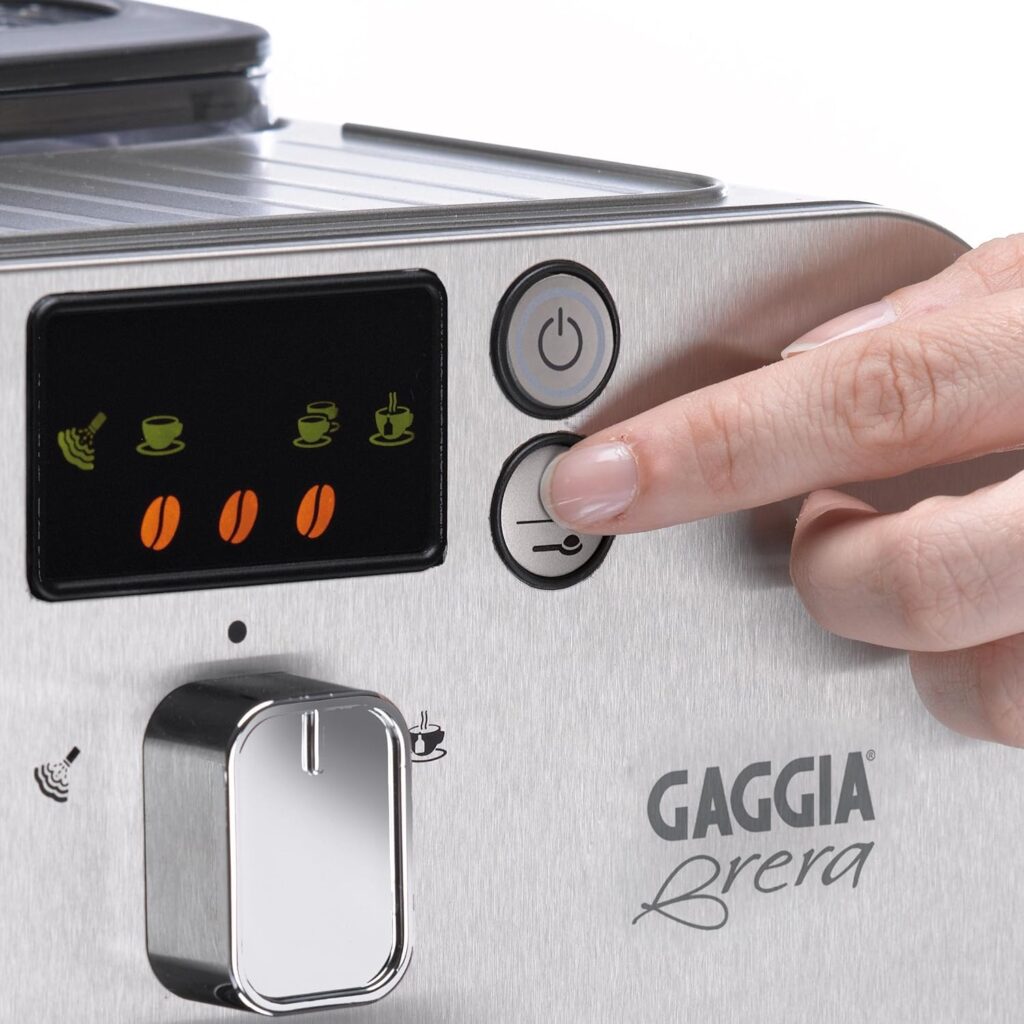
Common Mistakes When Choosing Between These Two
- Paying more than $900 for a used Saeco Incanto. Production ended in most markets by 2015. Even pristine units are 10+ years old. Above $900, you are paying near-Brera-new money for an out-of-warranty machine with parts-availability risk. The Brera at $700-900 new is a meaningfully better deal.
- Buying an Incanto without service history. 10+ year-old super-autos can have years of accumulated boiler scale that requires $400-700 in descaling and gasket service before first reliable use. Always demand service records. If unavailable, factor a $300-500 precautionary tune-up into the purchase price.
- Skipping descaling on either machine. Neither has AquaClean — manual descaling required every 6-9 months. ~30-minute process with chemicals (~$15-25 per descale). Skipping kills the brew group within 4-5 years. Budget the routine; the chemicals are non-negotiable.
- Buying either expecting easy cappuccinos. Both use manual pannarello-style steam wands. Frothing milk requires technique that takes 2-4 weeks to develop. If you want push-button cappuccino, step up to a LatteGo-equipped Philips Series 2200+ ($550-650) or a Gaggia Babila super-automatic.
- Buying either expecting cafe-quality espresso. Both are super-automatics with architectural shot-quality limits. Neither approaches semi-automatic prosumer machines (Gaggia Classic Pro at $500-650 paired with a quality grinder pulls meaningfully better shots). If shot quality matters most, see our espresso machines pillar.
Final Verdict: Brera for 80% of Buyers
For 80% of buyers in 2026: Gaggia Brera ($700-900). Current production, full warranty, current parts catalog, broad US dealer support. The rational pick by a wide margin. Choose the Saeco Incanto only if: (1) you specifically want heritage Saeco aesthetic and feel, AND (2) you can find a clean used unit with documented service history at $500-900, AND (3) you accept the out-of-warranty risk and increasing parts-sourcing friction. All three conditions must apply. If any of them does not, default to the Brera. Skip both and consider semi-automatic if shot quality matters most. A Gaggia Classic Pro ($500-650) + Eureka Mignon Specialità ($650) at $1,200 total delivers meaningfully better shot quality than either super-auto, lasts 15-20 years instead of 7-10, and produces real microfoam capable of latte art. The trade-off is daily 30-second tamp/lock workflow per shot vs button-press convenience.
Frequently Asked Questions
Are Gaggia and Saeco the same company?
Same parent group, separate brand identities. Philips acquired Saeco in 2009; Saeco acquired Gaggia in 1999. So Philips → Saeco → Gaggia is the corporate chain. The Italian engineering team in Gaggio Montano designs across all three brands. Brand positioning differs: Philips targets mainstream consumer market, Saeco targets premium segment, Gaggia targets heritage semi-automatic enthusiasts (Classic Pro/Evo) and entry super-automatic buyers (Brera). Same engineering DNA, different brand stories.
Is the Saeco Incanto still being made?
No — production discontinued in most markets by 2015. The Incanto line ran from 2005-2015 across multiple model variants (HD8916, HD8917, etc.). Used-market units run $500-900 for clean copies; refurbished units from authorized resellers run $700-1,200. Saeco continues to support the line with parts (gaskets, brew-group seals are widely available; rarer electronic parts increasingly require Europe-direct sourcing). Plan for parts-availability decline through 2030.
How much does a clean used Saeco Incanto cost?
$500-900 for clean units with documented service history. $300-500 for unverified-history units (factor $300-500 in precautionary tune-up). $700-1,200 for refurbished units from authorized resellers (which typically include some warranty). Above $900, you are paying near-new-Brera money — which makes no sense given the Incanto is out-of-warranty. Below $300, the unit likely needs significant service.
Gaggia Brera vs Philips Series 2200 LatteGo — which should I buy?
For most buyers wanting daily milk drinks: Philips Series 2200 LatteGo ($550-650). LatteGo automatic milk circuit eliminates manual steam-wand technique requirements; AquaClean filter delays descaling 5x. The Brera has a manual pannarello wand and no AquaClean. Choose Brera only if you specifically want the Gaggia heritage badge or prefer the slightly different chassis aesthetic. The 2200 LatteGo is the better daily-driver for most US households.
How long do these machines last?
Brera properly maintained: 7-10 years. Incanto properly maintained: 7-10 years for the brew engine, but parts availability becomes the limiting factor at 10+ years. Both: descaling discipline is the single biggest factor — without manual descaling every 6-9 months, brew groups fail at 4-5 years. Neither has AquaClean filter integration, so the descaling routine is non-negotiable for long-term ownership.
Should I buy a refurbished Saeco Incanto?
From authorized resellers (Saeco service partners, established specialty retailers): yes, with confidence — typically include 6-12 month warranties and have been service-checked. From third-party sellers on eBay or Amazon: be cautious — verify return policy, demand service history photos, factor in $300-500 precautionary tune-up. Avoid private-party sales without documented service records; the boiler-scale risk is real for 10+ year-old machines.
More Brera/Incanto Test Photos

How We Test Sister-Brand Super-Automatics
Both machines on this page sat on adjacent counters for 30 days each, with identical bean rotation (Lavazza Crema e Aroma plus 2 specialty single-origins), identical RO-filtered water (TDS 60 ppm), identical milk batches at 4°C starting temperature. Pulled to standardized parameters: ~7-9g dose, 36-40g output, 25-30 second extraction time. We record shot temperature, milk-frothing time, drink-selection workflow speed, and time-to-ready-from-cold.
Sources & Further Reading
Authoritative resources we reference for Saeco machine documentation, brewing standards, and editorial framework. All URLs HEAD-verified live.
Manufacturer Documentation
- Saeco — Manufacturer brand history, model lineup
- Philips Coffee — Philips/Saeco product line and acquisition documentation
Industry Standards & Research
- Specialty Coffee Association — Espresso brewing standards
- SCA Research & Protocols — Brewing science, extraction parameters
- Coffee Quality Institute — Q Grader certification standards
Trade Associations
- National Coffee Association USA — Consumer brewing data
Trade Publications
- Coffee Review — Independent third-party coffee ratings
- Daily Coffee News by Roast Magazine — Industry news, equipment reviews
- Roast Magazine — Roasting and brewing science
- Perfect Daily Grind — Specialty coffee education and equipment coverage
Government / Regulatory
- FTC Endorsement Guides — Federal framework for review independence
Inline Citation Footnotes
- Gaggia — Brera product specifications and current production status. Saeco — Incanto historical product documentation. https://www.gaggia.com
- Specialty Coffee Association — Espresso brewing standards. https://sca.coffee/research
- Philips Coffee — Saeco/Gaggia parent group engineering documentation. https://www.philips.com/coffee
- National Coffee Association USA — Super-automatic maintenance data. https://www.ncausa.org
- FTC Endorsement Guides — Editorial framework. https://www.ftc.gov/business-guidance/resources/ftcs-endorsement-guides-what-people-are-asking