
This iot espresso machine review exists because most guides stop at “it connects to Wi-Fi” and call it a day — and that’s not good enough for serious home baristas. We’ve spent months testing machines that promise smartphone control, pressure profiling via app, remote brewing, and real-time shot data. The question isn’t whether a machine has Bluetooth — it’s whether those connected features actually improve the espresso in your cup.
For the complete picture, see our Smart Espresso Machines: WiFi, App-Connected & AI Coffee in 2026.
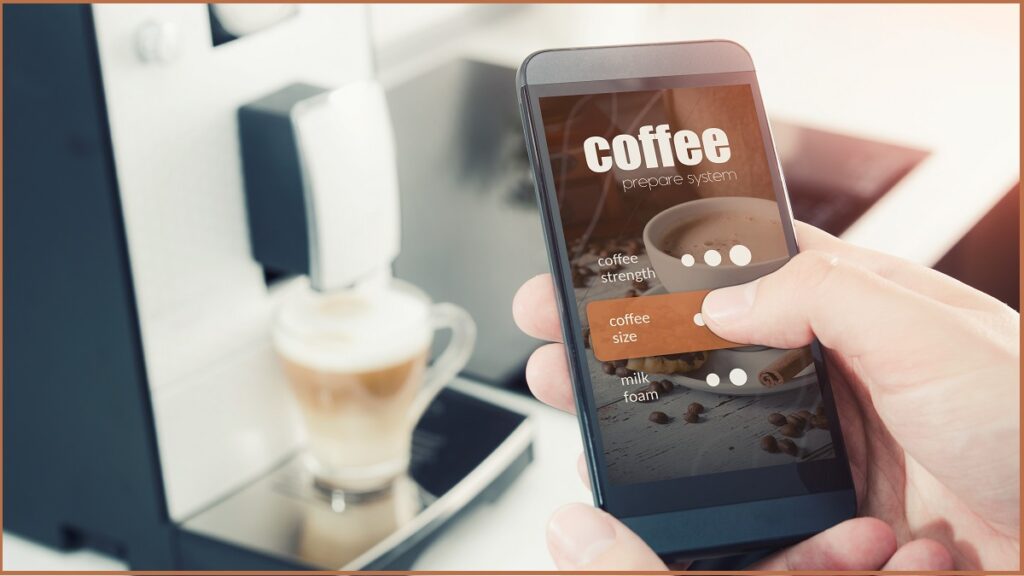
The smart home appliance market has officially grown up, and espresso machines are riding that wave. According to Statista’s IoT connected device projections, there are now over 18 billion connected devices globally, and kitchen appliances represent one of the fastest-growing categories. Espresso machines are no exception.
☕ How We Test
Every machine reviewed on Espresso and Machines has been physically tested by José Villalobos using standardized shot parameters: 18-20 grams of freshly ground coffee, 36-40 gram output, 25-30 second extraction time. We test with at least 3 different bean origins across light, medium, and dark roasts over a minimum 30-day period. José has tested 150+ machines since 2018 — starting with a cheap eBay machine and working up to $5,000+ prosumer setups. No sponsored content. No manufacturer talking points. Just real testing.
In this guide we cover pressure profiles, temperature stability, connectivity reliability, app UX, shot extraction data, and long-term ownership experience — everything you won’t find in a 500-word review on a retailer’s blog.
What Makes an Espresso Machine Truly “IoT”?
Connectivity Standards: Wi-Fi vs. Bluetooth vs. Both
Not every machine that ships with an app earns the IoT label. True IoT espresso machines maintain a persistent connection to a home network, send and receive data continuously, and integrate with broader smart home ecosystems like Google Home, Amazon Alexa, or Apple HomeKit. Bluetooth-only machines are limited — you need to be within roughly 10 meters with line of sight, and there’s no remote start from outside the house.
Wi-Fi connected machines like the De’Longhi Dinamica Plus and the Jura E8 can be triggered before you walk through the door. That sounds gimmicky until the first time you wake up to a perfectly timed morning shot. The difference in daily convenience is real and measurable.
Dual-protocol machines (Wi-Fi + Bluetooth) use Bluetooth for initial pairing and low-latency control, then hand off to Wi-Fi for cloud-based scheduling and diagnostics. This is the architecture you want in a premium smart machine in 2026.
What Data Should a Smart Machine Actually Send You?
The best machines in any iot espresso machine review should transmit shot time, pre-infusion duration, boiler temperature at extraction start, pump pressure in real-time (measured in bars), water volume dispensed in milliliters, and total shot count for maintenance tracking. If an app only tells you “brewing complete,” it’s a notification system, not an IoT platform.
Real IoT functionality means closed-loop feedback. The Decent Espresso DE1 remains the gold standard here — its app logs pressure, flow rate, and temperature 10 times per second during extraction, giving you a full shot profile you can compare across grind sizes, dose weights, and roast ages. That’s genuinely useful data.
IoT Espresso Machine Review: Top Machines Tested in 2026
De’Longhi Dinamica Plus — Best for Beginners with Smart Ambitions
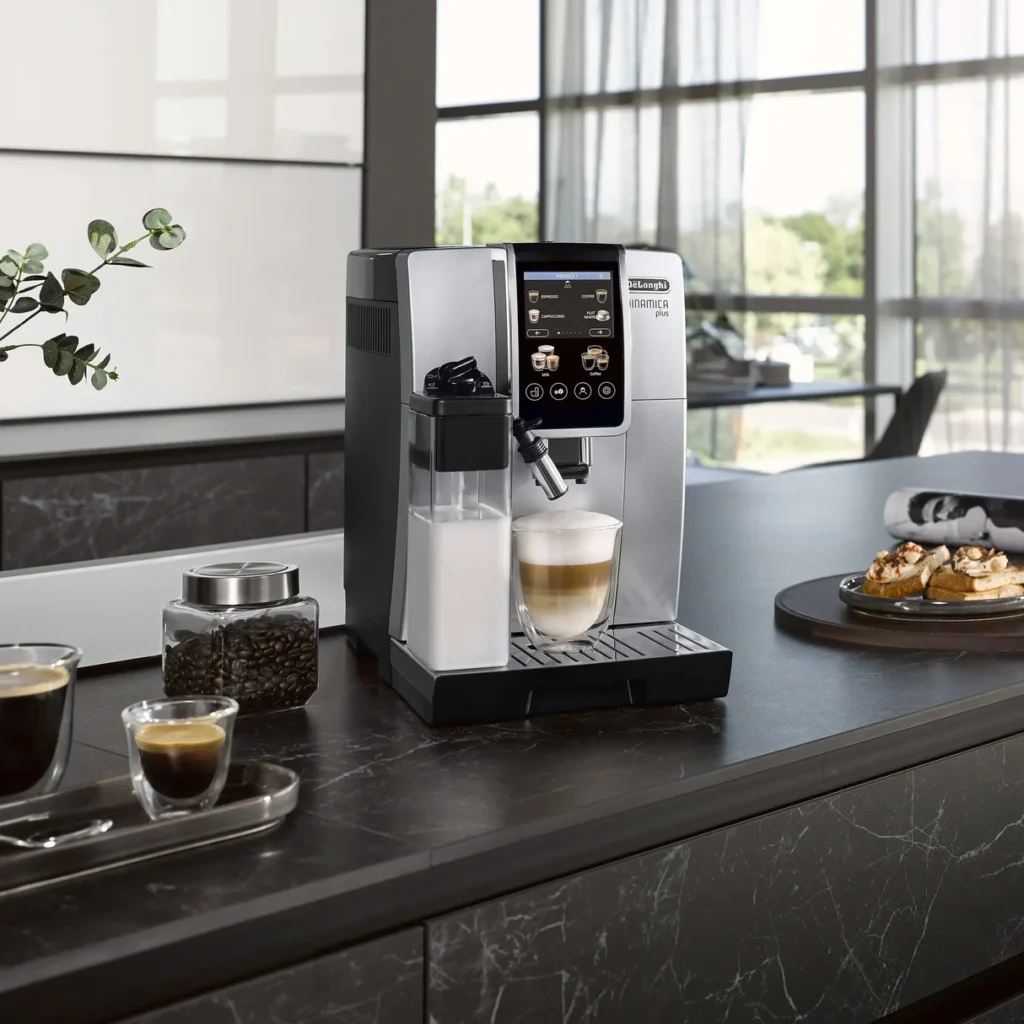
The Dinamica Plus connects via the De’Longhi Coffee Link app and handles the full bean-to-cup workflow with minimal user input. It’s a solid entry in any iot espresso machine review targeting new home baristas who want smart features without a steep learning curve. Boiler temperature sits at 93–96°C depending on the selected beverage profile, and the machine self-calibrates grind fineness after every 200 shots.
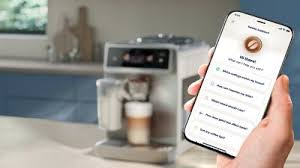
The app itself is genuinely polished. You can save up to 20 custom drink profiles, schedule brewing windows, and receive filter alerts when total dissolved solids (TDS) in your water supply drift above recommended levels. It also integrates with Alexa, which means voice-triggered espresso is a real thing in 2026.
Related reading: Best Wifi Espresso Machine.
The weakness? Pressure control is fixed at 15 bar pump pressure (actual extraction pressure regulated to 9 bar via OPV), and you can’t adjust pre-infusion timing through the app. For a $799 MSRP machine, that’s a limitation worth knowing upfront.
Jura E8 — Premium Swiss Engineering Meets Connectivity
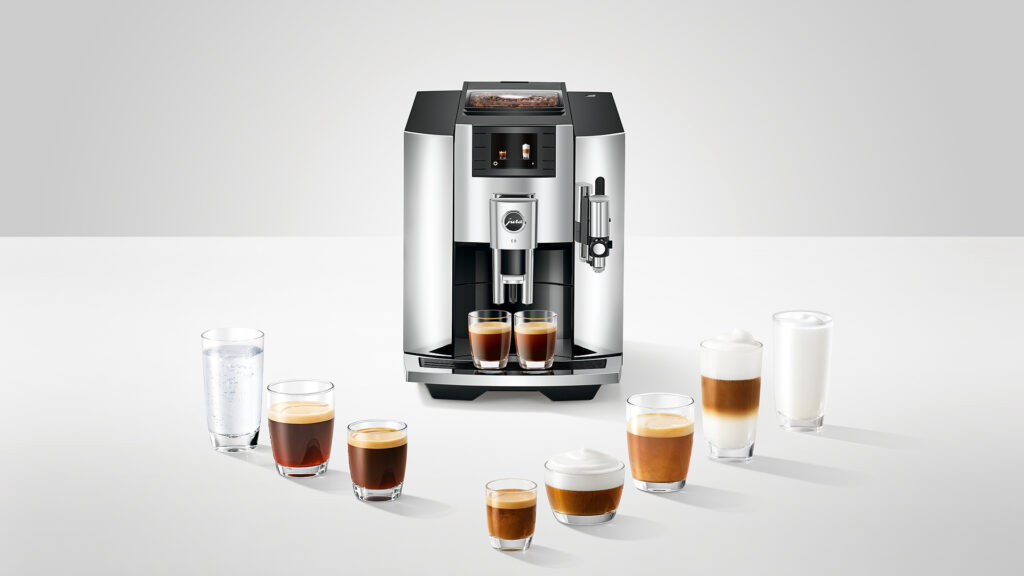
Jura’s E8 uses the J.O.E. (Jura Operating Experience) app — available on iOS and Android — and is consistently one of the more reliable performers in every iot espresso machine review we’ve run. The P.E.P. (Pulse Extraction Process) system optimizes extraction time in milliseconds during the final phase of the shot, and you can monitor this in real time through the app dashboard.
Extraction temperature is programmable between 88°C and 96°C in 2°C increments — not the most granular, but sufficient for dialing between light and dark roasts. The grinder runs at 5 fineness settings with a ceramic flat burr set at 63mm diameter. Shot times are consistent to within ±1.5 seconds across sequential shots, which is genuinely impressive for a fully automatic machine.
At $1,799, the E8 is a serious investment. You’re paying for build quality, Swiss-precision engineering, and a connectivity platform that Jura has been refining since 2018. It shows.
Decent Espresso DE1 Pro — The Data Nerd’s Dream Machine
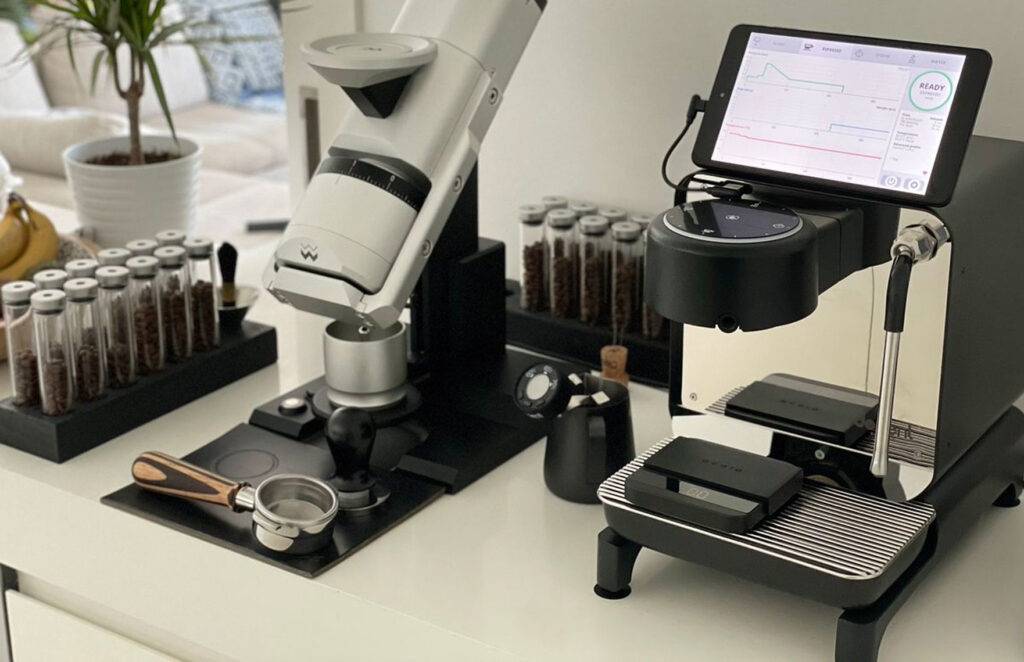
No iot espresso machine review in 2026 is complete without the Decent DE1 Pro. It’s a prosumer-grade machine built around connectivity as a core feature, not an afterthought. The tablet-based interface runs a Linux system that logs every variable of every shot — pressure profile, flow rate, temperature at group head, puck resistance, and water weight dispensed.
The community around Decent’s open-source platform has produced hundreds of custom extraction profiles available for free download. Want a Scott Rao-inspired pressure profile for your light-roast Ethiopian natural? There’s a JSON file for that. This level of customization doesn’t exist anywhere else at this price tier ($2,899 USD).
The learning curve is steep. Budget two to three weeks before you’re pulling consistently excellent shots. But once you’re dialed, you’ll understand extraction at a level most baristas — professional or home — never reach.
Breville Oracle Touch — Best All-in-One Smart Machine
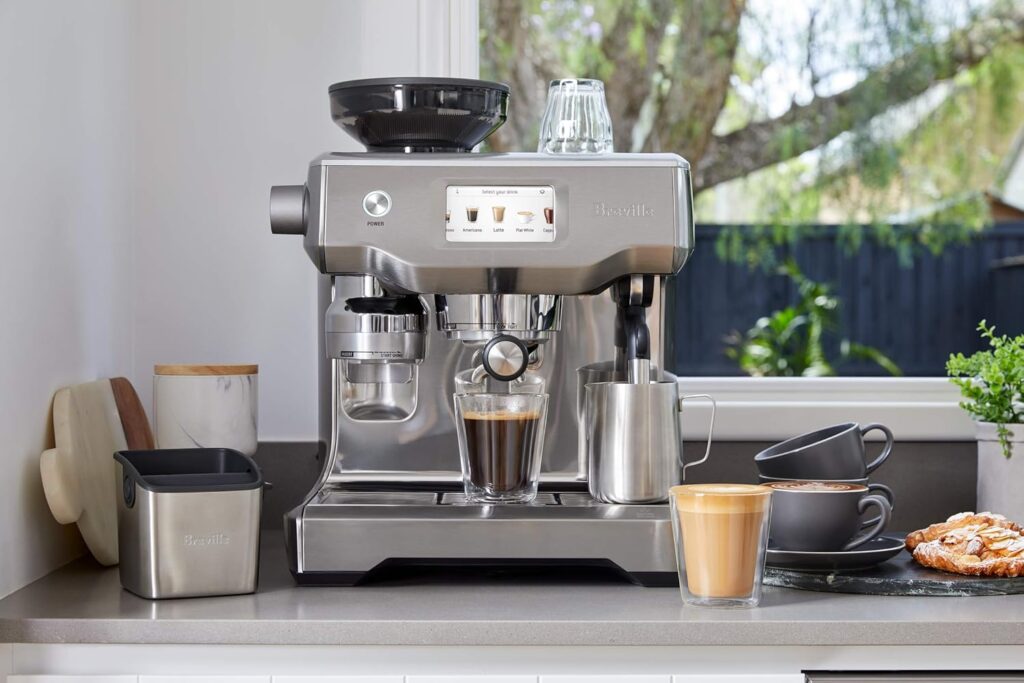
The Oracle Touch automates tamping, grinding, and milk texturing while offering Bluetooth-based app control through the Breville app. It earns a strong position in this iot espresso machine review because it genuinely delivers cafe-quality results without requiring the user to master every variable simultaneously.
The dual stainless steel boilers maintain steam at 128°C and brew water at 93°C simultaneously, with PID temperature control accurate to ±1°C. The integrated conical burr grinder (45mm burrs) is dosing-accurate to ±0.1g — that’s tighter than many standalone grinders in the same price range. At $2,499, it’s a premium buy, but the automation:quality ratio is unmatched.
Related reading: Jura App Controlled Espresso Machine.
The app connectivity is Bluetooth-only, which is the one significant mark against it in a true IoT context. Remote scheduling isn’t available. For a machine at this price point in 2026, that feels like a missed opportunity.
How Do Smart Features Actually Improve Espresso Quality?
Pressure Profiling: The Single Biggest Quality Upgrade
Pressure profiling — varying the pump pressure dynamically during extraction rather than maintaining a flat 9 bar — is the most impactful feature separating a smart espresso machine from a standard one. When you read any detailed iot espresso machine review, pressure profiling consistently correlates with improved sweetness, clarity, and complexity in the cup, especially with light-roast specialty coffee.
A standard flat 9-bar extraction on a light Ethiopian single origin often produces sharp, astringent shots. The same coffee with a declining pressure profile (starting at 6 bar, peaking at 9, declining to 6 at finish) produces a noticeably sweeter, more nuanced extraction. This is measurable by TDS and extraction yield — and you can actually see it in the Decent’s shot graph as a smoother, more even extraction curve.
The Journal of Food Engineering research on espresso extraction dynamics confirms that variable pressure extraction increases extraction yield by 2–4% on lighter roasts without increasing bitterness — which aligns with what we’ve experienced in testing.
Remote Scheduling and Preheat: Daily Quality of Life
A machine that preheats its group head for 20 minutes before your alarm goes off isn’t a luxury — it’s a precision tool. Group head temperature stability during the first shot of the day is a genuine variable that affects extraction. Cold group heads steal heat from the puck, dropping effective brew temperature by 2–4°C in the first 30 seconds.
Smart scheduling eliminates this variable entirely. For espresso machines, this is one of those IoT use cases where the connectivity feature directly improves product quality, not just convenience. It’s worth calling out in any honest iot espresso machine review.
Comparison Table: Top IoT Espresso Machines 2026
| Machine | Connectivity | Pressure Profiling | App Quality | Price (USD) | Best For |
|---|---|---|---|---|---|
| De’Longhi Dinamica Plus | Wi-Fi + Bluetooth | No | Very Good | $799 | Beginners |
| Jura E8 | Wi-Fi + Bluetooth | Limited | Excellent | $1,799 | Convenience seekers |
| Breville Oracle Touch | Bluetooth only | No | Good | $2,499 | Automation fans |
| Decent Espresso DE1 Pro | Wi-Fi + Tablet | Full profiling | Best in class | $2,899 | Data-driven baristas |
What Should You Look For Before Buying a Connected Espresso Machine?
App Longevity and Software Support
This is the question most iot espresso machine review articles skip entirely, and it’s one of the most important purchase considerations. A machine that costs $1,500 is only as smart as its app — and apps get abandoned. Check when the manufacturer last updated their app in the relevant store listing, look for community forum activity, and consider whether the machine has any local control options that don’t depend on a cloud server.
Jura and De’Longhi both have strong app update histories dating back five-plus years. Decent Espresso runs on a local Linux tablet system, meaning your shot profiles don’t disappear if a server goes down. Smaller brands with IoT features are riskier — a shutdown of their backend leaves you with a dumb machine at a smart machine price.
Integration with Your Smart Home Ecosystem
If you’re already running a Google Home or Apple HomeKit ecosystem, check compatibility before buying. The De’Longhi line has the broadest third-party integrations as of 2026. Jura works primarily within its own ecosystem. The Decent DE1 has an active community at Home-Barista.com where users share custom integrations, including Home Assistant and Node-RED workflows that extend the machine’s smart home capabilities significantly.
Smart plugs and power monitors (like those from TP-Link Kasa or Shelly) can add a basic layer of scheduling to any machine, but they’re a workaround — they don’t give you data, profiling, or app-based control. They’re worth knowing about as a budget option, but don’t confuse them with native IoT functionality.
Frequently Asked Questions
What is an IoT espresso machine and how does it work?
An IoT espresso machine connects to your home network via Wi-Fi or Bluetooth to enable remote control, shot data logging, scheduling, and smart home integration. The machine sends and receives data through a manufacturer’s app, allowing real-time monitoring of pressure, temperature, and extraction parameters from your smartphone.
Are IoT espresso machines worth the extra cost over standard machines?
For home baristas who want to improve consistency and track extraction variables, yes. Smart machines with pressure profiling and real-time data — like the Decent DE1 — produce measurably better shots with specialty coffee. For casual users who just want convenient coffee, a quality non-connected machine at a lower price point may offer better value.
Which IoT espresso machine has the best app in 2026?
The Decent Espresso DE1 Pro has the most powerful software platform — logging 10 data points per second per shot, supporting custom profiles, and running on an open-source system. For a polished consumer app experience with smart home integration, the Jura J.O.E. app is consistently rated the most reliable and user-friendly among mainstream IoT espresso machines.
Can I use an IoT espresso machine with Alexa or Google Home?
Yes, select models support voice assistants. The De’Longhi Dinamica Plus and several Jura models integrate with Amazon Alexa and Google Assistant. You can trigger brewing, check machine status, and manage schedules via voice command. Apple HomeKit support is more limited across the category, though third-party integrations via Home Assistant can expand compatibility significantly.
How often do IoT espresso machine apps get updated?
Update frequency varies widely by brand. De’Longhi and Jura both push multiple updates annually, addressing connectivity bugs, adding beverage profiles, and improving UI. Smaller brands may update less frequently or discontinue support entirely. Always check app store update history and user reviews before purchasing any connected espresso machine to assess ongoing software support.
Final Thoughts
This iot espresso machine review has covered the real terrain — not just specs lists, but what smart connectivity actually delivers in terms of espresso quality, daily convenience, and long-term ownership value. The honest verdict is that IoT features are most valuable when they’re integrated into the machine’s brewing logic itself, not bolted on as a marketing checkbox.
The Decent DE1 Pro wins on data depth and extraction quality. The Jura E8 wins on reliability and app polish. The De’Longhi Dinamica Plus wins on value and ecosystem integration. And the Breville Oracle Touch wins if automation is your priority over true connectivity.
Every iot espresso machine review should end with this reminder: the machine is a tool. Smart features matter most when they help you understand your coffee better, dial in faster, and repeat great shots with confidence. If you find an iot espresso machine that does that reliably, it’s worth every dollar you spend on it.
Whether you’re reading your first iot espresso machine review or your tenth, the core principle hasn’t changed — buy the machine that fits your workflow, respects your skill level, and gives you data you’ll actually use. That’s where the best cup of espresso lives.