
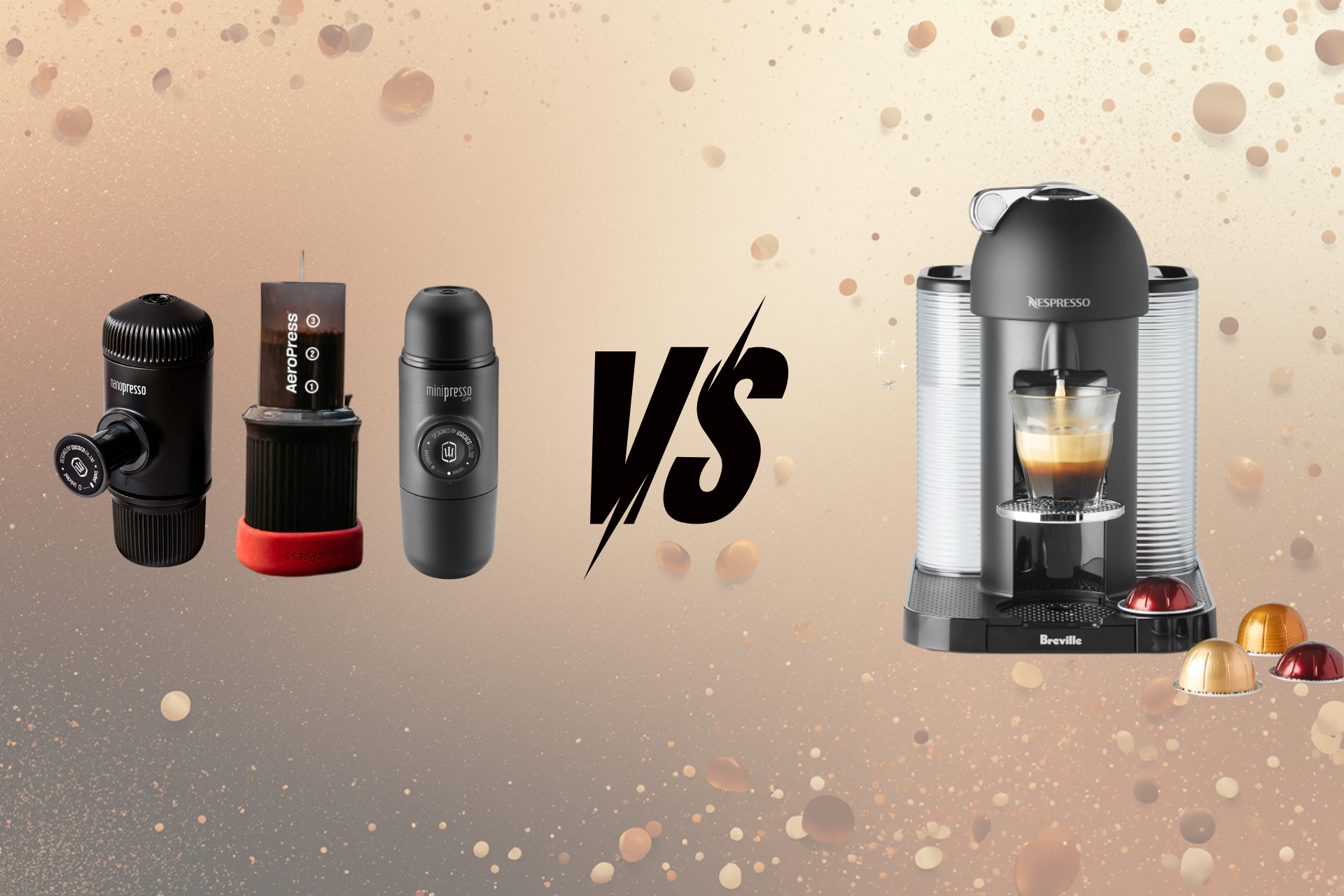
The debate around portable espresso vs Nespresso has intensified as both categories matured dramatically over the past few years, and if you’re standing at that crossroads right now, this guide will give you every answer you need. We’re talking real-world shot quality, total cost of ownership, travel portability, environmental impact, and the kind of nuanced detail that most reviews skip entirely. Let’s get into it.
For the complete picture, see our Best Portable Espresso Makers: Complete Guide 2026.
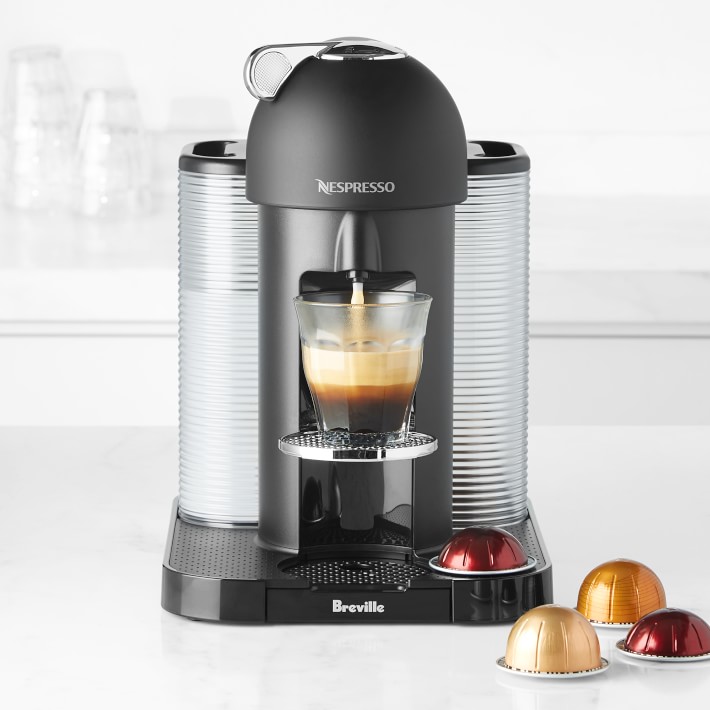
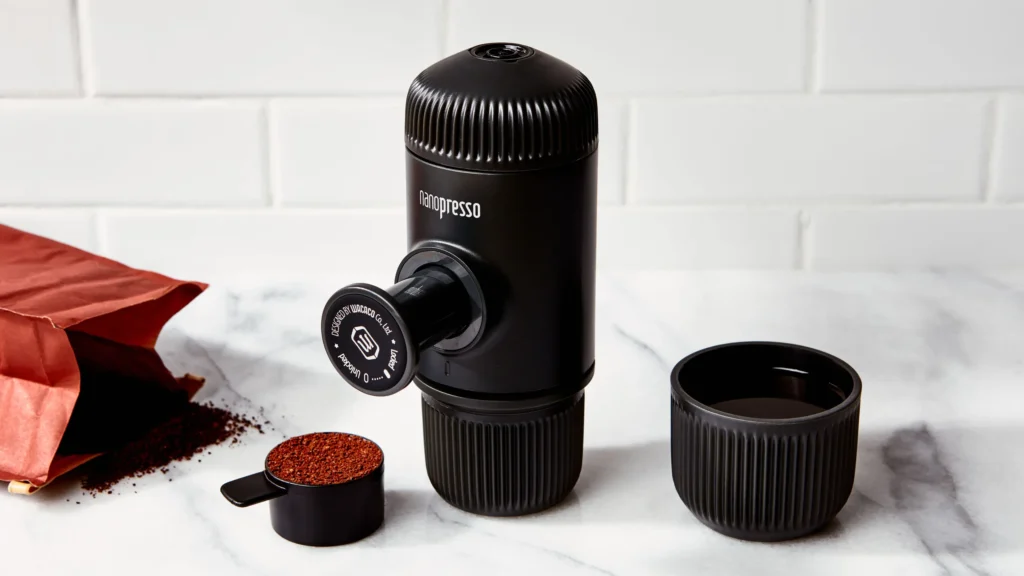
I’ve pulled shots on everything from a Wacaco Nanopresso to a Nespresso Vertuo Next, and I’ve tested both systems in hotel rooms, campsites, and office kitchens. The difference in experience is significant — and it depends almost entirely on what you actually value in a cup of coffee.
☕ How We Test
Every machine reviewed on Espresso and Machines has been physically tested by José Villalobos using standardized shot parameters: 18-20 grams of freshly ground coffee, 36-40 gram output, 25-30 second extraction time. We test with at least 3 different bean origins across light, medium, and dark roasts over a minimum 30-day period. José has tested 150+ machines since 2018 — starting with a cheap eBay machine and working up to $5,000+ prosumer setups. No sponsored content. No manufacturer talking points. Just real testing.
Before we break down each category in depth, here’s a quick orientation: portable espresso machines are manual or semi-manual devices powered by hand pressure, compressed air, or a small pump, requiring no electricity. Nespresso machines are electric, pod-based espresso systems made by Nestlé, available in the Original Line and Vertuo Line formats. Both promise café-quality coffee on the go — but they deliver that promise in very different ways.
What Separates Portable Espresso vs Nespresso in Terms of Brew Quality?
Extraction Mechanics and Pressure
Pressure is the foundation of espresso, and this is where the portable espresso vs Nespresso conversation gets technical fast. True espresso requires 9 bars of consistent pressure applied to finely ground coffee for 25–30 seconds. Nespresso’s Original Line machines achieve this reliably at 19 bars of pump pressure — though the effective extraction pressure at the coffee puck is closer to 9 bars due to flow restrictors.
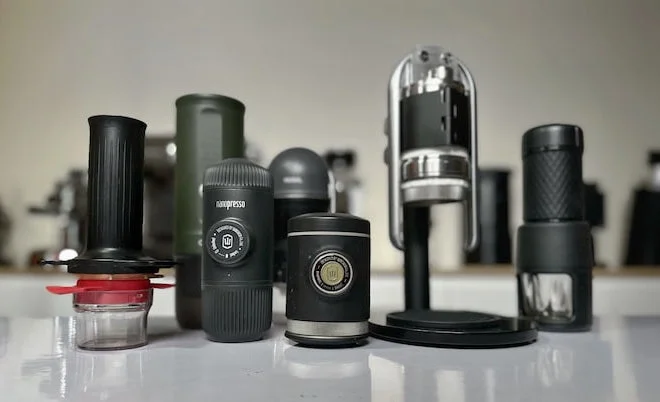
Portable espresso machines like the Wacaco Nanopresso and Minipresso can generate between 8 and 18 bars, depending on the model and how hard you pump. The Cafflano Kompresso claims up to 9 bars through lever action. The Outin Nano, which includes a small electric heating element, gets surprisingly close to café standards when dialed in correctly.
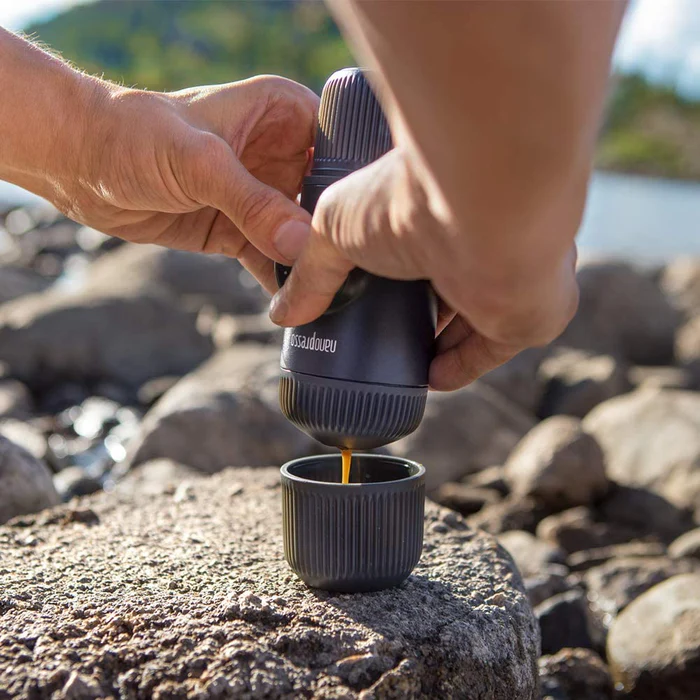
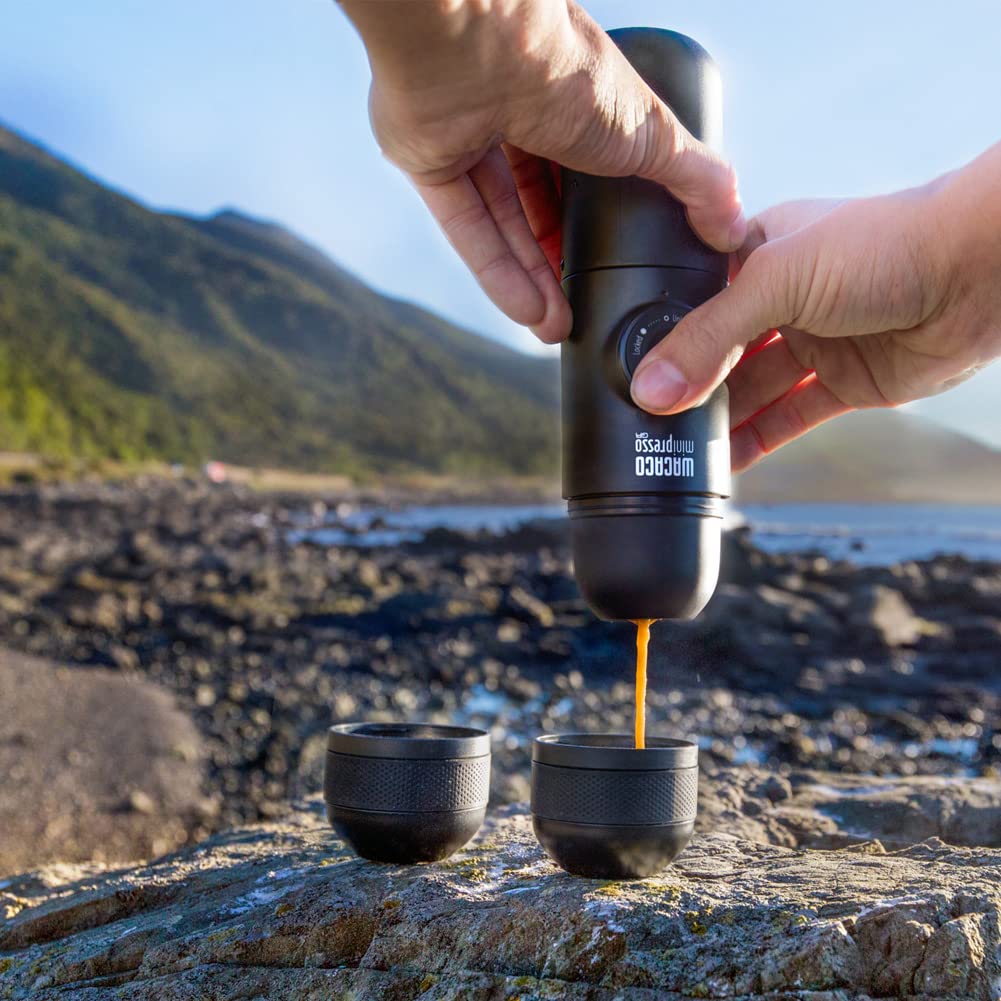
Nespresso’s Vertuo Line uses a completely different technology called Centrifusion — it spins the pod at up to 7,000 RPM to extract coffee through centrifugal force. This produces a longer, crema-topped coffee drink, but purists argue it’s closer to lungo or filter coffee than true espresso. If you’re serious about espresso as a craft, that distinction matters enormously.
Flavor Profile, Crema, and Cup Character
The crema on a Nespresso Original shot is genuinely impressive for a pod machine. The nitrogen-flushed pods preserve freshness well, and you’ll consistently get a dense, reddish-brown foam layer. The flavor is reliable, clean, and calibrated — Nespresso employs master blenders who tune each capsule for a specific profile.
A well-dialed portable espresso shot using freshly ground specialty coffee is a different experience entirely. You get terroir, brightness, complexity, and the kind of alive quality that sealed pods simply can’t replicate. The tradeoff is consistency — manual pressure is inherently variable, and pulling a bad shot is entirely possible if your grind is off or your tamping technique needs work.
In blind taste tests run by several specialty coffee publications, trained tasters consistently preferred shots from quality portable espresso devices when the operator was skilled. Untrained tasters often preferred the consistency of Nespresso. That’s not a knock on either system — it’s just honest data about who each system serves best.
Related reading: Wacaco Nanopresso Review.
How Do the Costs Really Stack Up Over Time?
Upfront Investment and Hidden Costs
The portable espresso side of the portable espresso vs Nespresso equation looks cheaper at entry. A Wacaco Nanopresso retails around $60–$75. A Cafflano Kompresso runs about $90. The Outin Nano, with its built-in heating element, costs around $120–$150. These are one-time hardware costs with no ongoing subscription or proprietary consumables required.
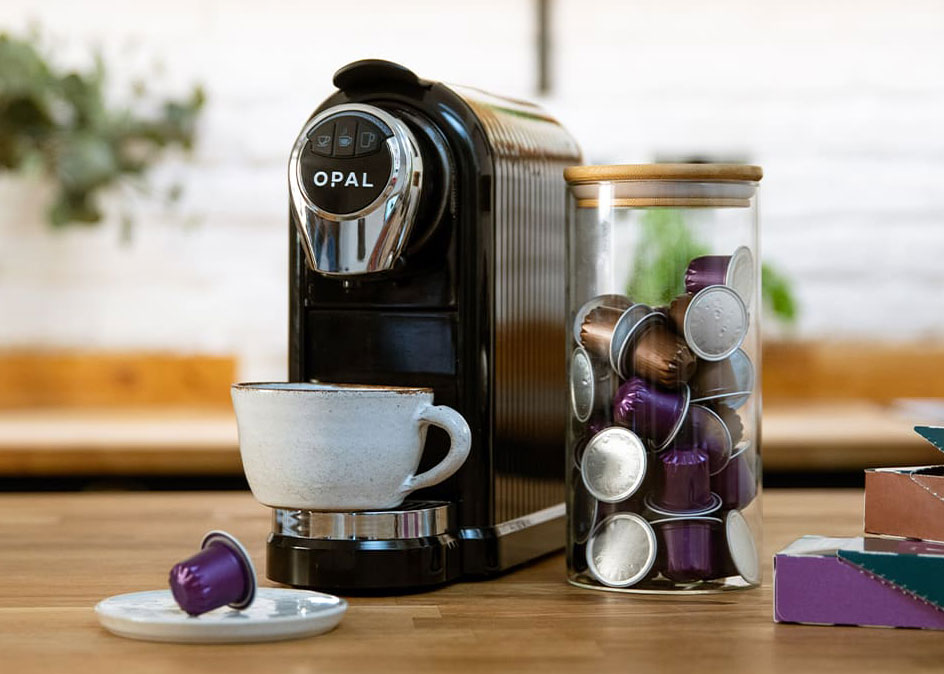
Nespresso machines range from around $99 for a basic Essenza Mini to $250+ for the Creatista range. That’s comparable upfront. But the capsule cost is where the math shifts. Nespresso Original capsules cost approximately $0.75–$1.10 each in the US. If you drink two shots per day, that’s $547–$803 per year in pods alone.
Portable espresso coffee costs depend on your beans. Quality specialty espresso beans run $18–$30 per 250g bag, and a double shot uses roughly 18–20g of coffee. That works out to approximately $0.20–$0.40 per shot — roughly three to four times cheaper than Nespresso capsules at scale. Over five years, the savings are substantial.
Grinder Costs and the Specialty Coffee Tax
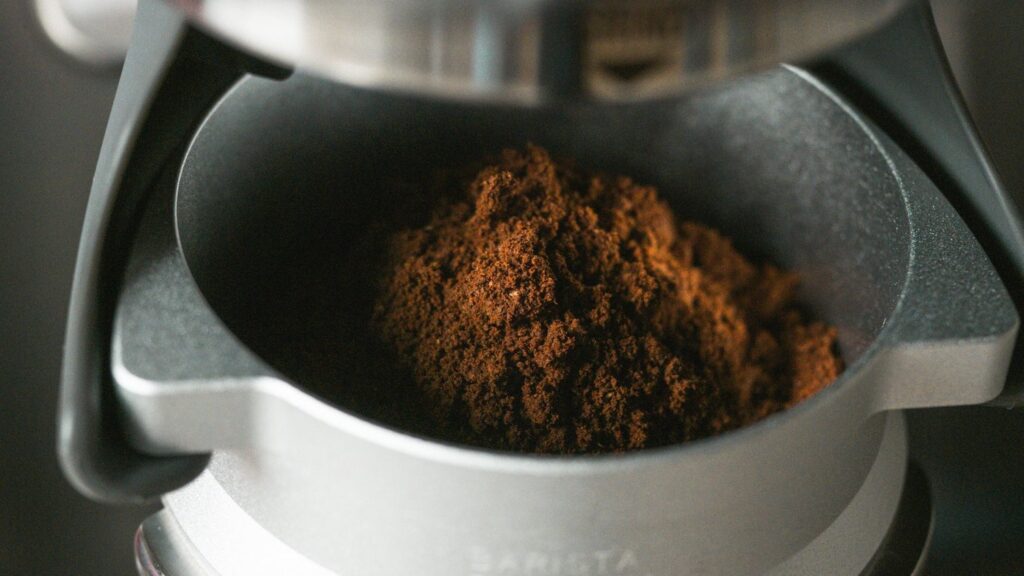
Here’s what most portable espresso comparisons leave out: to get the best from a portable espresso device, you need a good grinder. Espresso grind consistency is critical, and a decent hand grinder like the 1Zpresso JX-Pro or Comandante C40 runs $150–$200. That adds to the total investment significantly.
If you factor in a quality grinder, the portable espresso setup costs $210–$350 upfront versus $99–$250 for a Nespresso machine. After that, the per-shot savings on coffee beans mean you break even within 12–18 months if you’re a daily drinker. Beyond that point, portable espresso is consistently cheaper.
| Factor | Portable Espresso | Nespresso |
|---|---|---|
| Upfront Device Cost | $60–$150 | $99–$250 |
| Grinder Required | Yes ($150–$200) | No |
| Per-Shot Coffee Cost | $0.20–$0.40 | $0.75–$1.10 |
| Annual Cost (2 shots/day) | $146–$292 | $547–$803 |
| 5-Year Total Cost | ~$730–$1,460 | ~$2,735–$4,015 |
Portable Espresso vs Nespresso: Which Is Actually More Portable?
Size, Weight, and Travel Practicality
This is where things get genuinely interesting, because “portable” means different things to different people. A Nespresso Essenza Mini weighs 2.2 kg and measures 30 × 9 × 21 cm. It needs a 220–240V power outlet. That makes it portable in the sense that you can move it from room to room — but it’s not backpack-friendly, and it’s useless without electricity.
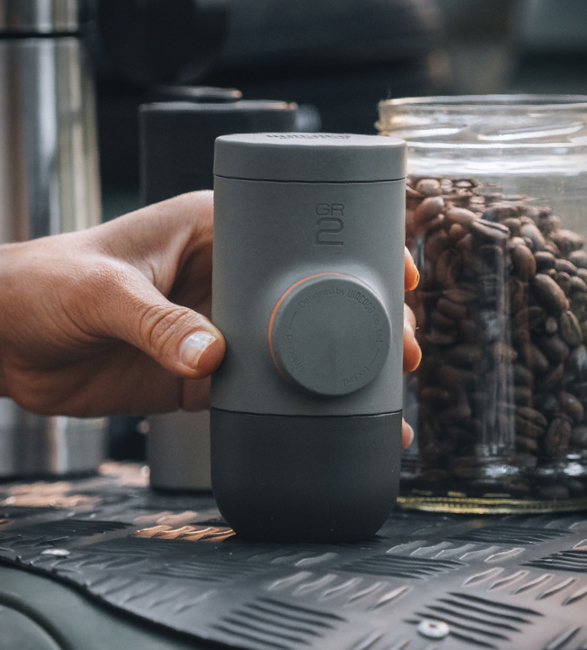
The Wacaco Nanopresso weighs 336 grams and fits in the palm of your hand. The Cafflano Kompresso is 335 grams. These devices genuinely go anywhere — camping, hiking, business travel, beach days. They need hot water, which you can get from any kettle, thermos, or even a camp stove. No power outlet required.
For frequent travelers, the portable espresso advantage is real. TSA has no issue with these devices in carry-on luggage. Coffee beans travel fine as long as they’re sealed. You’re not dependent on hotel room voltage compatibility or finding a European adapter for your espresso machine.
Convenience and Workflow Speed
Nespresso wins on convenience, and it’s not close. Insert pod, press button, 25 seconds later you have coffee. There’s no grinding, no tamping, no technique, no cleanup beyond rinsing the drip tray. For someone who wants caffeine with zero friction, Nespresso is genuinely excellent.
Portable espresso requires more steps: boil water to 88–94°C (190–201°F), grind beans to a fine espresso grind, dose and tamp, assemble the device, pump or press, and then clean the basket and portafilter. The whole process takes 5–10 minutes if you’re practiced. That’s not a dealbreaker — it’s actually part of the ritual many coffee enthusiasts love — but it’s important to be honest about the time commitment.
Related reading: Wacaco Minipresso Review.
Environmental Impact: Which System Is Greener?
Pod Waste and Recycling Reality
The environmental conversation around portable espresso vs Nespresso is complicated and deserves more nuance than most articles provide. Nespresso pods are made from aluminum, which is theoretically recyclable. Nespresso operates its own pod recycling program in many countries, and the company claims a significant recycling rate. In practice, recycling participation is inconsistent and geographically limited.
Each Nespresso capsule generates approximately 3–4 grams of aluminum waste plus the inner foil seal. At two shots per day, that’s roughly 1.5 kg of aluminum capsule waste per year per person — before accounting for the cardboard packaging. Even with recycling, the energy required to process aluminum is significant.
Portable espresso machines produce essentially zero consumable waste beyond used coffee grounds, which are fully compostable. The device itself lasts many years with minimal parts replacement. From a lifecycle analysis perspective, portable espresso wins this category decisively — assuming you source beans with responsible packaging.
Carbon Footprint of Electricity Use
Nespresso machines consume 1,200–1,500 watts during heating. A single brewing cycle uses roughly 0.02–0.04 kWh. That’s relatively low, but it adds up across millions of daily users. Portable espresso machines that require no electricity (like the Nanopresso) have essentially zero electrical carbon footprint beyond heating water on whatever heat source you use.
The Outin Nano, which includes a battery-powered heating element, uses a rechargeable battery — still a far smaller electrical footprint than a full Nespresso machine. For environmentally conscious coffee drinkers, this distinction is meaningful.
Which Coffee Drinker Does Each System Actually Serve Best?
Profiles Where Nespresso Makes Sense
Nespresso is genuinely the right answer for a specific type of coffee drinker. If you value absolute consistency above craft, need a drink ready in under 60 seconds with no learning curve, share your coffee setup with non-enthusiast household members, or travel internationally with access to power outlets — Nespresso delivers reliably.
It’s also worth acknowledging that Nespresso’s capsule lineup has improved considerably. The Master Origins and limited-edition ranges offer genuine single-origin traceability, and some capsules achieve a level of flavor complexity that would surprise skeptical specialty coffee drinkers. They’re not the same as fresh specialty espresso, but they’re not bland either.
Profiles Where Portable Espresso Wins
Portable espresso is the better choice if you’re a hands-on coffee enthusiast who finds joy in the process, regularly travel to places without reliable electricity, want control over your coffee sourcing and freshness, are working within a tight long-term budget, or are committed to reducing consumable waste. The learning curve is real but not steep — most people dial in decent shots within a week of practice.
The portable espresso camp also benefits from a growing community of enthusiasts sharing recipes, grind settings, and technique improvements online. Unlike Nespresso, where the variables are fixed inside the pod, portable espresso is a craft that improves with attention and experience.
Frequently Asked Questions
Is portable espresso as good as Nespresso?
It depends on your skill level. Portable espresso made with freshly ground specialty beans can surpass Nespresso quality significantly — but it requires technique and practice. Nespresso offers consistent, convenient results with zero learning curve. For casual drinkers, Nespresso may actually taste “better” simply because it’s foolproof and reliably calibrated every single time.
Can you use a portable espresso machine without electricity?
Yes — most portable espresso machines like the Wacaco Nanopresso and Cafflano Kompresso require no electricity at all. They use manual pressure generated by pumping or pressing. You only need hot water, which can come from any heat source including a camp stove or thermos. The Outin Nano is an exception, using a small rechargeable heating element.
How much does portable espresso vs Nespresso cost per year?
Nespresso typically costs $547–$803 per year in capsules for two shots daily. Portable espresso coffee costs $146–$292 annually for equivalent consumption using specialty beans. The portable setup has higher upfront costs when including a quality hand grinder, but the break-even point is typically 12–18 months for daily drinkers, making portable cheaper long-term.
Is portable espresso better for travel than Nespresso?
For true travel portability, portable espresso wins clearly. Devices like the Nanopresso weigh under 350 grams, require no electricity, and fit in any bag. Nespresso machines need a power outlet and weigh over 2 kg. For hotel stays with power access, Nespresso is more convenient. For camping, hiking, or off-grid travel, portable espresso is the obvious choice.
Which is more environmentally friendly: portable espresso or Nespresso?
Portable espresso is significantly more eco-friendly. It produces no consumable waste beyond compostable coffee grounds. Nespresso aluminum pods are recyclable in theory, but recycling participation is low globally and aluminum processing requires significant energy. If environmental impact is a key decision factor, portable espresso machines win this comparison by a wide margin.
Final Thoughts
The portable espresso vs Nespresso decision ultimately comes down to what kind of coffee drinker you are — and being honest with yourself about that is the most important step. There’s no objectively correct answer here, and anyone who tells you otherwise is selling something.
If you want speed, consistency, and near-zero effort, Nespresso is a genuinely well-engineered system that delivers on its promises. If you want craft, cost efficiency, true portability, and a deeper connection to your coffee, portable espresso vs Nespresso tilts heavily toward the portable side — especially if you’re willing to invest a few weeks learning the technique.
My honest recommendation: if you already own a decent hand grinder and enjoy the ritual of making coffee, go portable. If you’re outfitting a shared office kitchen or you want café-quality coffee with zero friction at 6am before your brain is fully online, get a Nespresso Original Line machine and don’t look back.
The good news is that both systems have matured significantly, and neither choice will leave you with bad coffee. The portable espresso vs Nespresso debate is ultimately a lifestyle question — and now you have everything you need to answer it for yourself.